
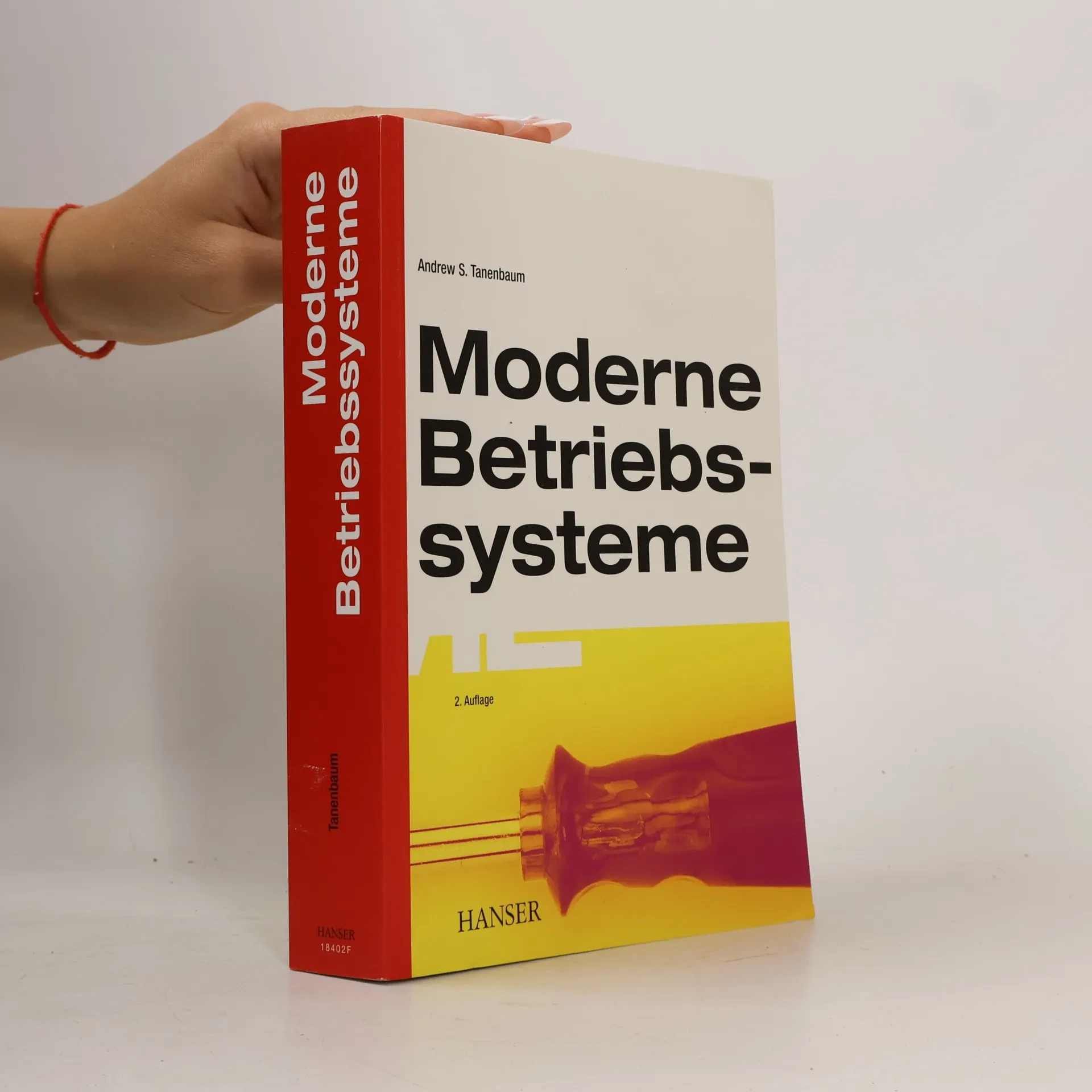
Andrew Tanenbaum zählt zu den bekanntesten und erfolgreichsten Lehrbuchautoren der Welt. Die komplett überarbeitete dritte Auflage des Standardwerkes „Moderne Betriebssysteme“ enthält aktualisierte und neue Kapitel zu Themen wie Linux, Windows Vista, Symbian OS, Sicherheit, Multimedia-Betriebssysteme und Betriebssystemdesign und Virtualisierung. In seinem gewohnt lebhaften und leicht verständlichen Stil stellt der Autor den aktuellen Stand der Forschung in diesem Bereich vor, womit das Lehrbuch den Lehrplänen vieler Universitäten und Hochschulen entpsricht. In Ergänzung zu seinen Werken Verteilte Systeme , Computerarchitektur und Computernetzwerke , ein perfektes Lehr- und Lernpaket. Zahlreiche Abbildungen, viele Beispiele sowie aktuelle Fallstudien erleichtern das Verstehen der vorgestellten Konzepte und Theorien. Ideal zum Selbststudium: Am Ende jedes Kapitels befinden sich Übungen und Verweise zu(programmierbaren) Simulationsaufgaben, deren Lösungshinweise online verfügbar sind. Sie tragen im höchsten Maße zum Veständnis und zur Selbstkontrolle bei.
Herbert Bos Bücher


Modern Operating Systems. Global Edition
- 1136 Seiten
- 40 Lesestunden
Modern Operating Systems, Fourth Edition, is designed for introductory courses in Operating Systems across various engineering programs. This revised edition includes the latest OS technologies and insights from the author's research experience, building on the success of the Third Edition, which received the McGuffey Longevity Award.
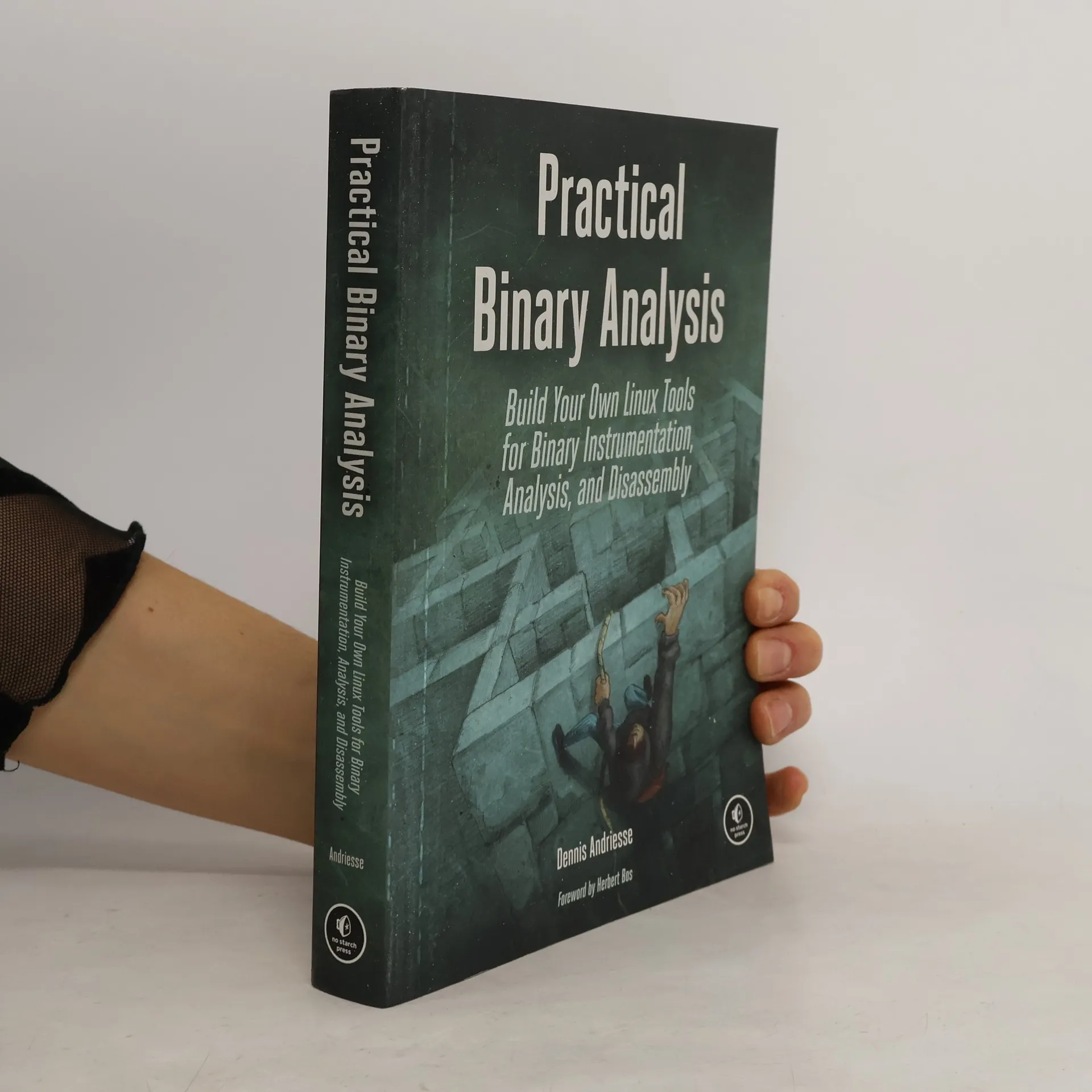
Practical Binary Analysis
Build Your Own Linux Tools for Binary Instrumentation, Analysis, and Disassembly
- 456 Seiten
- 16 Lesestunden
Stop manually analyzing binary! Practical Binary Analysis is the first book of its kind to present advanced binary analysis topics, such as binary instrumentation, dynamic taint analysis, and symbolic execution, in an accessible way. As malware increasingly obfuscates itself and applies anti-analysis techniques to thwart our analysis, we need more sophisticated methods that allow us to raise that dark curtain designed to keep us out--binary analysis can help. The goal of all binary analysis is to determine (and possibly modify) the true properties of binary programs to understand what they really do, rather than what we think they should do. While reverse engineering and disassembly are critical first steps in many forms of binary analysis, there is much more to be learned. This hands-on guide teaches you how to tackle the fascinating but challenging topics of binary analysis and instrumentation and helps you become proficient in an area typically only mastered by a small group of expert hackers. It will take you from basic concepts to state-of-the-art methods as you dig into topics like code injection, disassembly, dynamic taint analysis, and binary instrumentation. Written for security engineers, hackers, and those with a basic working knowledge of C/C++ and x86-64, Practical Binary Analysis will teach you in-depth how binary programs work and help you acquire the tools and techniques needed to gain more control and insight into binary programs. Once you've completed an introduction to basic binary formats, you'll learn how to analyze binaries using techniques like the GNU/Linux binary analysis toolchain, disassembly, and code injection. You'll then go on to implement profiling tools with Pin and learn how to build your own dynamic taint analysis tools with libdft and symbolic execution tools using Triton. You'll learn how to: - Parse ELF and PE binaries and build a binary loader with libbfd - Use data-flow analysis techniques like program tracing, slicing, and reaching definitions analysis to reason about runtime flow of your programs - Modify ELF binaries with techniques like parasitic code injection and hex editing - Build custom disassembly tools with Capstone - Use binary instrumentation to circumvent anti-analysis tricks commonly used by malware - Apply taint analysis to detect control hijacking and data leak attacks - Use symbolic execution to build automatic exploitation tools With exercises at the end of each chapter to help solidify your skills, you'll go from understanding basic assembly to performing some of the most sophisticated binary analysis and instrumentation. Practical Binary Analysis gives you what you need to work effectively with binary programs and transform your knowledge from basic understanding to expert-level proficiency.
Modern Operating Systems, Global Edition - Fifth Edition
- 1184 Seiten
- 42 Lesestunden
Modern Operating Systems incorporates the latest developments and technologies in operating systems (OS) technologies. Author Andy Tanenbaum's clear and entertaining writing style outlines the concepts every OS designer needs to master. In-depth topic coverage includes processes, threads, memory management, file systems, I/O, deadlocks, interface design, multimedia, performance tradeoffs, and trends in OS design. Case studies explore popular OS and provide real-world context. Tanenbaum also provides information on current research based on his experience as an operating systems researcher. The 5th Edition keeps pace with modern OS with a new chapter on Windows 11, new security coverage, an emphasis on flash-based solid-state drives and more.