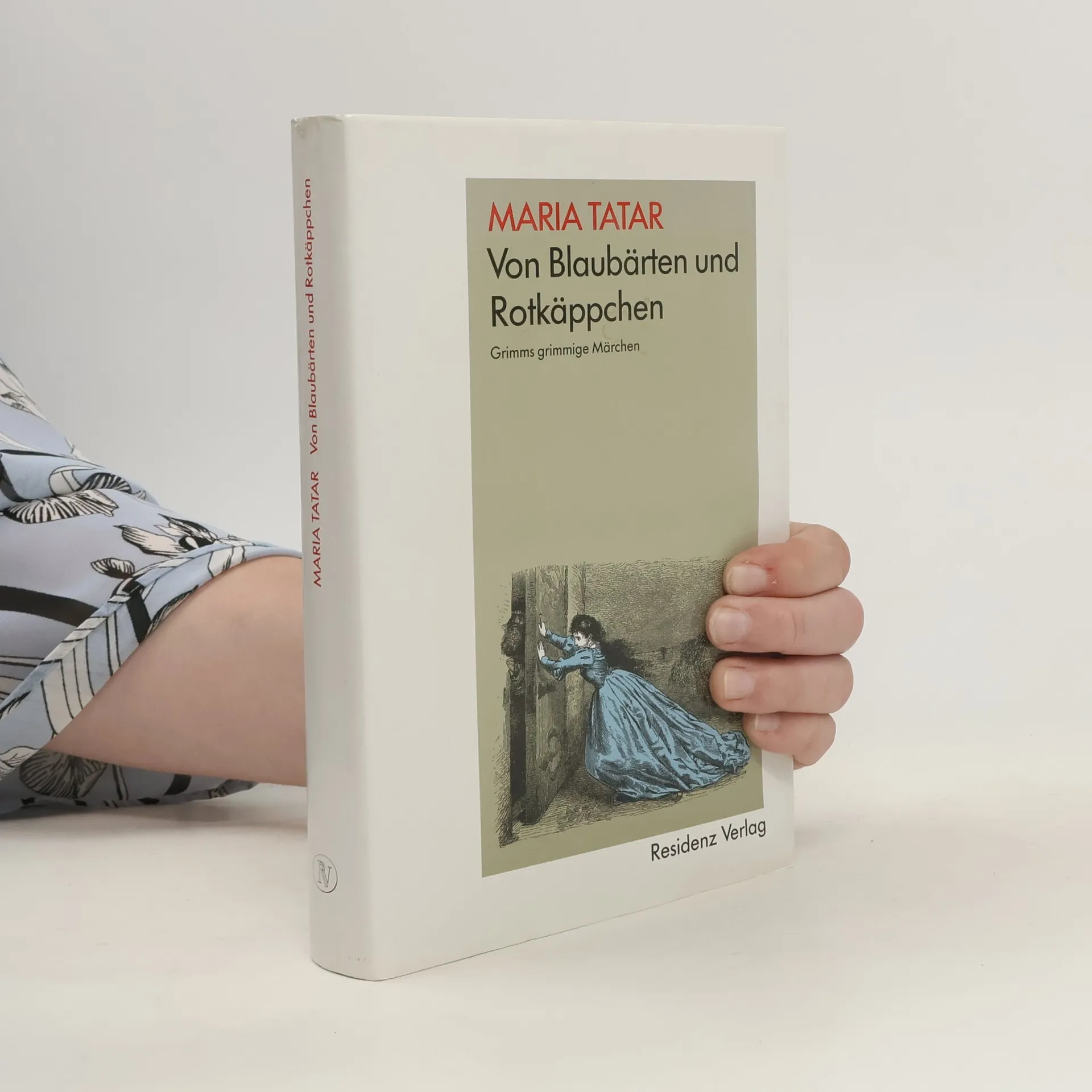
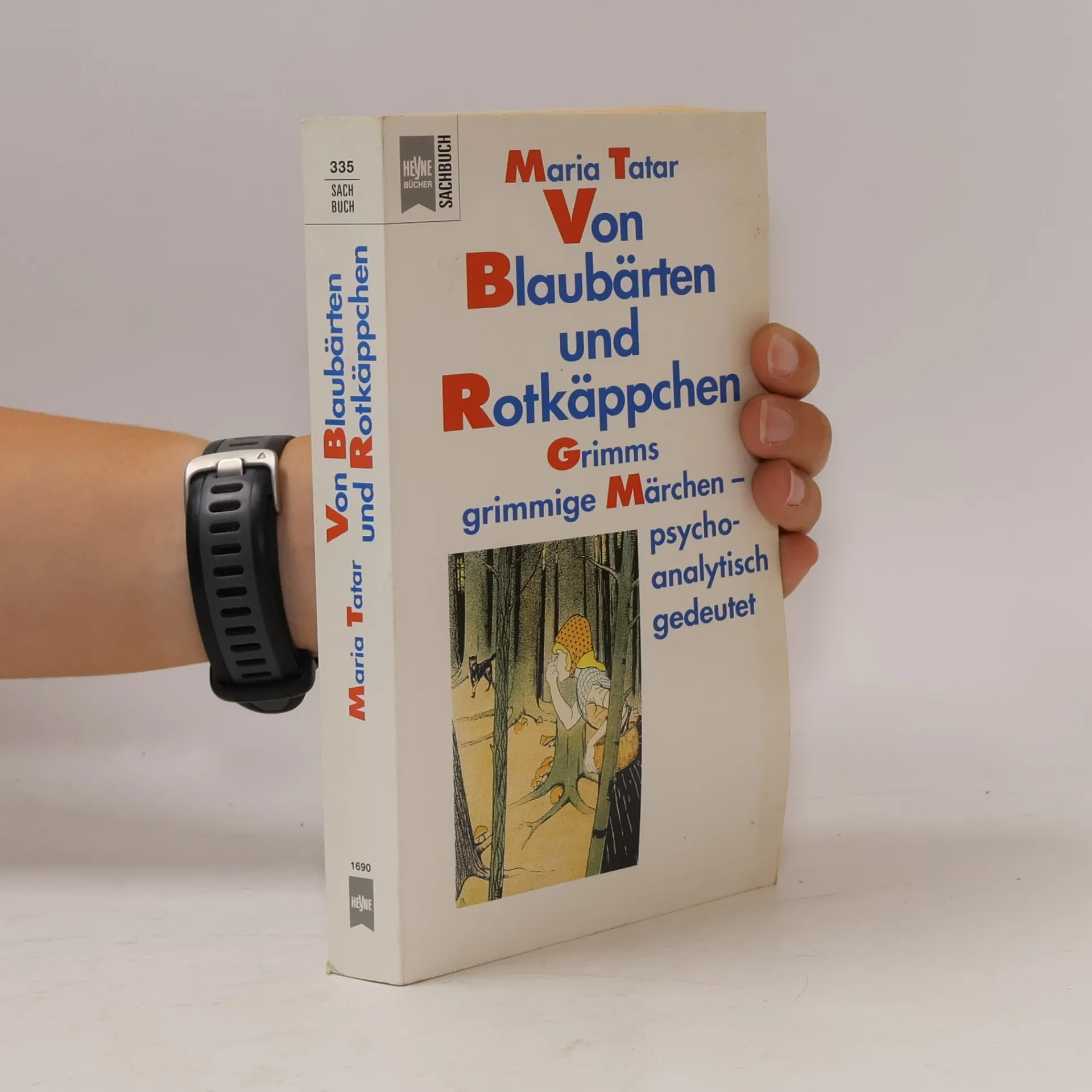
Von Blaubärten und Rotkäppchen. Grimms grimmige Märchen psycho-analytisch gedeutet
- 310 Seiten
- 11 Lesestunden


Maria Tatar erforscht die tiefgreifende Kraft von Geschichten, insbesondere im Kontext der Kindheit. Ihre wissenschaftliche Arbeit untersucht die komplexen Verbindungen zwischen Folklore und menschlicher Vorstellungskraft und deckt auf, wie traditionelle Erzählungen unser Weltverständnis und unser Selbstbild prägen. Durch ihre aufschlussreiche Analyse und kuratierten Sammlungen klassischer Märchen beleuchtet sie die anhaltende Bedeutung dieser Erzählungen für die Gestaltung von Kultur und Identität.

Analyse von Aussagen und Sachverhalten aus Grimm'schen Märchen im Hinblick auf eine mögliche Entsprechung in der Realität.
In this illuminating work, a leading expert in the field of folklore guides readers through 26 fairy tales, exploring their historical origins, their cultural complexities, and their psychological effects on children. 350 full-color photos, paintings & illustrations.
Versions of the Snow White story have been shared across the world for centuries. Acclaimed folklorist and translator Maria Tatar places the well- known editions of Walt Disney and the Brothers Grimm alongside other tellings, inviting readers to experience anew a beloved fantasy of melodrama and imagination.
In "The Heroine with 1,001 Faces," Maria Tatar critiques Joseph Campbell's male-centric view of heroism, highlighting the often-overlooked contributions of female figures in social justice. Through storytelling and domestic arts, these heroines, from ancient to modern times, embody courage and resilience in their quests for change.
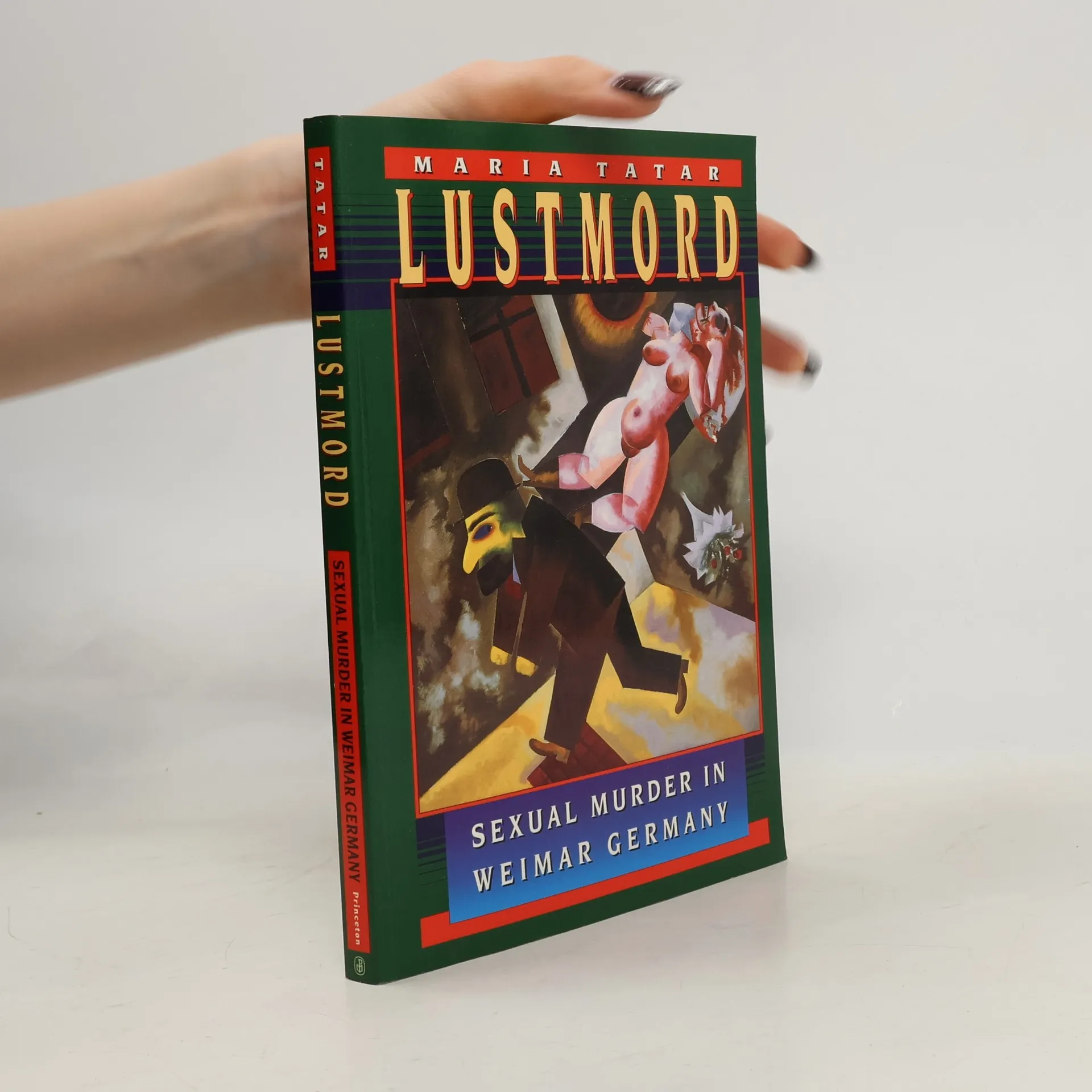
In a compelling examination of society's fixation on sexual violence, Maria Tatar delves into the unsettling image of the violated female corpse, prevalent in various art forms and media. She urges readers to reflect on the implications of these representations, particularly in the context of sexual murder (Lustmord). Tatar's study spans from Weimar Germany to contemporary culture, revealing how art and murder intersect within sexual politics. Focusing on the Weimar Republic, a time marked by avant-garde modernism, she highlights how depictions of female sexual mutilation proliferated. Male artists and writers, influenced by societal fears, portrayed women as adversaries to be dominated through artistic expression. Tatar illustrates how these artists often identified with real-life murderers, exemplified by George Grosz's provocative pose as Jack the Ripper. She analyzes notable cases of sexual murder that captivated public attention in Weimar Germany and discusses how the representation of murdered women served as a means to navigate social and sexual anxieties. Tatar connects violence against women to war trauma, urban issues, and cultural politics, revealing a complex interplay between victim and agent. This exploration shows how perpetrators can be recast as victims of seductive evil. Tatar's work fosters vital discussions on the forces shaping sexual violence and its portrayal in modern media.