

America's economy has long been a global success story, inspiring millions to seek the American dream. However, it now stands at a critical juncture, with many losing faith in the commitment to economic liberty. There is a growing call for increased government intervention through protectionism, industrial policy, stakeholder capitalism, and even quasi-socialist measures. This shift has gained traction among political and business leaders, leaving traditional market defenders struggling to respond effectively. Compounding the issue is a resurgent China, which seeks to challenge the United States' global standing. The future of the world's largest economy and the economic liberty central to America's identity hangs in the balance. Yet, the narrative of managed decline and creeping statism is not the only path forward. An alternative vision exists: a dynamic market economy rooted in entrepreneurship, competition, and trade openness, aligned with the Founding generation's vision of a Commercial Republic. This approach emphasizes freedom, commerce, and the common good, enabling America to assert its interests in a perilous world while upholding the principles of economic freedom.
Samuel John Gregg Reihenfolge der Bücher


- 2022
- 2020
For God and Profit: How Banking and Finance Can Serve the Common Good
- 300 Seiten
- 11 Lesestunden
From Christianity's very beginning, it has had a difficult relationship with the world of money. Through developing sophisticated understandings of the nature and wealth-creating capacity of capital, Christian theologians, philosophers, and financiers exerted considerable influence upon the emergence and development of the international financial systems that helped unleash a revolution in the way the world thinks about and uses capital. In For God and Profit, Samuel Gregg underscores the different ways in which Christians have helped to develop the financial and banking systems that have helped millions escape poverty for hundreds of years. But he also provides a critical lens through which to assess the workings—and failures—of modern finance and banking. Far from being doomed to producing economic instability and periodic financial crises, Gregg illustrates that how Christian faith and reason can shape financial practices and banking institutions in ways that restore integrity to our troubled financial systems.
- 2019
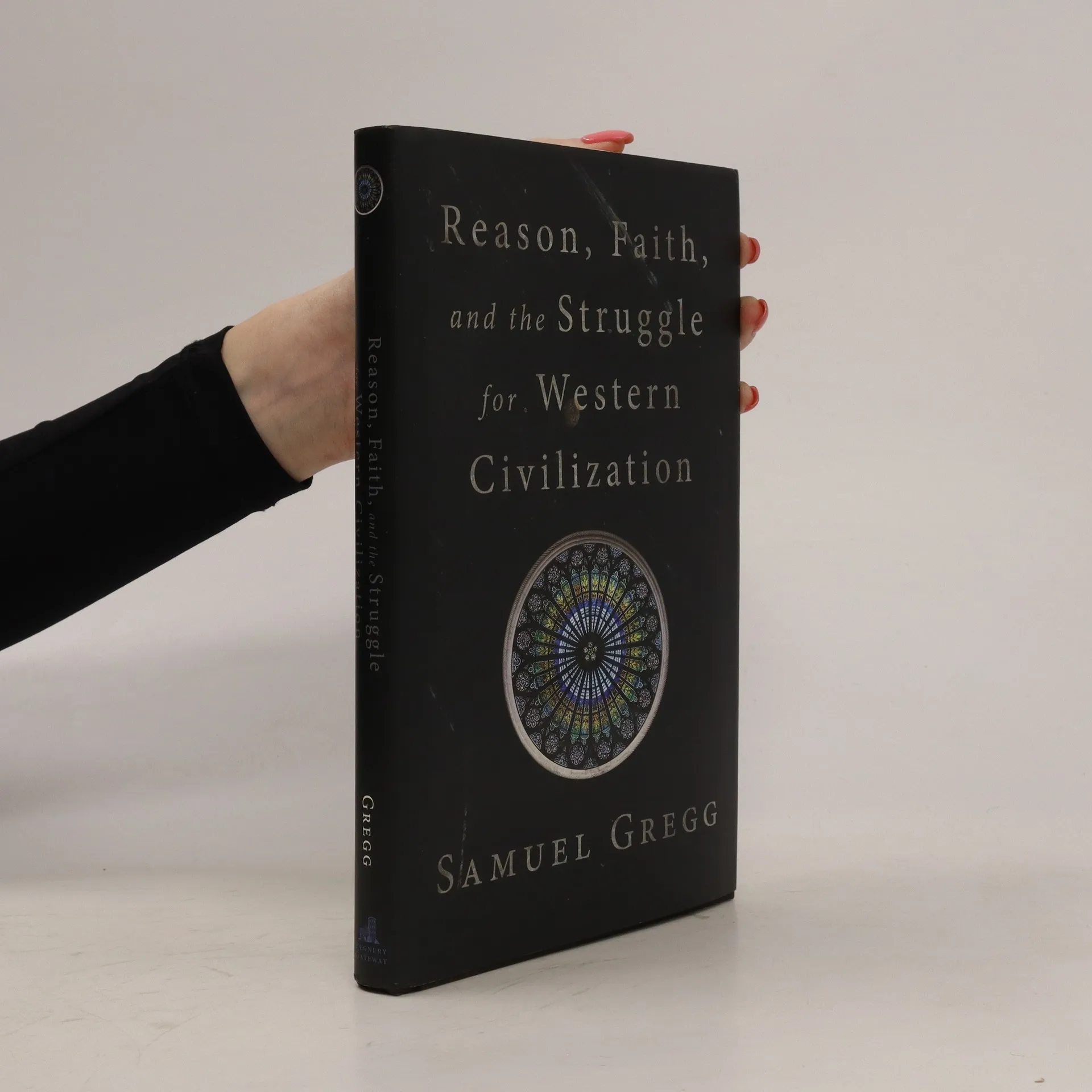
Reason, Faith, and the Struggle for Western Civilization
- 256 Seiten
- 9 Lesestunden
"The genius of Western civilization is its unique synthesis of reason and faith. But today that synthesis is under attack--from the East by radical Islam (faith without reason) and from within the West itself by aggressive secularism (reason without faith). The stakes are incalculably high. The naïve and increasingly common assumption that reason and faith are incompatible is simply at odds with the facts of history. The revelation in the Hebrew Scriptures of a reasonable Creator imbued Judaism and Christianity with a conviction that the world is intelligible, leading to the flowering of reason and the invention of science in the West. It was no accident that the Enlightenment took place in the culture formed by the Jewish and Christian faiths. We can all see that faith without reason is benighted at best, fanatical and violent at worst. But too many forget that reason, stripped of faith, is subject to its own pathologies. A supposedly autonomous reason easily sinks into fanaticism, stifling dissent as bigoted and irrational and devouring the humane civilization fostered by the integration of reason and faith. The blood-soaked history of the twentieth century attests to the totalitarian forces unleashed by corrupted reason."-- Amazon.com

- 2017
Für Gott und den Profit
Eine Ethik des Finanzwesens. Christlich - marktliberal
Samuel Gregg erzählt die faszinierende Geschichte eines allmählich sich entwickelnden Verständnisses der produktiven und wohlstandschaffenden Funktion des Geldes - der Einsicht also, wie Geld zu Kapital wird. Sie ist auch die Geschichte der allmählichen Überwindung des ursprünglich vorchristlich-antiken Misstrauens gegenüber Geldverleih, Spekulation und Handel und deren Versöhnung mit der Aufgabe des Schutzes und der Fürsorge für die Ärmsten und Schwächsten. Der Autor hebt einen Schatz, der für eine Ethik des Finanzwesens aus christlicher Sicht neue und überraschende Perspektiven eröffnet sowie manche kritische Anfragen an heutige Praktiken der Finanzwirtschaft in einem neuen Licht erscheinen lässt. Insbesondere auch die oft problematische Rolle des Staates und gesetzlicher Regulierungen. Ein besonderes Anliegen des Buches ist es, die aktuelle Relevanz zentraler Prinzipien der christlichen Soziallehre wie des Gemeinwohlprinzips und des Prinzips der allgemeinen Bestimmung der Güter mit dem ebenso von der christlichen Tradition hochgehaltenen Prinzip des Privateigentums als Grundlage einer humanen Gesellschaft und einer funktionierenden, für alle Wohlstand schaffenden Ökonomie herauszuarbeiten. Auch hier gelangt Samuel Gregg zu Aussagen, die manchen vielleicht überraschen werden. Er zeigt, weshalb gerade heutige Geld- und Kapitalmärkte, trotz Missbräuchen und menschlichen Fehlverhaltens, das effizienteste Instrument sind, um die Güter dieser Erde für alle Menschen nutzbar zu machen - insbesondere und gerade für die Ärmsten dieser Welt, und dass genau darin für Christen, die in der Finanzwirtschaft tätig sind, auch die eigentliche und positive Herausforderung liegt. Dieses packend geschriebene Buch zwingt dazu, manches Vorurteil zu revidieren und neu darüber nachzudenken, was im konkreten Fall richtig oder falsch, gut oder böse ist.
- 2013
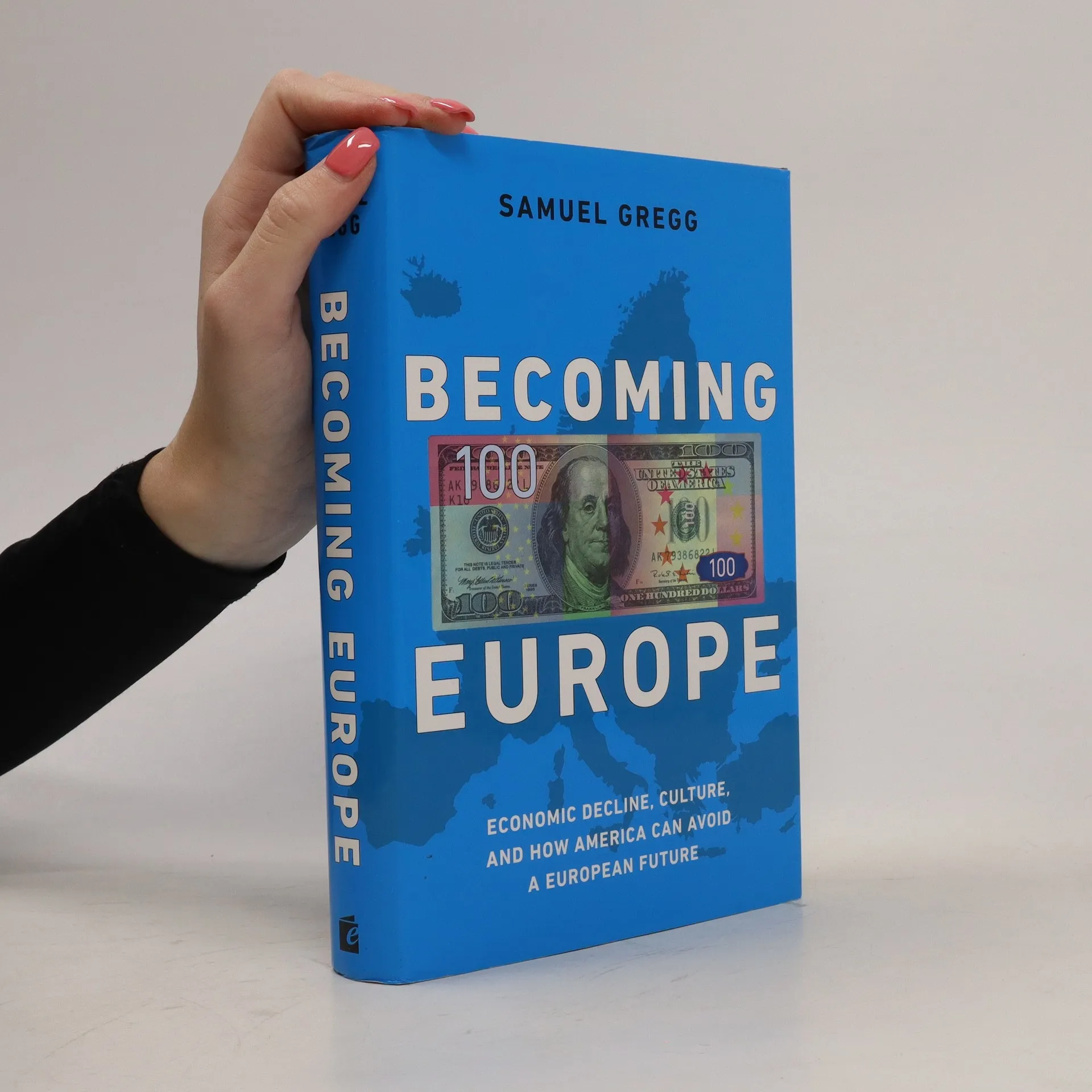
Becoming Europe
- 363 Seiten
- 13 Lesestunden
Argues against America's economic life becoming more like Europe's and warns that if Americans continue down this path they will suffer an overburdened welfare state, a government that controls half of the economy, and high taxation.
- 2007
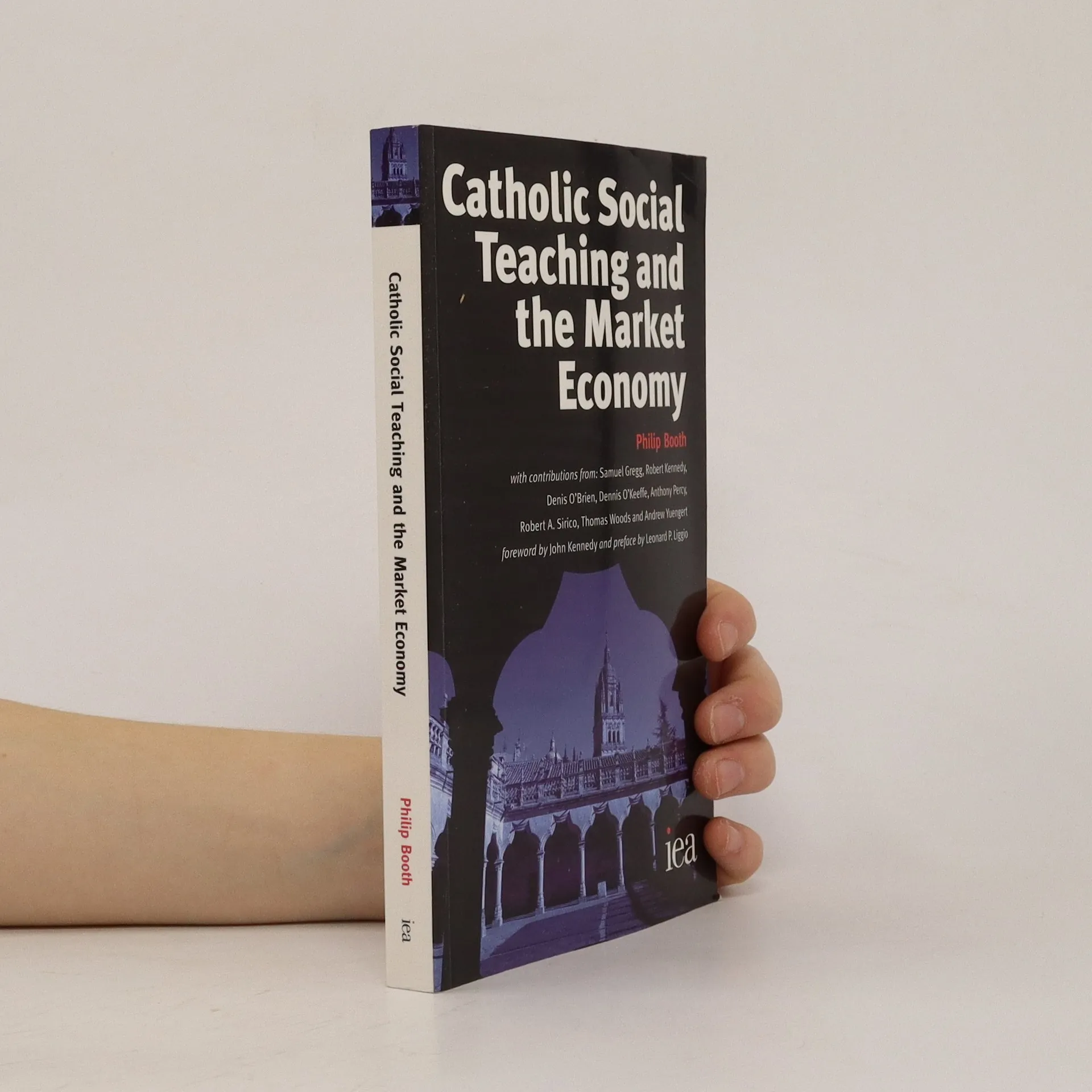
Catholic Social Teaching and the Market Economy
- 277 Seiten
- 10 Lesestunden
In the context of both political economy and Catholic Social Teaching, this book examines the extent to which the teaching can be used to justify the free market, or alternative forms of political and economic organisation, in areas such as taxation, welfare, foreign aid, labour markets and business.
