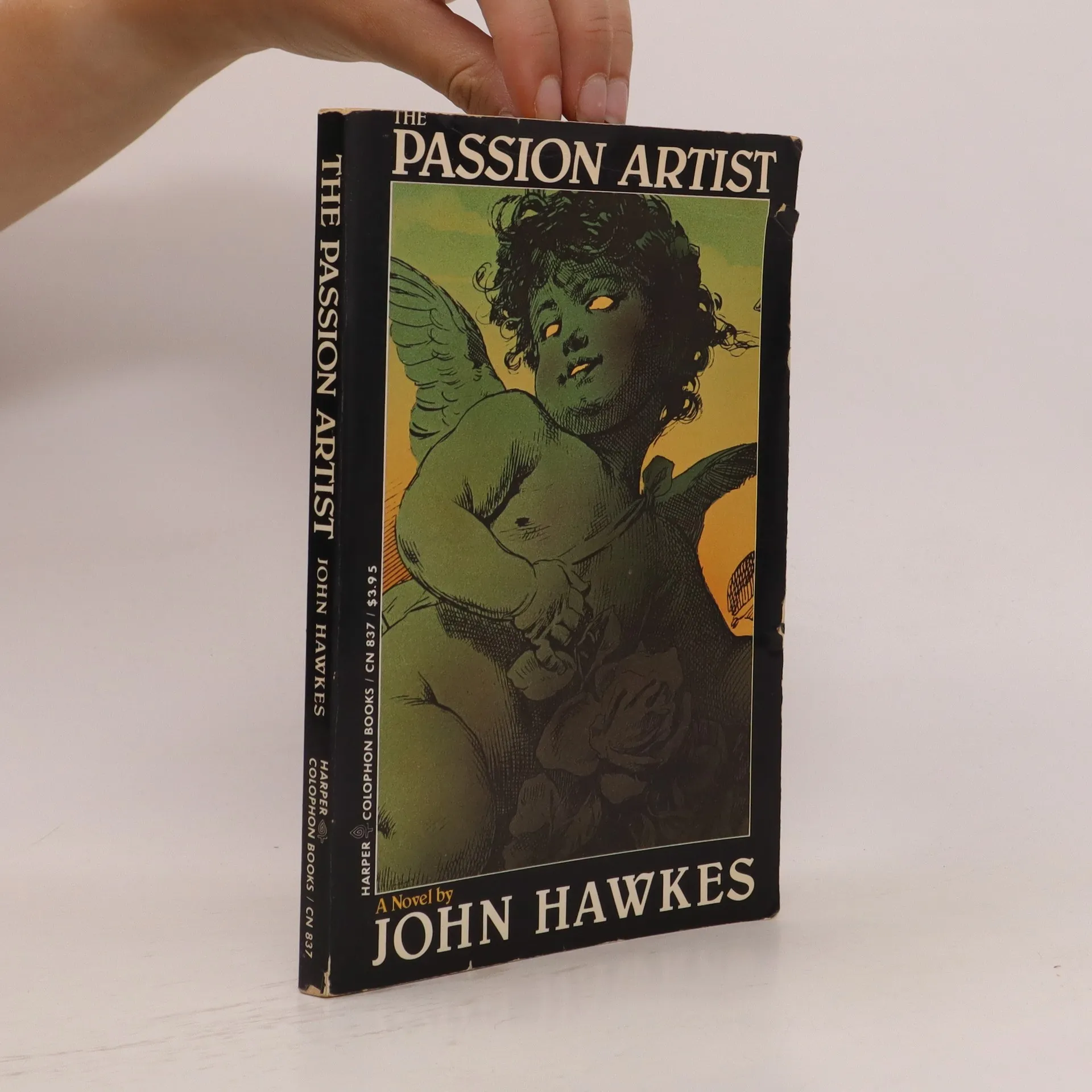

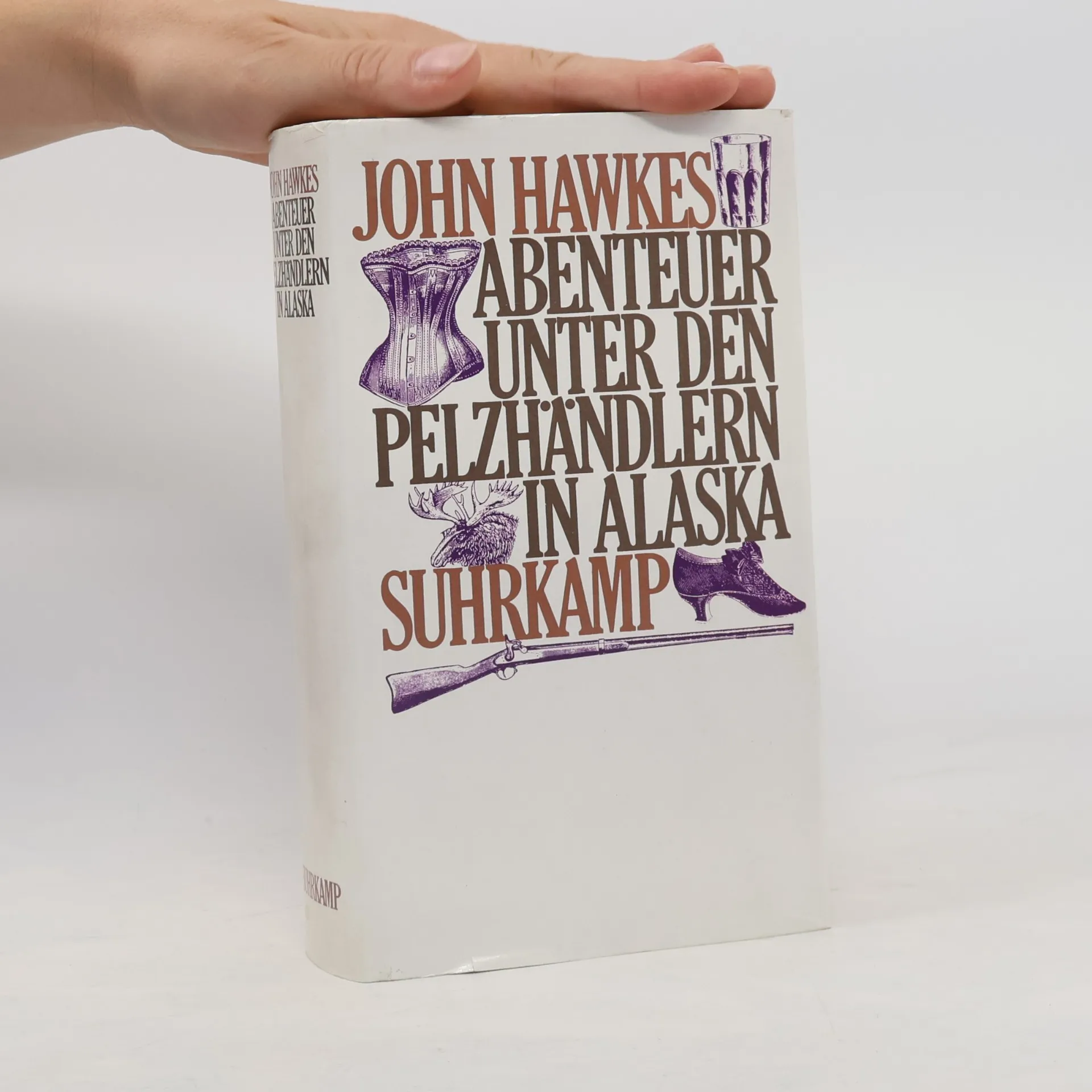
"Abenteuer unter den Pelzhändlern in Alaska" ist ein fesselndes Epos mit Abenteuergeschichten, das Alaska und seine Geschichte erkundet. Im Mittelpunkt steht Sunny, die Tochter eines charismatischen Erzählers, die ihn trotz seines geheimnisvollen Verschwindens sucht und sich dabei in eine Männerwelt begibt, während sie an ihrem Vater festhält.
John Hawkes Bücher
John Hawkes war ein amerikanischer postmoderner Romanautor, der für die Intensität seiner Werke gefeiert wurde, welche die traditionellen erzählerischen Grenzen sprengten. Seine Romane zeichnen sich oft durch surreale Bilder aus und sind vor lebhaft gestalteten Landschaften angesiedelt. Kritiker lobten Hawkes für seinen einzigartigen Stil und die tiefgründige Auseinandersetzung mit menschlicher Psychologie und moralischen Komplexitäten. Sein innovativer Erzähsansatz hinterließ eine bedeutende Spur in der amerikanischen Literatur des 20. Jahrhunderts.


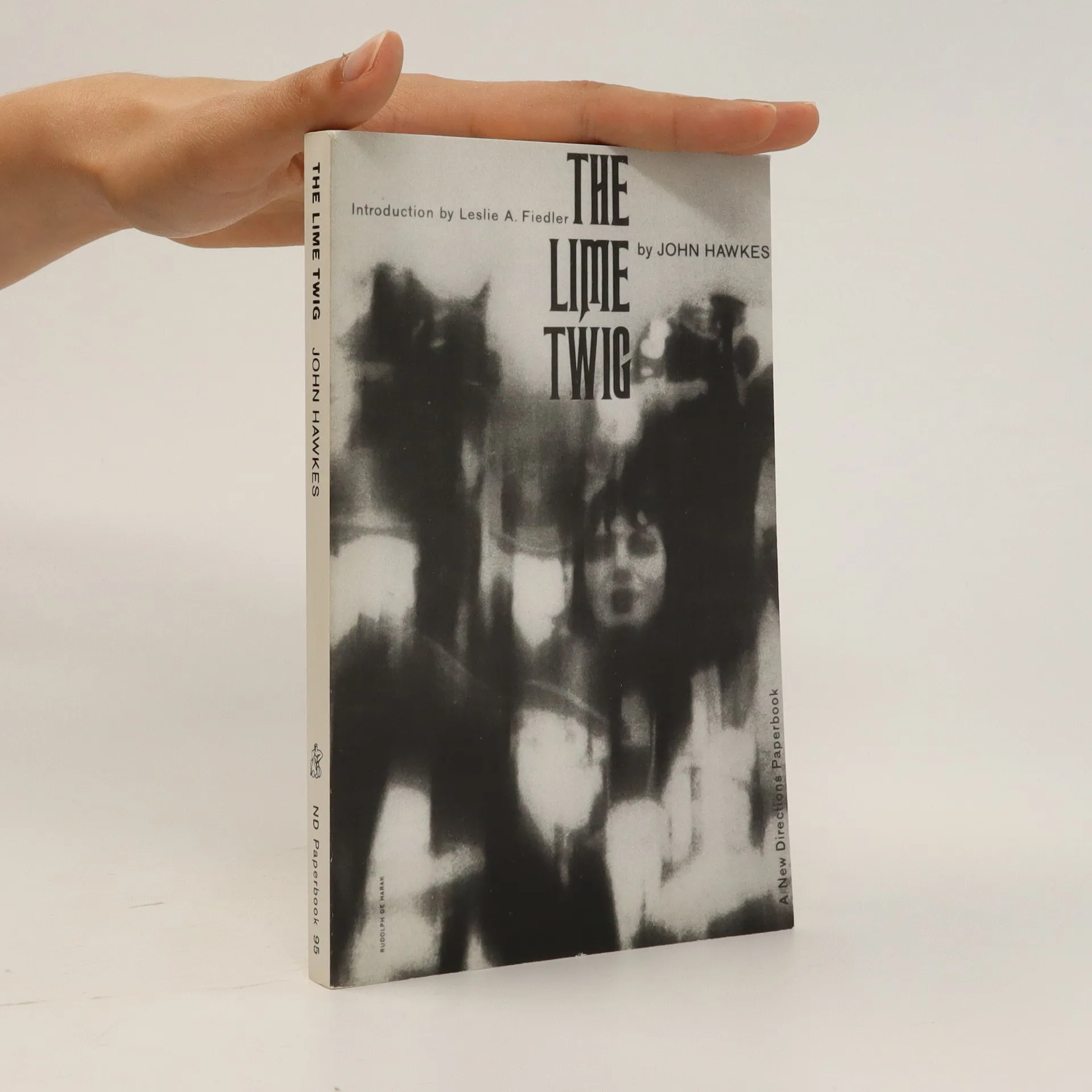
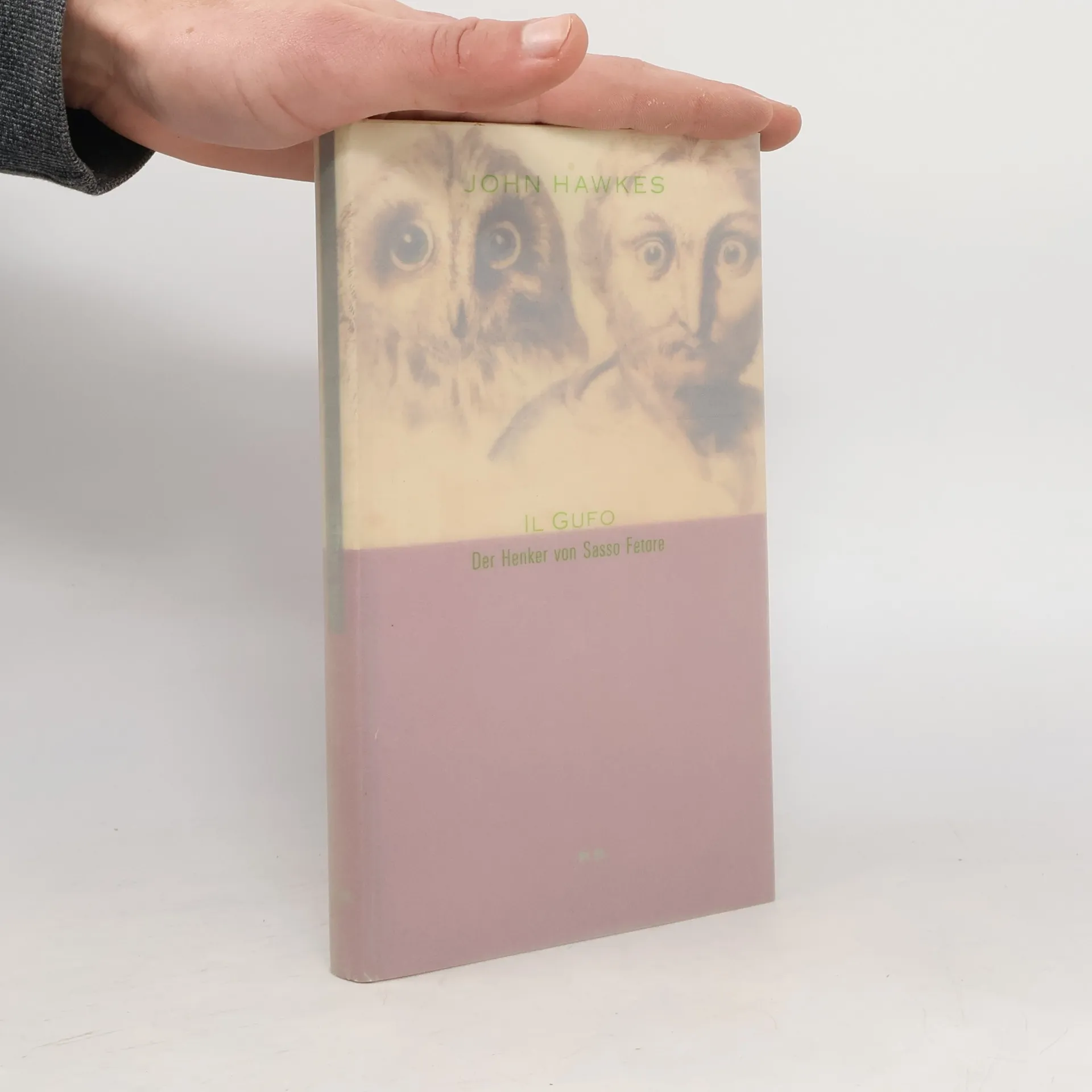
Hawkes' Italien ist nicht das "Land, in dem die Zitronen blühen". Hier sind Frühling, Wärme, Sonne und Leben fremde Begriffe. In The Owl ist dieses Land ein dunkler, feuchter Trog, aus dessen kalten Sumpfboden sich nur das mittelalterliche Dorf Sasso Fetore und die Festung des Henkers erheben. Eingeschlossenheit ist die Wesensmetapher dieser eiskalten Vorhölle, in der schon der Blick zu den Grenzen an Häresie heranreicht: Jeder in Sasso Fetore, der dort draußen ein venezianisches Segel erblickte, hielt es für eine Einbildung. So sind die Bewohner dieser finsteren Enklave selbst schon hermetische Wesen geworden: das venezianische Segel auf dem Meer, Symbol für Öffnung, für Fahrten zu neuen Ufern, für Austausch und Kommunikation mit dem Fremden, wird zur Halluzination. In Sasso Fetore herrscht der Geist der Oppression, in seinem Gefolge gedeiht nur die verängstigte Unterwürfigkeit.
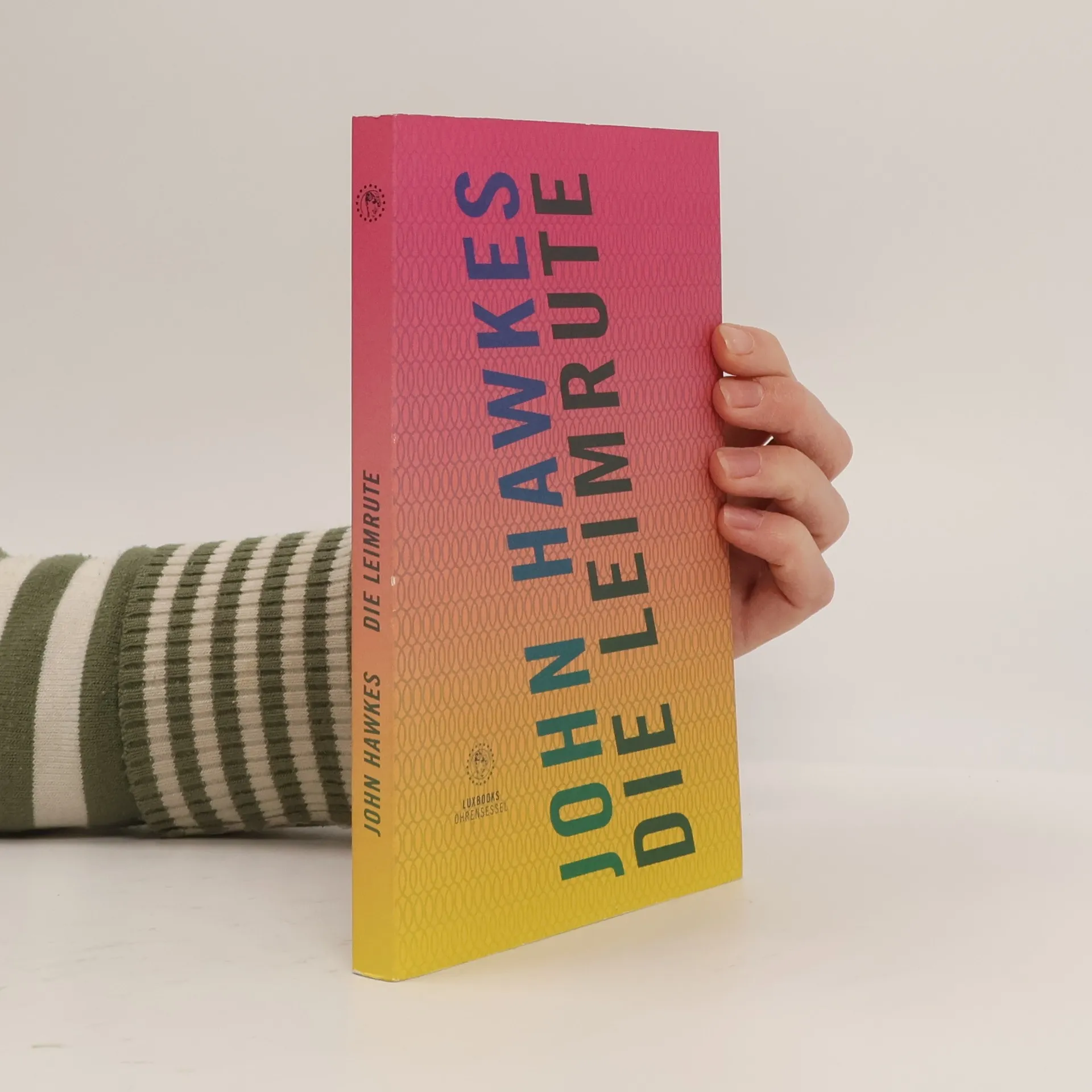
Mit einer Nachbemerkung von Hawkes, John 159 S. fPr
Second Skin
- 240 Seiten
- 9 Lesestunden
The narrative follows Skipper, an ex-World War II naval Lieutenant, as he navigates his tumultuous past filled with tragic losses—suicides, murder, and violence—while caring for his granddaughter on a remote island. He reflects on his "naked history," blending memories with his present life as an artificial inseminator of cows, seeking to reclaim lost innocence. The author skillfully juxtaposes stark suffering with moments of beauty, creating a rich tapestry of experiences that transform the ordinary into the extraordinary, often with surreal elements.
But it would be unfair to the reader to reveal what happens when a gang of professional crooks gets wind of the scheme and moves to muscle in on this bettors' dream of a long-odds situation. Worked out with all the meticulous detail, terror, and suspense of a nightmare, the tale is, on one level, comparable to a Graham Greene thriller; on another, it explores a group of people, their relationships fears, and loves. For as Leslie A. Fiedler says in his introduction, "John Hawkes.. . makes terror rather than love the center of his work, knowing all the while, of course, that there can be no terror without the hope for love and love's defeat . . . ."
With a rich background in writing, the author brings a wealth of experience to this new work, showcasing their talent across various genres. The narrative weaves together compelling characters and intricate plots, inviting readers to explore deep themes and emotional journeys. Through a blend of creativity and insight, the author continues to captivate audiences, making this latest addition a must-read for fans and newcomers alike.
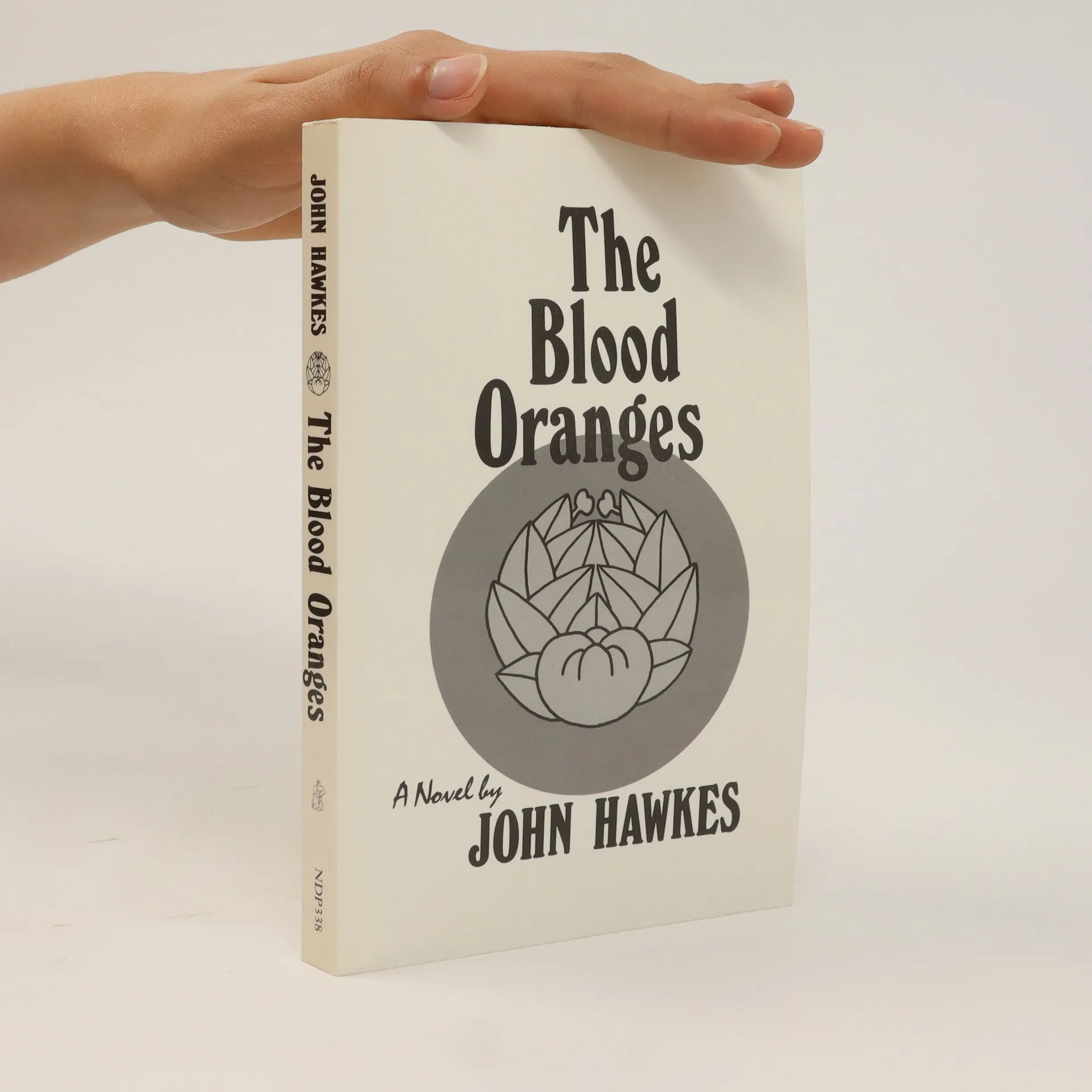
"Need I insist that the only enemy of the mature marriage is monogamy? That anything less than sexual multiplicity . . . is naive? That our sexual selves are merely idylers in a vast wood?" Thus the central theme of John Hawkes's widely acclaimed novel The Blood Oranges is boldly asserted by its narrator, Cyril, the archetypal multisexualist. Likening himself to a white bull on Love's tapestry, he pursues his romantic vision in a primitive Mediterranean landscape. There two couples--Cyril and Fiona, Hugh and Catherine--mingle their loves in an "lllyria" that brings to mind the equally timeless countryside of Shakespeare's Twelfth Night.