Nicholas Royle ist ein Autor, dessen Fiktion oft die Grenzen der Realität auslotet und die Natur der menschlichen Psyche erforscht. Seine Prosa nutzt meisterhaft Atmosphäre und Spannung, um den Leser in dunkle und beunruhigende Welten zu ziehen. Royles unverwechselbarer Stil zeichnet sich durch seine Dichte und eindringliche Beschreibungen aus, die seine Erzählungen tief immersiv machen. Er ist bekannt für seine fesselnde Auseinandersetzung mit psychologischen und existenziellen Themen.
A lucid, original and inventive critical introduction to Helene Cixous
(1937-). Royle offers close readings of many of her works, from Inside (1969)
to the present. He foregrounds Cixous's importance for 'English literature' as
well as creative writing, autobiography, narrative theory, psychoanalysis,
ecology, gender studies and queer theory. -- .
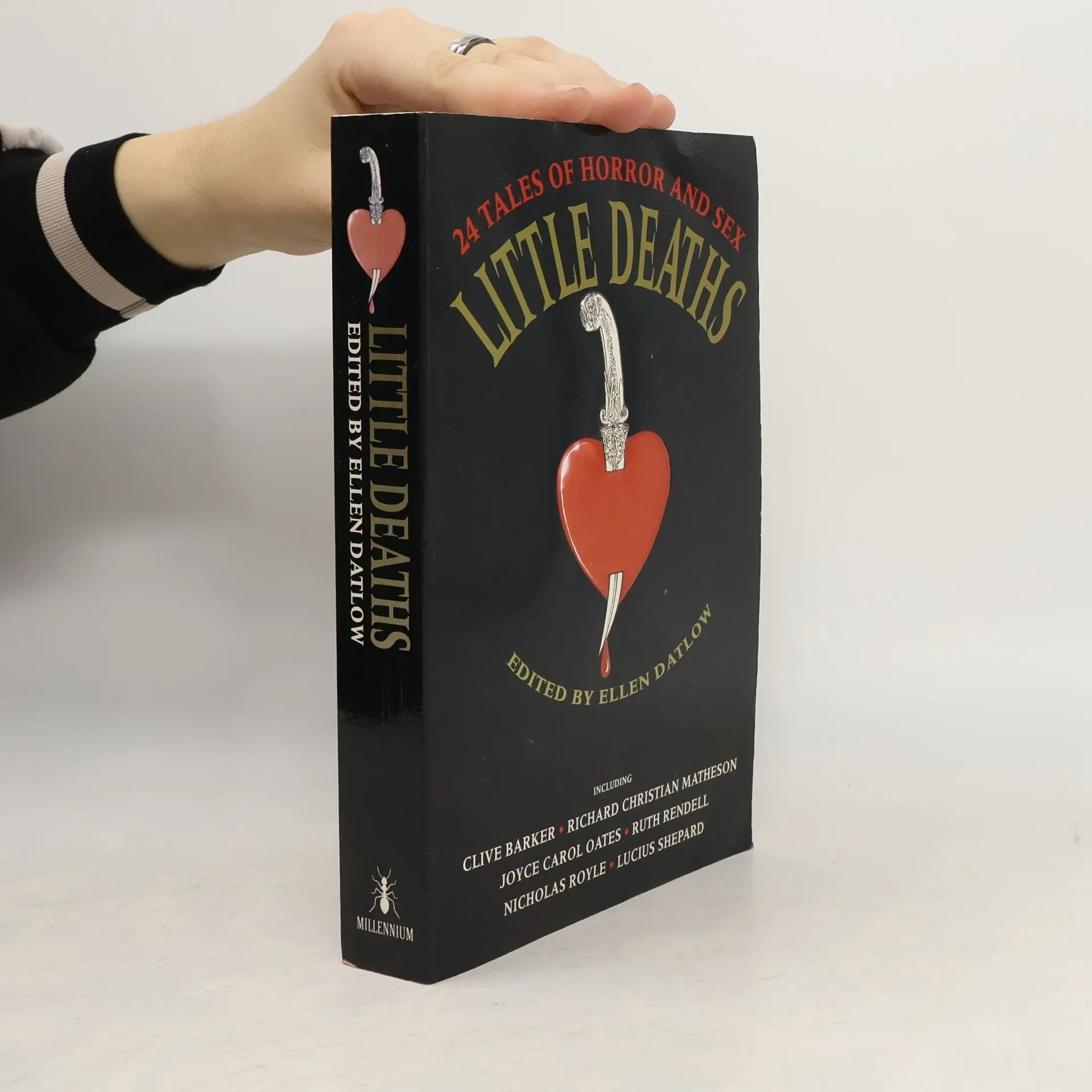
These 16 stories explore the nightmarish point where sensuality and horror meet. Displaying their unique talents with a focus on dark fantasy, each writer offers a sophisticated tale that will delight fans of horror, erotica, and quality short fiction alike. Authors include Clive Barker, Joyce Carol Oates, Dan Simmons and Doug Clegg.
The book offers a unique exploration of the lives and works of Enid Blyton and David Bowie, two seemingly disparate creative figures. It examines the significance of art, music, and literature while questioning the role of universities in contemporary society. Through this juxtaposition, the author invites readers to reflect on the cultural impact of these icons and the broader implications for creativity and education.
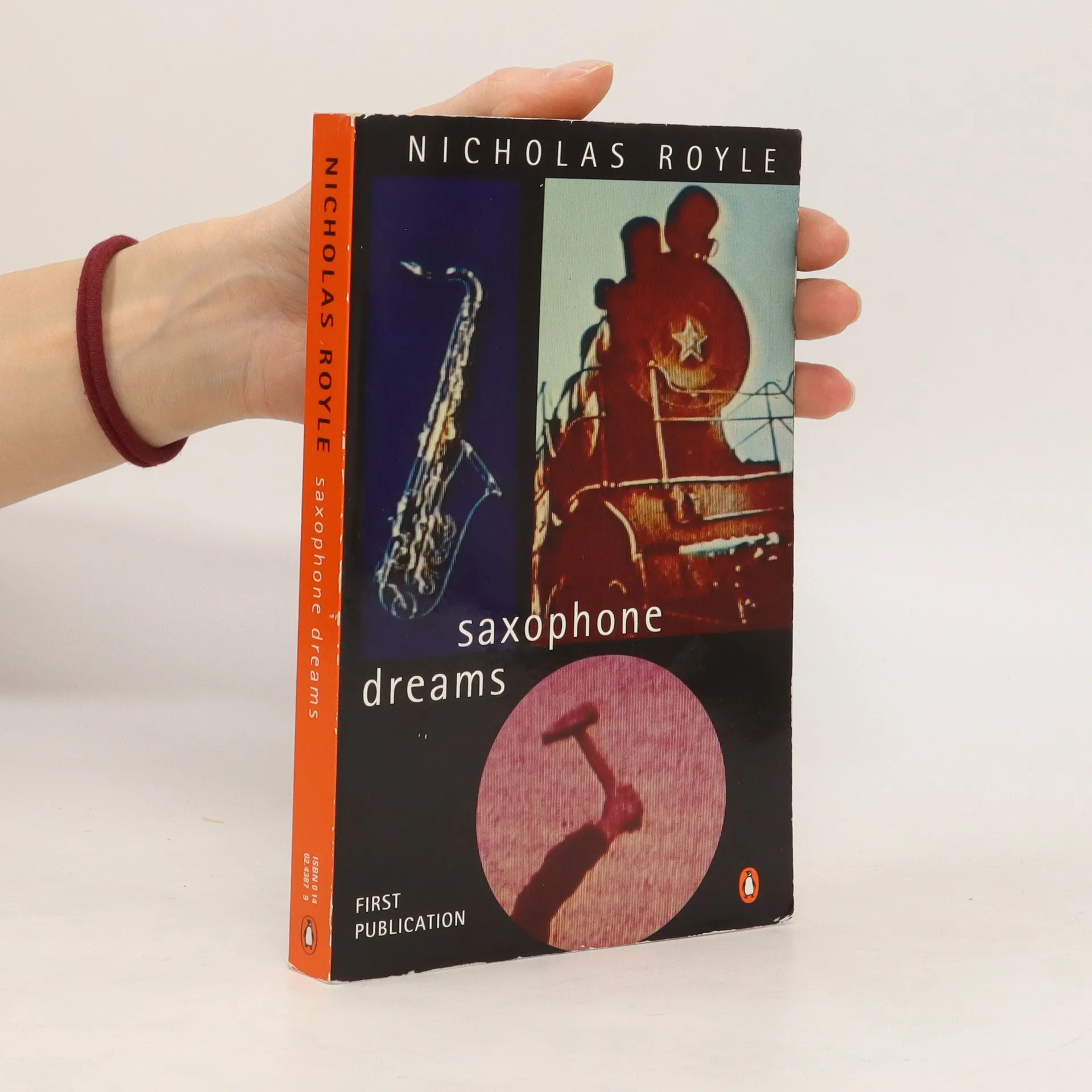
In this book, a group of young musicians from harsh regimes in Czechoslovakia and Bucharest are drawn together, as the victims of communism take over Kossovo for a brief reign of terror.
Lively, original and highly readable, An Introduction to Literature, Criticism
and Theory is the essential guide to literary studies. A breath of fresh air
in a field that can often seem dry and dauntingly theoretical, this book will
open the reader's eyes to the exhilarating possibilities of reading and
studying literature.
Either First Novel is a darkly funny examination of the relative attractions of creative writing courses and suburban dogging sites, or it's a twisted campus novel and possible murder mystery that's not afraid to blend fact with fiction in its exploration of the nature of identity.Paul Kinder, a novelist with one forgotten book to his name, teaches creative writing in a university in the north-west of England. Either he's researching his second, breakthrough novel, or he's killing time having sex in cars.Either eternal life exists, or it doesn't. Either you'll laugh, or you'll cry. Either you'll get it, or you won't."I began by simply enjoying the novel and ended up being thrilled, horrified, disturbed. First Novel is absolutely at the forefront of everything I've read in British fiction over the last couple of years." --Jonathan Coe
Relating literature to topics such as dreams, politics, life, death, the
ordinary and the uncanny, This Thing Called Literature establishes a sense of
why and how literature is an exciting subject to study. This essential guide
to the study of literature is as an eloquent celebration of the value and
pleasure of reading.
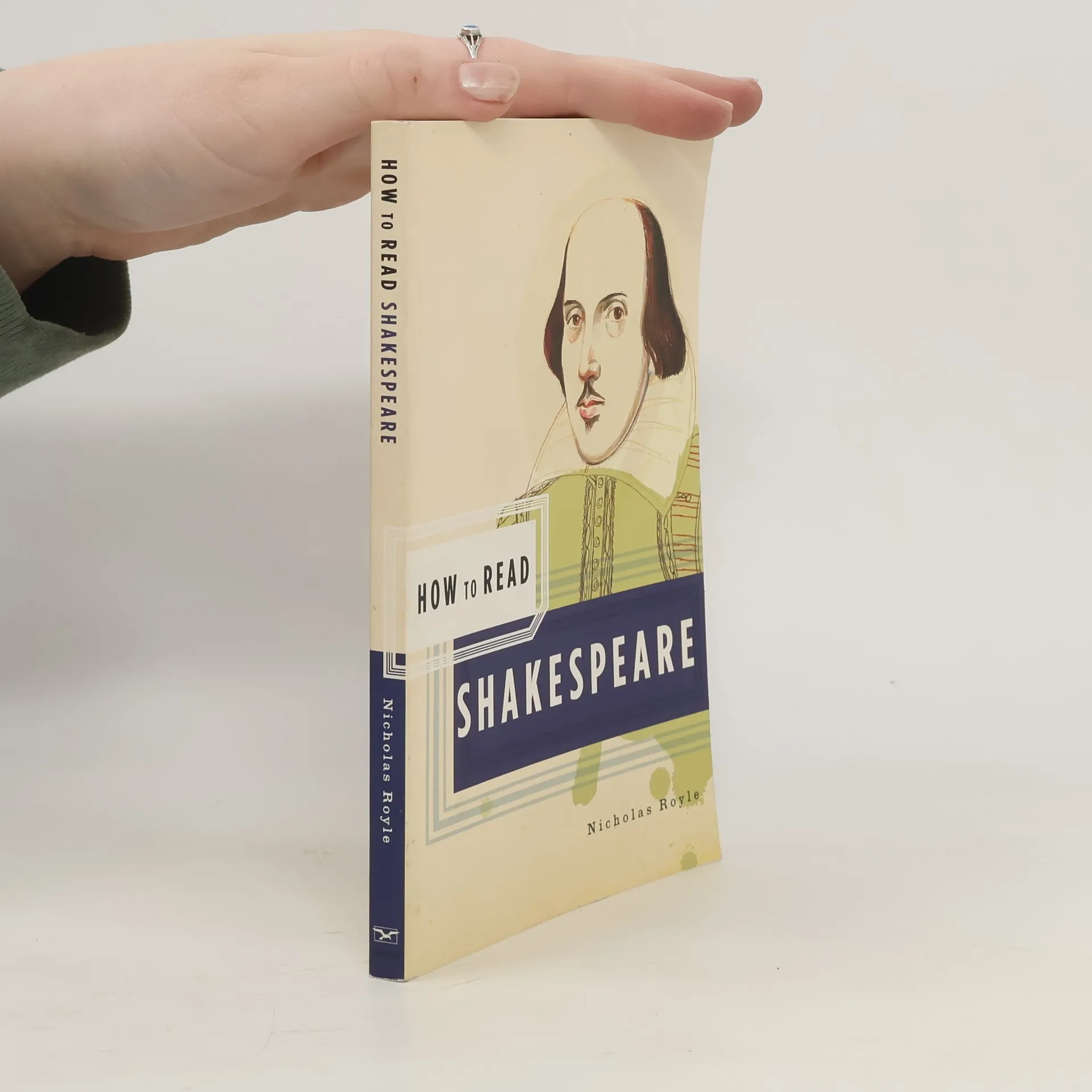
Focusing on the art of reading and interpreting Shakespeare's texts, the book delves into key themes such as memory, love, and the nature of poetry. Nicholas Royle emphasizes the enjoyment of short passages and specific word choices, encouraging readers to engage deeply with the material. Historical context and critical reception are explored, alongside the impact of various interpretations across different media. Extracts from renowned works like Romeo and Juliet and Hamlet enrich the reader's experience, highlighting the enduring pleasure of Shakespeare's writing.
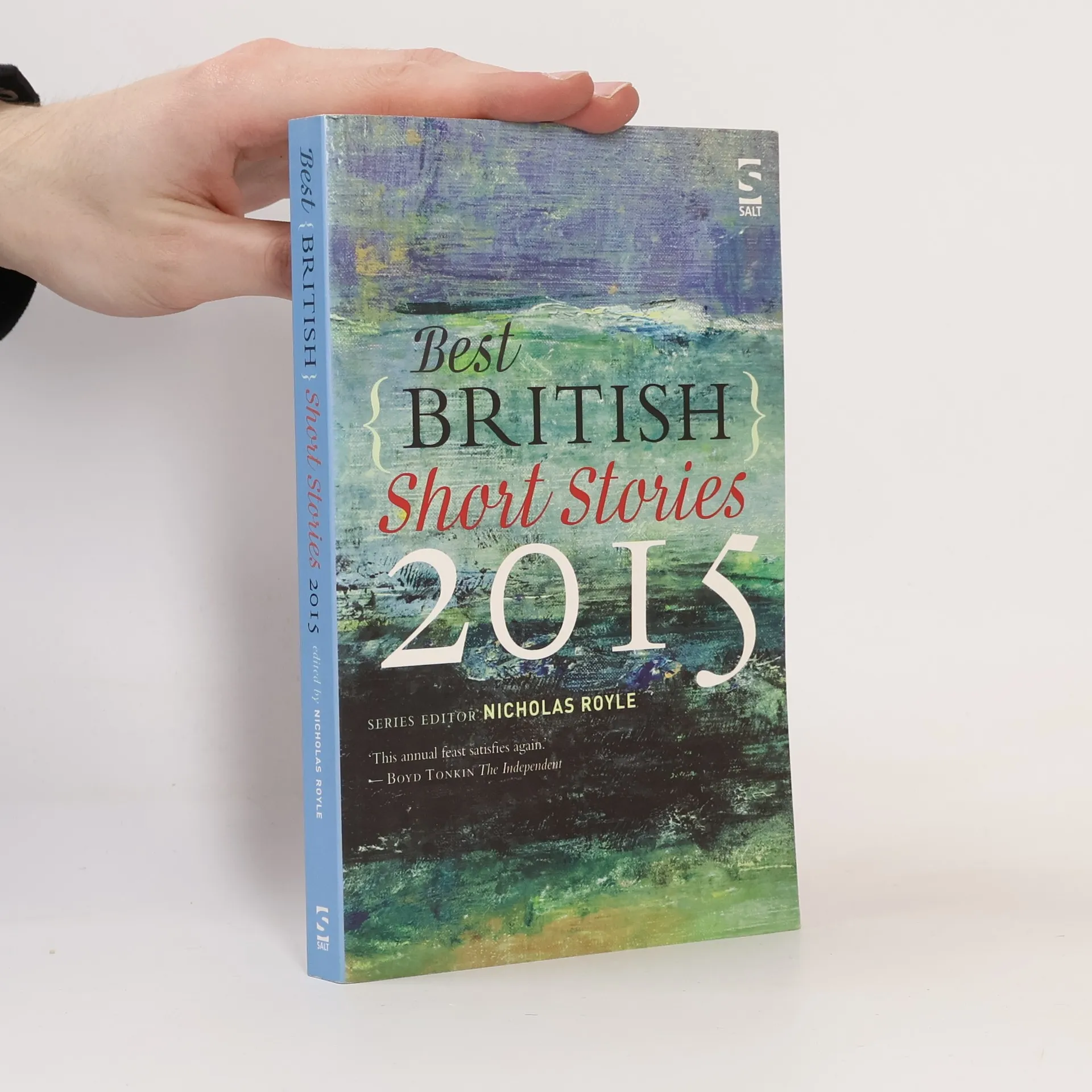
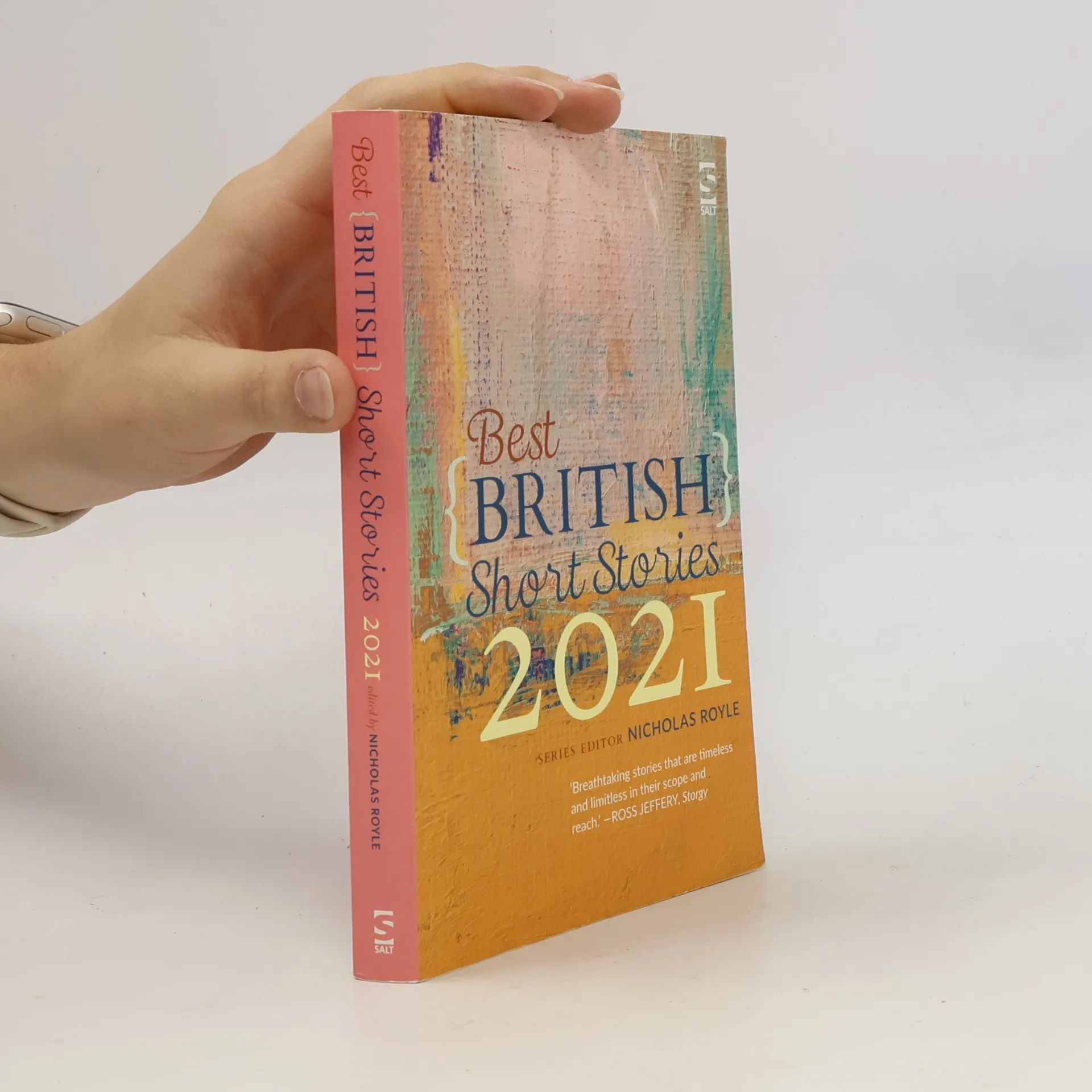
‘There is no more carefully chosen yet eclectic anthology series in existence in Britain today’ —SUSAN HAIGH, The Short ReviewBest British Short Stories invites you to judge a book by its cover – or more accurately, by its title. This new series aims to reprint the best short stories published in the previous calendar year by British writers, whether based in the UK or elsewhere. The editor’s brief is wide ranging, covering anthologies, collections, magazines, newspapers and web sites, looking for the best of the bunch to reprint all in one volume.Featuring: Elizabeth Baines, David Constantine, Ailsa Cox, Claire Dean, Stuart Evers, Jonathan Gibbs, Jay Griffiths, David Grubb, M John Harrison, Vicki Jarrett, Richard Knight, Philip Langeskov, Siân Melangell Dafydd, Anna Metcalfe, Louise Palfreyman, Christopher Priest, Joanne Rush, Mick Scully, Joanna Walsh and Adam Wilmington.
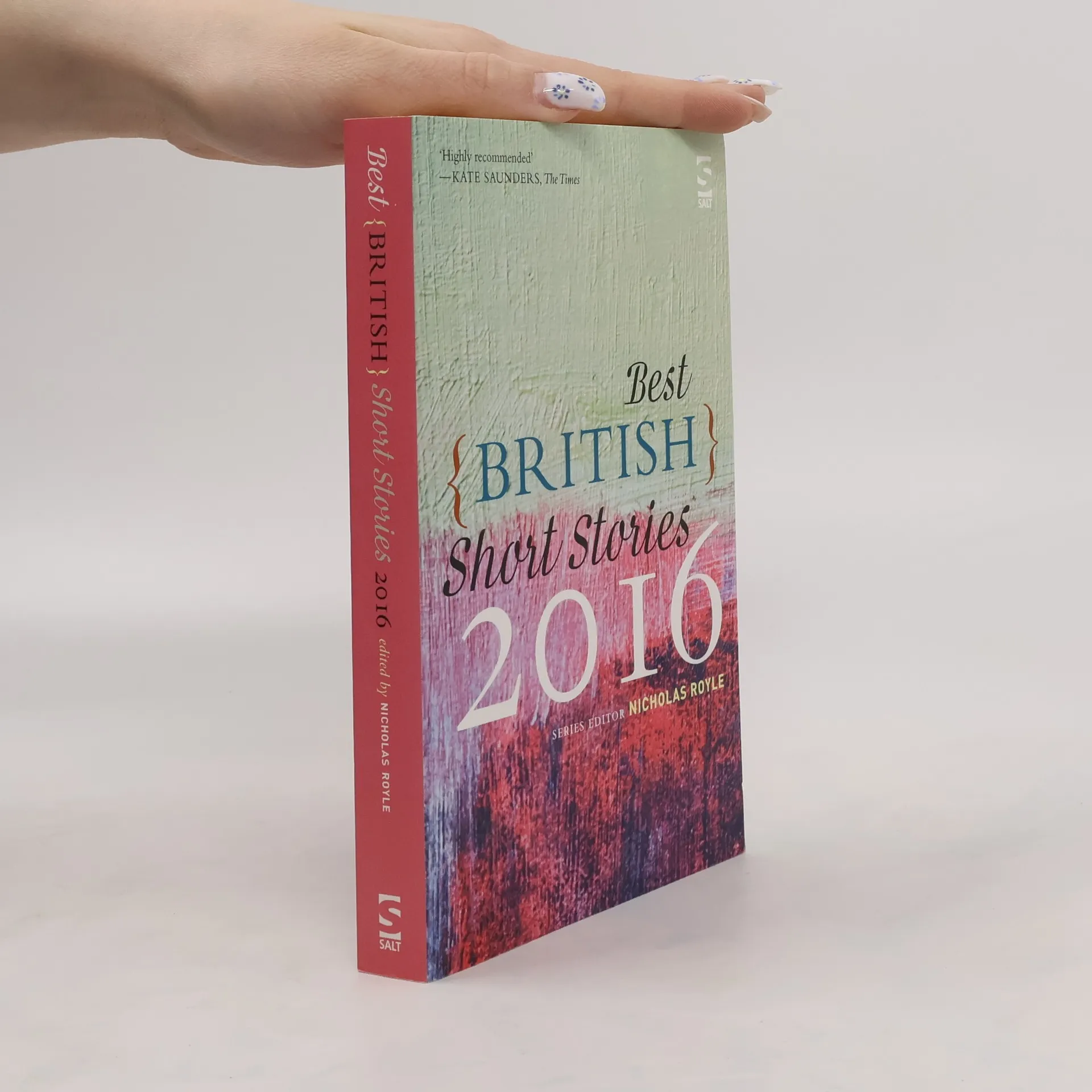
The nationâe(tm)s favourite annual guide to the short story, now in its sixth year.Best British Short Stories invites you to judge a book by its cover âe" or more accurately, by its title. This new series aims to reprint the best short stories published in the previous calendar year by British writers, whether based in the UK or elsewhere. The editorâe(tm)s brief is wide ranging, covering anthologies, collections, magazines, newspapers and web sites, looking for the best of the bunch to reprint all in one volume.This new anthology includes stories by: Claire-Louise Bennett, Neil Campbell, Crista Ermiya, Stuart Evers, Trevor Fevin, David Gaffney, Janice Galloway, Jessie Greengrass, Kate Hendry, Thomas McMullan, Graham Mort, Ian Parkinson, Tony Peake, Alex Preston, Leone Ross, John Saul, Colette Sensier, Robert Sheppard, DJ Taylor, Greg Thorpe and Mark Valentine.
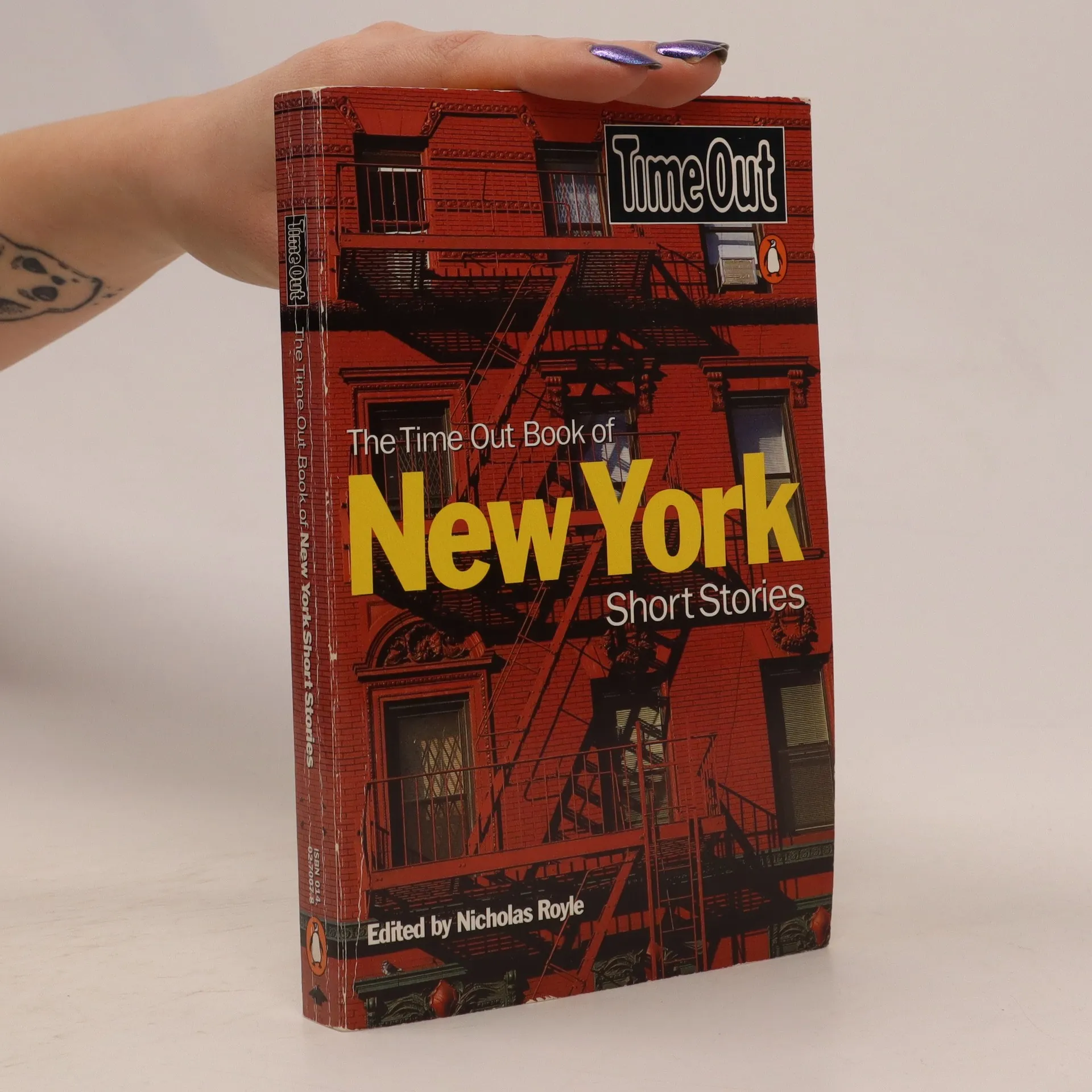
Cutting-edge writers--both American and British--lead readers through the BigApple in this collection of 23 stories culled from the pages of "Time Out NewYork" magazine.
"Hilary Mantel and Helen Simpson feature in the nation's favourite annual guide to the short story, now in its fifth year ..." Best British Short Stories invites you to judge a book by its cover - or more accurately, by its title. This new series aims to reprint the best short stories published in the previous calendar year by British writers, whether based in the UK or elsewhere. The editor's brief is wide ranging, covering anthologies, collections, magazines, newspapers and web sites, looking for the best of the bunch to reprint all in one volume. Authors include Hilary Mantel, Jenn Ashworth, Helen Simpson, Charles Wilkinson, Rebecca Swirsky, Matthew Sperling, Julianne Pachico, Katherine Orr, Bee Lewis, Uschi Gatward, Emma Cleary and Neil Campbell
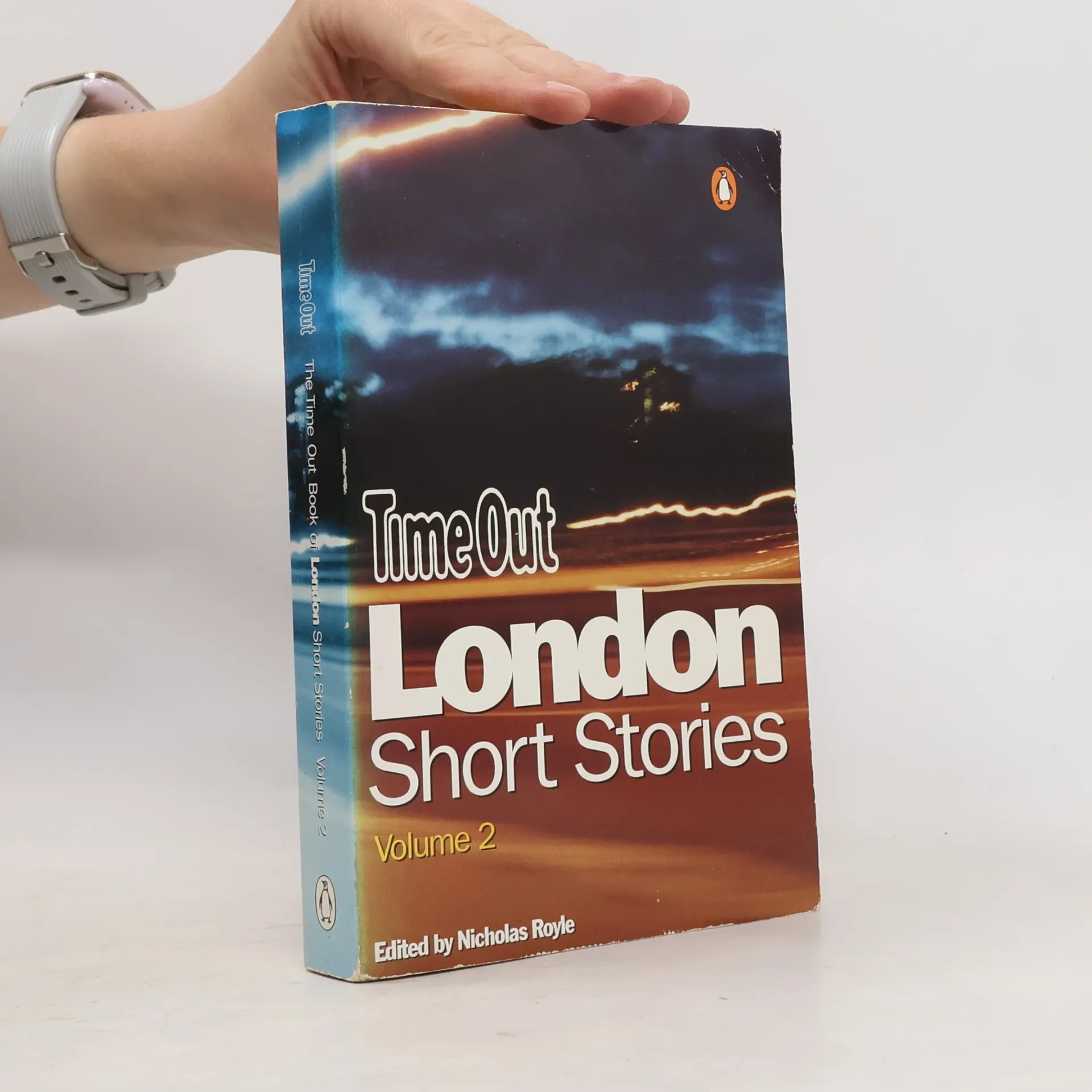
This second edition is packed with literary stars and exciting new voices, including Maureen Freely, lain Sinclair, Kim Newman, Michael Moorcock, Esther Freud, Michele Roberts and Geoff Nicholson.
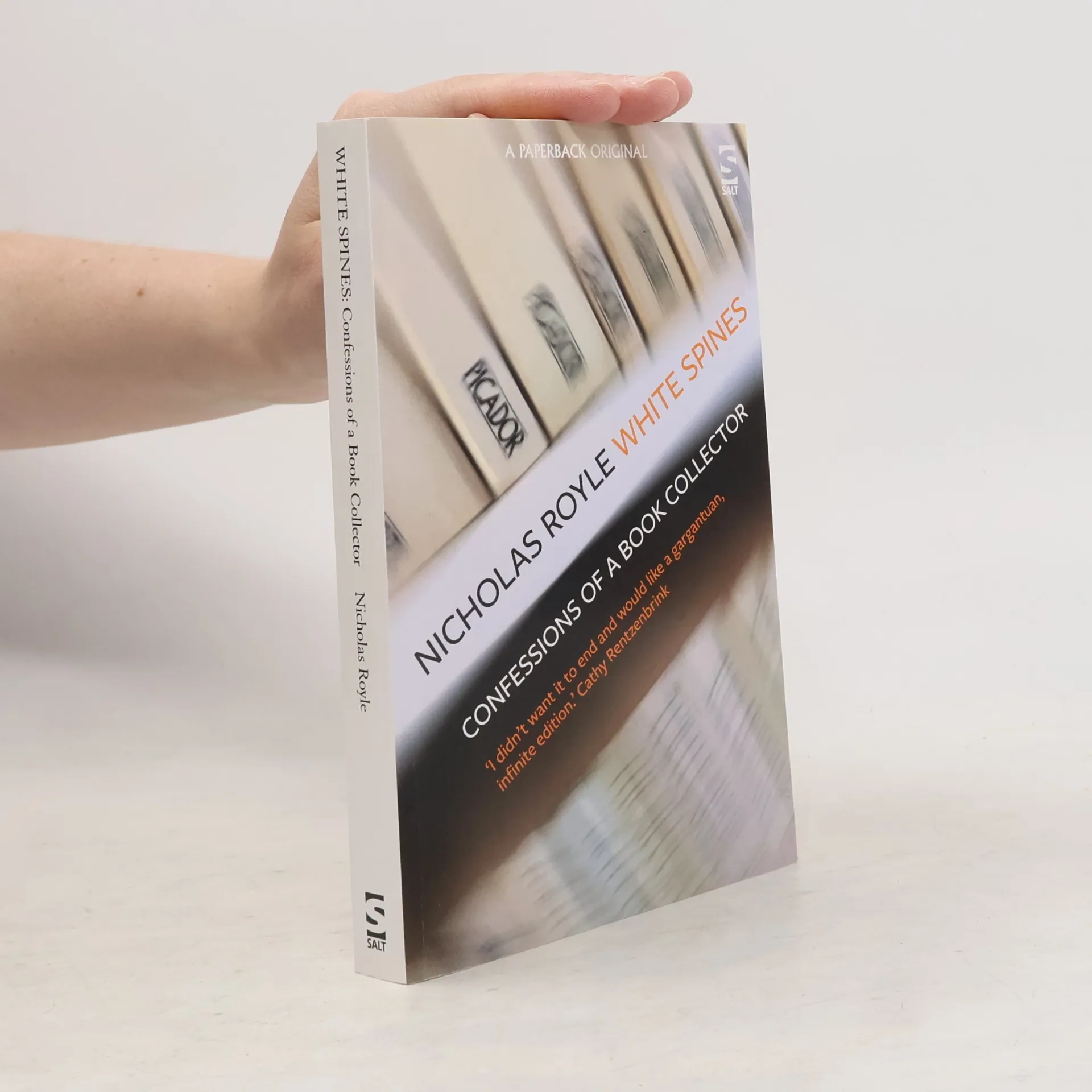
A mix of memoir and narrative non-fiction, White Spines is a book about Nicholas Royle's passion for Picador's fiction publishing from the 1970s to the end of the 1990s.
Best British Short Stories invites you to judge a book by its cover - or more accurately, by its title. This new series aims to reprint the best short stories published in the previous calendar year by British writers, whether based in the UK or elsewhere.
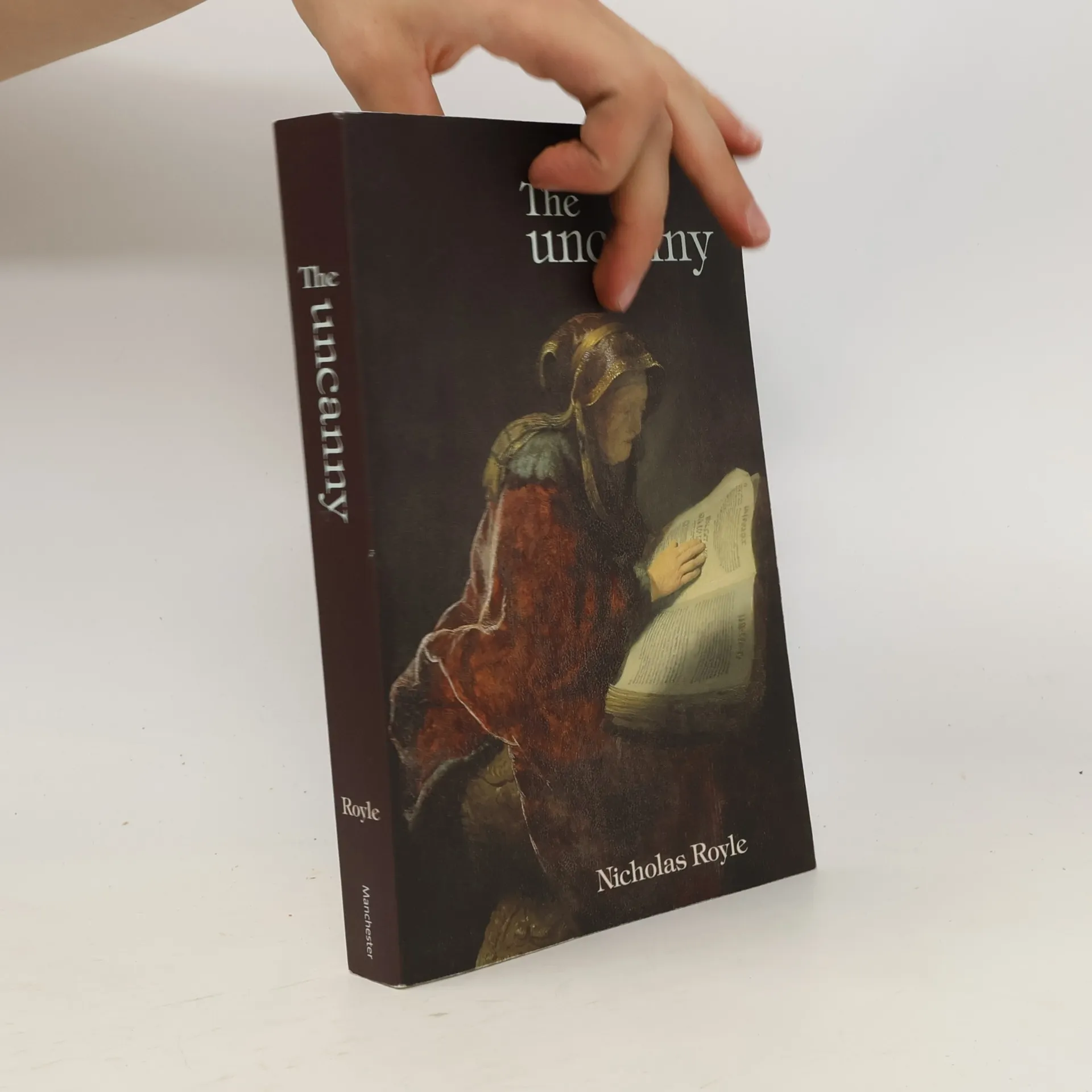
This is the first book-length study of the uncanny, an important topic for contemporary thinking on literature, film, philosophy, psychoanalysis, feminism and queer history. -- . schovat popis
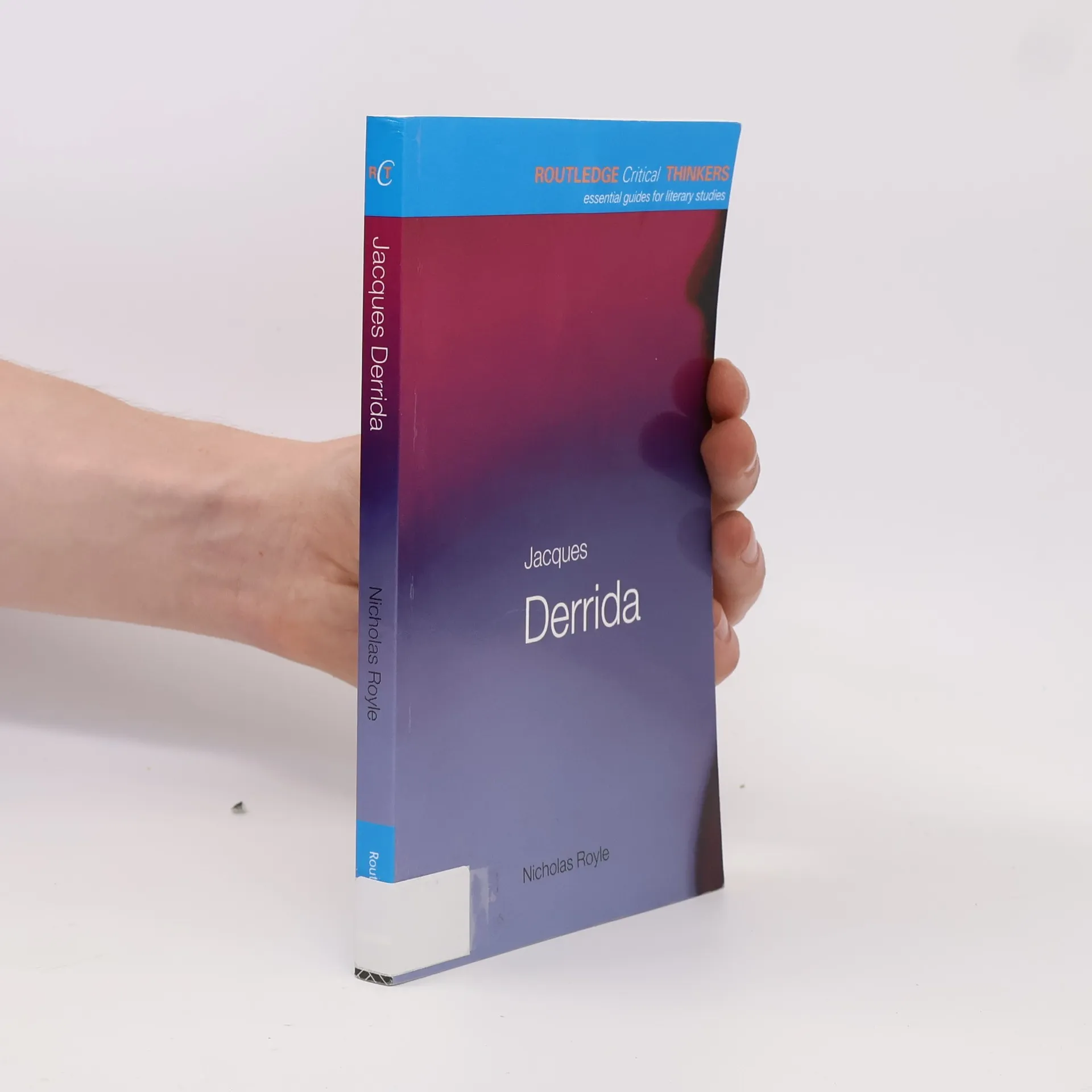
With a special focus on Derrida's relevance for literary and cultural studies, this text offers invaluable advice on reading Derrida's texts and guidance on the vast range of criticism responses to his work. schovat popis
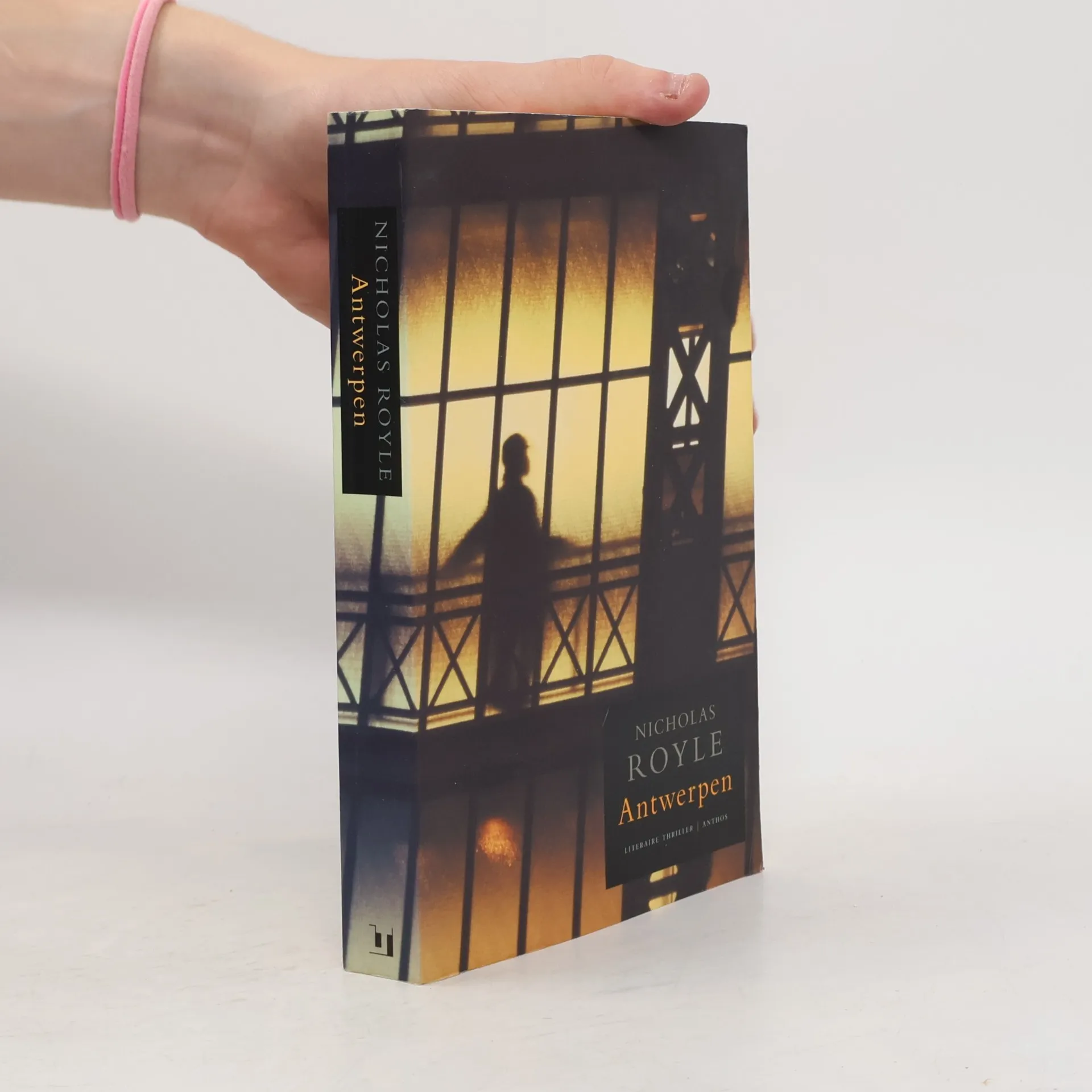
Frank, een Britse filmrecensent, reist naar Antwerpen om Johnny Vos te interviewen. Vos is een onafhankelijke Amerikaanse filmregisseur die een film maakt over het leven van Paul Delvaux, een kunstenaar beroemd om zijn slapende naakten. Door de gruwelijke, vrouwonvriendelijke stijl van filmen is Johnny Vos aanleiding tot ruzies tussen Frank en zijn vriendin Sian die hem achterna is gereisd. Hoewel Sian het werk van Vos verafschuwt ontstaat er een curieuze haat-liefde verhouding tussen de raadselachtige, afstandelijke regisseur en de jonge vrouw. Algauw raakt Sian betrokken bij de mysterieuze verdwijningen van een aantal prostituees die Johnny Vos heeft ingehuurd als figuranten. Als zij zelf ook verdwijnt moet Frank in een race tegen de klok alles op alles zetten om Sian te vinden. Een donkere, literaire thriller die op ingenieuze wijze de film- en kunstwereld, internetporno, prostitutie, de achterbuurten van Antwerpen en de diamanthandel met elkaar verbindt. Nicholas Royle heeft opnieuw een spannende rijk gedetailleerde thriller geschreven.