
Gratisversand in ganz Deutschland!
Bookbot

Friedrich Ehrendorfer

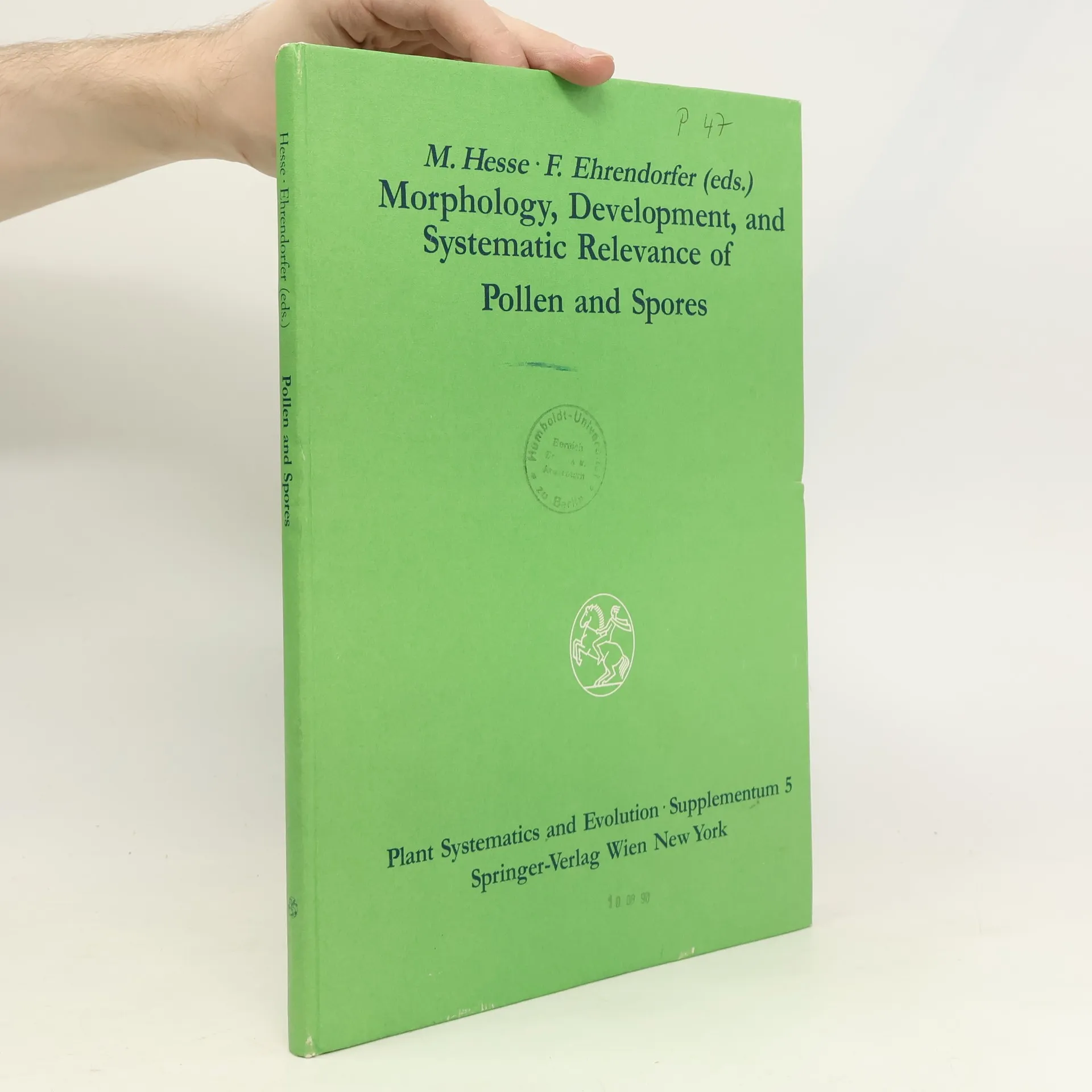
    Morphology, Development, and Systematic Relevance of Pollen and Spores
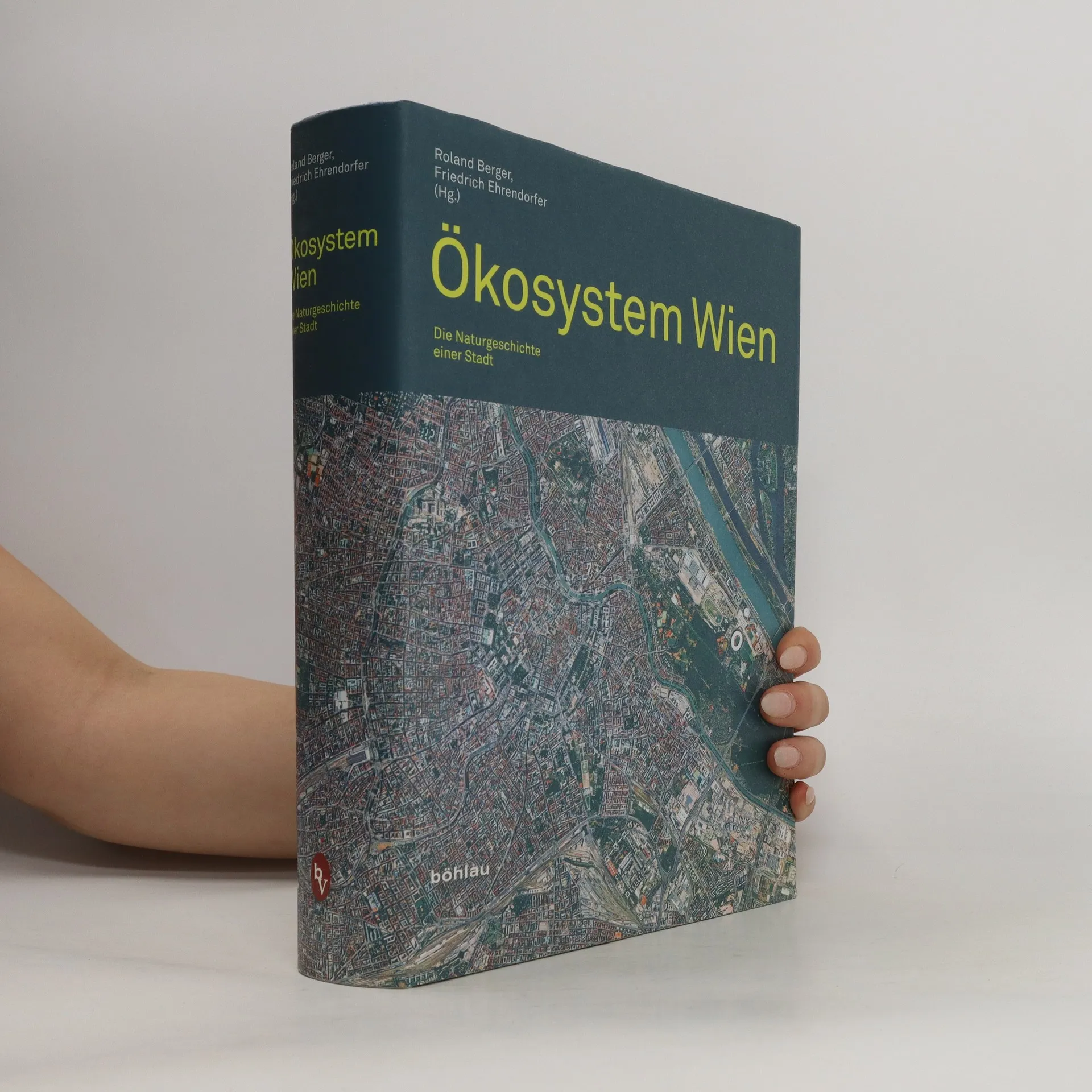
    Ökosystem Wien : die Naturgeschichte einer Stadt
    • Wien bemüht sich zu Recht, eine „grüne Musterstadt“ zu werden. Von ihren natürlichen Voraussetzungen her ist diese Stadt in einzigartiger Weise begünstigt wie kaum eine andere europäische Metropole. Gelegen am Schnittpunkt mehrerer Großlandschaften, hat sich der Wiener Raum zu einer Drehscheibe von Faunen und Floren aus Süd und Nord, West und Ost entwickelt. Das Hauptanliegen von „Ökosystem Wien - Naturgeschichte einer Stadt“ ist es, die Kräfte und Zusammenhänge anschaulich zu machen, die seit Jahrtausenden zu der ökologischen Sonderstellung dieser Stadt geführt haben. Zugleich soll der Blick geöffnet werden für die unterschiedlichen Landschaften und Ökosysteme, die hier aufeinandertreffen. Zu sehen, was vor den Augen liegt, ist eine in der urbanen Gesellschaft nicht selbstverständliche Fähigkeit. Sie ist heute jedoch notwendiger denn je, wenn wir das einzigartige Naturerbe des Wiener Raumes erhalten wollen.

      Ökosystem Wien : die Naturgeschichte einer Stadt
    • Palynology, the science of fossil and recent spores/pollen grains, is of high importance, both in many pure and applied fields of the natural sciences (e.g. in botany, geology, climatology, archeology and medicine). It is not only an auxiliary science, but can certainly stand for itself. The "classical" palynology subjects, pollen morphology and systematics, are at present influenced by many modern approaches, e.g. from cell biology, analytical electron microscopy, morphometry, up to com- puter-aided-design of threedimensional reconstruction. In recent years fascinating informations have come to light, and new insights have given rise to changing scientific concepts. During the XIV International Botanical Congress, held in Berlin in 1987, a symposium was devoted to important topics of (actuo)palynology. Nine of its innovative, major contributions are presented in this volume. They cover the comparative morphology and the systematic/evolutionary significance of pollen/spores in critical taxa, aspects of pollen development (cytoskeleton), the substructure of sporopollenin, homologies between wall strata of ferns, gymnosperms and angiosperms, and important (but so far underrated) physical aspects of harmomegathy and pollen transport (fluid versus solid mechanics).

      Morphology, Development, and Systematic Relevance of Pollen and Spores