The exhibition, which will display more than 100 works by the artist, will deepen Picasso's production immediately after the Italian experience, documenting the long-term impact of this trip on its formation: from the neoclassical suggestions inspired by ancient sculpture to the Roman Renaissance, until the discovery of Pompeii's parietal painting.
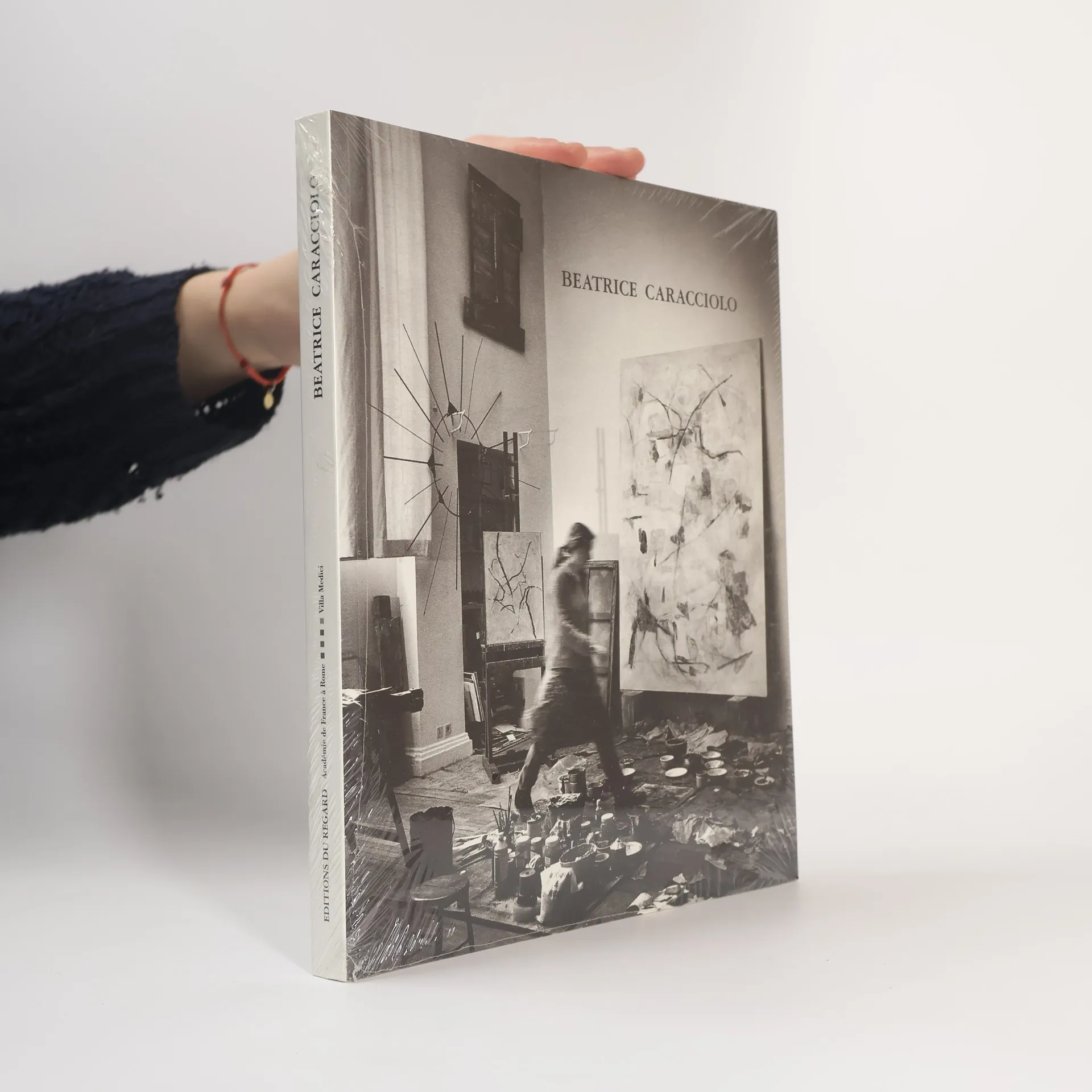
En quarante ans de carrière, il m’a souvent été donné l’occasion de soutenir des expositions, mais jamais je n’avais su trouver autant de liens qui peuvent unir un artiste et un lieu à notre maison. Des origines italiennes à sa vie parisienne, l’artiste est comme Zilli, bercé entre deux cultures qui ont façonné l’histoire de l’art. Du passé glorieux des Médicis, Lyon en a gardé une trace indéfectible, par le mariage de Henri IV à Marie de Médicis ; Lyon, berceau de Zilli. Je suis très fier d’apporter mon soutien à la rétrospective des étapes essentielles de la carrière de Beatrice Caraccciolo, et c’est aussi un hommage que je rends aux femmes italiennes qui ont guidé mes pas, ma mère et mon épouse Roberta.
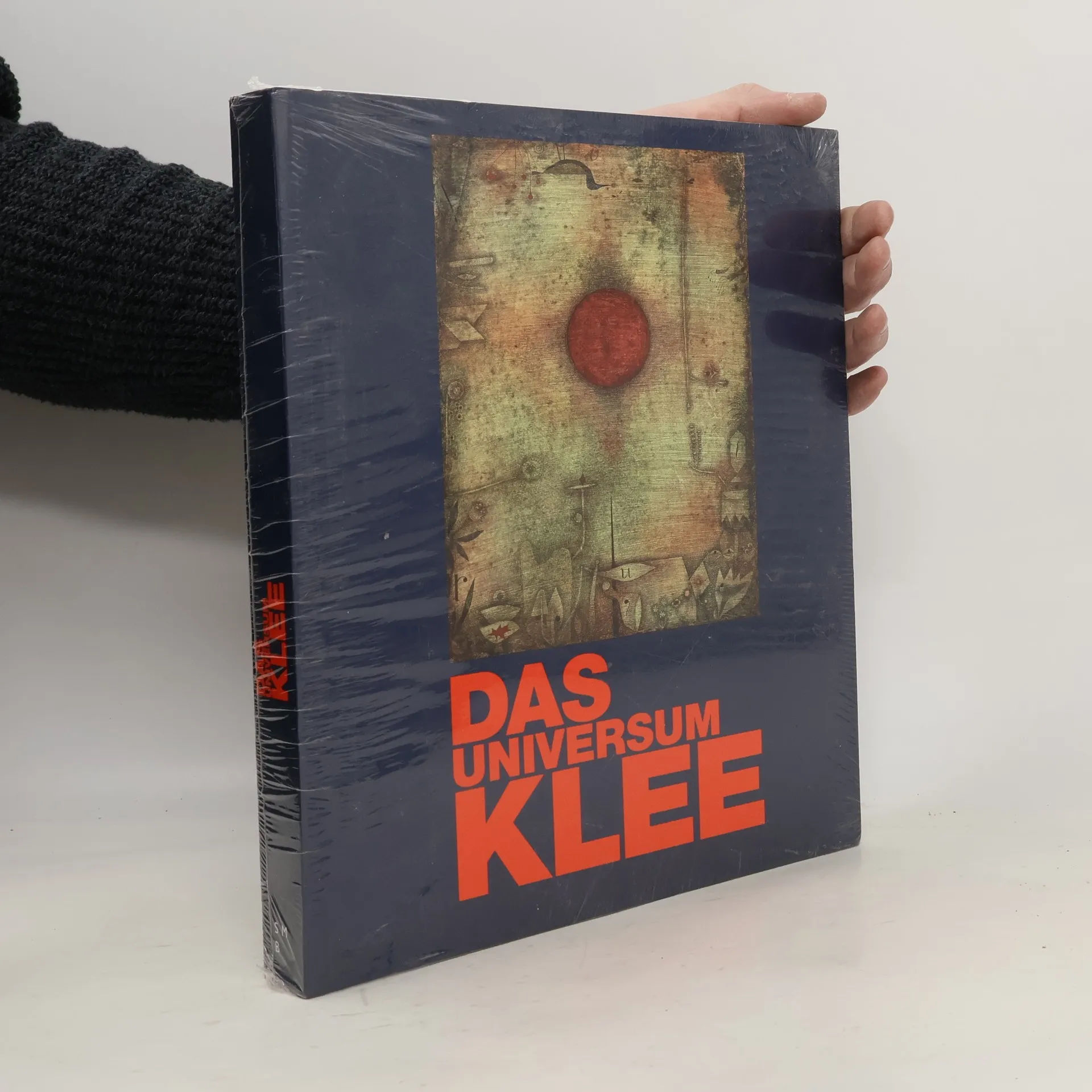
Mit seiner sehr individuellen, jedoch zugleich universalen Bildsprache zählt Paul Klee (1879–1940) zu den bedeutendsten Künstlern des 20. Jahrhunderts. Schon 1901 war für ihn klar: »Ein guter Künstler will ich werden.« Der Band führt anhand von mehr als 200 Werken die visionär-poetischen Bildwelten Klees vor Augen, die das Abstrakte und das Figürliche auf einmalige Weise verschmelzen. Klees Œuvre wird in thematischen Einheiten vorgestellt: Der Lebenszyklus des Menschen – von Geburt und Kindheit über Eros und Elternrolle bis hin zum Tod – ebenso wie seine kulturellen Ausdrucksformen in Musik, Theater und Religion und seine Umwelt mit Pflanzen, Tieren und Landschaften. Klees Kosmos erweist sich als ein Ideen- und Bilderkreis, der die Gesamtheit der Welt zu erfassen und deuten versucht. In einem detaillierten Essay wird die Klee-Forschung um einen zentralen Aspekt bereichert, indem Paul Klees Auseinandersetzung mit einer Auswahl der wichtigsten Künstler seiner Zeit analysiert wird.
There are artists who observe the world and those who create their own visionary cosmologies, building personal mythologies through motifs. Paul Klee (1879-1940) exemplified the latter, as reflected in his aphorism, "Art does not reproduce the visible, rather it makes visible." His work is explored through this lens. In 1906, Klee declared, "All will be Klee," and by 1911, he began cataloging his creations, which would eventually exceed 9,000 items by his death. This book presents Klee's oeuvre as a cohesive whole, organized thematically around the human life cycle—from birth and childhood to desire, parenthood, and death—as well as music, architecture, theater, religion, plants, animals, landscapes, and darker themes like war and fear. It reimagines Klee as a Renaissance man, showcasing his extensive knowledge and the coherent system of ideas and images within his work. Klee, born and died in Switzerland without ever obtaining citizenship, held German nationality and taught at the Bauhaus from 1921 to 1926, alongside notable contemporaries. His art was infamously included in the Nazi's 1937 exhibition of "degenerate art."
Picasso entdeckte bereits in frühen Jahren das Theater als Inspirationsquelle und Motivlieferant für seine Kunst. Charaktere aus dem Schaubuden- und Volkstheatermilieu und der Commedia dell’Arte, wie der Harlekin und der Pierrot, spielten dabei eine Schlüsselrolle. Die traurigen Spaßmacher wurden zu emotionsgeladenen Identifikationsfiguren des Künstlers. Picassos Faszination für das Theater spiegelt sich jedoch nicht nur in der Motivik unzähliger Gemälde und Zeichnungen wider. Ab 1917 begann er eine intensive Zusammenarbeit mit Diaghilevs Ballets Russes, für die er berühmte Bühnenbilder und Kostüme schuf. Dieses künstlerische Engagement für die Bühne erwies sich als außerordentlich fruchtbares Experimentierfeld, das im malerischen und bildhauerischen Werk seinen Niederschlag fand. Die Publikation zeigt anhand von über 80 Werken von 1900 bis 1930, wie leidenschaftlich der Universalkünstler dem Theater verbunden war. Ausstellung: Schirn Kunsthalle Frankfurt/Main 21.10.2006–21.1.2007
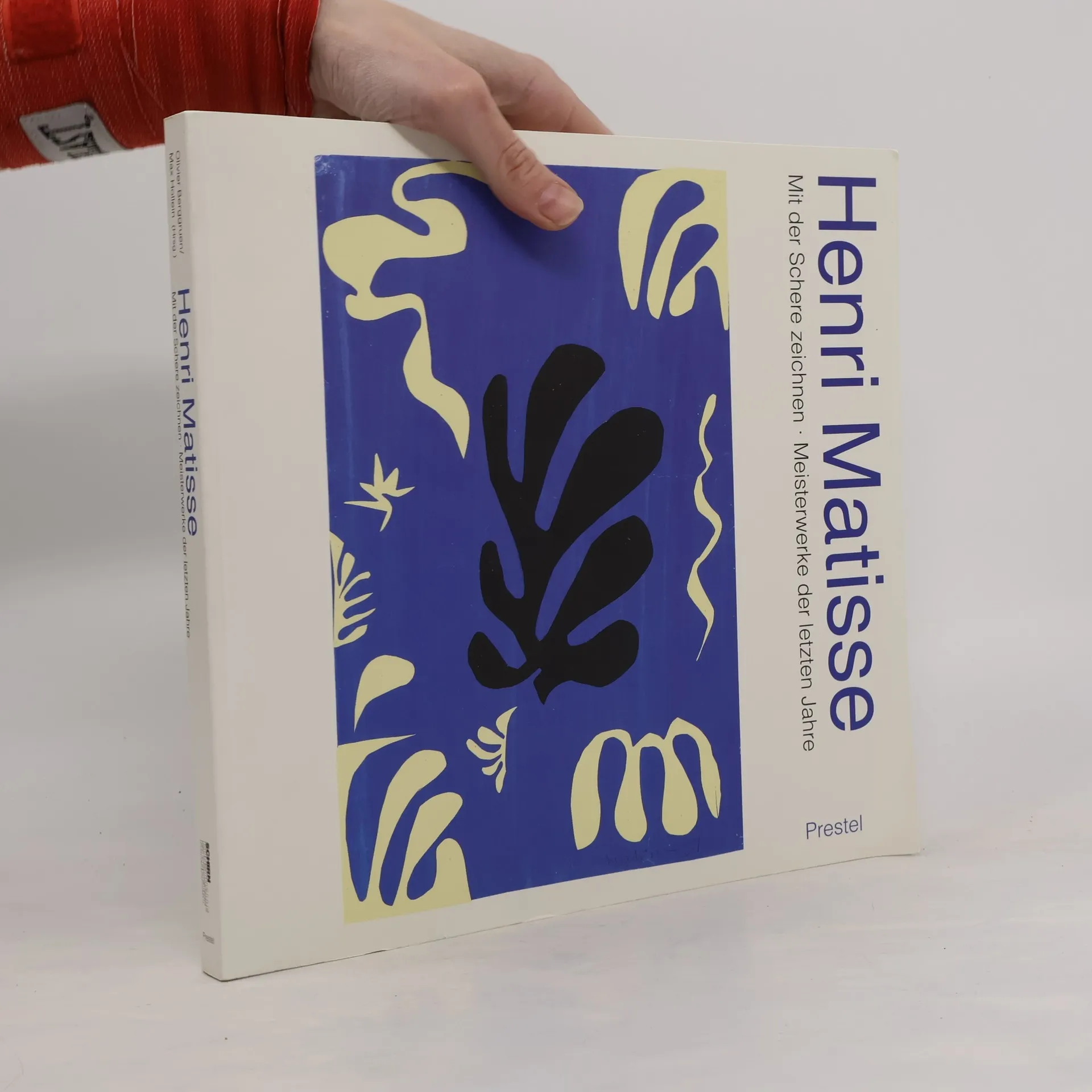
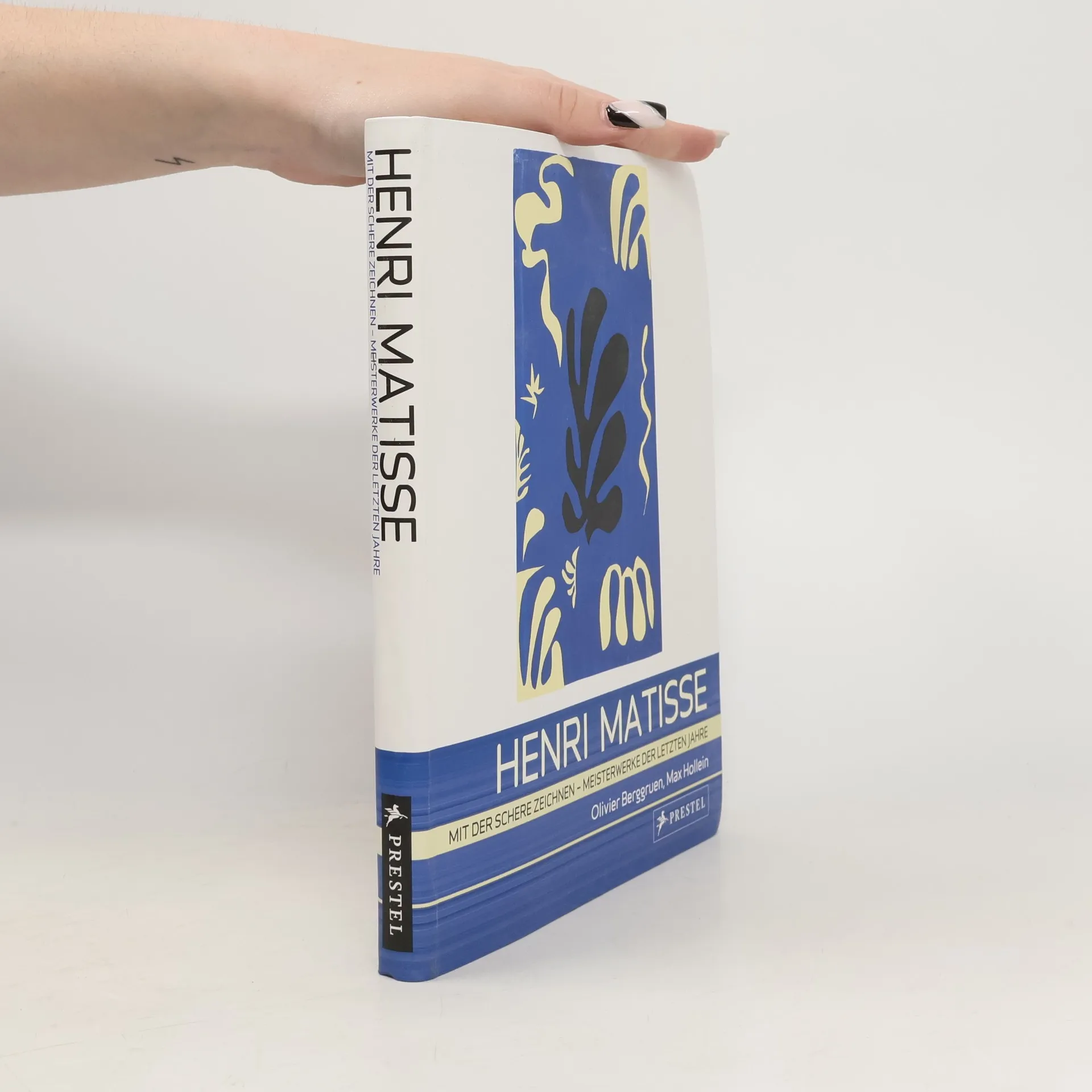
Im Mittelpunkt dieses Buches stehen eines der bedeutendsten Werke von Matisse sowie seine letzten künstlerischen Schöpfungen. Es bietet eine fundierte Auseinandersetzung mit dieser wichtigen Schaffensperiode und enthält Essays sowie Reproduktionen, die einen tiefen Einblick in Matisse' Kunst und seine Entwicklung geben.
Mit der Schere zeichnen; Meisterwerke der letzten Jahre - [anlässlich der Ausstellung 'Henri Matisse - Mit der Schere Zeichnen. Meisterwerke der letzten Jahre' in der Schirn-Kunsthalle Frankfurt, 20. Dezember 2002 - 2. März 2003, und in den Staatlichen Museen zu Berlin, Nationalgalerie, Sammlung Berggruen, 13. März - 25. Mai 2003]