
Gratis Versand ab 14,99 €. Mehr Infos.
Bookbot

Malalai Joya

    25. April 1978

    Malalai Joya ist eine afghanische Aktivistin und Schriftstellerin, die für ihr unerschütterliches Engagement gegen Korruption und Gewalt bekannt ist. Als Parlamentsabgeordnete prangerte sie furchtlos die Anwesenheit von Warlords und Kriegsverbrechern an, was zu ihrer Entlassung führte. Ihre offene Kritik an der afghanischen Regierung und ihren internationalen Verbündeten hat sie zu einer prominenten Stimme für Menschenrechte gemacht. Joyas Mut angesichts von Widrigkeiten unterstreicht ihr Engagement für Gerechtigkeit und Frieden.

    Moving the Bar
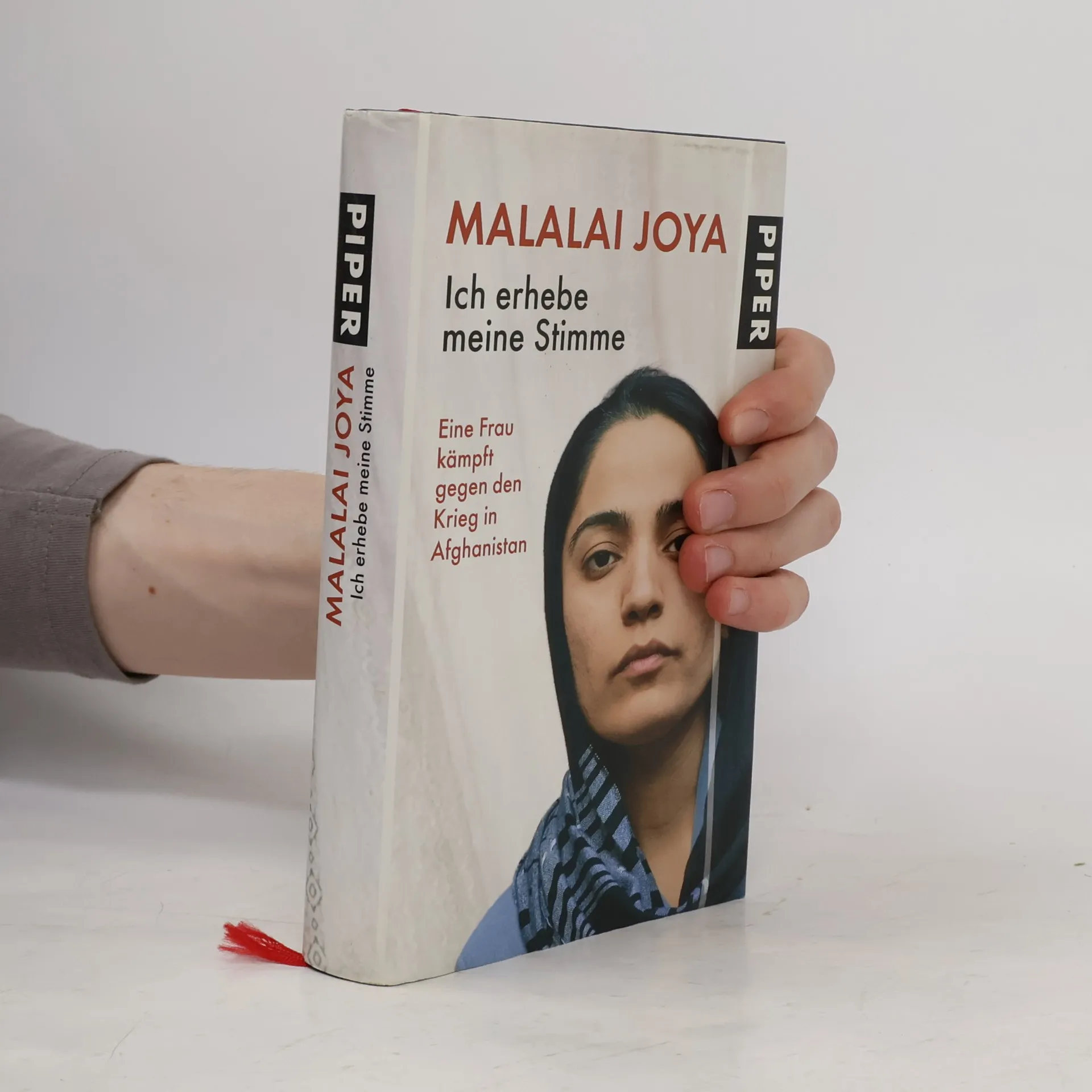
    Ich erhebe meine Stimme
    • Was für eine mutige Frau! Malalai Joya ist erst 30 Jahre alt und doch schon das Vorbild für Millionen von Frauen. Sie war es, die als Abgeordnete des ersten demokratischen Parlaments in Afghanistan den regierenden Kriegsherren dort persönlich entgegentrat und ihnen ihre Verbrechen vorhielt. Vier Attentate hat sie seitdem überlebt, aber sie gibt nicht nach. Natürlich nicht – bei ihrem Lebensweg: Schon ihr Vater, ein Arzt, kämpfte gegen die sowjetischen Invasoren. Sie wuchs deshalb in Pakistan, von der Familie getrennt, in einem Flüchtlingslager auf. Nach ihrer Rückkehr ließ sie sich zur Sozialarbeiterin ausbilden und baute eine Organisation zur Förderung und Weiter-bildung von Frauen mit auf. Sie kämpfte weiter gegen die mörderischen Taliban und lebte deshalb im Untergrund.

      Ich erhebe meine Stimme
      4,1
    • Moving the Bar

      • 366 Seiten
      • 13 Lesestunden

      Michael Ratner (1943–2016) was one of America’s leading human rights lawyers. He worked for more than four decades at the Center for Constitutional Rights (CCR) becoming first the Director of Litigation and then the President of what Alexander Cockburn called “a small band of tigerish people.” He was also the President of the National Lawyers Guild.Ratner handled some of the most significant cases In American history. This book tells why and how he did it.His last case, which he worked on until he died, was representing truth-telling whistleblower and now political prisoner Julian Assange, the editor of WikiLeaks.Ratner “moved the bar” by organizing some 600 lawyers to successfully defend habeas corpus, that is, the ancient right of someone accused of a crime to have a lawyer and to be brought before a judge.Michael had a piece of paper taped on the wall next to his desk at the CCR. It read:4 key principles of being a radical lawyer:1. Do not refuse to take a case just because it is long odds of winning in court.2. Use cases to publicize a radical critique of US policy and to promote revolutionary transformation.3. Combine legal work with political advocacy.4. Love people.Compelling and instructive, Moving the Bar is an indispensable manual for the next generation of activists and their lawyers.

      Moving the Bar
      4,3