Die Geschichte der Architektur
Von der Pyramide zum Wolkenkratzer. Mit 350 Farb-Abbildungen
- 272 Seiten
- 10 Lesestunden




Von der Pyramide zum Wolkenkratzer. Mit 350 Farb-Abbildungen
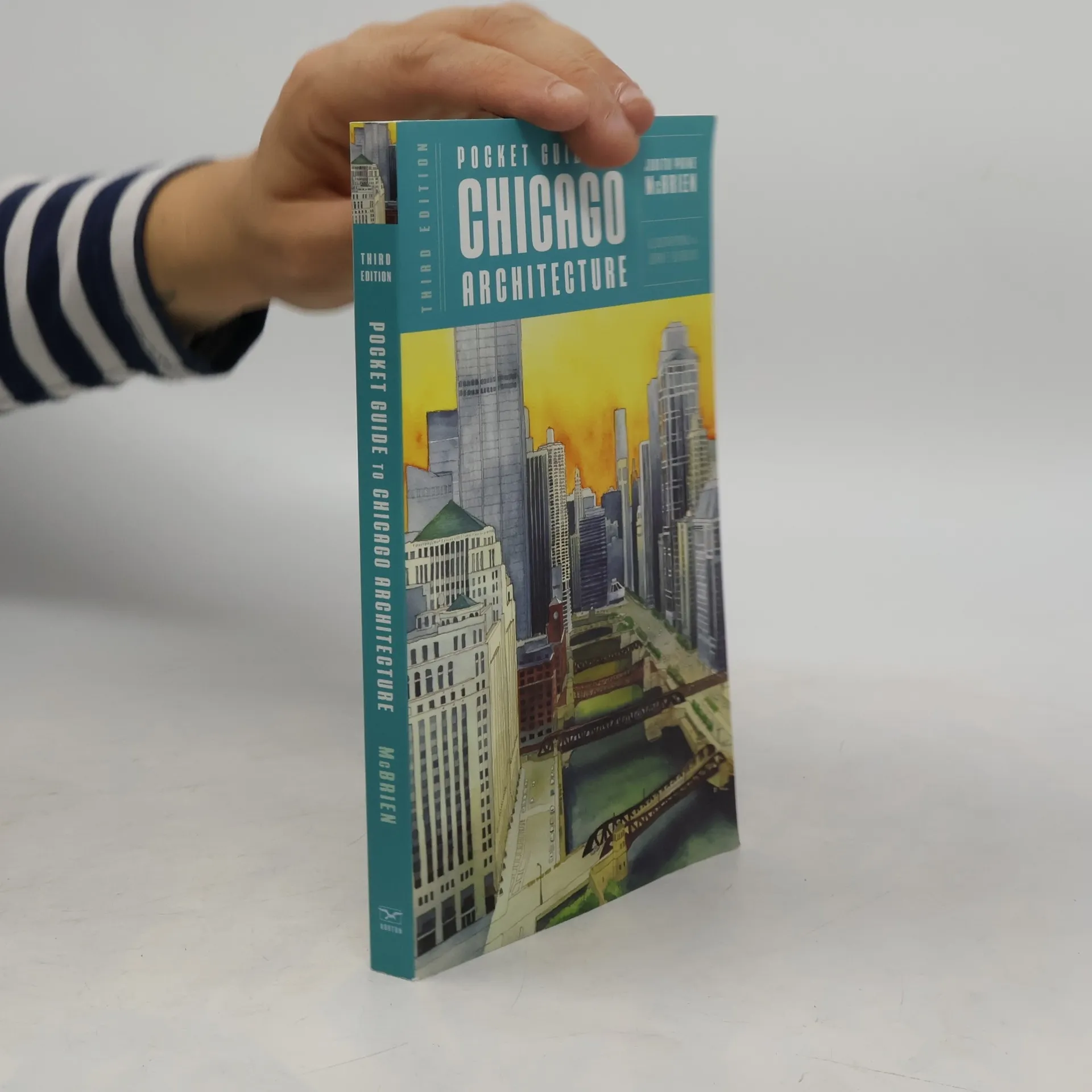
Updated and expanded to chart Chicago’s evolving urban landscape, the third edition of this popular handbook is the perfect companion for self-guided walking tours, as well as an excellent source of information for those wishing to explore the internationally acclaimed architecture of Chicago. Over 100 highlights of the downtown area are covered, with accompanying maps, a glossary of architectural terms, and an index of architects and buildings designed to orient the reader along architectural routes from Michigan Avenue to the Riverfront to the Loop. Also included in this third edition is a fourth section highlighting the city’s diverse campus architecture, from work by Mies van der Rohe and Rem Koolhaas at the Illinois Institute of Technology to the Hyde Park neighborhood of the University of Chicago, where Frank Lloyd Wright’s Robie House stands.
Fifty of the world’s most important buildings seen through specially commissioned isometric illustrations and detailed photographs and plans, providing the perfect introduction to architecture for students and anyone interested in buildings. Taking readers behind architecture’s facades and finishes, this charmingly illustrated book explores how some of the most important buildings in the world were constructed. Specially commissioned isometric drawings present the essential structural elements of the world’s masterpiece buildings that are not visible to the naked eye. These illustrations are displayed alongside plans, details, and photographs, all of which are clear and accessible, yet accurate and elegant enough to satisfy the most discerning eye. This fascinating book explores the thinking and expertise behind architects’ designs and offers a means by which to better understand buildings already visited as well as those on the must-see list. Selections range from domestic structures such as Frank Lloyd Wright’s Fallingwater and skyscrapers such as the Chrysler Building, to iconic classics such as the Louvre and Barcelona’s famed Sagrada Familia Cathedral. The buildings have been chosen for their importance and interest, their role in the development of architectural thinking, and the structural secrets that intricate 3-D drawings can reveal.
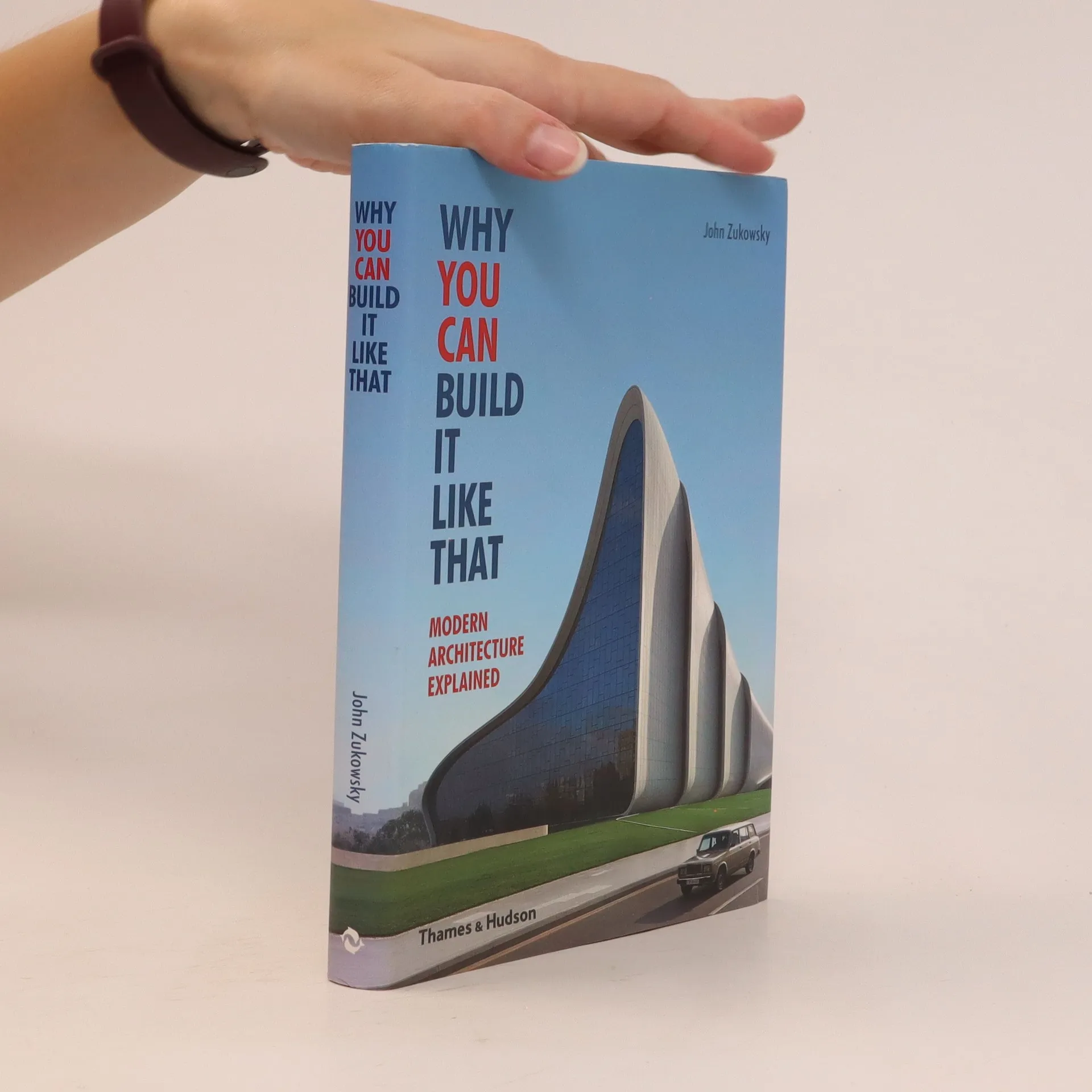
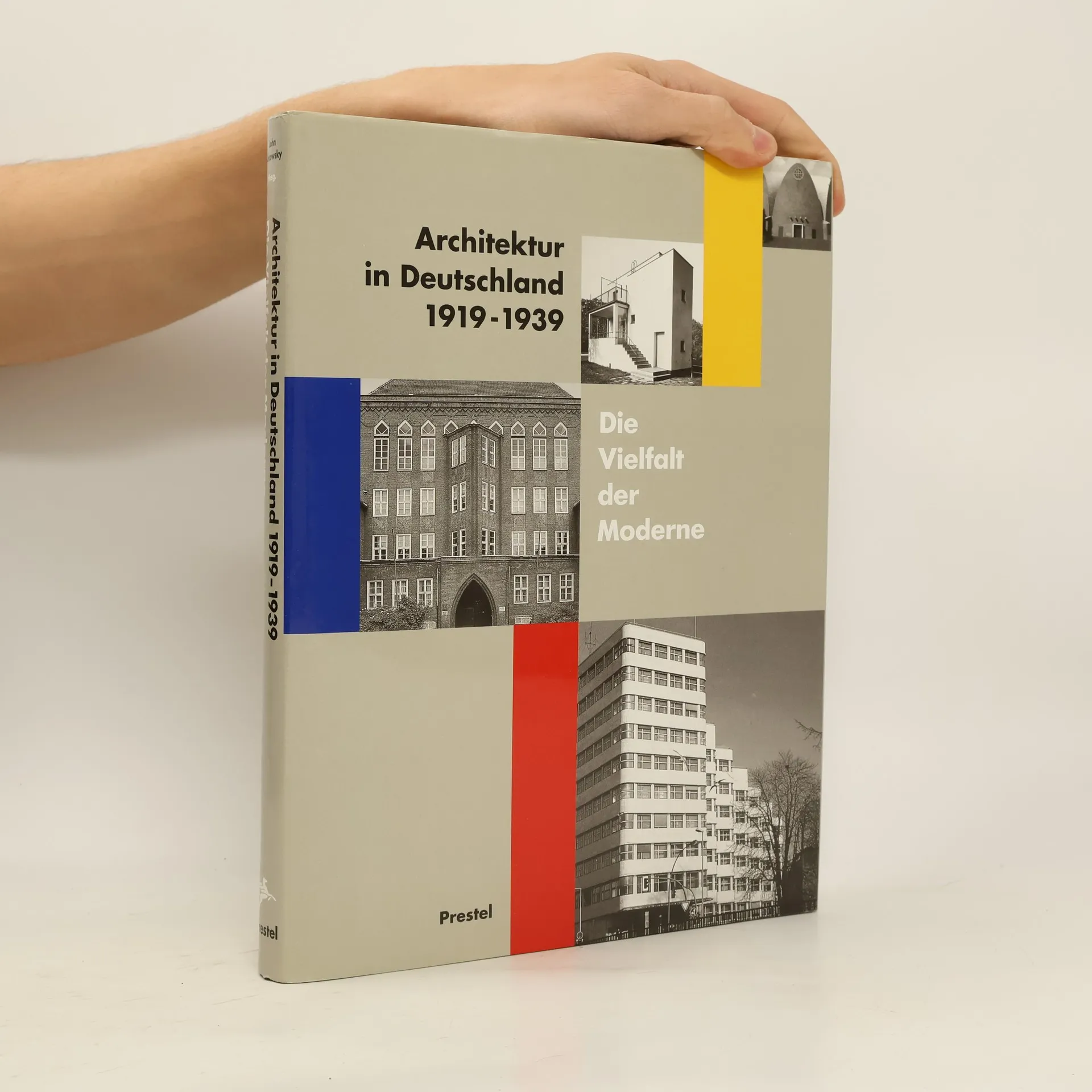
What is the reasoning behind some of the most controversial buildings in the world? In this original and engaging study of iconic and iconoclastic modern architecture from the unusual to the truly avant-garde, John Zukowsky examines the design and purpose of 100 modern buildings and the reaction they provoked when they were built. From the work of such world-renowned architects as Ludwig Mies van der Rohe, Frank Gehry and Zaha Hadid to the maverick creations of Bruce Goff, Shin Takamatsu and Shigeru Ban, extraordinary buildings are part of our everyday lives - but some buildings provoke strong reactions. 'Not in my backyard' is a phrase often heard in the discussion of architecture, but what is it about these buildings that is so controversial? This fascinating study selects 100 iconoclastic buildings that pushed the boundaries of the acceptable when they were built, but have since become revered. It unravels the complex stories behind their construction, placing each building in its cultural context and discussing why it was created and what influence it has had on architectural design. You'll discover why some architects choose to prioritize function over aesthetic appeal - or vice-versa - and why others appear to challenge every accepted architectural value. You'll also learn how many buildings were influenced by global events such as the Space Race, and how others were made possible by timely technological innovation.
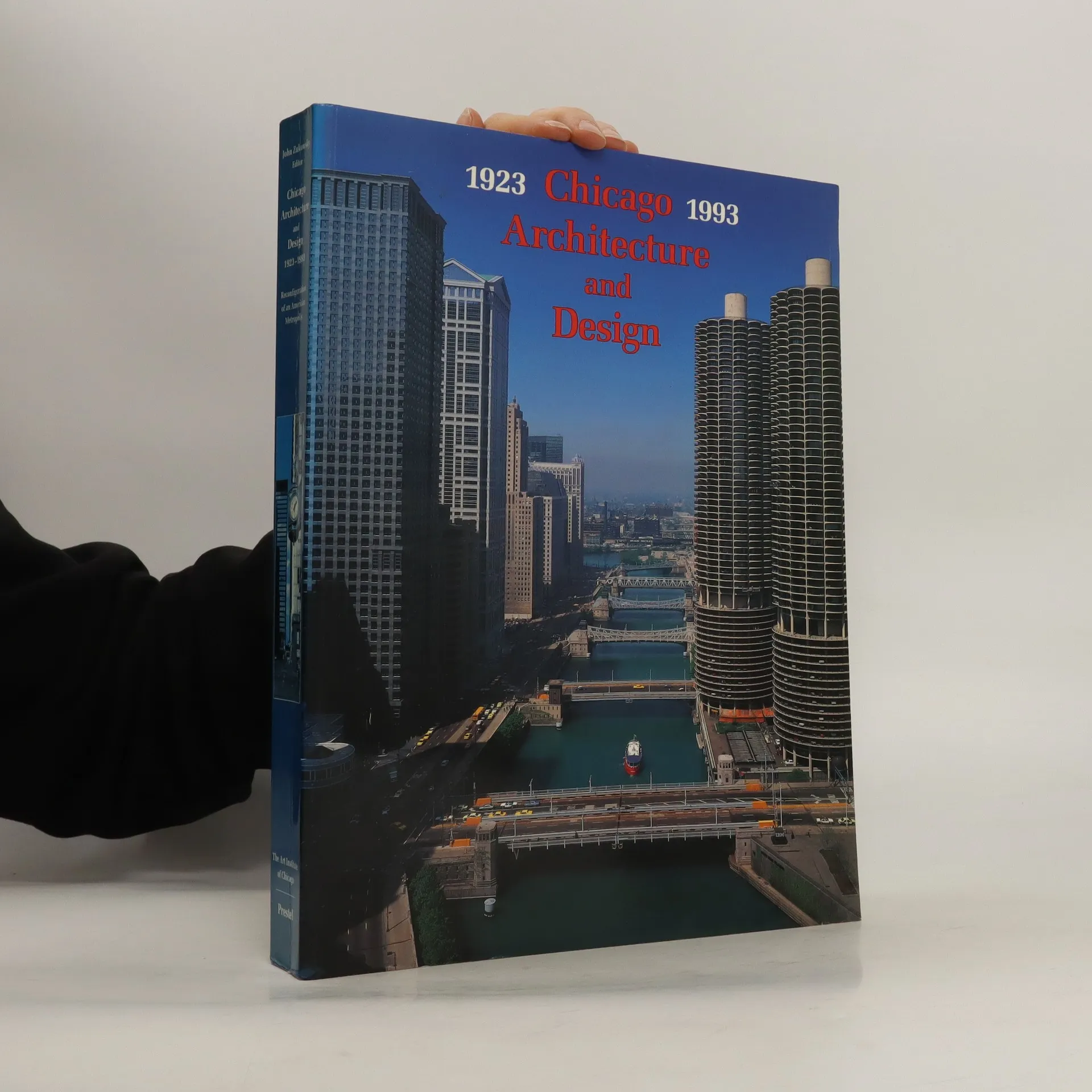
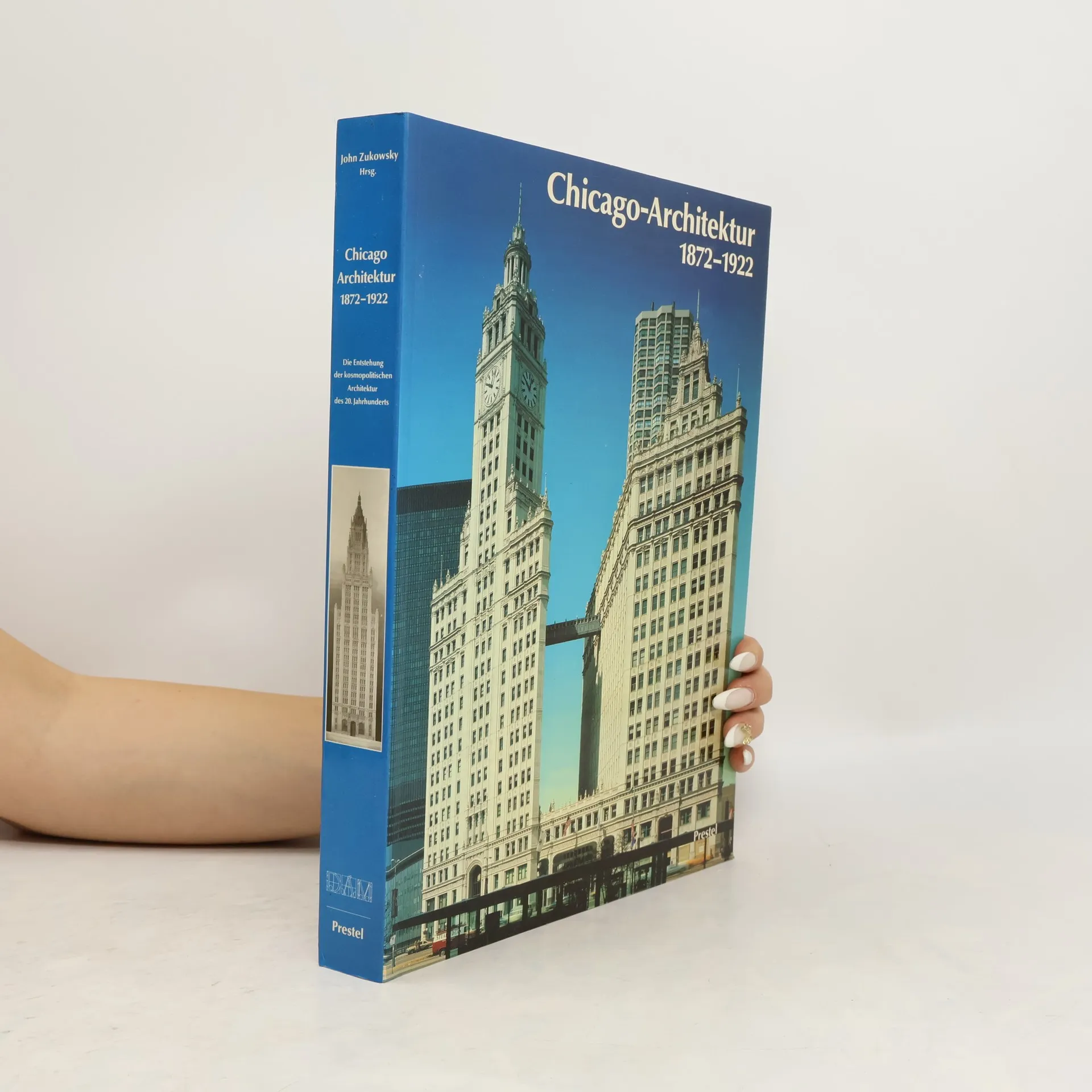
This major volume on Chicago's urban history documents the city's architectural evolution in relation to social and architectural environments before and after the Great Depression and World War II. It identifies significant changes in city planning, land use, and transportation while exploring some of the most exciting architecture in the context of America's political, social, and cultural climate. Featuring over 600 illustrations, including line drawings and specially commissioned photographs of buildings and artifacts, the plates are accompanied by extensive annotations. Seventeen original essays by scholars in various fields, including design history and American studies, provide a panoramic view of the mature twentieth-century city. The book discusses numerous innovations in urban design that have impacted Chicago and other cities worldwide, highlighting key developments such as O'Hare International Airport, Water Tower Place, suburban business centers, iconic skyscrapers like the John Hancock Center and Sears Tower, the 1988 Chicago Public Library competition winner, and the controversial State of Illinois Building. This volume, a sequel to the acclaimed Chicago Architecture, 1872-1922: Birth of a Metropolis, coincides with an exhibition at The Art Institute of Chicago and includes an exhibition checklist, a genealogy of Chicago architects, and biographies of influential architects and planners who shaped the city.
The Drama of Architecture - Edition Axel Menges
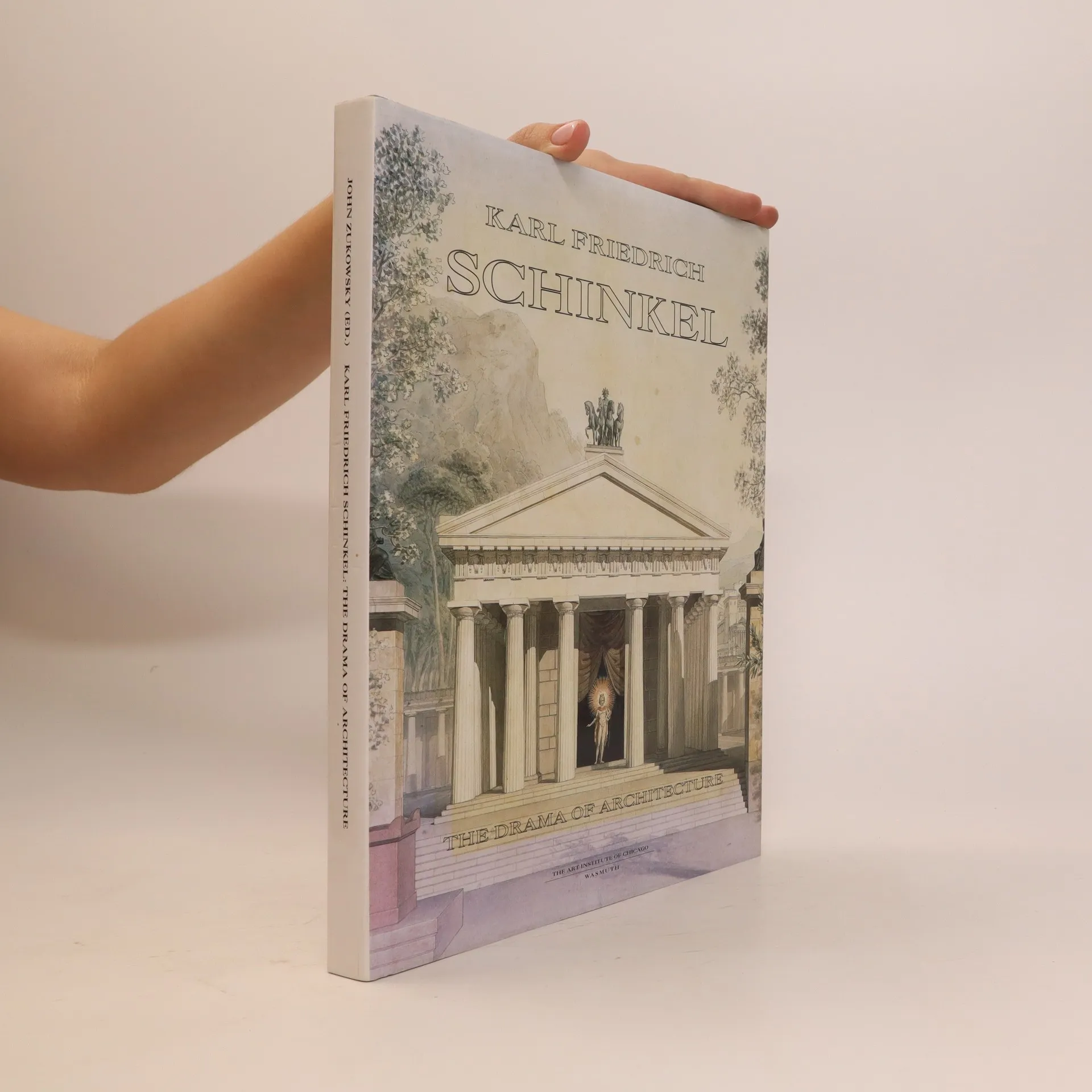
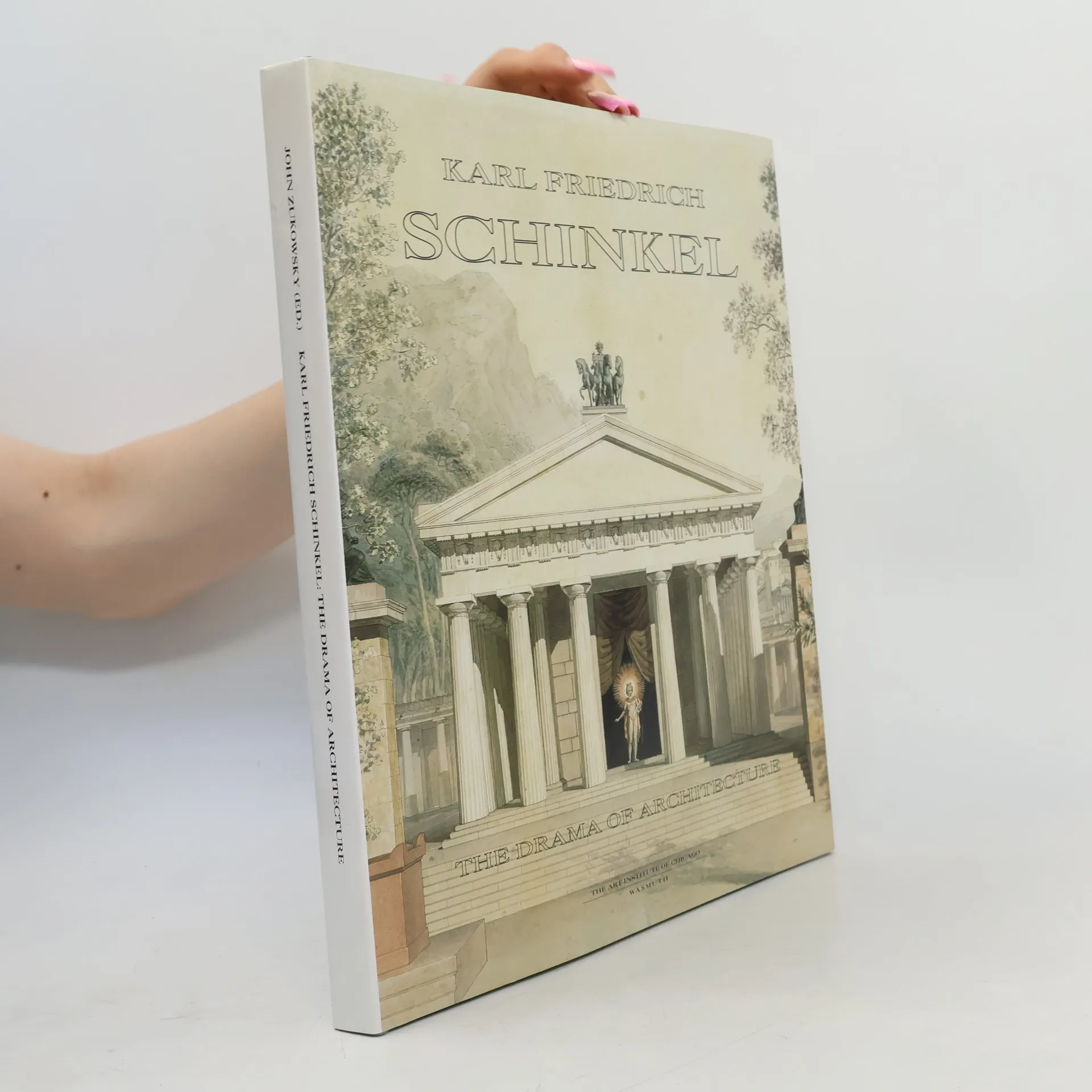
Neoclassicism’s most prominent exponent in Prussia, Karl Friedrich Schinkel is revered today for his reshaping of Berlin as Prussia’s capital, and for catalyzing the Greek Revival in Germany. Most of Berlin’s most famous Neoclassical structures are his doing--the Neue Wache, the Schauspielhaus, the Gendarmenmarkt and the Altes Museum, for example. His Bauakademie of 1836 is even considered by many to foreshadow the austerity and clean lines of German Modernist architecture. But Schinkel is equally revered for his legacy of architectural drawing and unbuilt works, gathered (from the Schinkel archives) herein, making this book the definitive Schinkel primer.