


Gratis Versand ab 16,99 €. Mehr Infos.
Bookbot

Nicholas Wolterstorff

    21. Januar 1932

    Wolterstorff beschäftigt sich mit einem breiten Spektrum philosophischer und theologischer Themen. Seine Schriften umfassen Metaphysik, Ästhetik, politische Philosophie, Erkenntnistheorie und Religionsphilosophie. In seinem umfangreichen Werk erforscht er komplexe Fragen der Existenz und des Glaubens. Sein umfangreiches Schaffen bietet tiefe Einblicke in die menschliche Verfassung und unseren Platz im Universum.

    Nářek pro syna
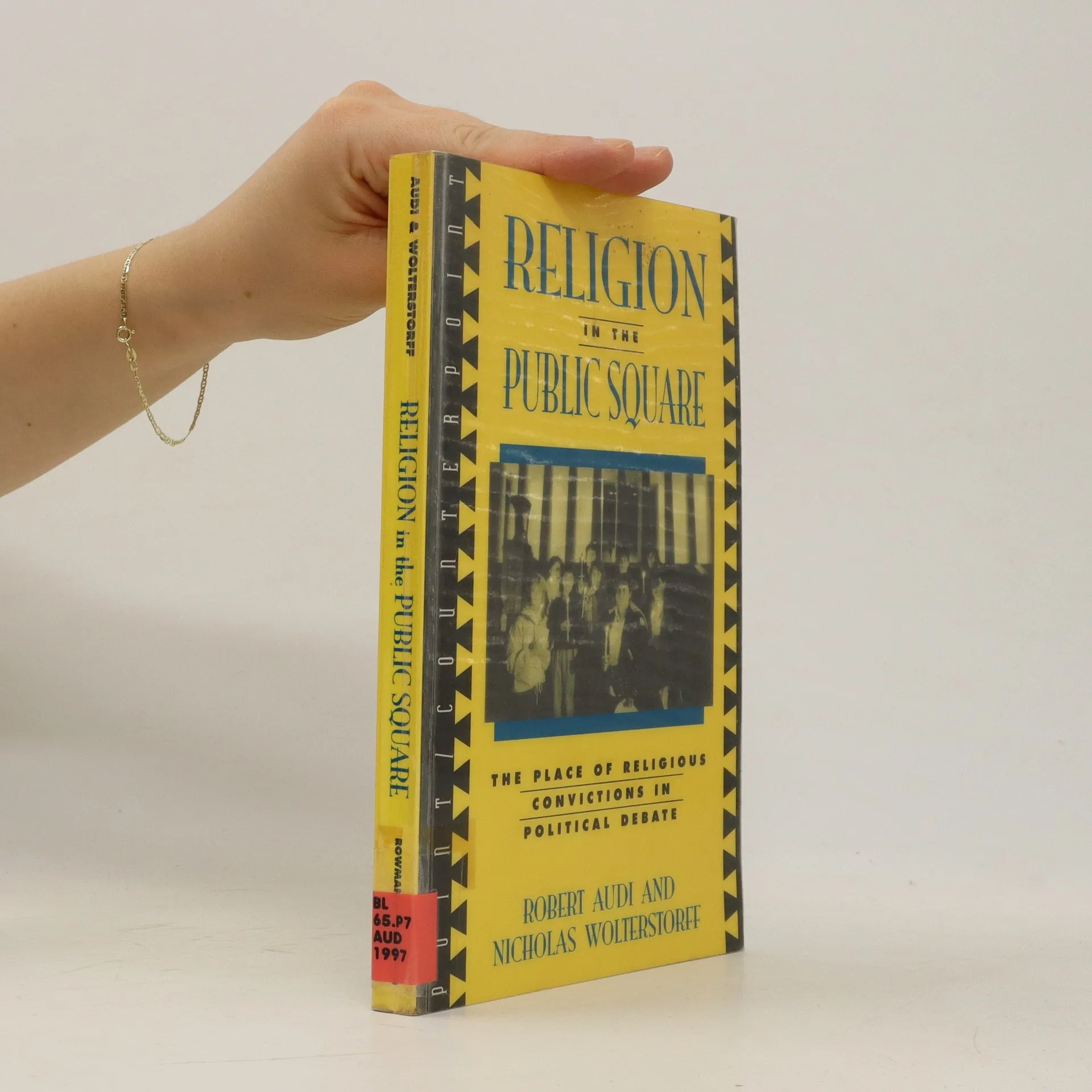
    Religion in the Public Square
    Living with Grief
    • Living with Grief

      • 114 Seiten
      • 4 Lesestunden

      The author shares a deeply personal journey through grief following the loss of his son, exploring the distinction between owning and disowning grief. He emphasizes the importance of embracing grief redemptively, drawing on insights from the Christian tradition. The book also includes perspectives from twenty-five prisoners at Handlon State Prison, who reflect on their own experiences of owning grief while incarcerated. Their letters in the postlude provide a poignant glimpse into the transformative power of grief and redemption.

      Living with Grief2024
      4,8
    • Nářek pro syna

      • 95 Seiten
      • 4 Lesestunden

      Nikdo z nás si nepřeje zažívat období smutku a truchlení. Občas ale takové období přijde. Jak se s tím vyrovnat?Kniha Nářek pro syna je osobní svědectví autora procházejícího procesem truchlení po ztrátě milovaného dítěte. Je o nářku a bolesti v mnoha podobách. O tom, jak přestát spolu s Jóbem čas těžkostí.V krátkých zamyšleních zkoumá Wolterstorff všechny aspekty svého prožívání této nevratné události, aniž by se při tom uchyloval k náboženským frázím typu „Bůh to tak chtěl“. Naopak: „Vnímat Boha jako zprostředkovatele smrti je jeden ze způsobů, jak uspořádat do racionálního rámce Boha, nás a smrt. Jsou i jiné způsoby.“

      Nářek pro syna2022
    • Religion in the Public Square

      • 190 Seiten
      • 7 Lesestunden

      This vigorous debate between two distinguished philosophers presents two views on a topic of worldwide importance: the role of religion in politics. Audi argues that citizens in a free democracy should distinguish religious and secular considerations and give them separate though related roles. Wolterstorff argues that religious elements are both appropriate in politics and indispensable to the vitality of a pluralistic democracy. Each philosopher first states his position in detail, then responds to and criticizes the opposing viewpoint. Written with engaging clarity, Religion in the Public Square will spur discussion among scholars, students, and citizens.

      Religion in the Public Square1996
      3,3