Bookbot

Klaus Weltner

    1. August 1927 – 28. Dezember 2020
    Mathematics for Physicists and Engineers
    Mathematik für Physiker
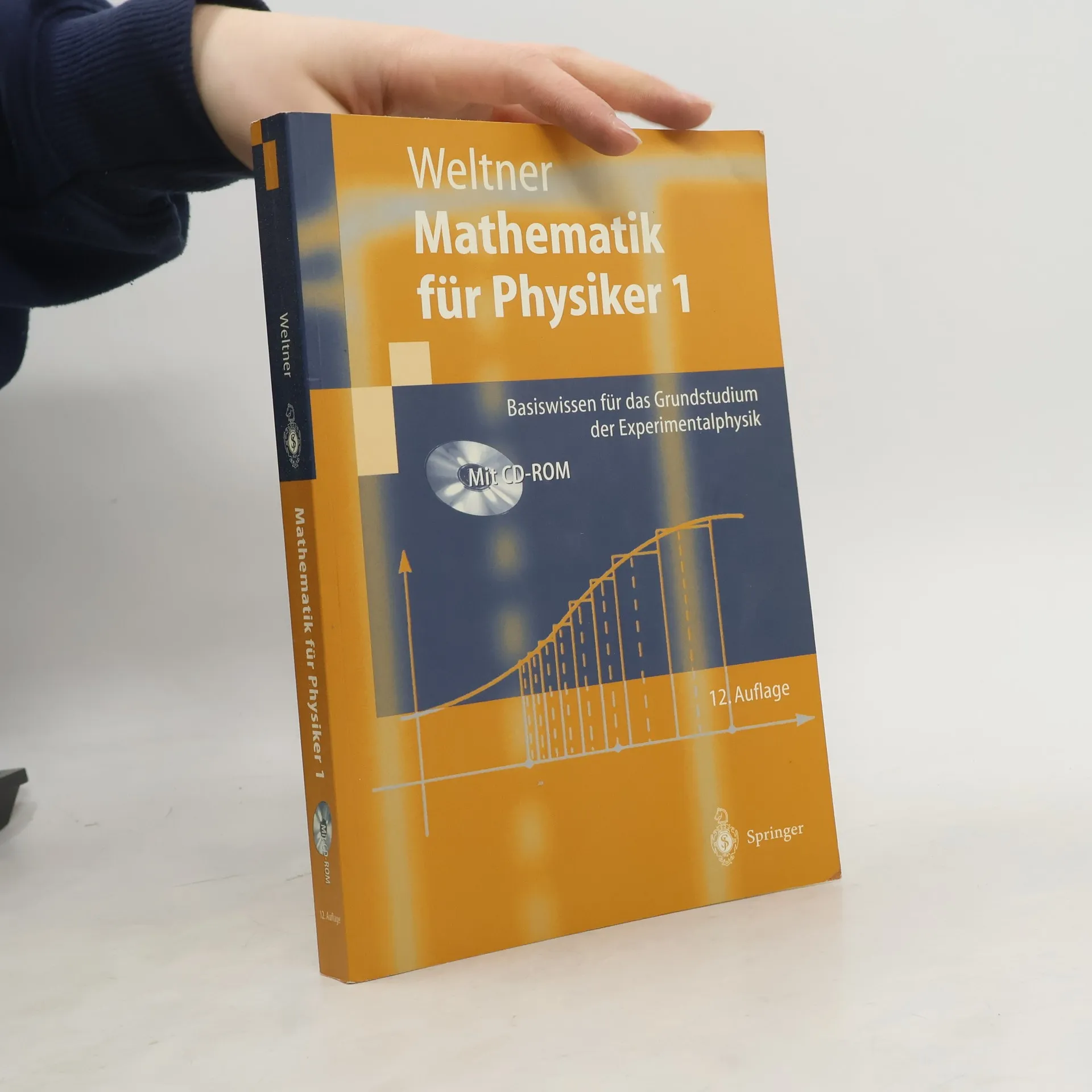
    Mathematik für Physiker 1
    Mathematik für Physiker 2
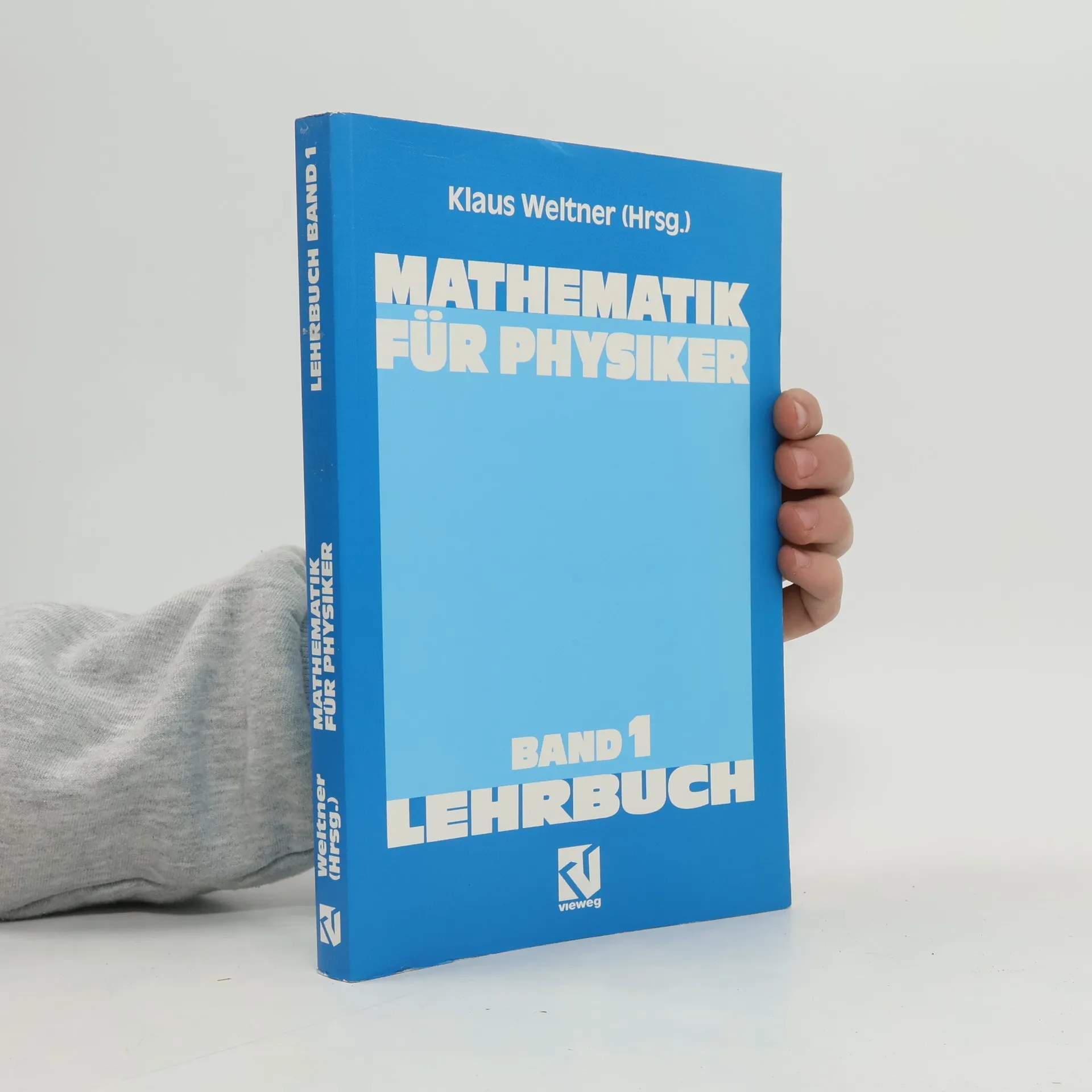
    Mathematik für Physiker. Lehrbuch Band 1
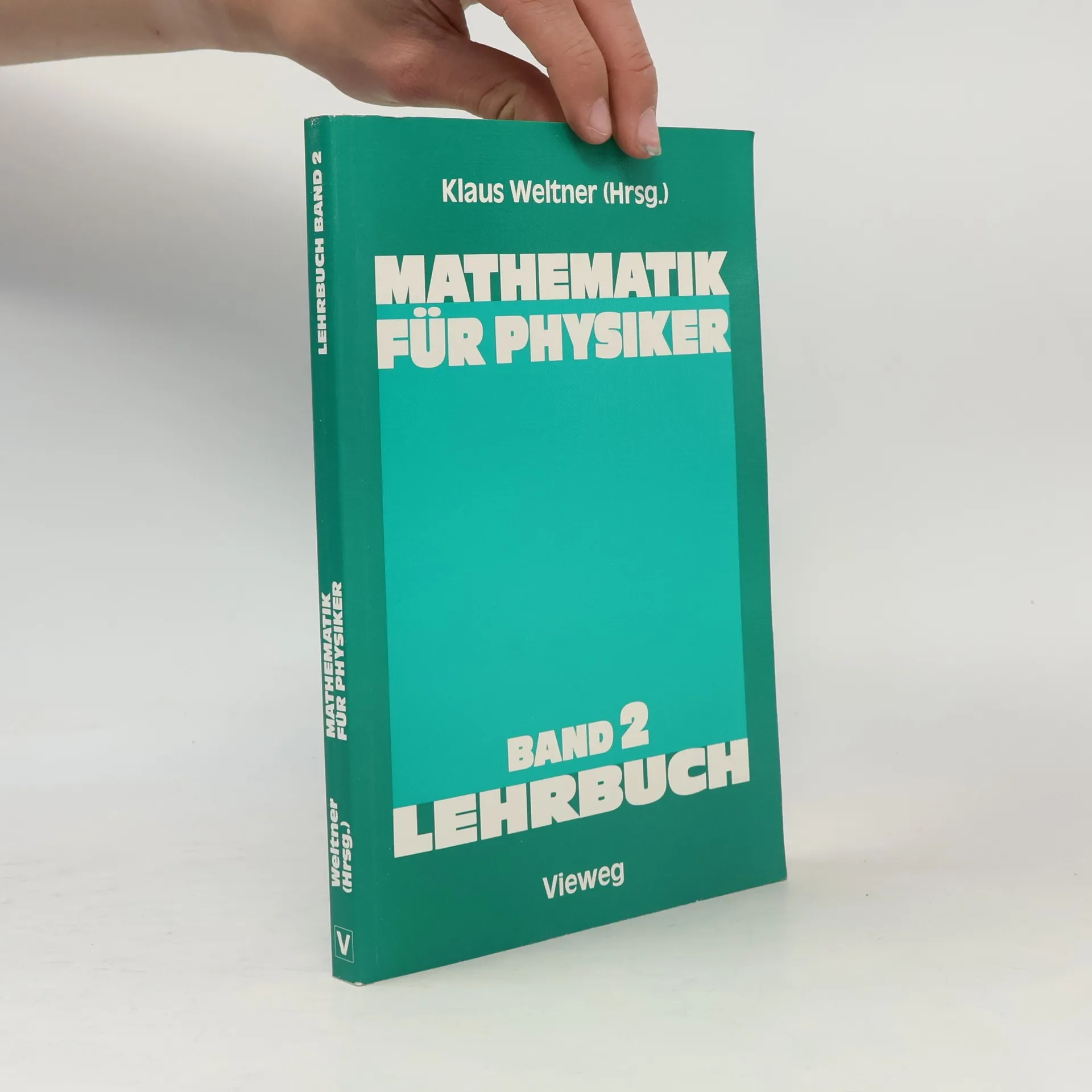
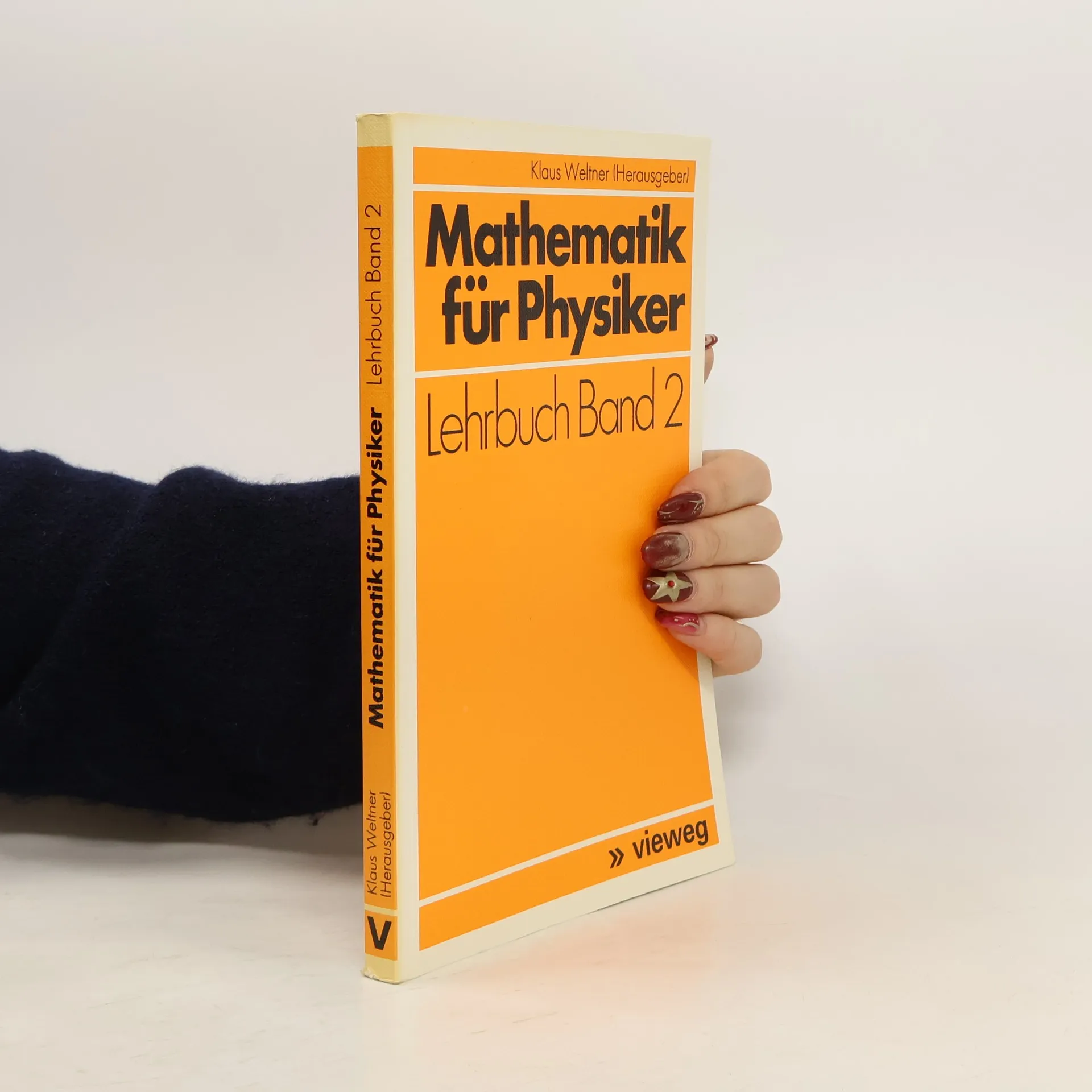
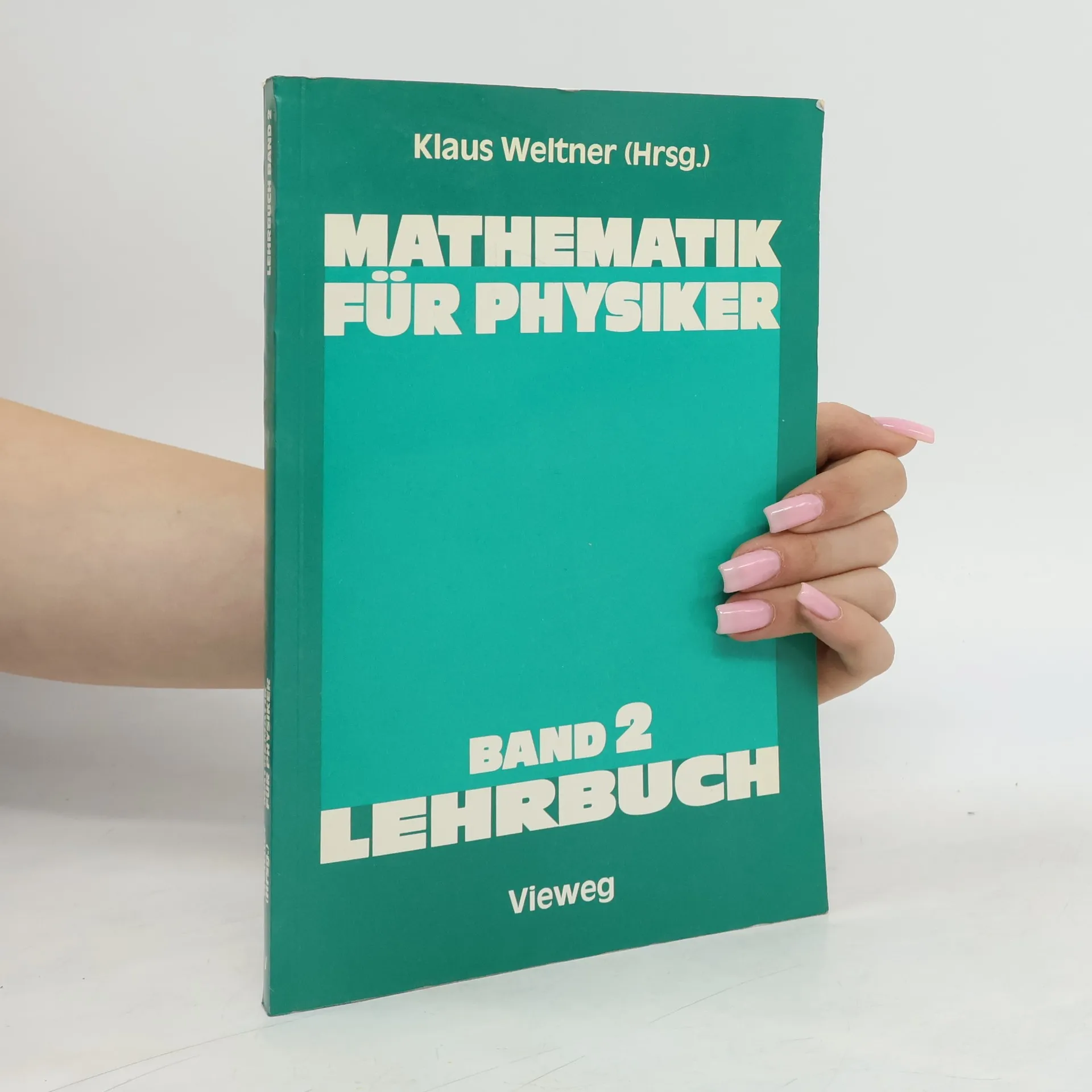
    Mathematik für Physiker. Lehrbuch Band 2
    • Funktionsbegriff, einfache Funktionen, trigonometrische Funktionen.- Potenzen Logarithmus Umkehrfunktion.- Differentialrechnung.- Integralrechnung.- Vektorrechnung I.- Vektorrechnung II Skalarprodukt, Vektorprodukt.- Taylorreihe und Potenzreihenentwicklung.- Komplexe Zahlen.- Differentialgleichungen.- Funktionen mehrerer Veränderlicher, skalare Felder und Vektorfelder.- Partielle Ableitung, totales Differential und Gradient.

      Mathematik für Physiker. Lehrbuch Band 1
    • Mathematik für Physiker 1

      Basiswissen für das Grundstudium der Experimentalphysik (Springer-Lehrbuch)

      • 308 Seiten
      • 11 Lesestunden

      Mathematik f]r Physiker stellt in zwei Bdnden eine gelungene Einf]hrung dar. Das bewdhrte Lehrbuch gibt es ab der 12. Auflage zusammen mit der Software Mathematik f]r Naturwissenschaftler, ein interaktiver Vorkurs f]r den PC. Zusdtzlich wurden die ca. 1500 Lehr- und /bungsschritte nun als pdf auf eine CD-ROM integriert.Ein sehr n]tzliches, gut abgerundetes und in mehr als 25 Jahren bewdhrtes Lehrwerk.

      Mathematik für Physiker 1
    • Mathematics for Physicists and Engineers

      Fundamentals and Interactive Study Guide

      4,5(2)Abgeben

      This textbook takes physics and engineering undergraduates through the mathematics they need in the first years of study. It offers an accessible approach which is characterized by the combination of the textbook with a detailed study guide. This study guide, supplied as freely accessible downloads for each chapter, divides the whole learning task into small units. You will read and study a limited section of the textbook and then return to the study guide afterwards. Learning results are controlled, monitored and deepened by graded questions, exercises, repetitions and finally by problems and applications of the content studied. The degree of difficulty slowly rises, which will let you gain confidence and experience your own progress, thus fostering motivation. The sequence of studies can be individualized according to performance and can be regarded as a full tutorial course. This combination of a textbook with a detailed study guide is a powerful means to meetthe rising importance of learning outside of lectures at home and will be of great benefit, especially to students learning remotely.

      Mathematics for Physicists and Engineers