Soziale Klasse, Sprache und Erziehung
- 224 Seiten
- 8 Lesestunden


Diese Autorin konzentriert sich auf zeitgenössische soziale Probleme und deren Auswirkungen auf Individuen und Gemeinschaften. Ihr Schreiben zeichnet sich durch tiefgründige Einblicke in die menschliche Psychologie und komplexe zwischenmenschliche Beziehungen aus. Durch sorgfältig gewählte Worte und fesselnde Erzählungen befasst sie sich mit Themen wie Verlust, Widerstandsfähigkeit und der Suche nach Sinn in herausfordernden Lebensumständen. Ihre Werke bieten dem Leser zum Nachdenken anregende Perspektiven auf die alltägliche Realität.
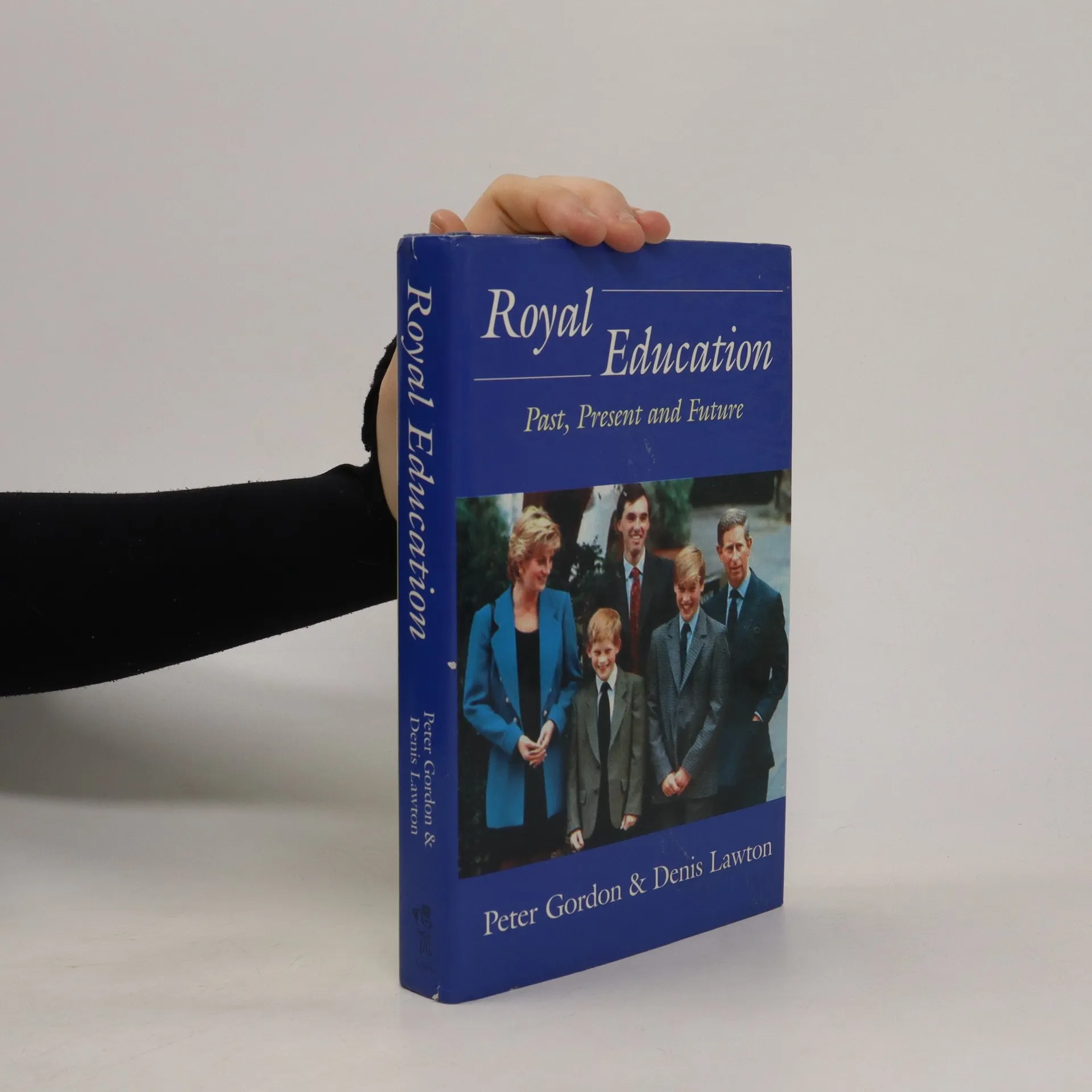
Many assume that kings and queens received the best education available, but this book examines the reality of British sovereigns' education from the Tudor period to the 20th century. The seriousness of education varied significantly over time. For instance, Henry VIII and his children were educated during the Renaissance, a period that valued educational ideas. Queen Elizabeth I was exceptionally well educated, while Queen Elizabeth II's education was considered "undemanding" due to her parents' desire for her to have a happy childhood. Authors Peter Gordon and Denis Lawton trace the evolution of royal education, linking it to changing educational theories and the political, social, and religious contexts of the time. The monarchy itself transformed from the semi-absolute authority of the Tudors to a more limited monarchy by the end of the Stuart period, culminating in the constitutional monarchy of the 20th century. The book poses critical questions about how these changes impacted royal education and what kind of education is suitable for future monarchs in today's democratic society. Through their exploration, the authors confront these questions and seek to provide insights into the appropriate educational paths for modern royalty.