Thema dieser Studie ist die Geschichte der wissenschaftlichen Strategien der Menschenzüchtung und ihrer politischen Indienstnahme. Im Zentrum der Analyse steht die sogenannte Eugenik, die »Wissenschaft vom guten Erbe«, die in Deutschland vorwiegend als »Rassenhygiene« bezeichnet wurde und die die Vorläuferin der modernen Humangenetik war.
Peter Weingart Bücher

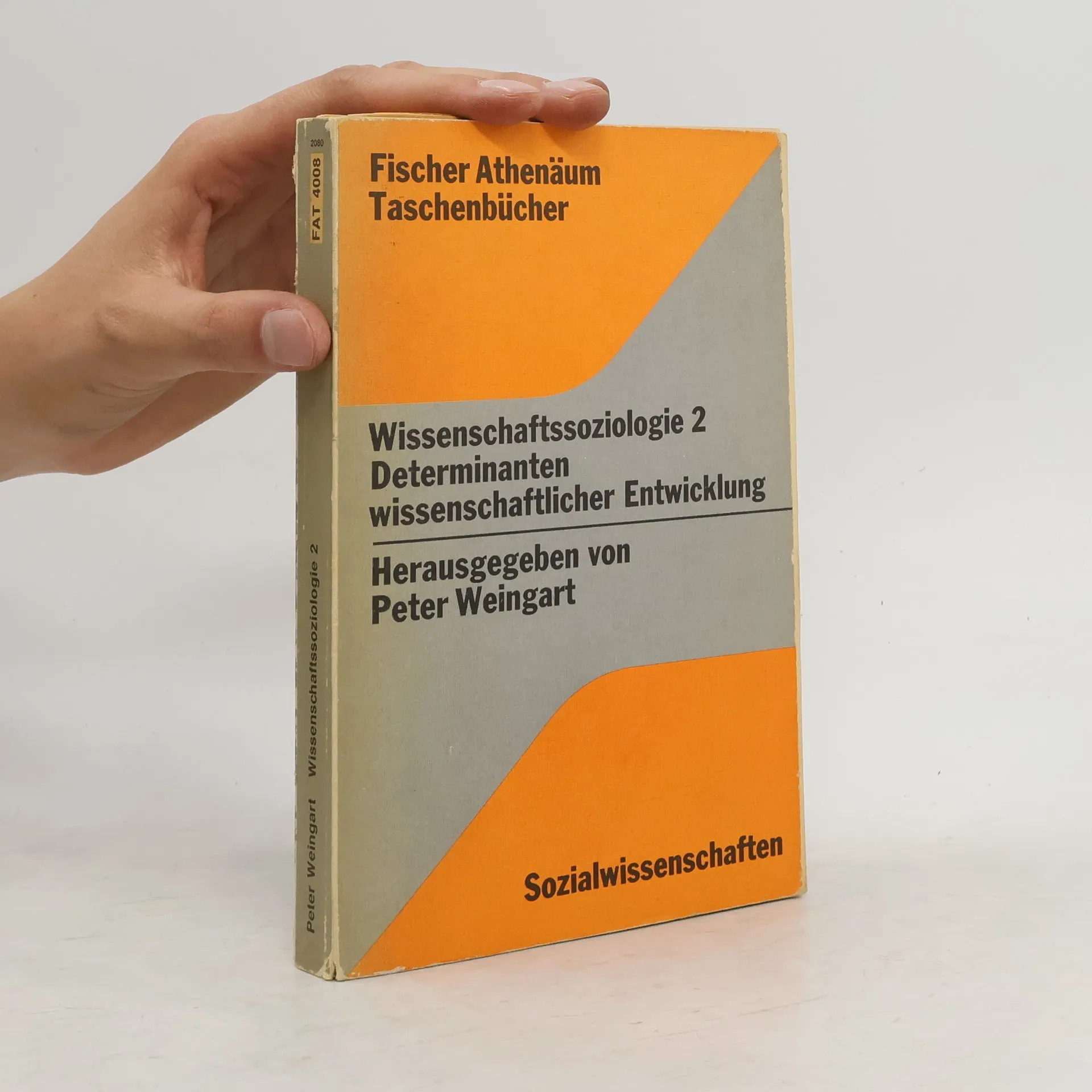

Wissenschaftssoziologie. Band 2
Determinanten wissenschaftlicher Entwicklung
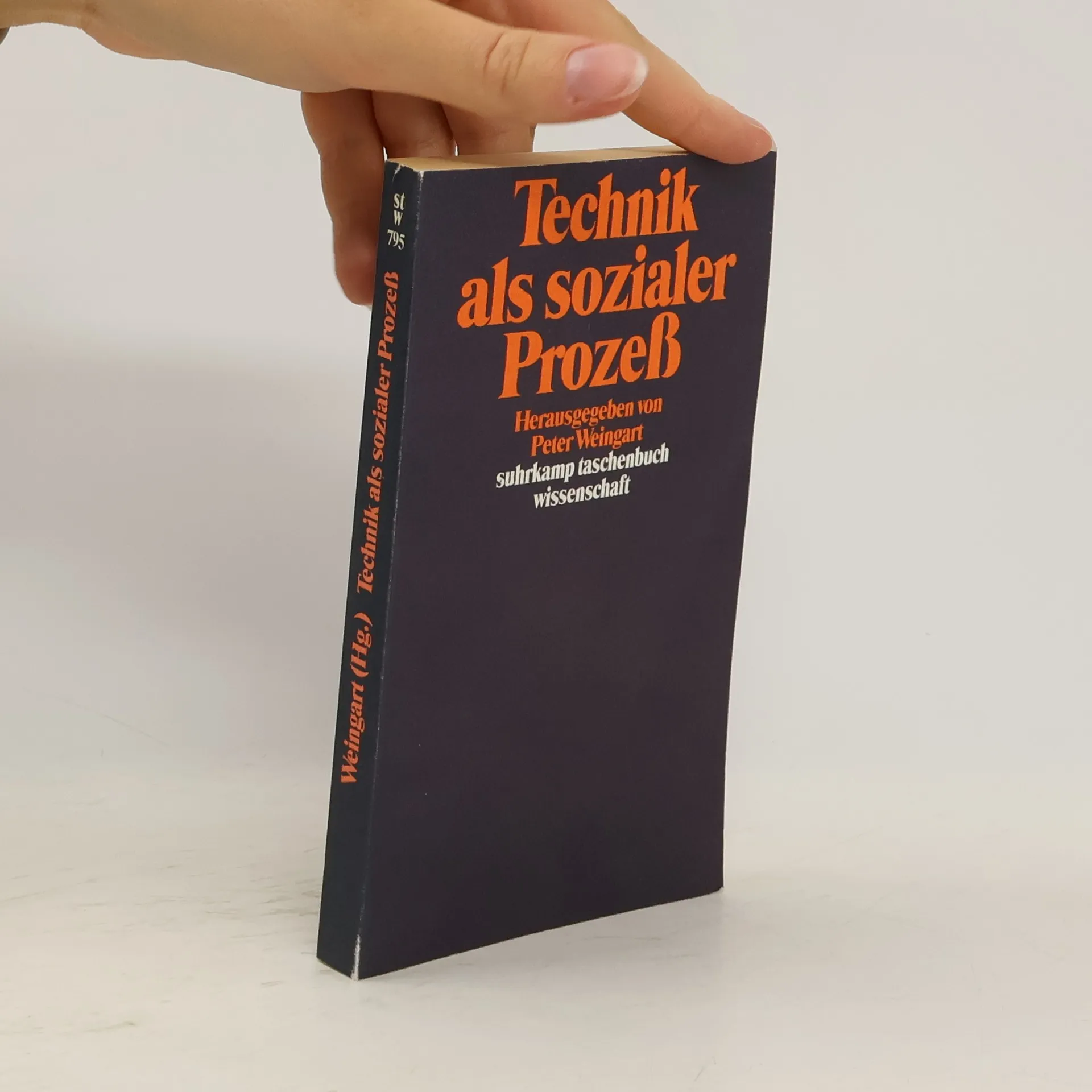
Technik als sozialer Prozess
- 258 Seiten
- 10 Lesestunden
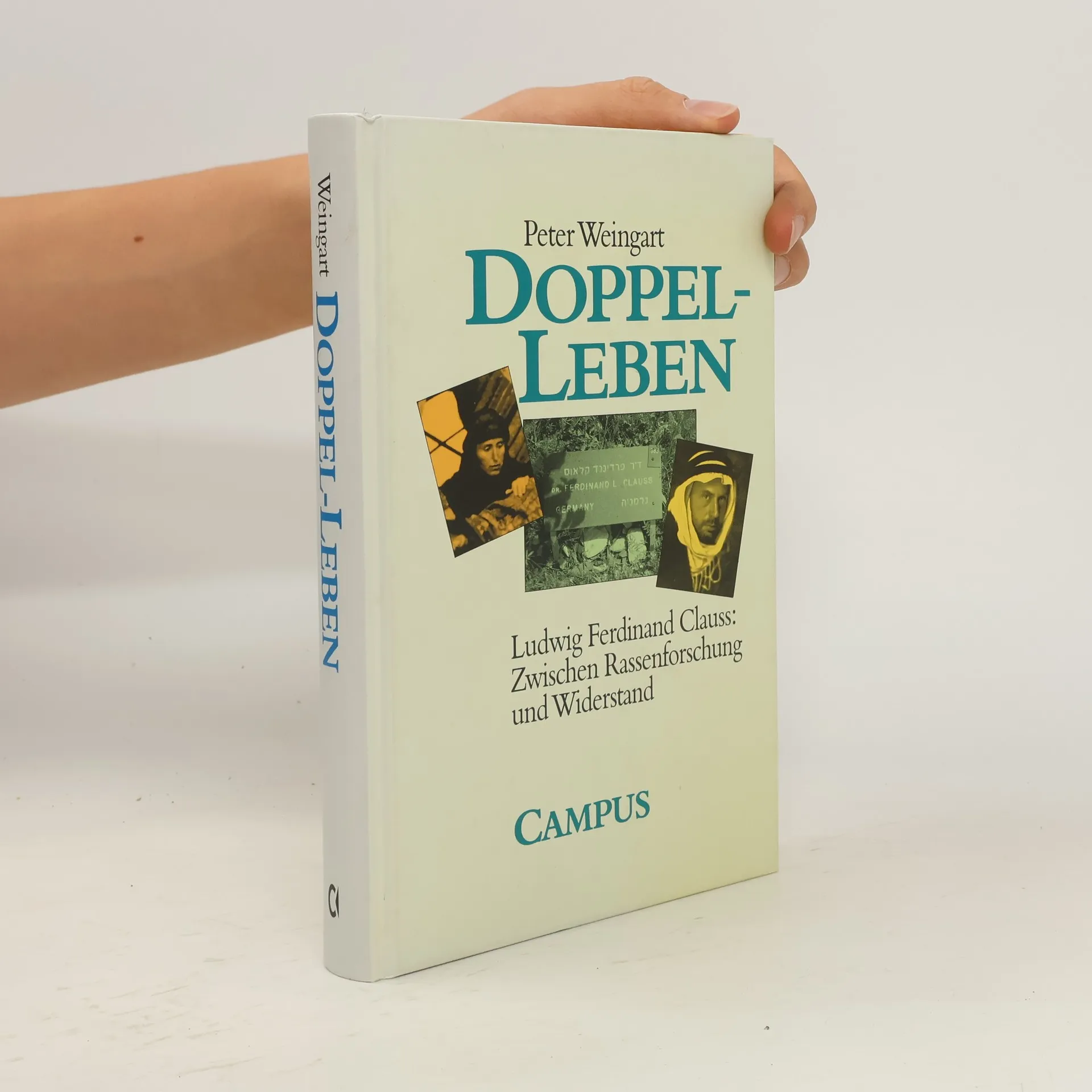
Doppel-Leben
- 251 Seiten
- 9 Lesestunden
AuszugDieses Buch erzählt die so unglaubliche wie groteske Geschichte des Ludwig Ferdinand Clauss, der sich selbst als „Rassenseelen- forscher“ bezeichnete, nach der Machtergreifung der National- sozialisten in Deutschland zum Erfolgsautor wurde - und der seine jüdische Mitarbeiterin Margarete Landé vor der Naziverfogung rettete. Diese hat dafür gesorgt, daß Clauss elf Jahre nach seinem Tod in der israelischen Holocaust-Gedenkstätte Yad Vashem als ein „Gerechter unter den Völkern“ geehrte wurde.
Die sog. Geisteswissenschaften
- 436 Seiten
- 16 Lesestunden
Mit diesem Band wird die erste quantitative und institutionelle Gesamterhebung der Entwicklung der Geisteswissenschaften an bundesdeutschen Universitäten seit Mitte der fünfziger Jahre vorgelegt. Sie umspannt einen Zeitraum von mehr als 30 Jahren, in denen sich aufgrund der Bildungsreform Ende der sechziger Jahre das Universitätssystem grundlegend verändert hat. Es ist nicht nur stark expandiert - die Zahl der geisteswissenschaftlichen Professuren stieg um etwa das Siebenfache -, sondern damit hat sich auch seine Funktion als Ausbildungsinstitution für eine schmale Führungselite zur Massenausbildungseinrichtung in einer demokratischen Gesellschaft verändert.
Wissensproduktion und soziale Struktur
- 240 Seiten
- 9 Lesestunden
Politische Soziologie
Grundfragen der Soziologie
Das Wissensministerium
Ein halbes Jahrhundert Forschungs- und Bildungspolitik in Deutschland
- 508 Seiten
- 18 Lesestunden
Dieser Band ist aus Anlass des 50. Geburtstages des Bundesministeriums für Bildung und Forschung konzipiert worden. Im Dialog mit Zeitzeugen aus dem Ministerium oder den Wissenschafts- und Bildungsorganisationen blicken Wissenschaftler in loyal-kritischer Einstellung auf die Arbeit dieser Organisation zurück. Wo es möglich und angemessen ist, richtet sich der Blick auch in die Zukunft.
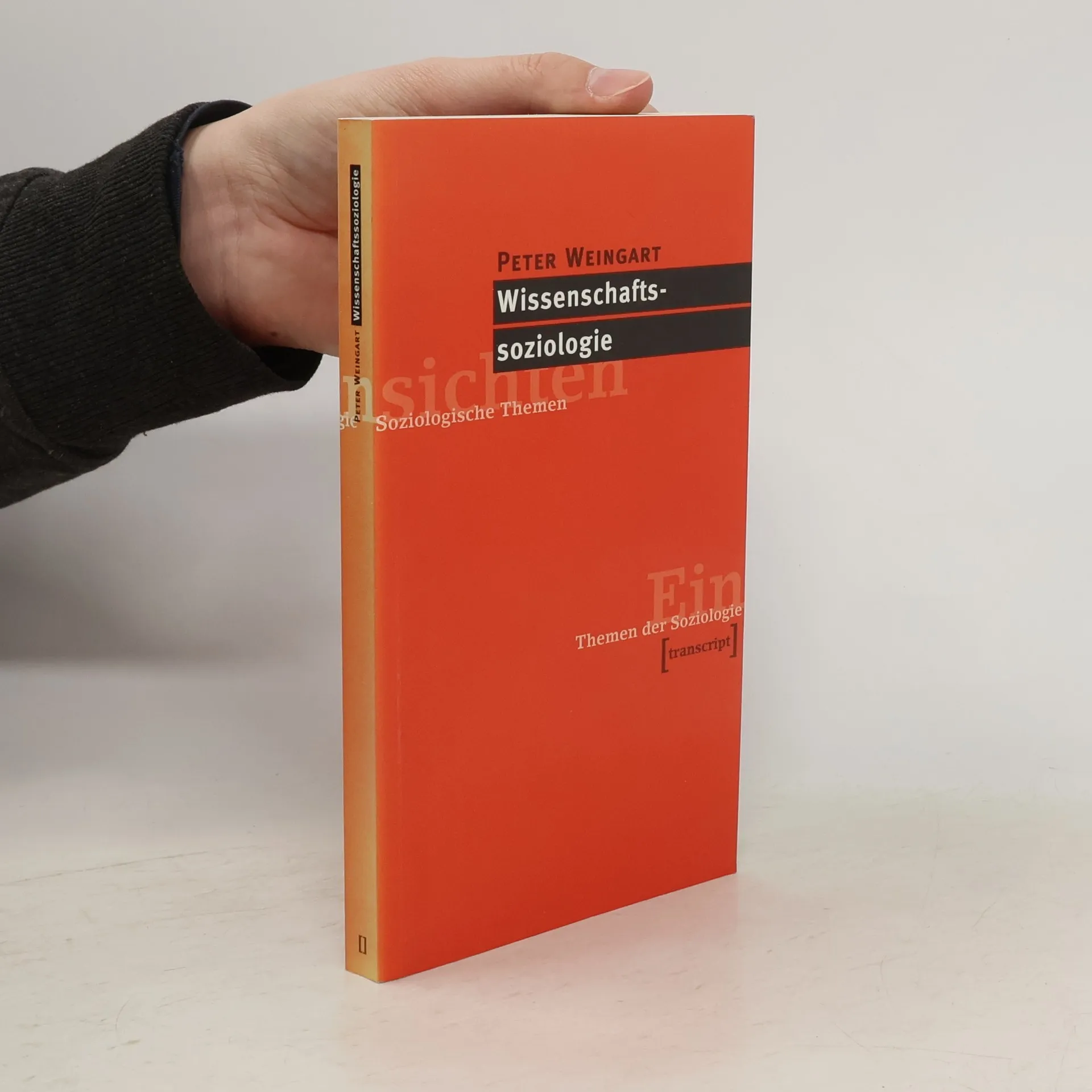
Einsichten. Themen der Soziologie: Wissenschaftssoziologie
- 190 Seiten
- 7 Lesestunden
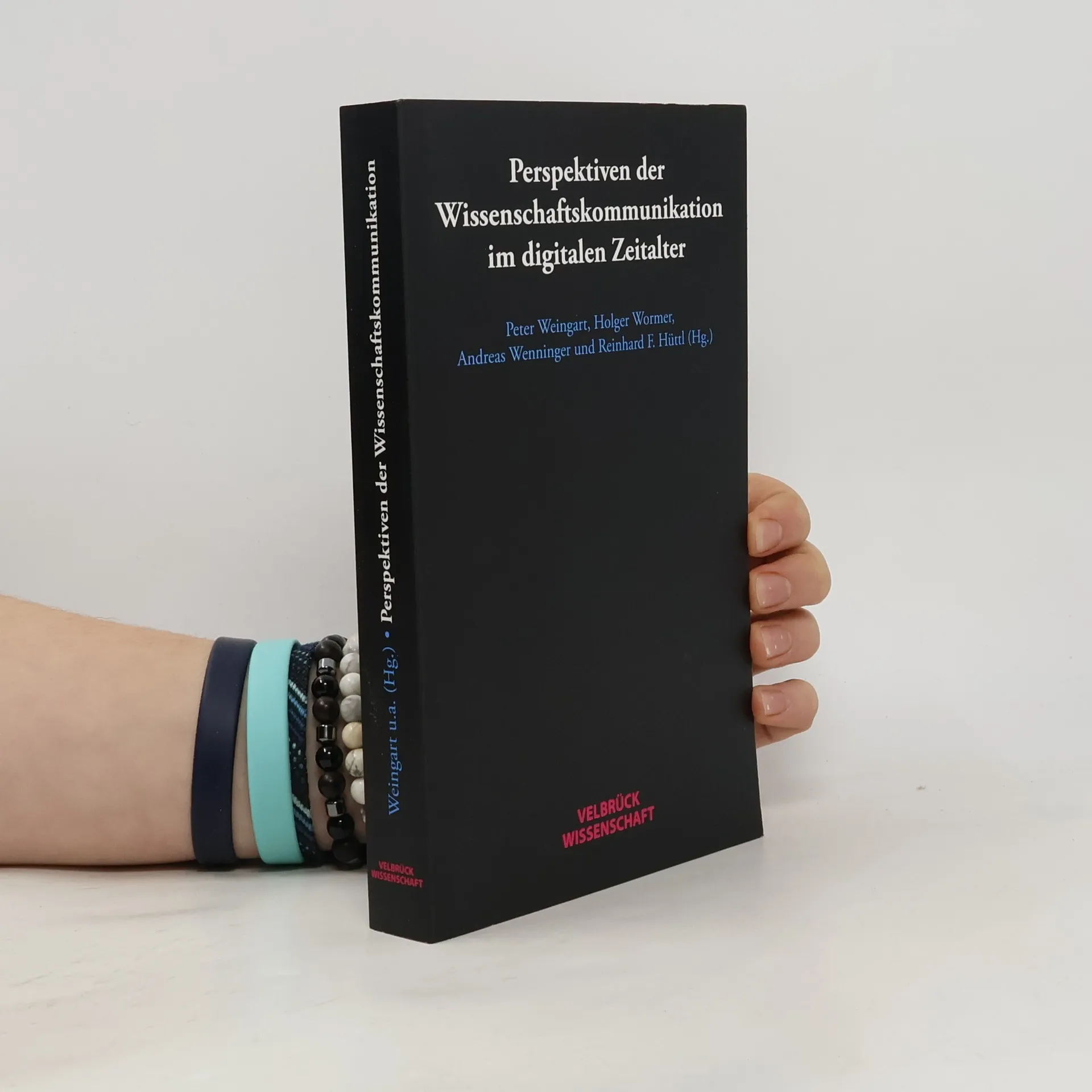
Perspektiven der Wissenschaftskommunikation im digitalen Zeitalter
- 340 Seiten
- 12 Lesestunden
Öffentliche Kommunikation steht gegenwärtig vor Herausforderungen durch „Fake News“ und „Hate Speech“ im Internet sowie durch maschinell gesteuerte Kampagnen in sozialen Netzwerken. Begriffe wie Echokammern, Filterblasen und Social Bots prägen die Debatte, die insbesondere die Wissenschaftskommunikation betrifft, da sie das Vertrauen in Fakten und die Objektivität wissenschaftlicher Methoden untergräbt. Der Band bietet einen Überblick über das Verhältnis von Wissenschaft, Medien und Öffentlichkeit im Kontext aktueller Medienentwicklungen. Experten aus verschiedenen Disziplinen wie Kommunikationswissenschaft, Soziologie, Journalismusforschung, Linguistik, Medienwissenschaft und Informatik sowie aus der Praxis der Wissenschaftskommunikation beleuchten das Thema. Schwerpunkte sind die ökonomische Situation der Wissenschaftskommunikation, insbesondere des Wissenschaftsjournalismus, sowie die technischen Voraussetzungen und die damit verbundenen Chancen und Risiken der Digitalisierung. Besondere Aufmerksamkeit gilt der Wahrung der Kommunikationsqualität und der Schaffung von Glaubwürdigkeit und Vertrauen in Medieninhalte. Die Auseinandersetzung mit diesen Themen ist wichtig, da qualitativ hochwertige und unabhängige Wissenschaftskommunikation eine grundlegende Voraussetzung für demokratische Gesellschaften und politische Entscheidungen darstellt. Alle Beiträge stammen aus der Arbeitsgruppe „Kommunikation zwischen Wissenschaft, Öffe
Academic disciplines provide a framework for the transfer of knowledge from one generation to the next. Not only do they shape our education and understanding, they structure our professional lives. Interdisciplinarity, the reconfiguration of academic disciplines and the boundaries between them, has lately become a field of major interest to scholars and policy makers. This collection brings together the latest research and analysis from this emerging field. The editors take as their central thesis the idea that the existing matrix of disciplines is dissolving, leading to fundamental changes in the traditional order of knowledge. Contributors to the volume include specialists from Canada, Australia, Europe, and the United States who focus on the actual practice of interdisciplinarity: the ways in which it is researched, organized, and taught in institutes and universities around the world. The role of funding bodies is also considered, revealing the relationship and the delineation of disciplines and their resource bases. Together, the essays offer first-hand insights into the operations and successes of some of the world's foremost interdisciplinary research centres. In acquainting us with the current state of interdisciplinary research the volume also considers the social and economic contexts that make such research possible.