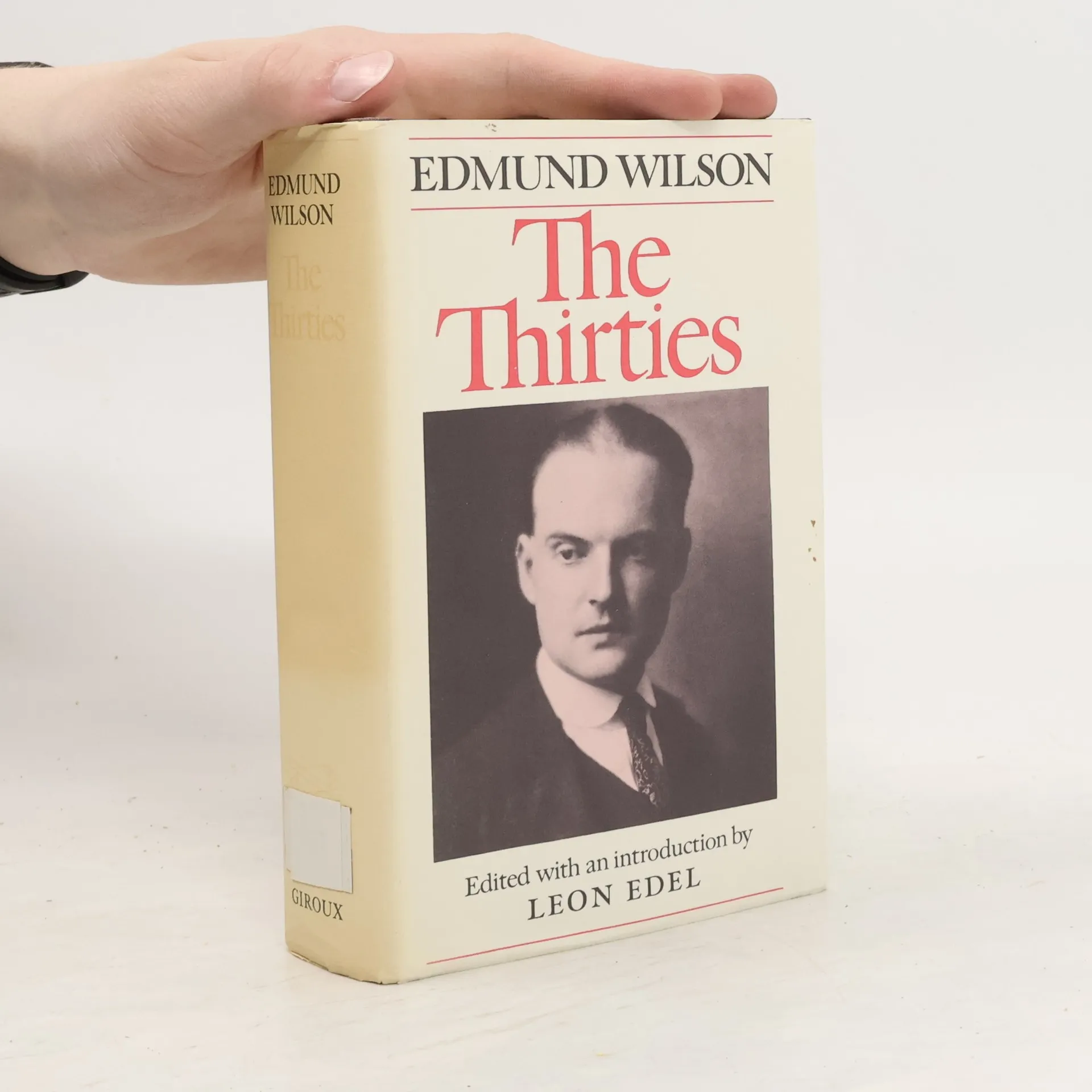
Edmund Wilson Bücher
Edmund Wilson war ein amerikanischer Schriftsteller sowie Literatur- und Gesellschaftskritiker, der weithin als der herausragendste amerikanische Gelehrte des 20. Jahrhunderts gilt. Sein umfangreiches Werk und seine tiefgründige Analyse der amerikanischen Literatur und Gesellschaft machen ihn zu einer Schlüsselfigur der Literaturszene.

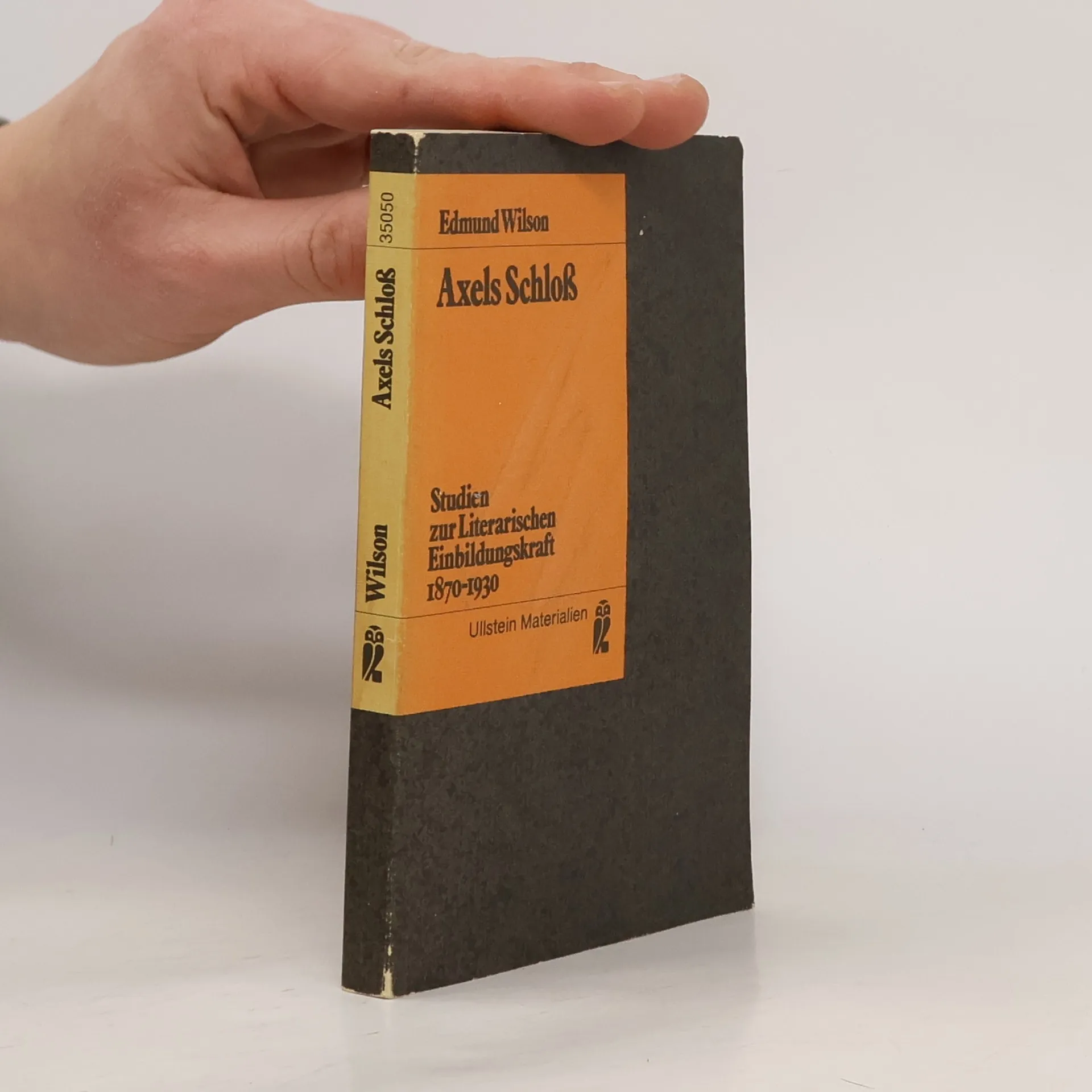
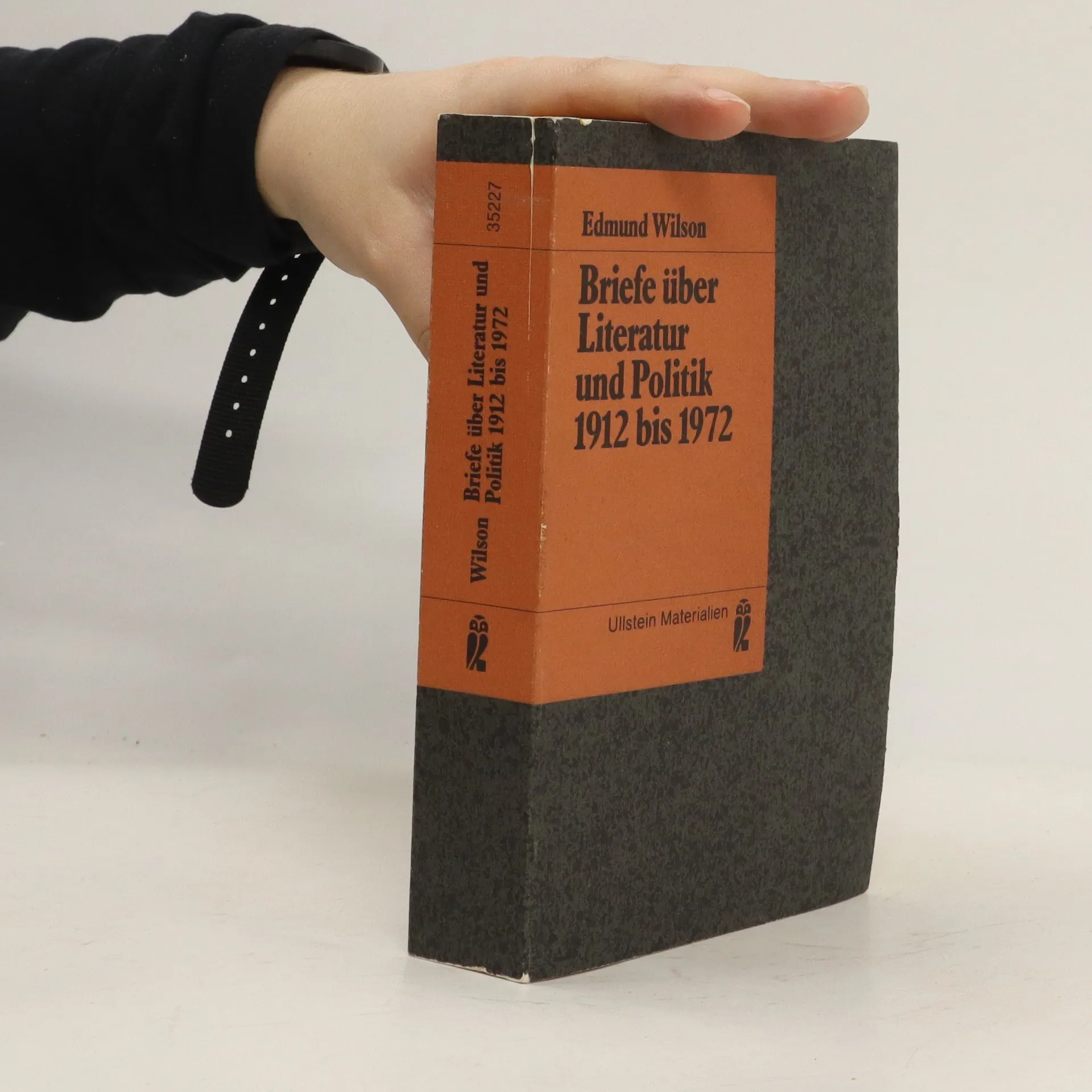
Briefe über Literatur und Politik
- 532 Seiten
- 19 Lesestunden
Edmund Wilson (1895-1972) hat nicht nur die moderne amerikanische Literatur von Dos Passos und Hemingway bis zu Nabokov gefördert und gleichzeitig zwischen den Traditionen der europäischen Geistesgeschichte und der amerikanischen Literatur vermittelt; er hat auch als linksliberaler Demokrat über ein halbes Jahrhundert hinweg die Politik der Vereinigten Staaten kritisch kommentiert. Diese Leidenschaft für die Literatur und sein Interesse an der Zeitgeschichte drücken sich in allen Briefen aus, mit denen er das Jahrhundert aufmerksam und unbestechlich begleitet hat.
Axels Schloss
- 219 Seiten
- 8 Lesestunden
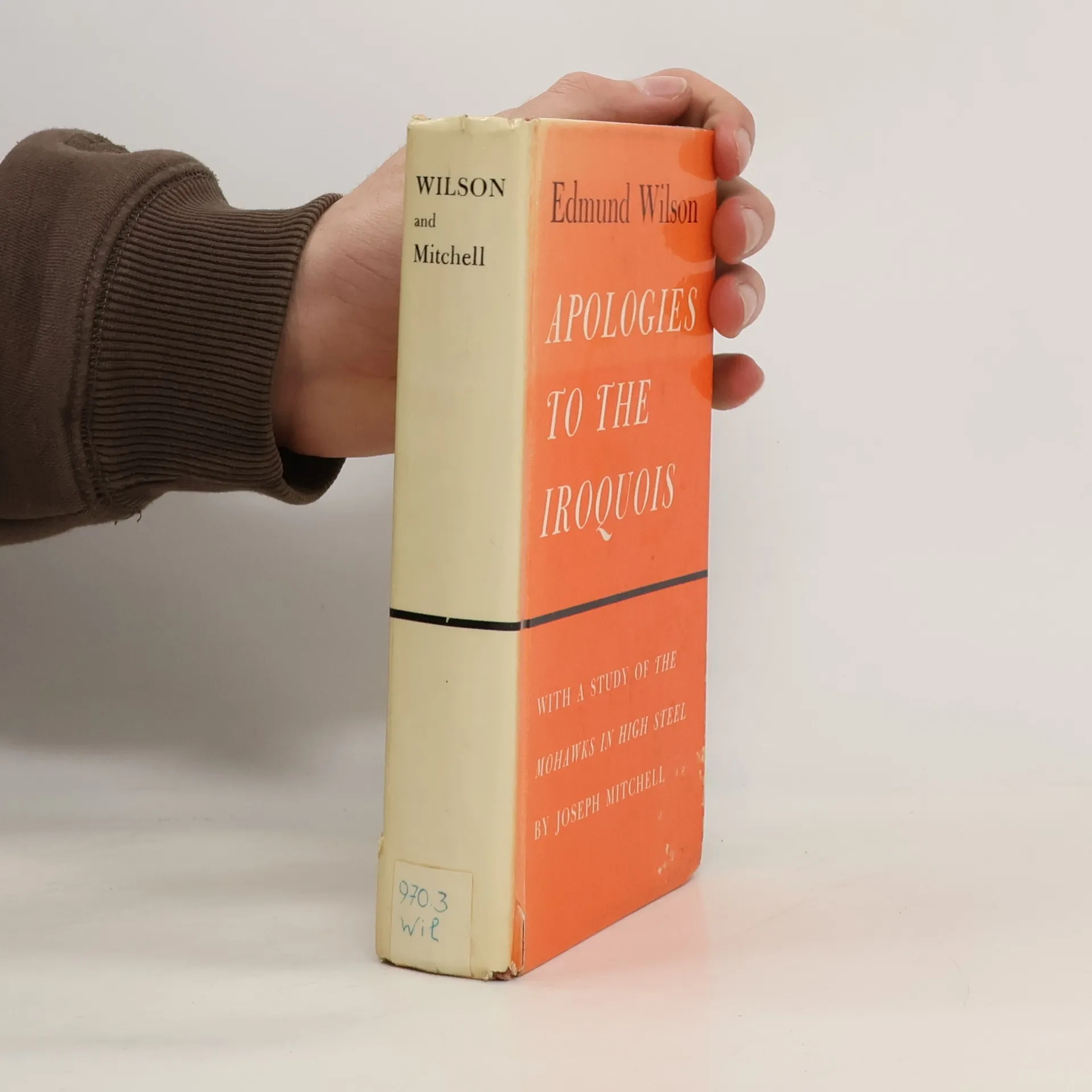
Abbitte an die Irokesen
- 196 Seiten
- 7 Lesestunden
Dieses Buch ist eine der gründlichsten und umfassendsten ethnografischen Studien, die je durchgeführt wurden. Edmund Wilson untersucht das Schicksal, das Leben, die Geschichte und die Kultur der Irokesen im Bundesstaat New York.
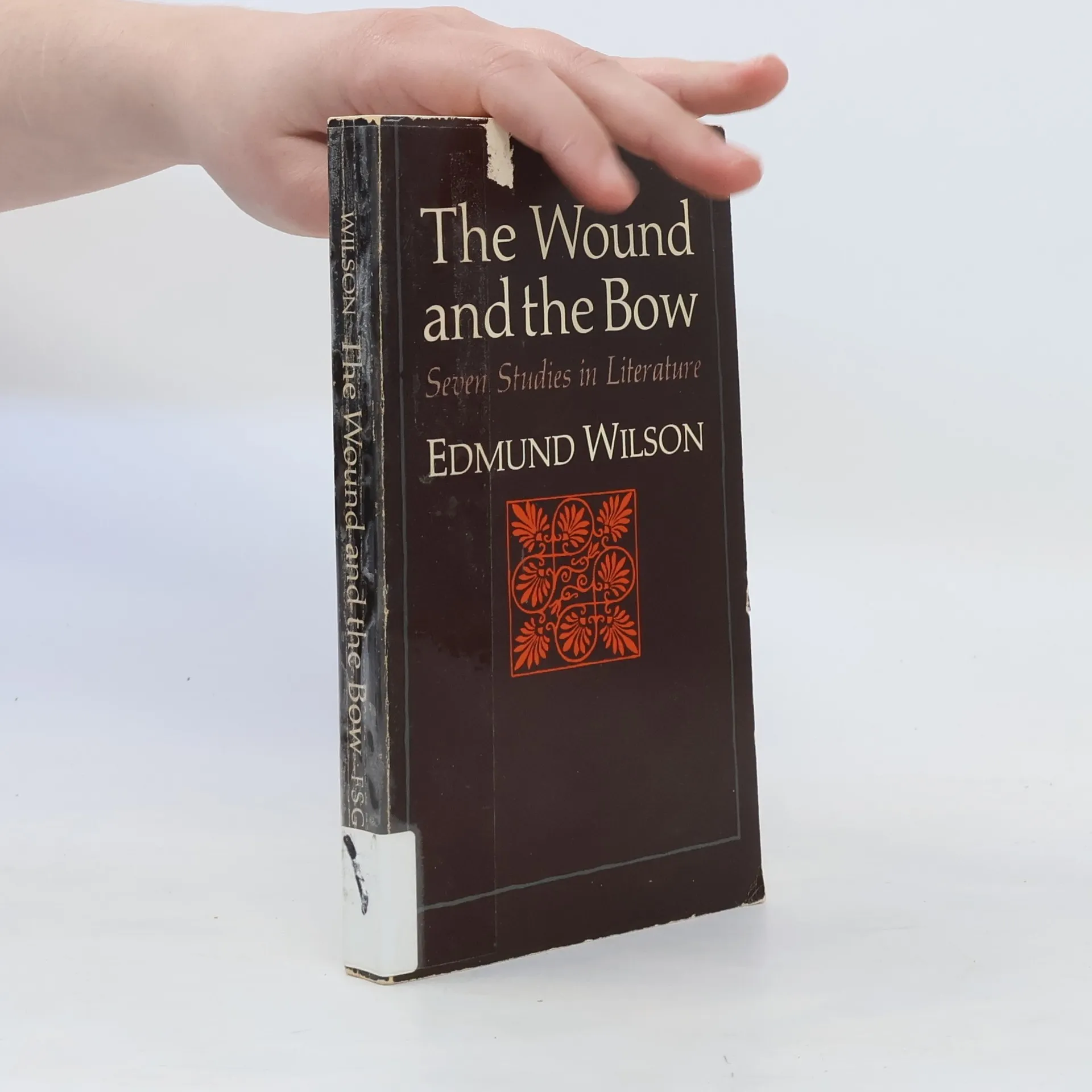
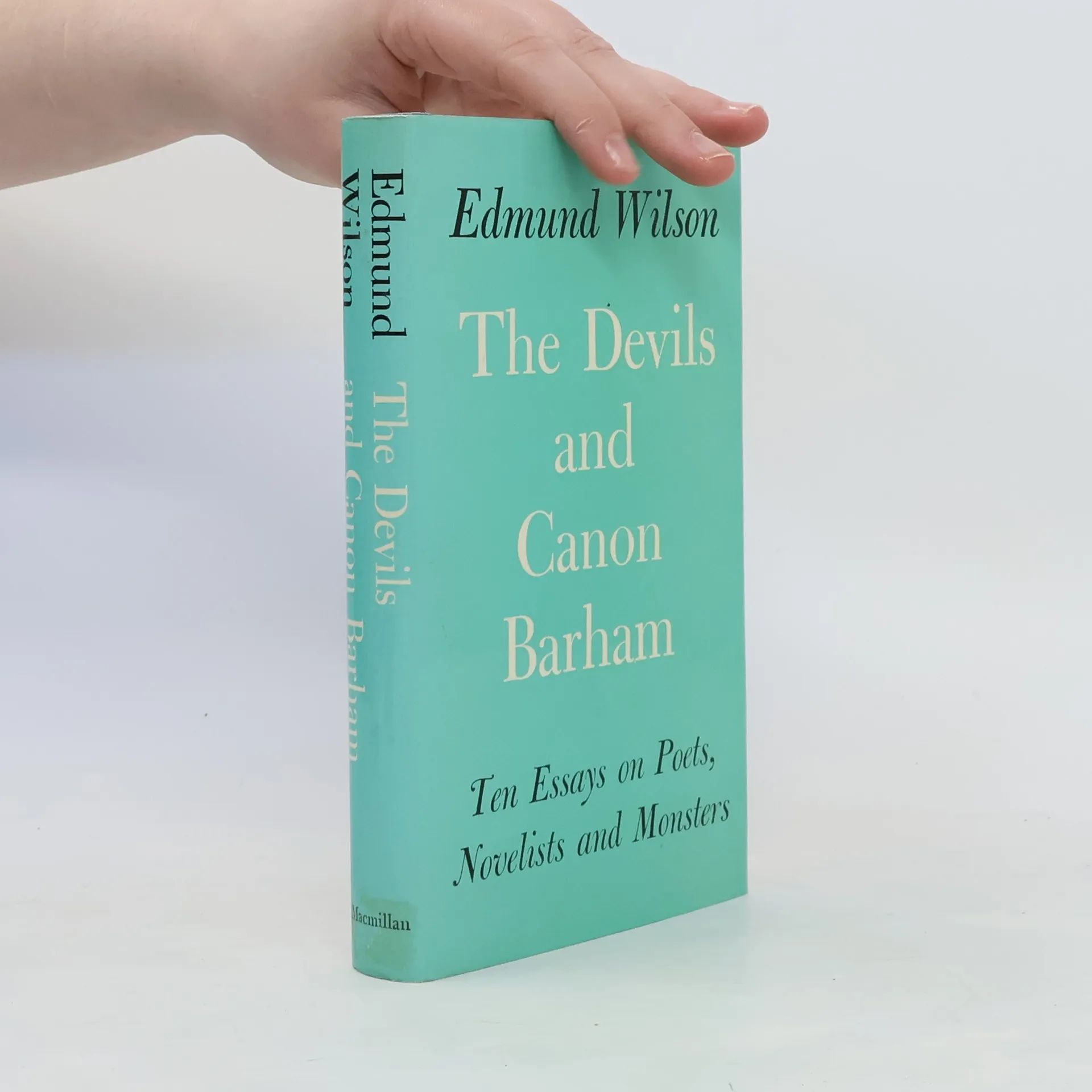
The Wound and the Bow
Seven Studies in Literature
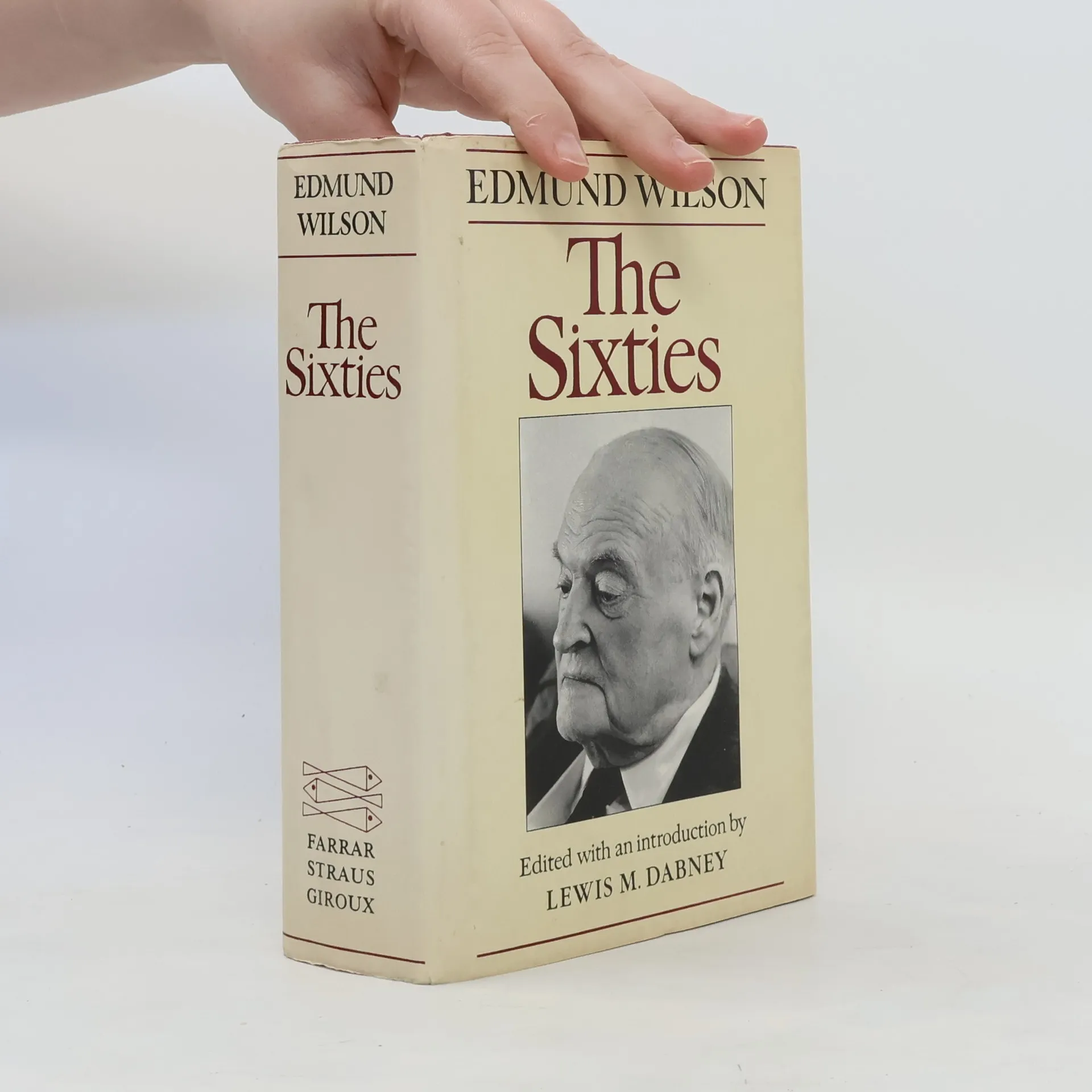
The Sixties
- 968 Seiten
- 34 Lesestunden
The Sixties, the last of Edmund Wilson's posthumously published journals, is a personal history that is also brilliant social comedy and an anatomy of the times. Edited by Wilson's biographer, this volume poignantly - and defiantly - records the final years of one of our foremost critics and writers, taking its place alongside his major works, including To the Finland Station, Patriotic Gore, The Shores of Light, and Letters on Literature and Politics, as an enduring
Critical/biographical portraits of such notable figures as Harriet Beecher Stowe, Abraham Lincoln, Ulysses S. Grant, Ambrose Bierce, Mary Chesnut, William Tecumseh Sherman, and Oliver Wendell Holmes prove Wilson to be the consummate witness to the most eloquently recorded era in American history.
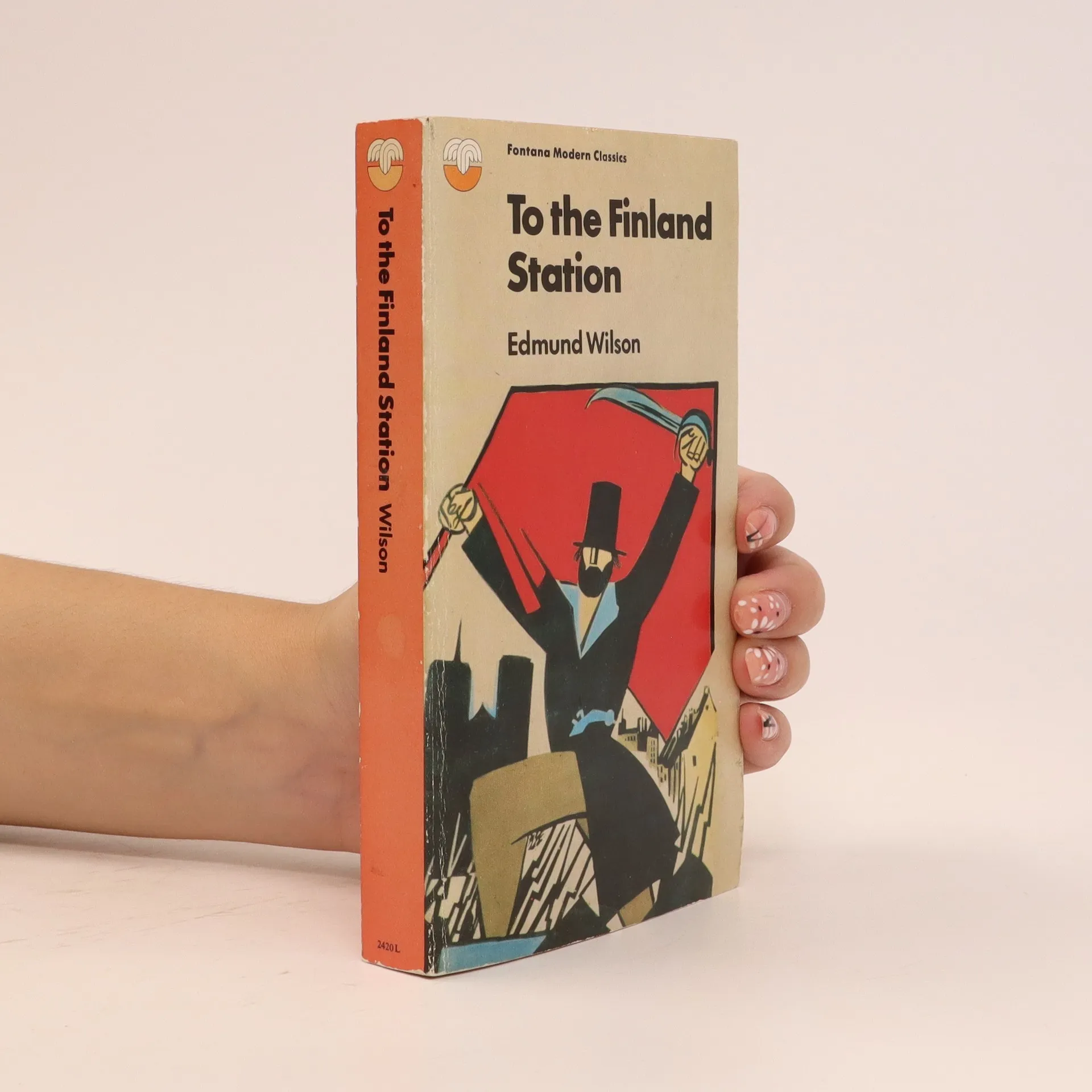
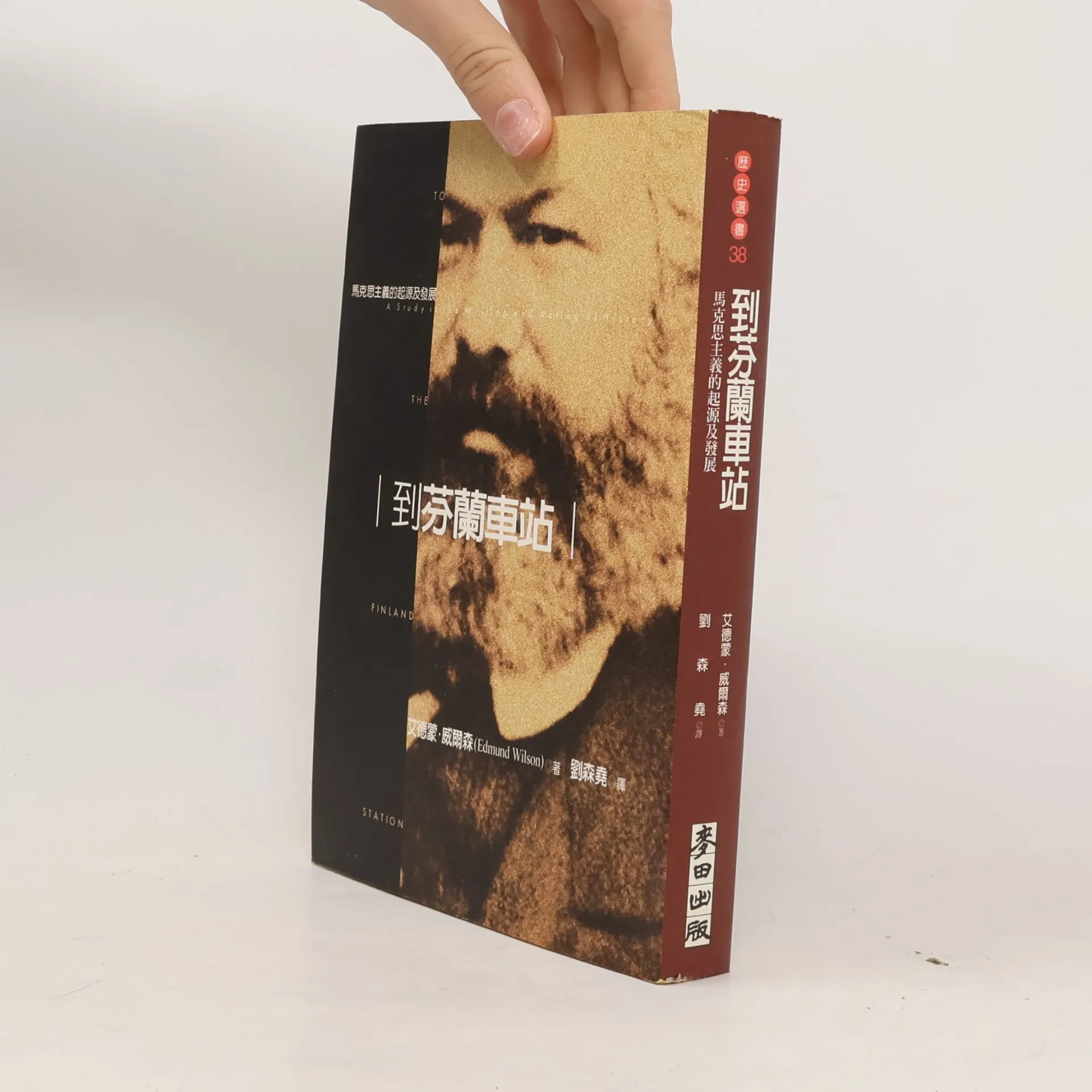
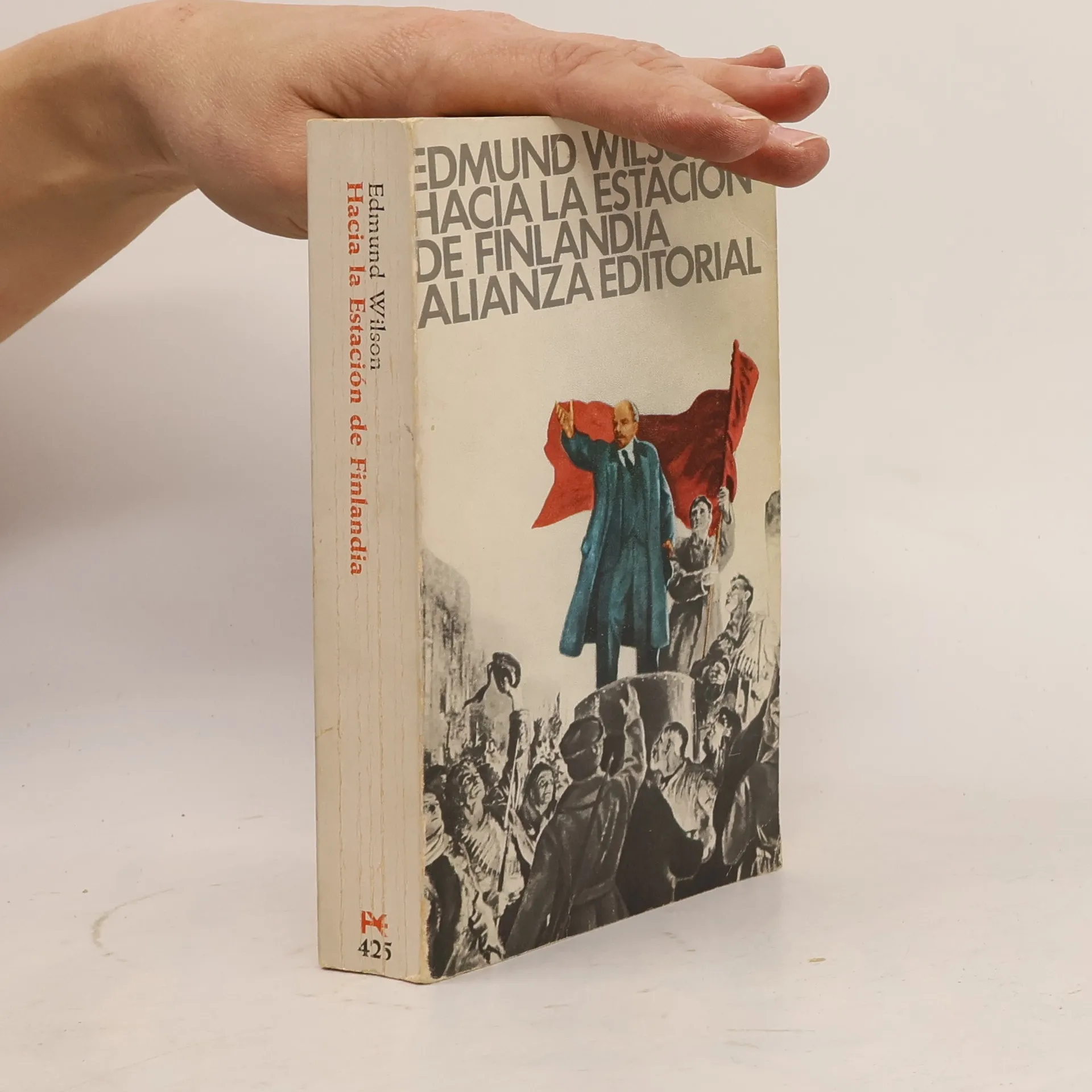
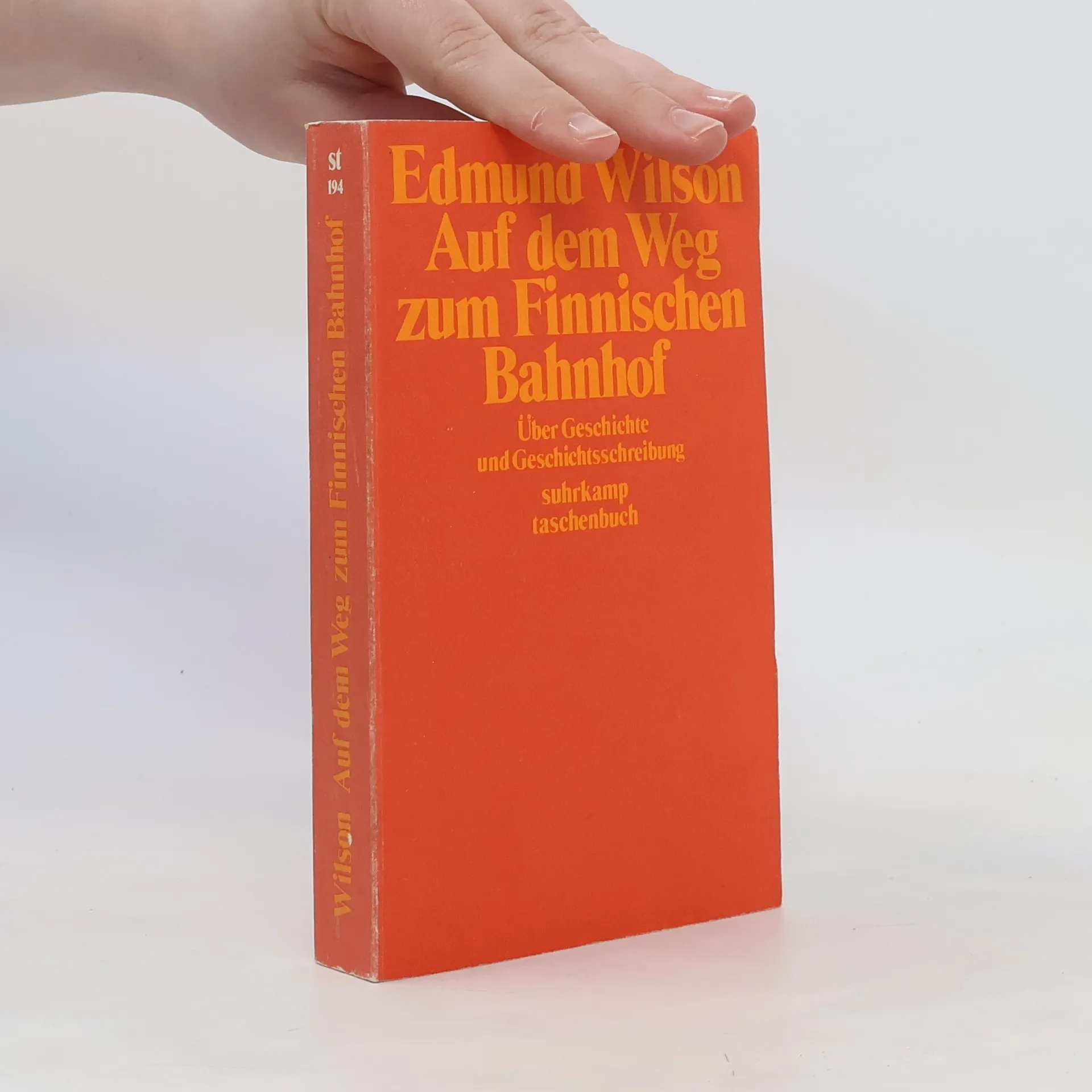
To the Finland Station - A Study in the Writing and Acting of History
- 508 Seiten
- 18 Lesestunden
Focusing on classic literature from the early 1900s and earlier, this collection aims to make scarce and costly works accessible through affordable, high-quality modern editions. Each book preserves the original text and artwork, allowing readers to experience these timeless pieces as they were originally intended.
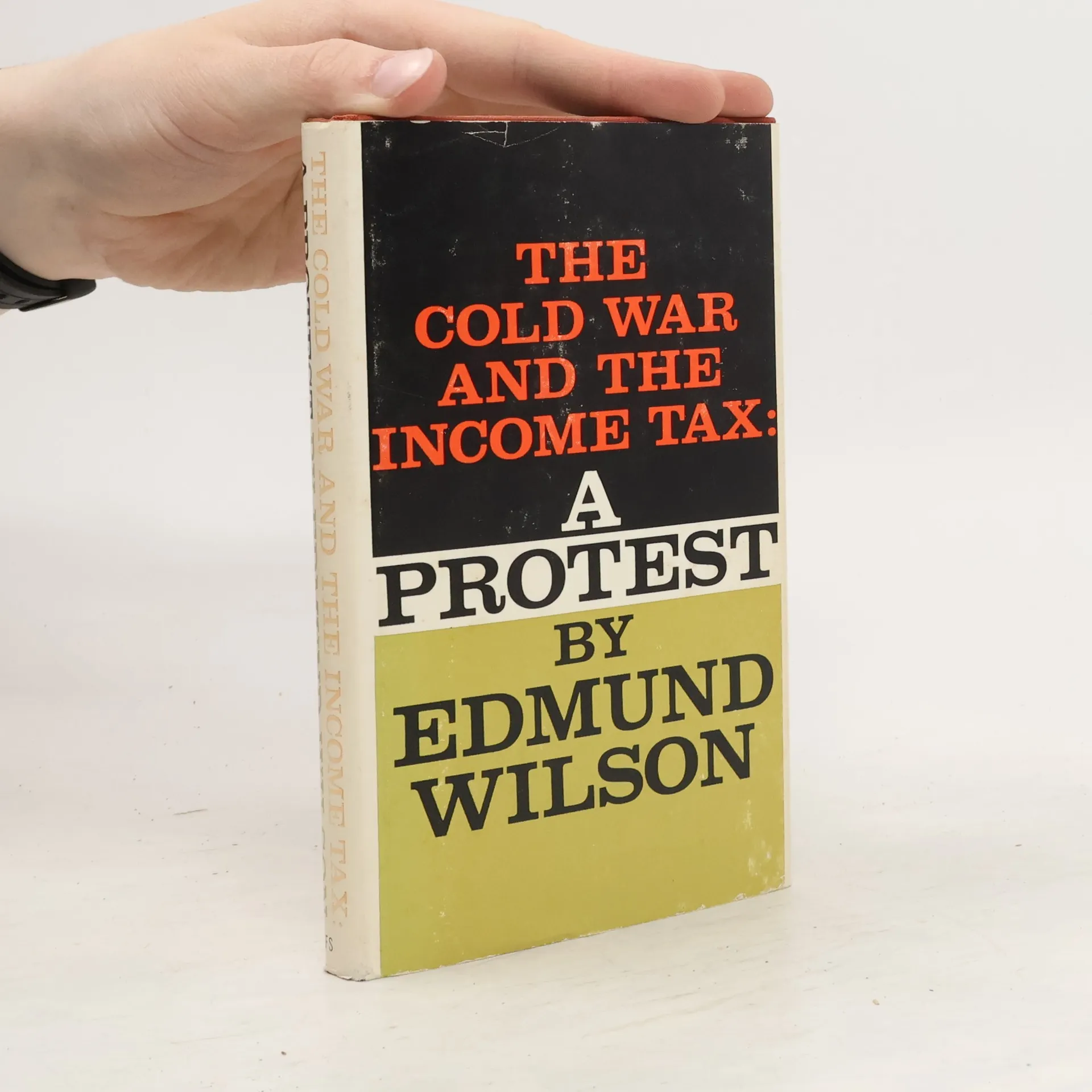
The Cold War and the Income Tax
A Protest
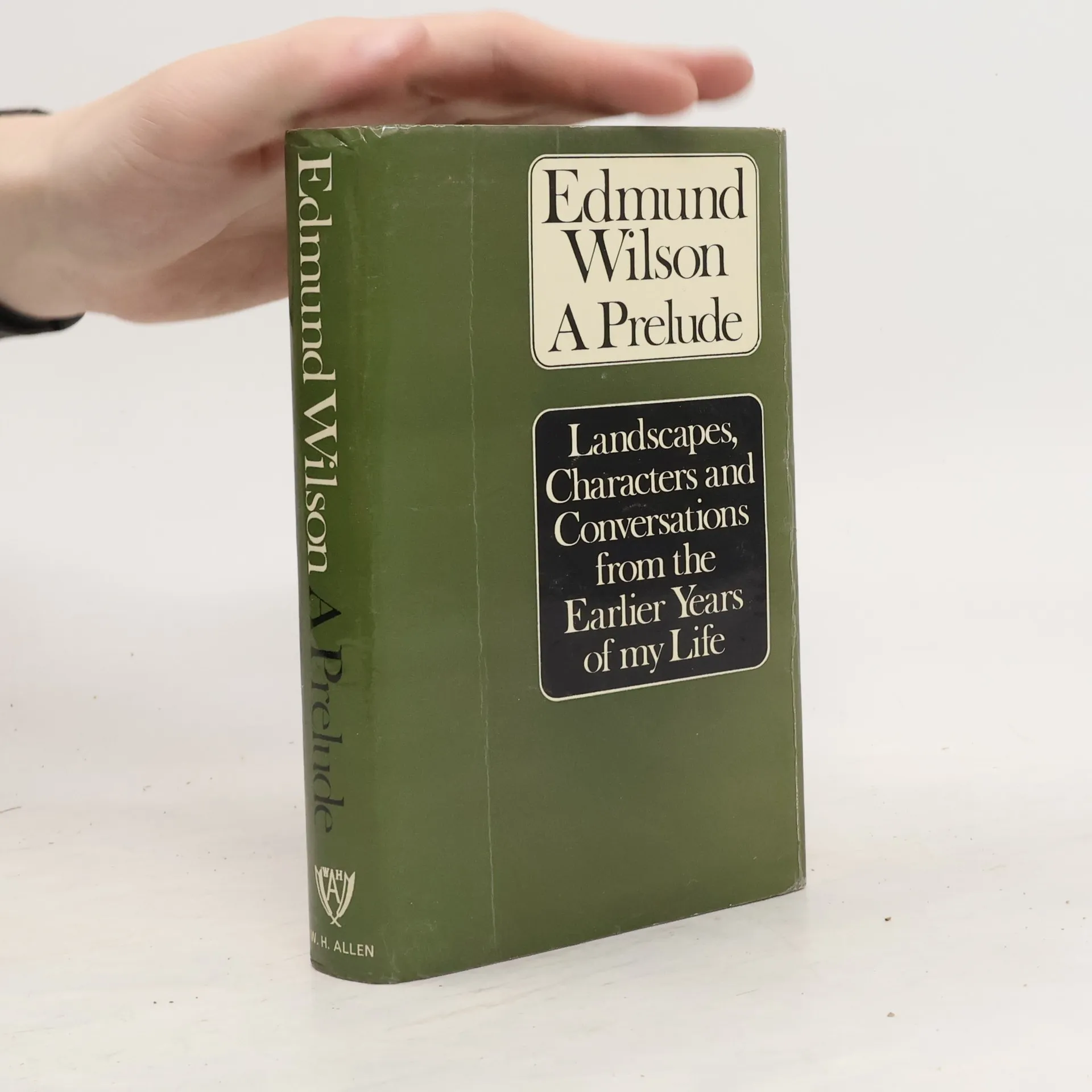
s/t: Landscapes, Characters & Conversations from the Earlier Years of My LifePROFILE of Edmund Wilson in the form of autobiographical reminiscences. He began keeping a journal in 1914. The first part deals predominantly with his childhood. He lived in Red Bank, N.J. and spent summers in Talcottville in upstate N.Y. and went to Hill School and later Princeton. The second part deals with his undergraduate days at Princeton - 1912 to 1916, and his life in New York 1916 to 1917 when he shared an apartment and worked on the N.Y. Evening Sun. The third part deals with his Army service Aug. 1917 to July 1919. He served in a hospital unit in Vittel, France and in the Intelligence Service at U.S. General Hq, in Chaumont. Two short stories, by Mr. Wilson, are included, both based on actual events. One, "The Death of a Soldier," tells about the death of a young soldier from pneumonia just before going to the front. The second, "Lieutenant Franklin" tells about a young officer in the Army of Occupation in Germany after the war, who fraternized with the Germans.Source: The New Yorker
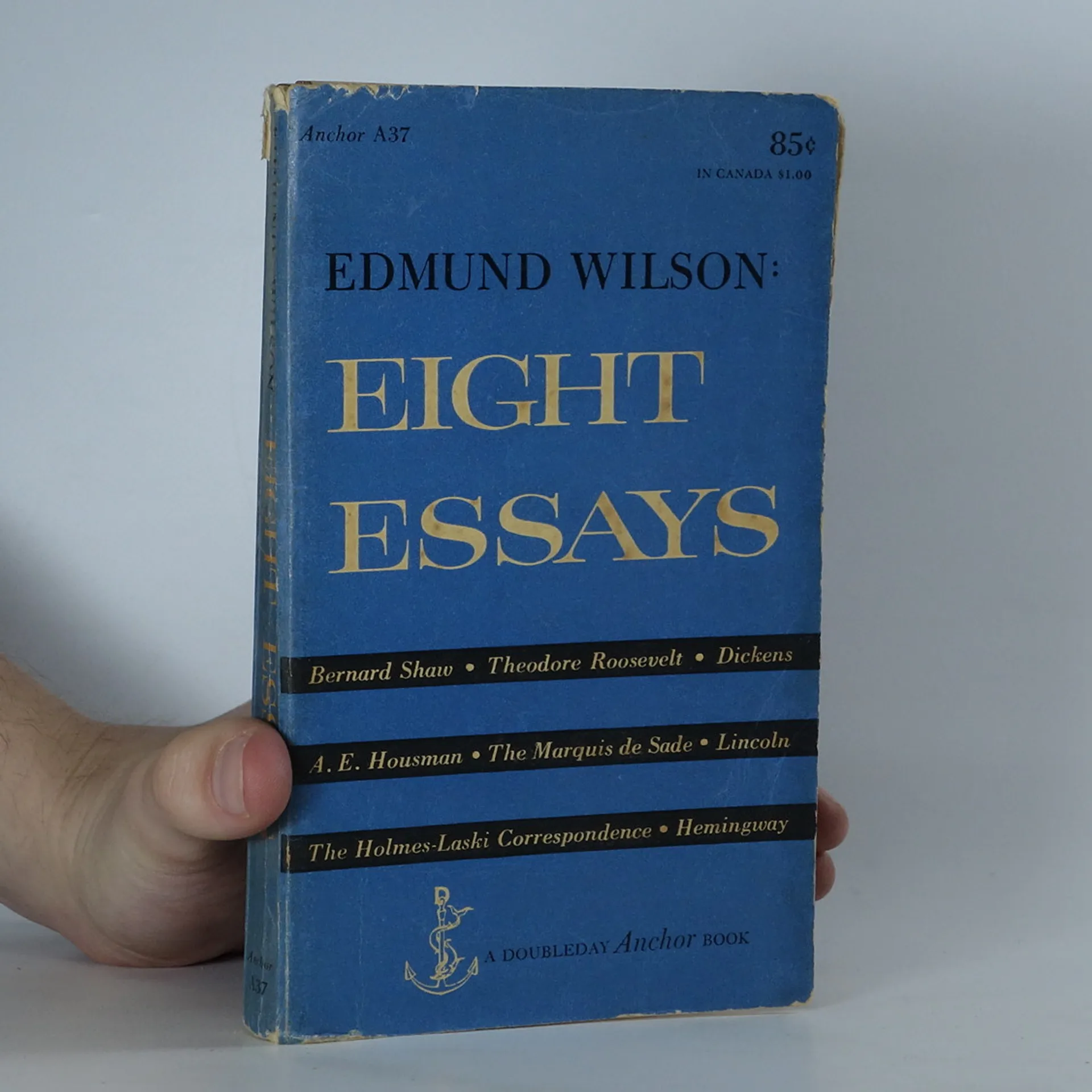
Hugely entertaining, informative bumper bundle of articles on contemporary (1920s onwards) literature; puffs and polemics, always lively and well-argued, in quick succession.
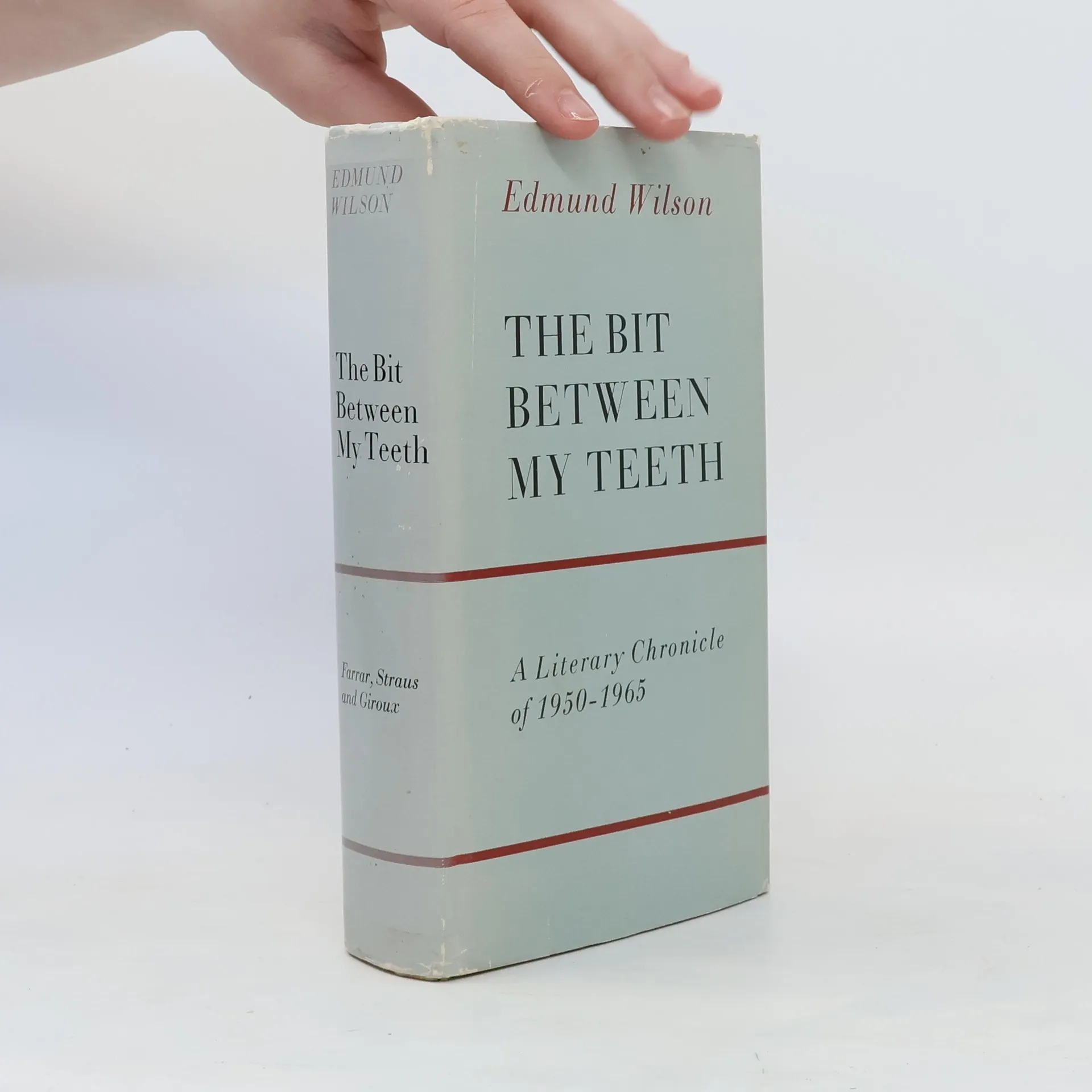
The Bit Between My Teeth
A Literary Chronicle of 1950–1965
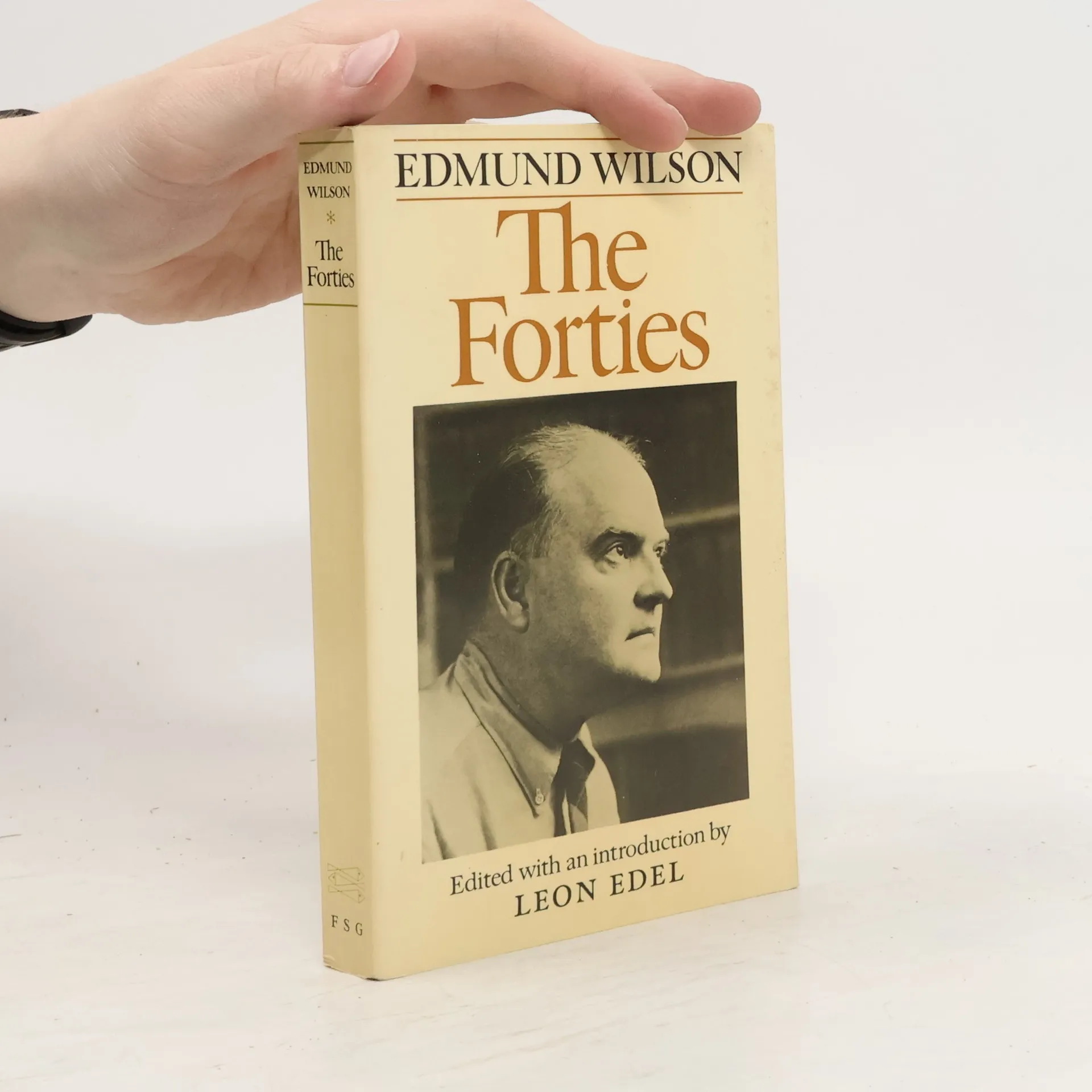
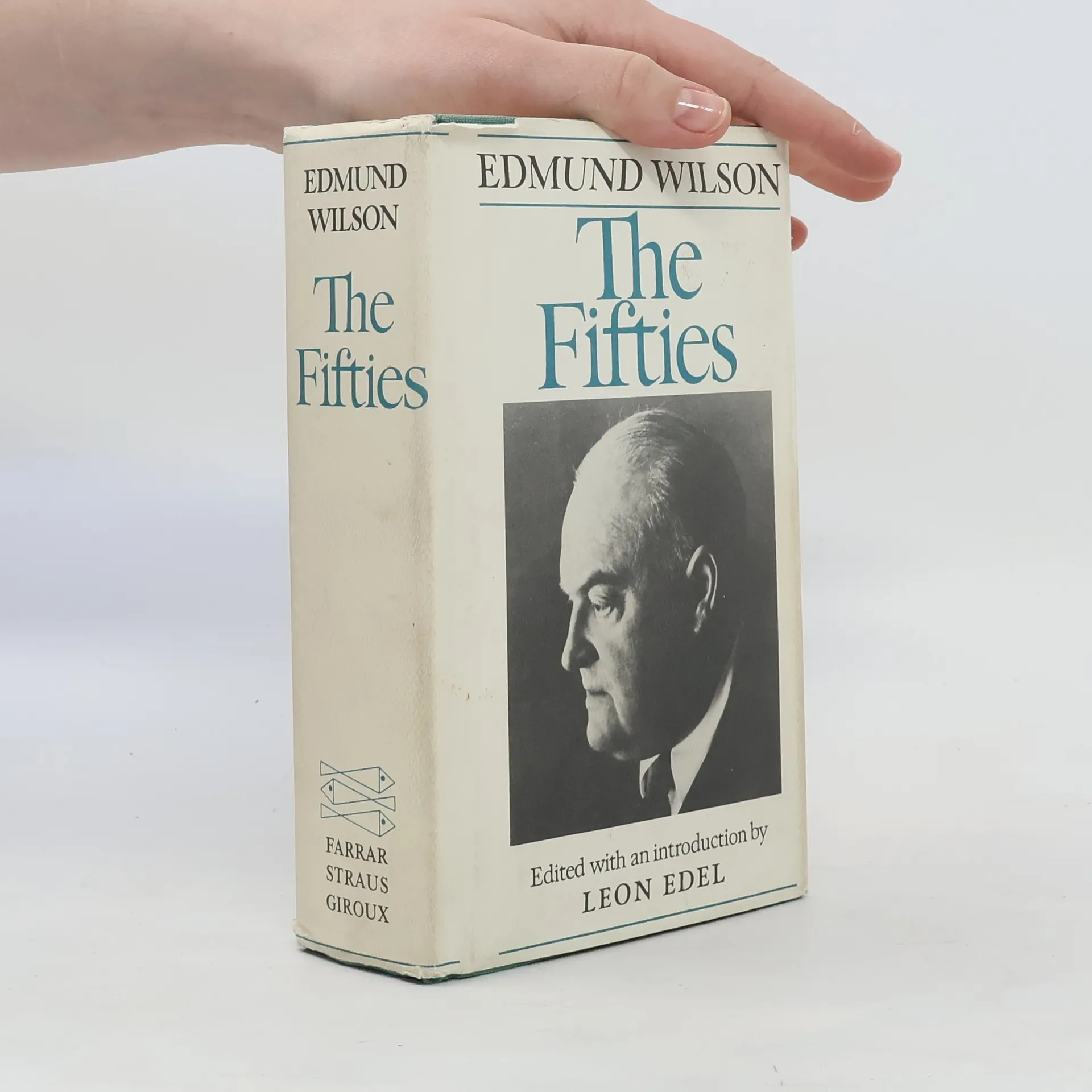
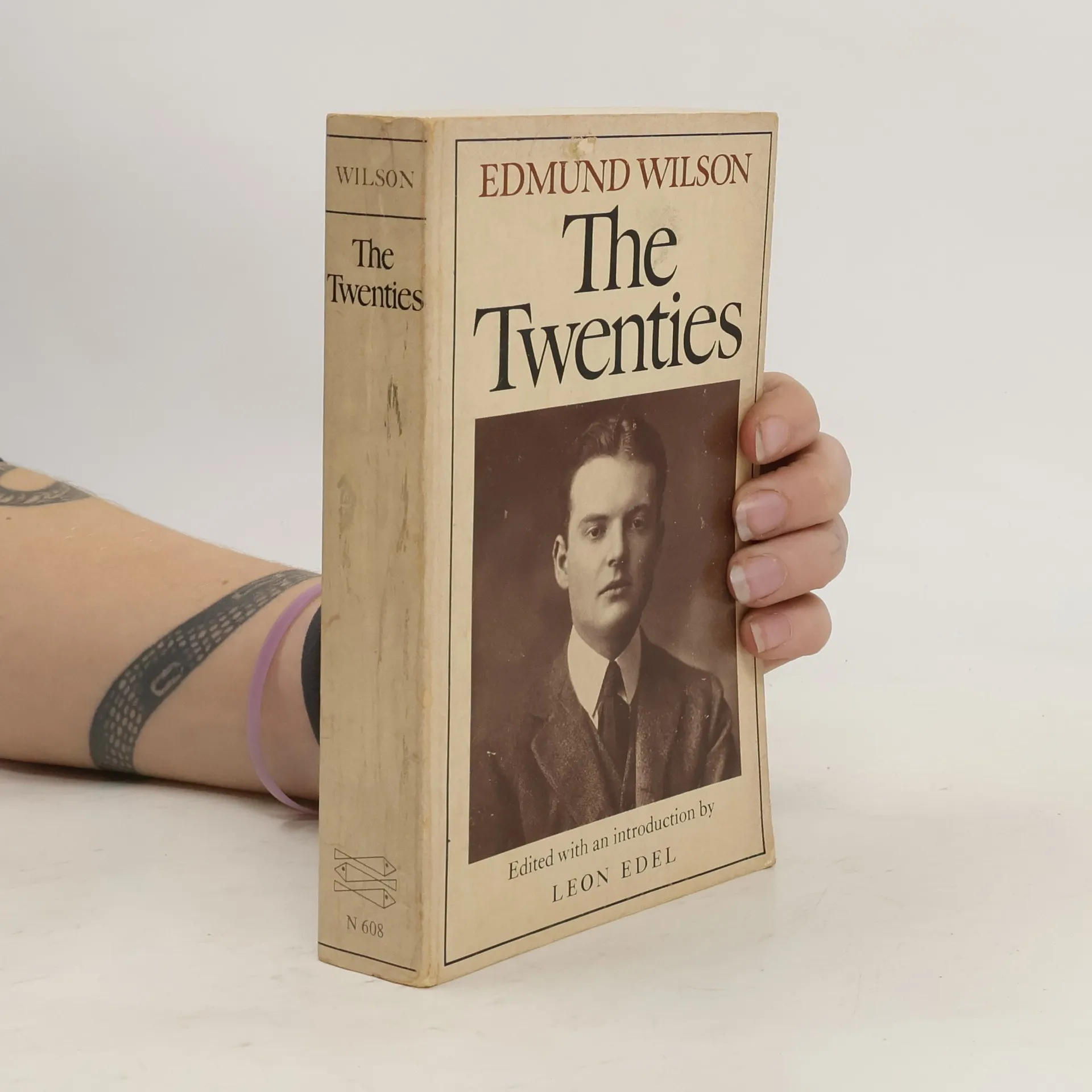
The distinguished American writer-critic's personal views of and reflections on the places, events, and people of the roaring decade, gathered and edited from his notebooks and journals.
Edmund Wilson was the dominant American literary critic from the 1920s until his death in 1972, but he was also far more than a chronicler of his times, a historian of ideas, a probing observer of himself and of the society around him.
到芬蘭車站 38
馬克思主義的起源及發展: A Study in the Writing and Acting of History
義大利邊城那不勒斯,窮學者維科,正伏案撰寫一部引動史學新思維的鉅著;革命之都巴黎,密謀顛覆拿破崙皇朝的革命家巴貝夫,慷慨陳詞臨刑前的自白:倫敦,流亡者的新故鄉,革命傳單與當票陪伴著馬克思,走完人生最後一程;聖彼得堡紅旗揮舞,列寧與托洛斯基口號高亢,宣告羅曼諾夫王朝的覆亡。跨越兩百年的時空場景,在本書作者的筆下一幕幕鋪陳,鉅細靡遺。不論是哲學家的桌案、死囚的斗室,西伯利亞大草原、巷戰方酣的街道,莊園深院裡的憂鬱、貧民窟惡臭中的喘息,透過艾德蒙·威爾森如臨現場的描繪,彷彿就在我們眼前重現。而書中輪番上場的演員們,有人燕尾風流、有人熱血沸騰,有人苦苦掙扎、有人風采華麗,有人惡毒如鬼、有人氣概英雄,細細數來:馬克思、恩格斯、巴貝夫、米西列、普魯東、巴枯寧、聖西蒙、傅利葉、歐文、拉薩爾、列寧、托洛斯基,個個叱吒風雲。乍看之下,他們彷彿神人,可崇拜而不可理解;但在本書豐富材料的顯像下,我們終能見到這些歷史演員的真面目。這一切的風雲際會、動盪起伏,都來自浪漫主義的革命大夢———一個以自己的手掌握自己人生的夢、一個志同道合共鑄命運的夢,夢想著創造一個全新的社會、一個以自由平等為基礎的共同體。在其中,不論男女,都可以自由展現自我、彼此相愛,達到人類得未曾有的境界。《到芬蘭車站》,一部極具創意的歷史著作,讓我們得以親見人類曾有過的革命夢想與願景。閱讀本書,或許可以教導我們如何繼續懷抱這些夢想,甚至讓這些願景成真。這本書,可以讓我們學著創造自己的未來。