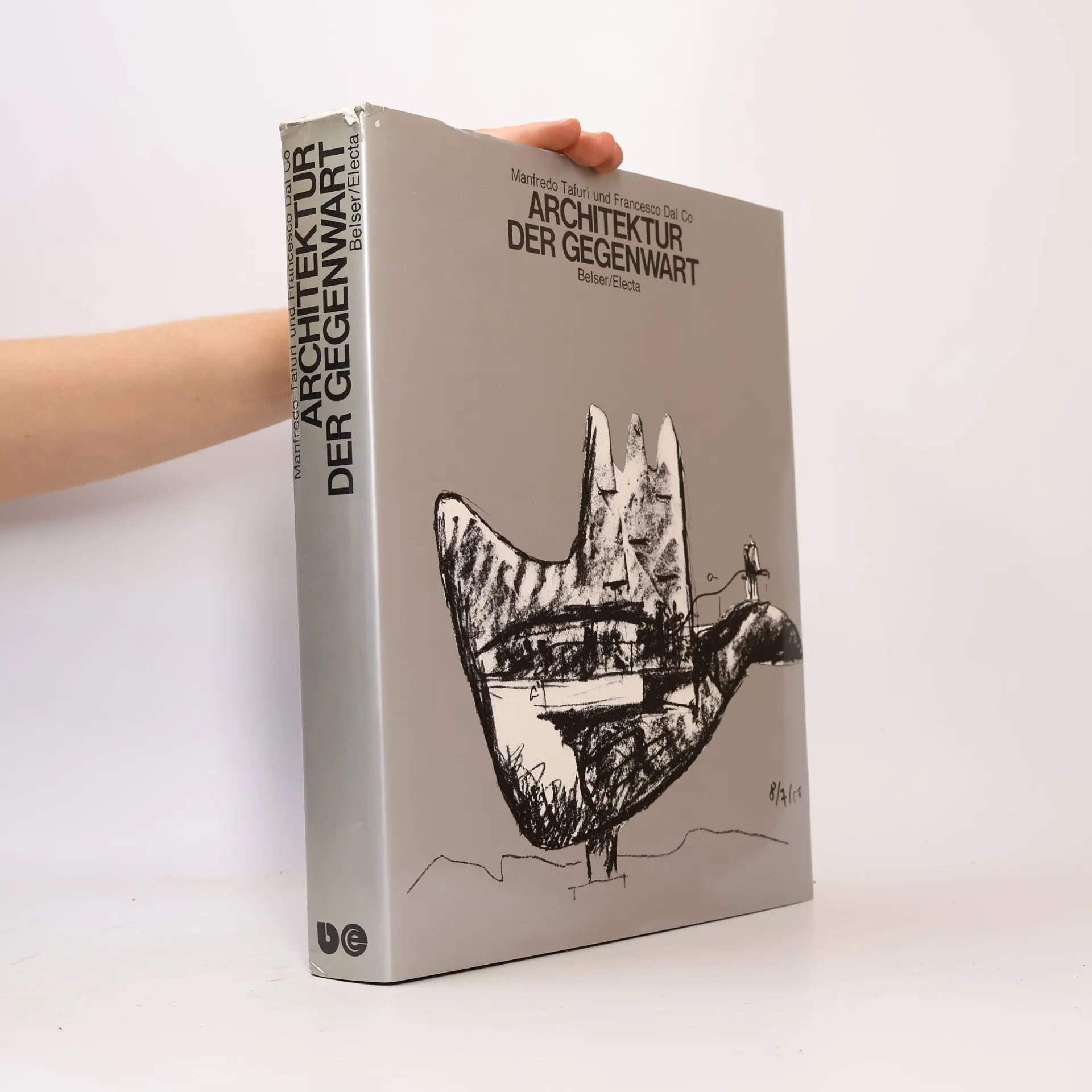
Weltgeschichte der Architektur- Klassische Moderne
- 246 Seiten
- 9 Lesestunden


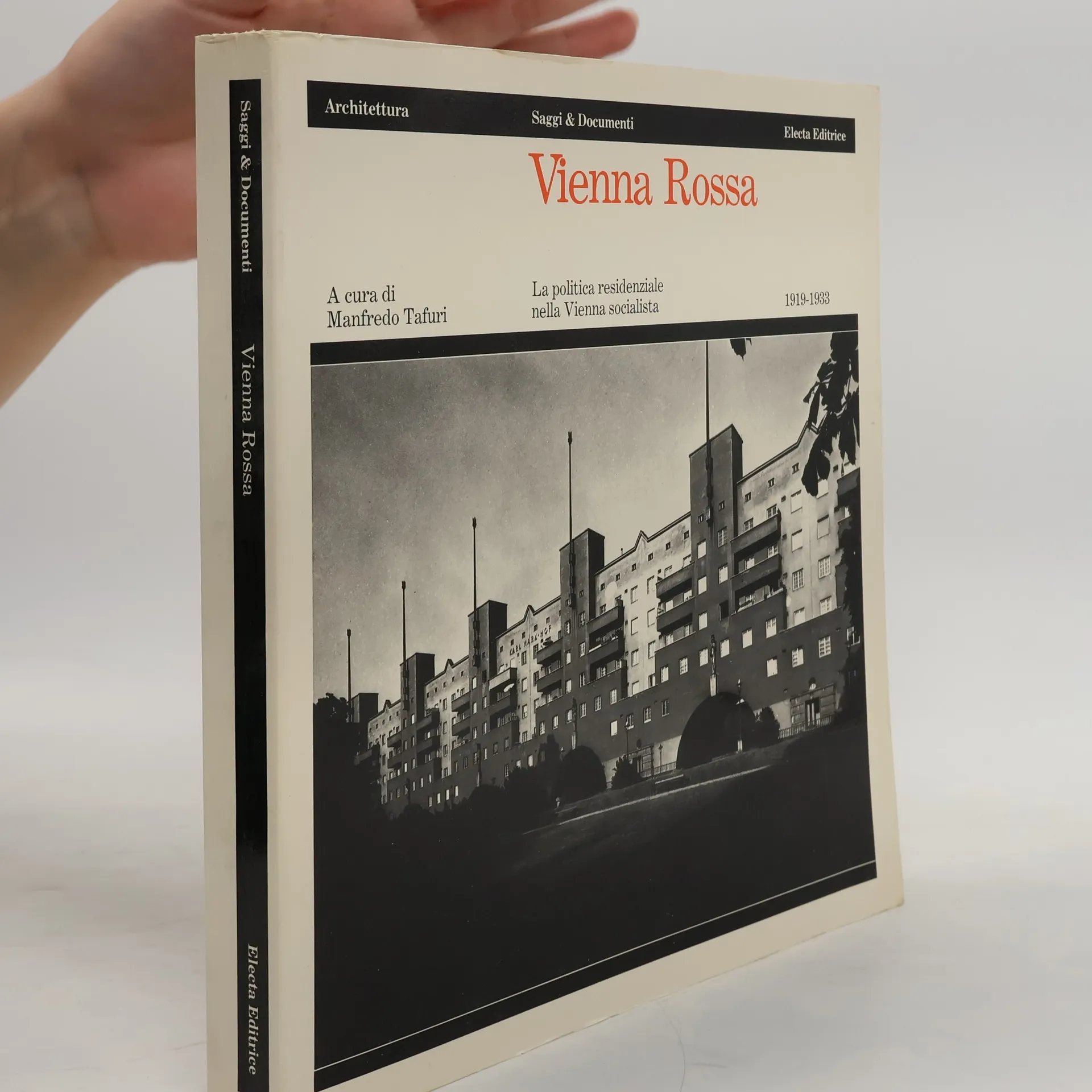
Manfredo Tafuri war eine Schlüsselfigur der Architekturgeschichte des 20. Jahrhunderts, der etablierte Ansichten in Frage stellte, die die Renaissance als „goldenes Zeitalter“ charakterisierten. Seine Arbeit zeichnete sich durch eine scharfe Kritik früherer Historiker und Theoretiker aus, denen er parteiische „operative Kritik“ vorwarf. Tafuri betrachtete die Architekturgeschichte nicht als lineare Entwicklung, sondern als ständigen Kampf auf kritischer, theoretischer und ideologischer Ebene, der durch die Zwänge der Praxis geprägt war. Für ihn war Architektur, definiert durch die Spannung zwischen ihrem künstlerischen Charakter und ihren technischen Dimensionen, ein Feld des ständigen Krisen, was sie zu einer lebendigen Arena für Debatten machte. Seine spätere Arbeit umfasste eine tiefgreifende Neubewertung der Renaissance-Architektur, die ihre sozialen, intellektuellen und kulturellen Kontexte sowie die Kraft der Repräsentation untersuchte.

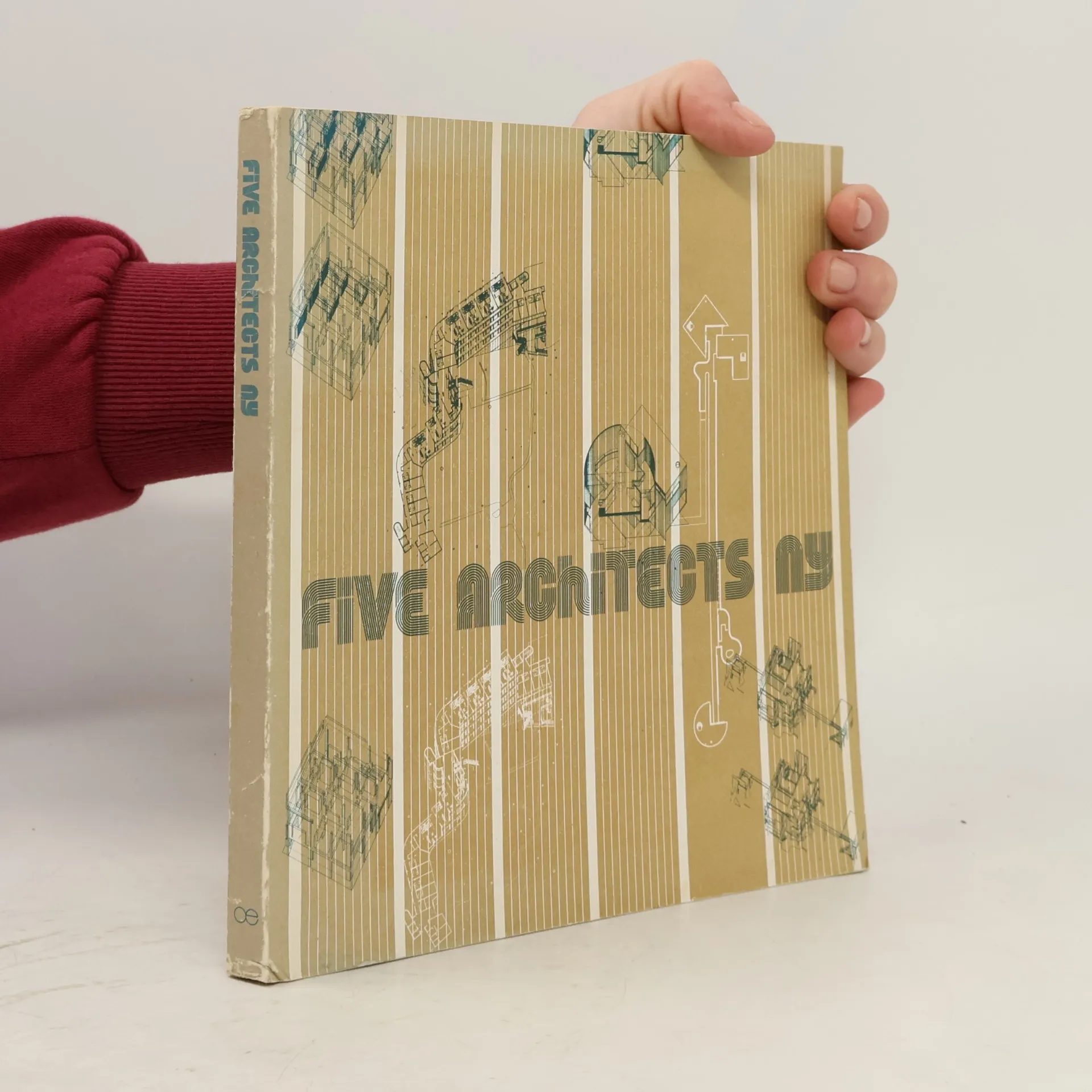
Architecture and Utopia leads the reader beyond architectural form into a broader understanding of the relation of architecture to society and the architect to the workforce and the marketplace.
Avant-Gardes and Architecture from Piranesi to the 1970's
This significant work by Manfredo Tafuri, a leading theoretical historian and critic of architecture and urbanism, critiques traditional historical investigation and criticism through a detailed analysis of avant-gardes and architectural discourses. Tafuri explores the distinctions between reality and ideology, the compromises made by avant-garde movements, and the conditions enabling their existence. He constructs a complex web of references and comparisons, interpreting history as an archaeology of fragments rather than a linear narrative. In his methodological introduction, he argues that historiography must challenge both its subjects and the historical project itself, including the critical languages it employs. The text traces a journey from Piranesi to postmodernism, highlighting how Piranesi, "the Wicked Architect," used architectural language to disrupt traditional boundaries. Tafuri identifies two major themes from Piranesi in the twentieth-century avant-gardes: the limits of forms and the violence inflicted upon them. He critiques the notion that aesthetic techniques could genuinely alter social and physical orders, revealing them as self-referential. Tafuri dissects the avant-garde's relationship with major world systems, including the USSR, the United States, and Weimar Germany, noting the disillusionment of the avant-garde in the 1970s as it engaged in a private dialogue with forms. Tafuri serves as Chairman of t
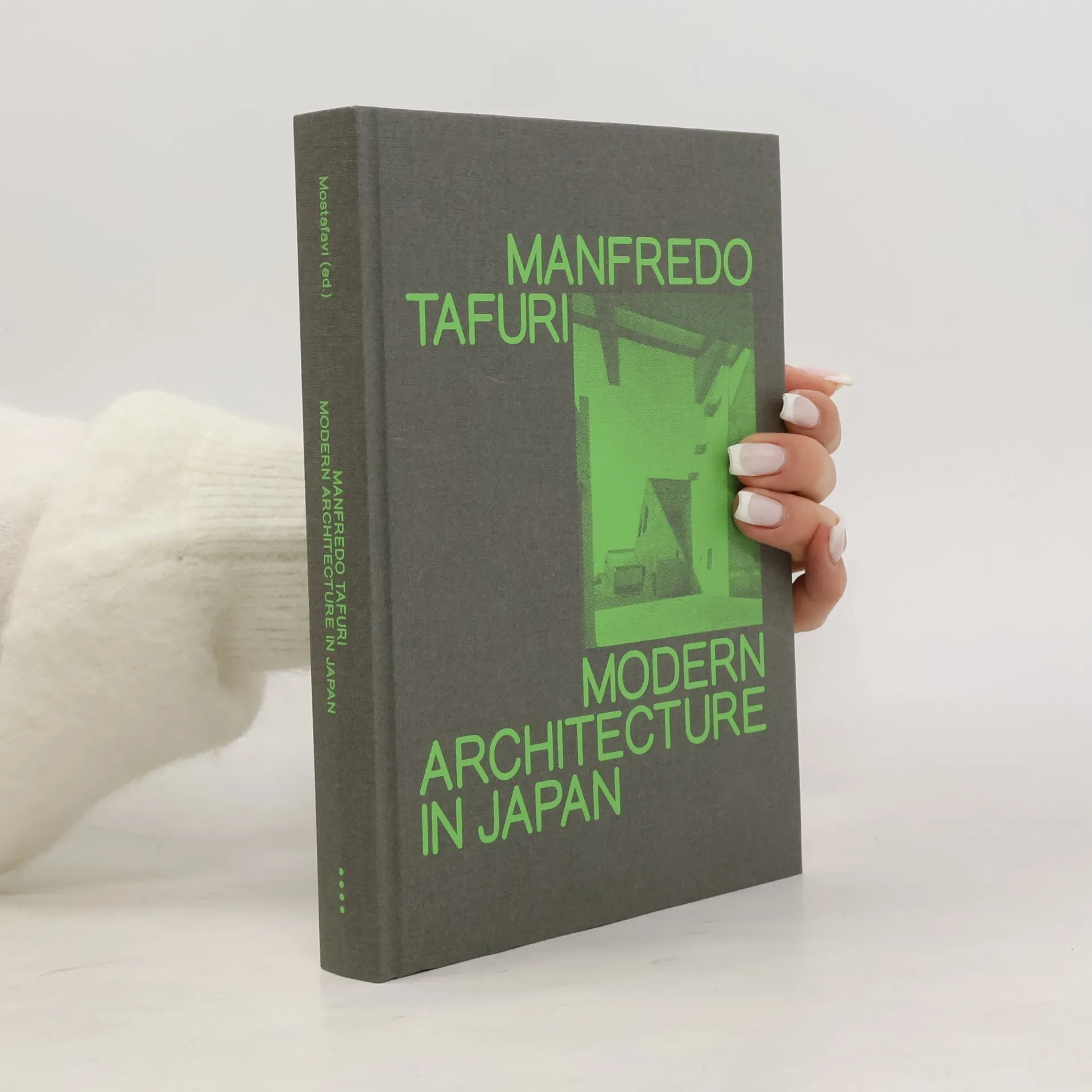
Manfredo Tafuri (1935–1994), the celebrated Italian architectural historian, published L’architettura moderna in Giappone in 1964. At the time, Tafuri was twenty-nine years old and had not visited Japan. His slim volume on the country’s postwar architecture was the first in a series of guidebooks on contemporary architecture under the direction of Leonardo Benevolo. Here, translated into English for the first time, the book presents a rare outsider’s view of the Metabolist movement and figures such as Kenzō Tange by one of the most astute critics of the second part of the twentieth century.Tafuri’s ideas about Japanese architecture were primarily formed through texts, including magazine articles and contemporary photographs. How did Tafuri come to select the achievements of Japanese architects as the focus of his reflections on modern architecture? What happens when a historian of architecture relies purely on photographs for making judgments about a building? Edited and introduced by Mohsen Mostafavi, this volume reflects on these questions and more, presenting the translated text alongside essays by Marco Biraghi, Catherine Ingraham, Ken Tadashi Oshima, Federico Scaroni, and Hajime Yatsuka, as well as a rich collection of images. Together, these materials situate the reader in relation to Tafuri’s scholarship, the histories of Japanese architecture and Italian criticism, and the idiosyncrasies of this luminous text.