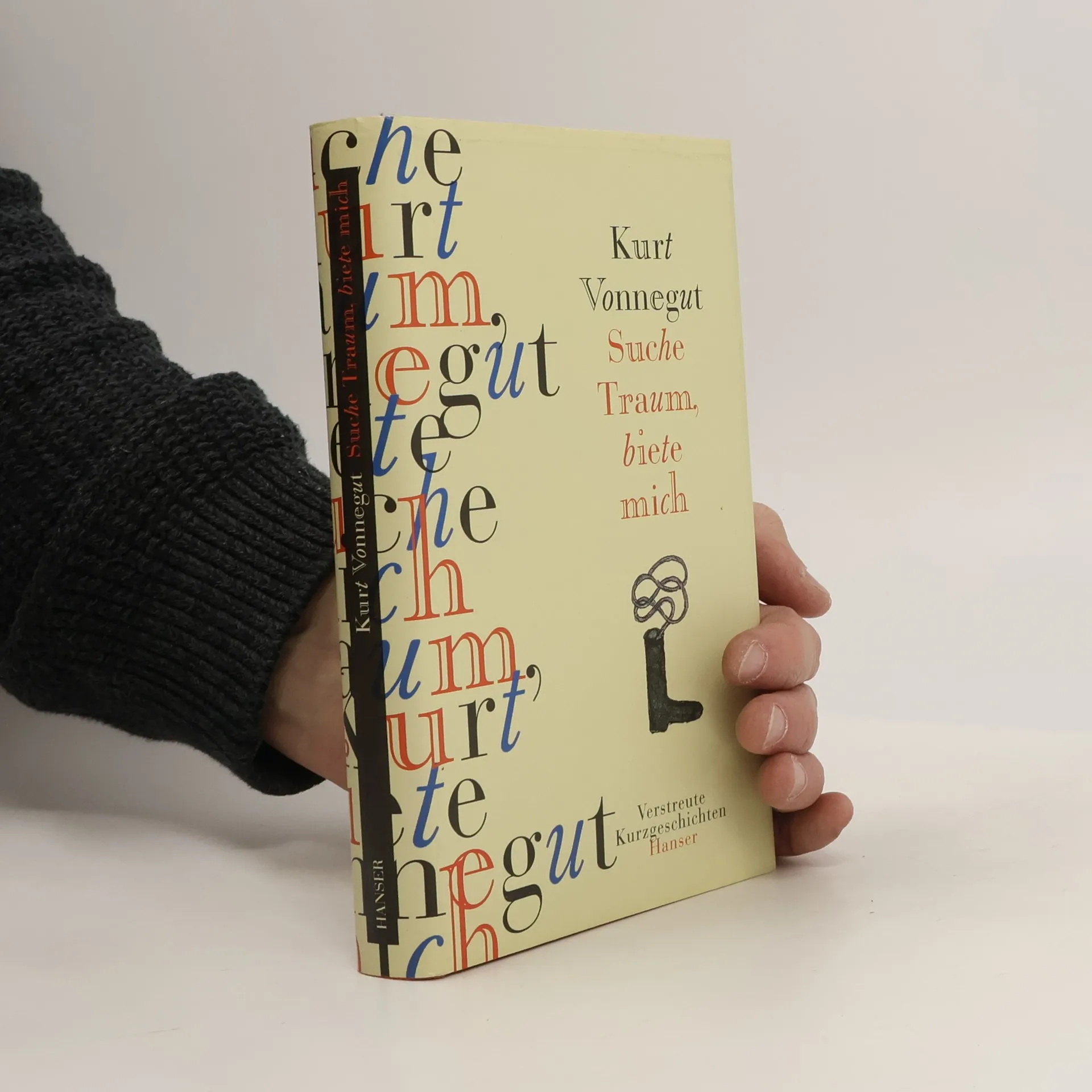
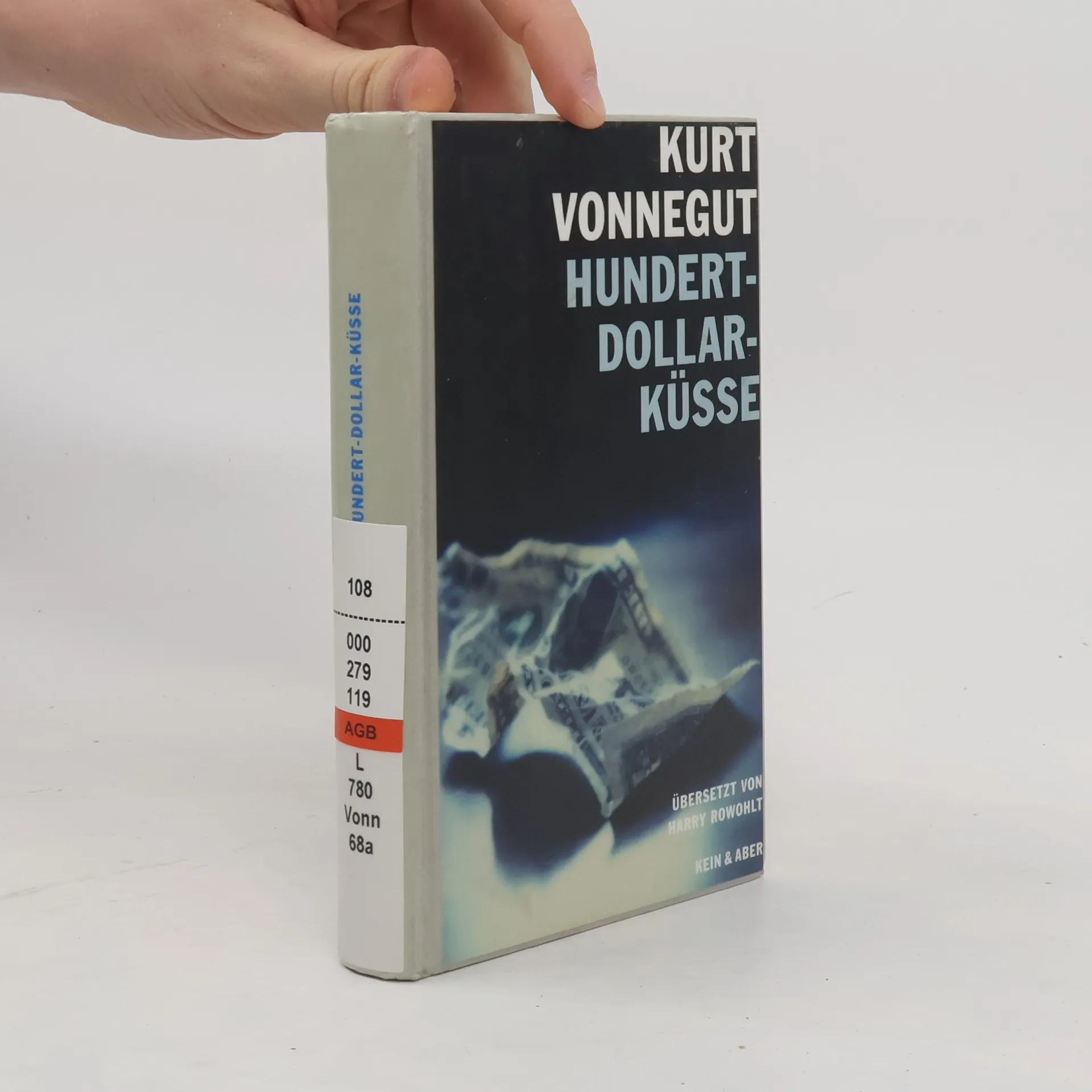
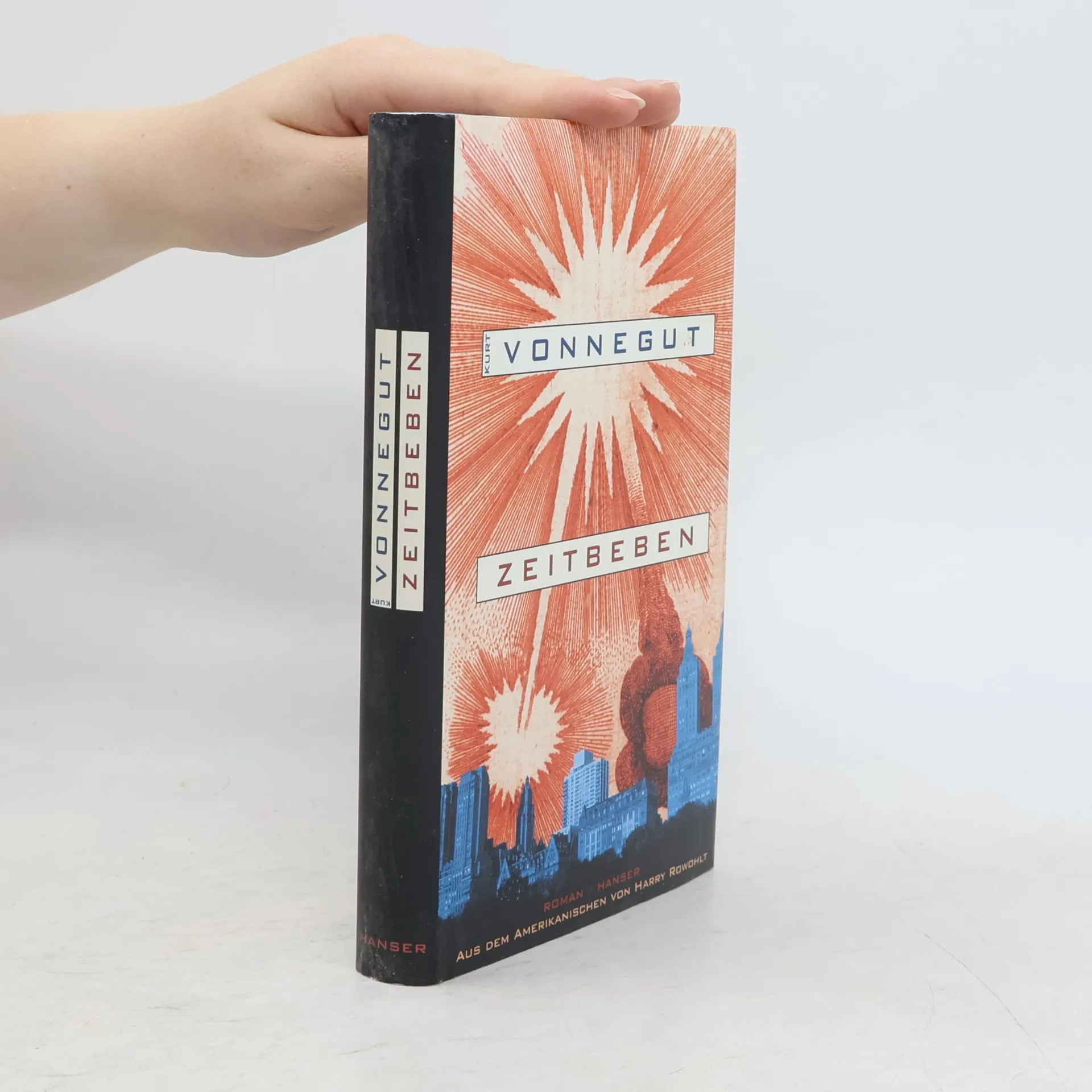
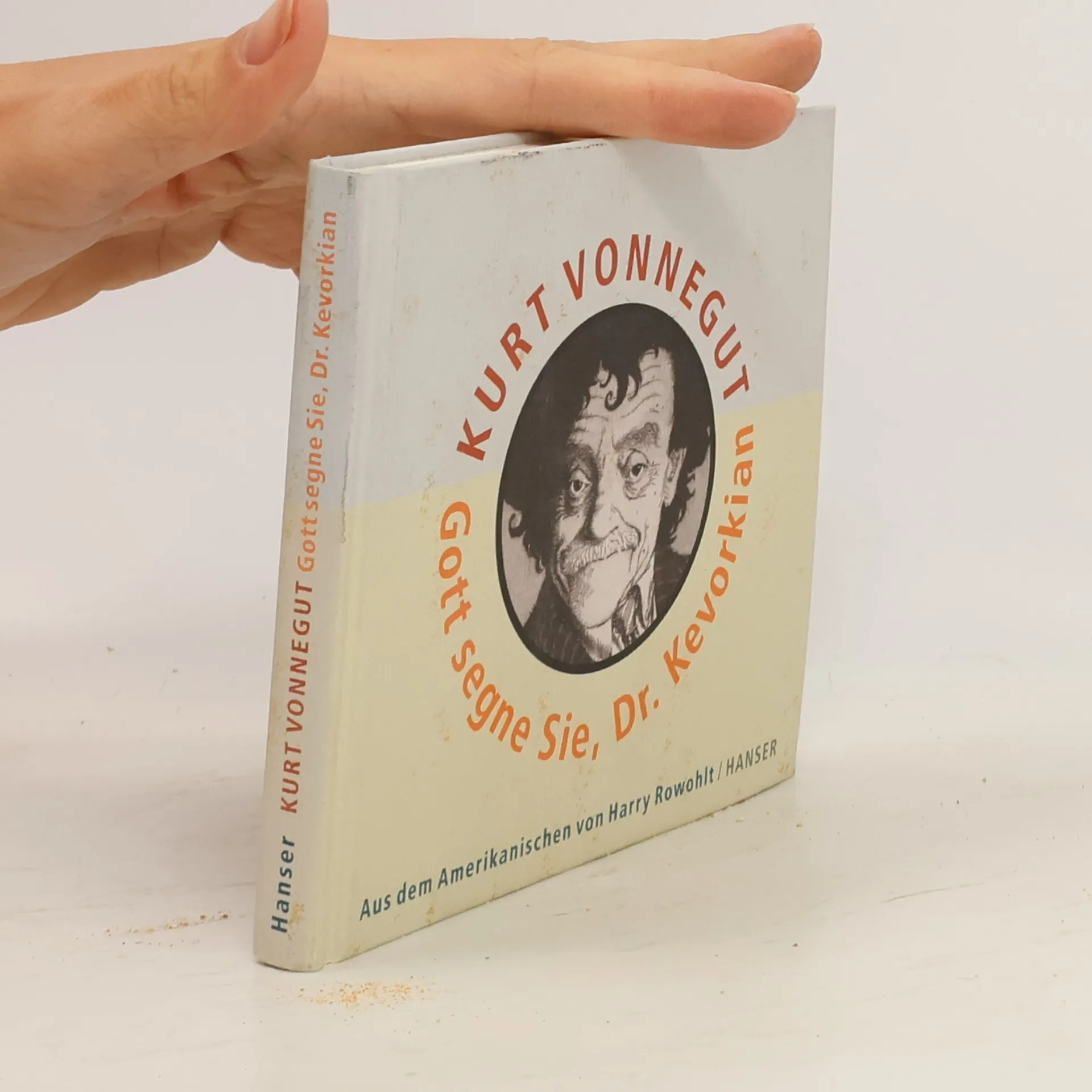
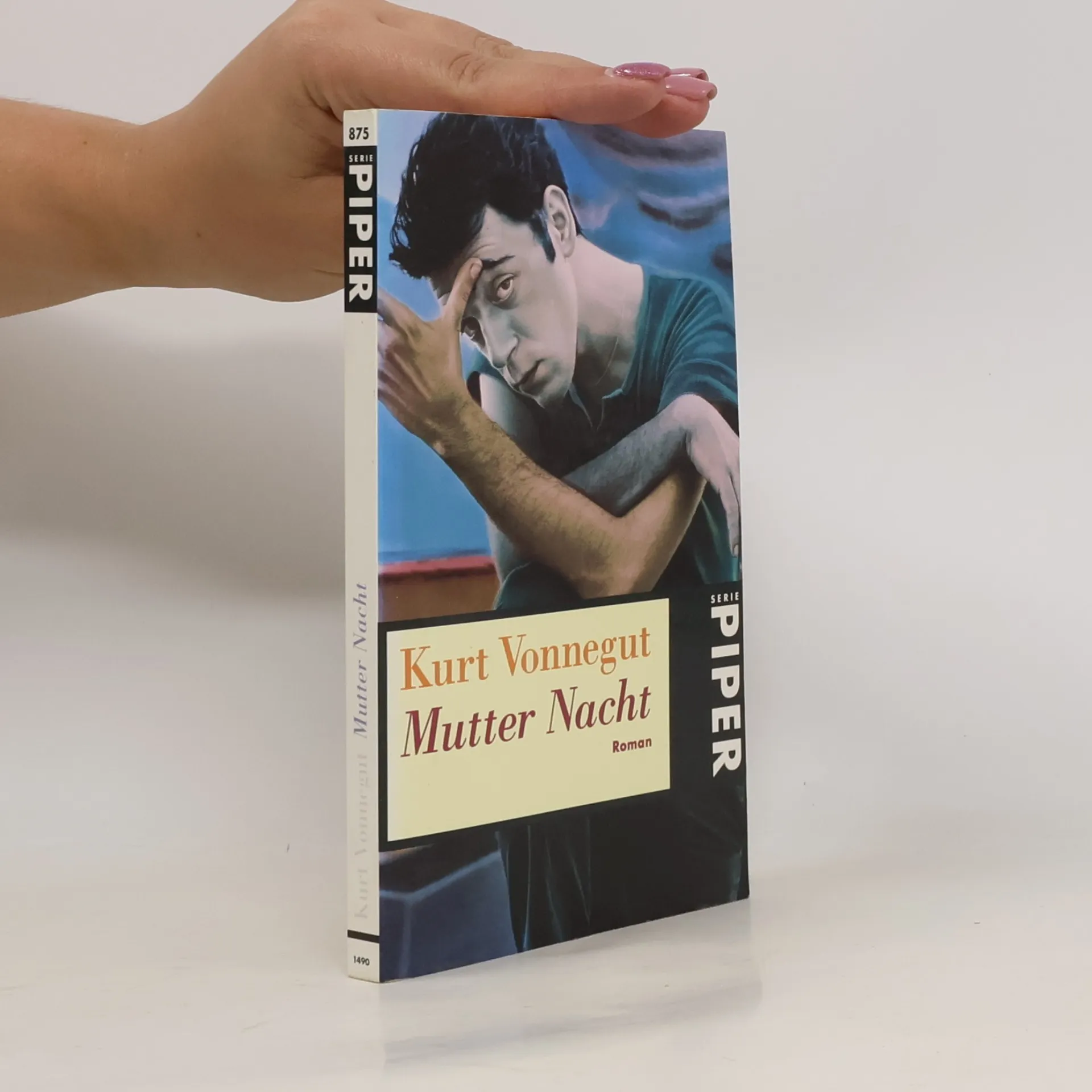
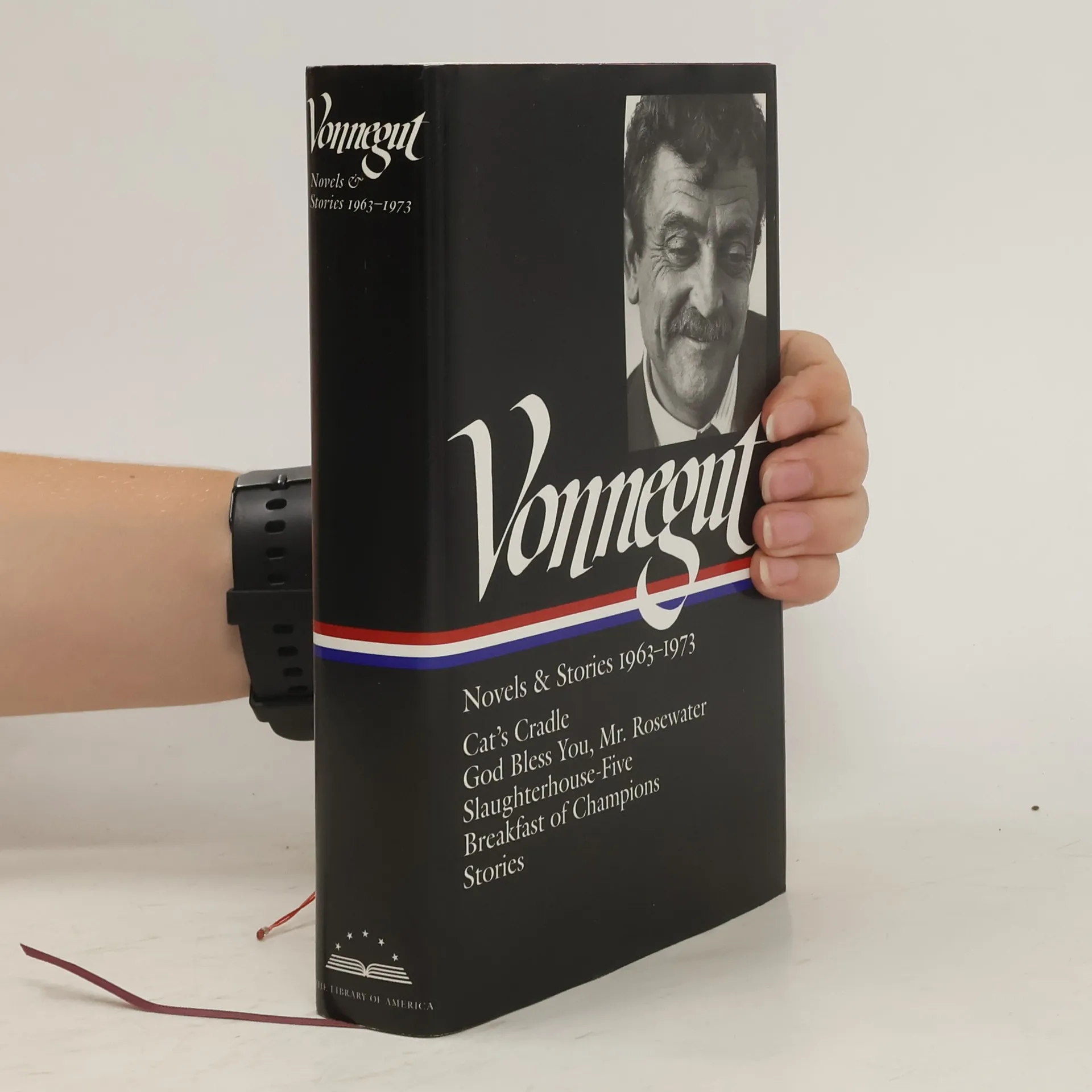
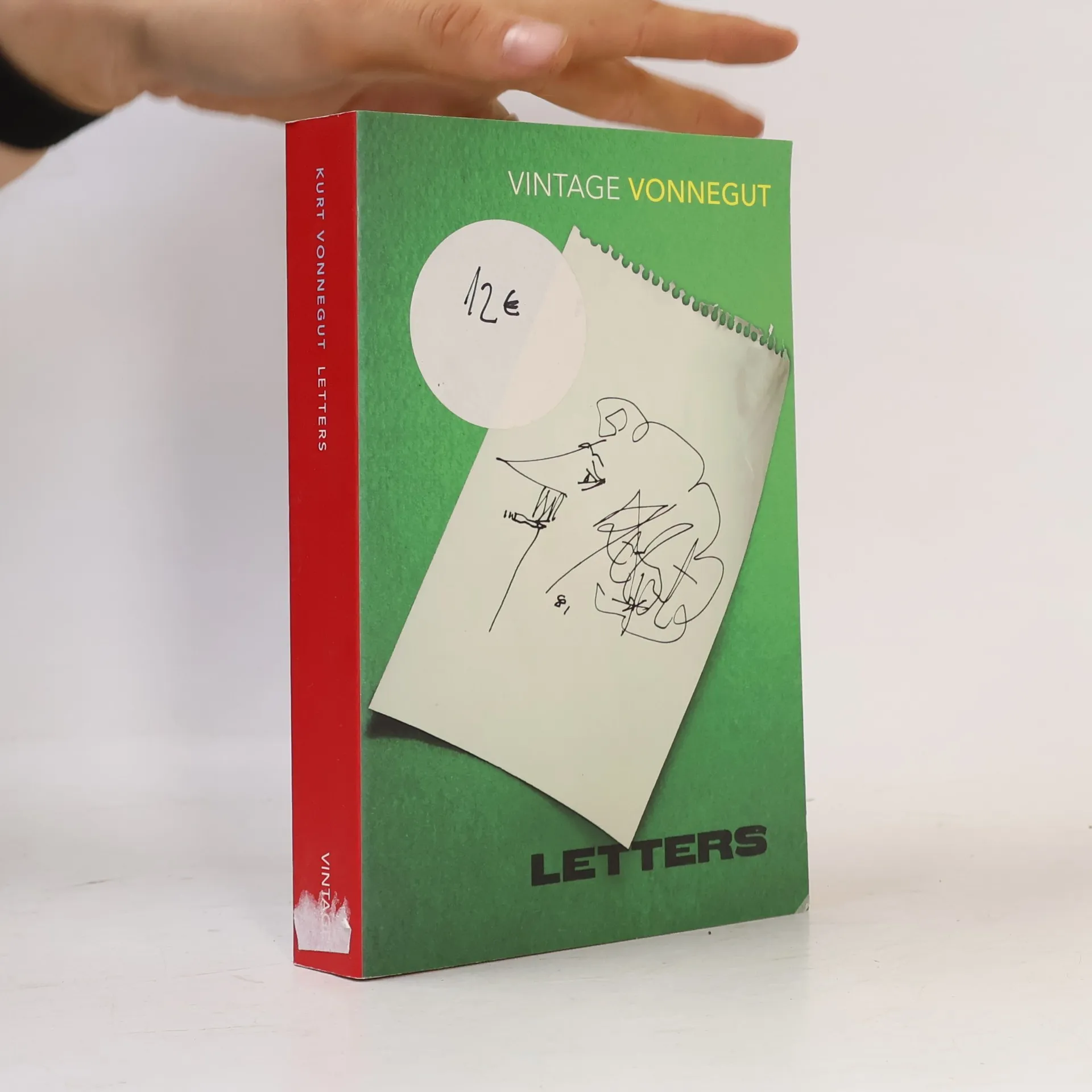
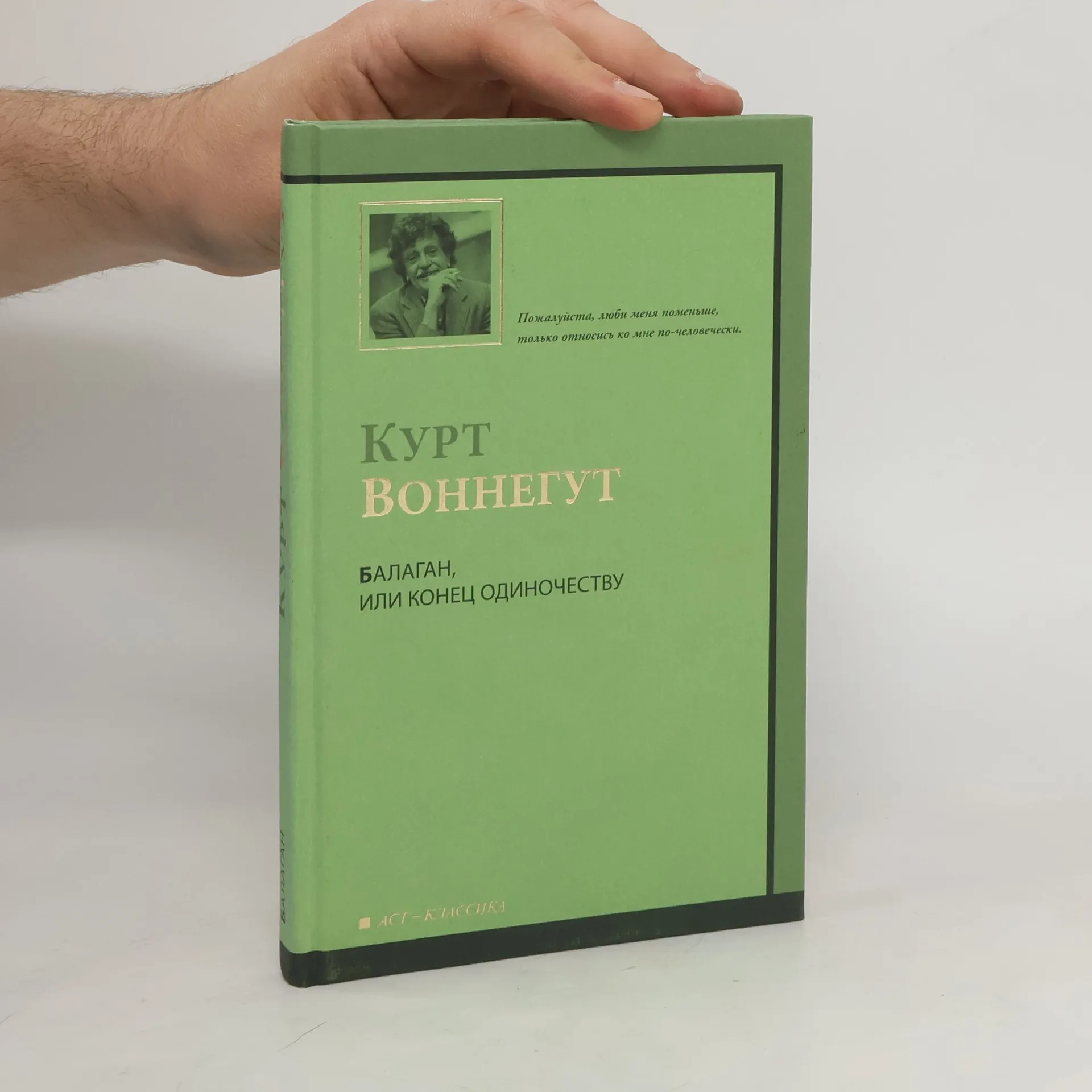
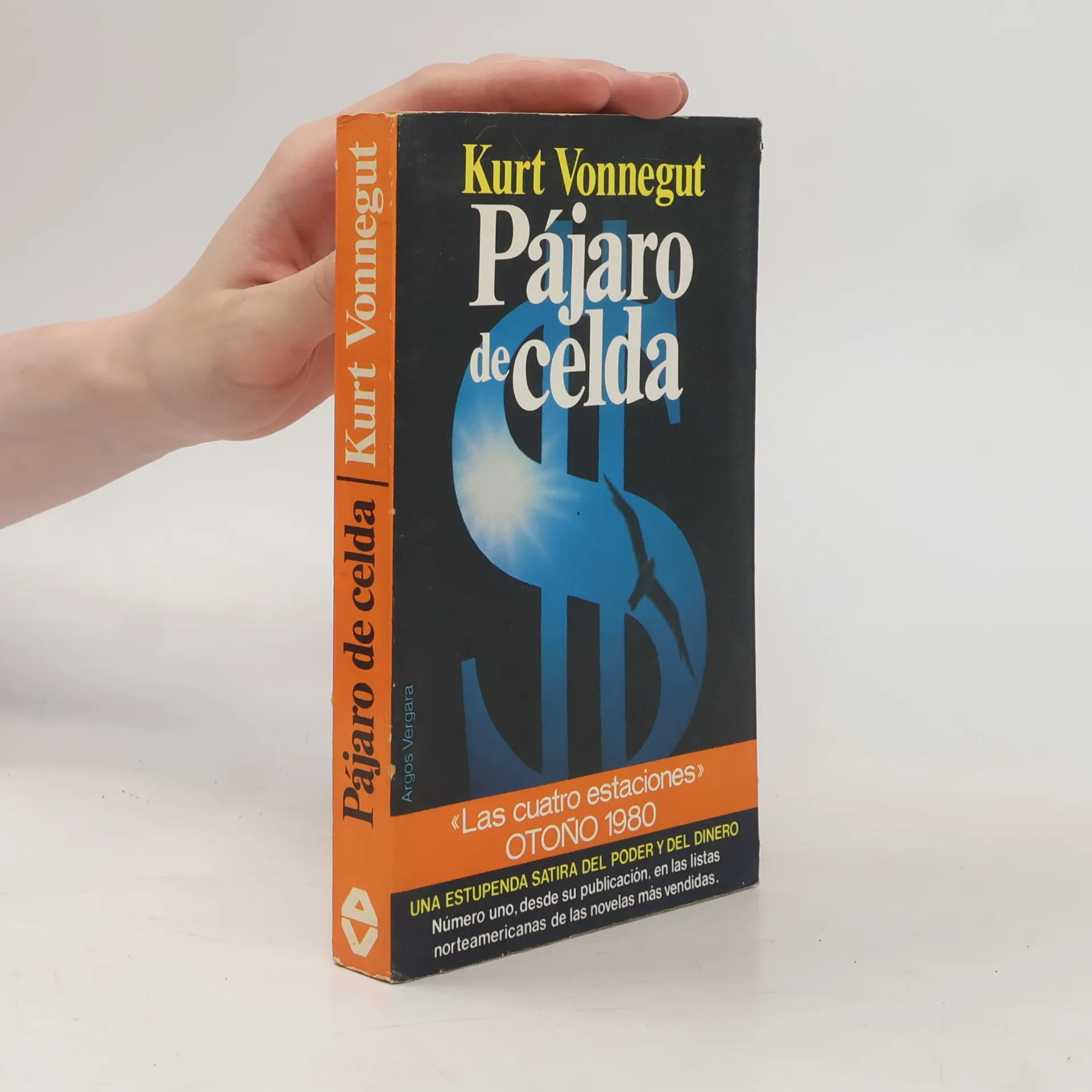
Kurt Vonnegut war ein amerikanischer Romanautor, Satiriker und Grafiker, der für seine Werke gefeiert wird, die Satire, schwarzen Humor und Science-Fiction meisterhaft verbinden. Sein unverwechselbarer Schreibstil, geprägt von seinen Erfahrungen als Journalist und seinen erschütternden Kriegserlebnissen, zeichnet sich durch seine schmucklose Prosa und scharfsinnige Beobachtungen der menschlichen Verfassung aus. Als selbsternannter Humanist und Sozialist befasst sich Vonneguts Erzählung häufig mit der Absurdität des Krieges, der Komplexität gesellschaftlicher Strukturen und der Suche nach Sinn, alles mit seiner charakteristischen Mischung aus tiefgründigem Witz und Pathos.
Dies ist der zweite Band von Vonneguts autobiografischen Schriften - eine Collage seiner eigenen Lebensgeschichte, die mit seinen Ansichten über alles von suizidaler Depression bis zur Zukunft des Planeten und Andrew Lloyd Webber kombiniert ist. Dieser seltene Einblick in Vonneguts Seele ist ein Dolch ins Herz der westlichen Selbstzufriedenheit.
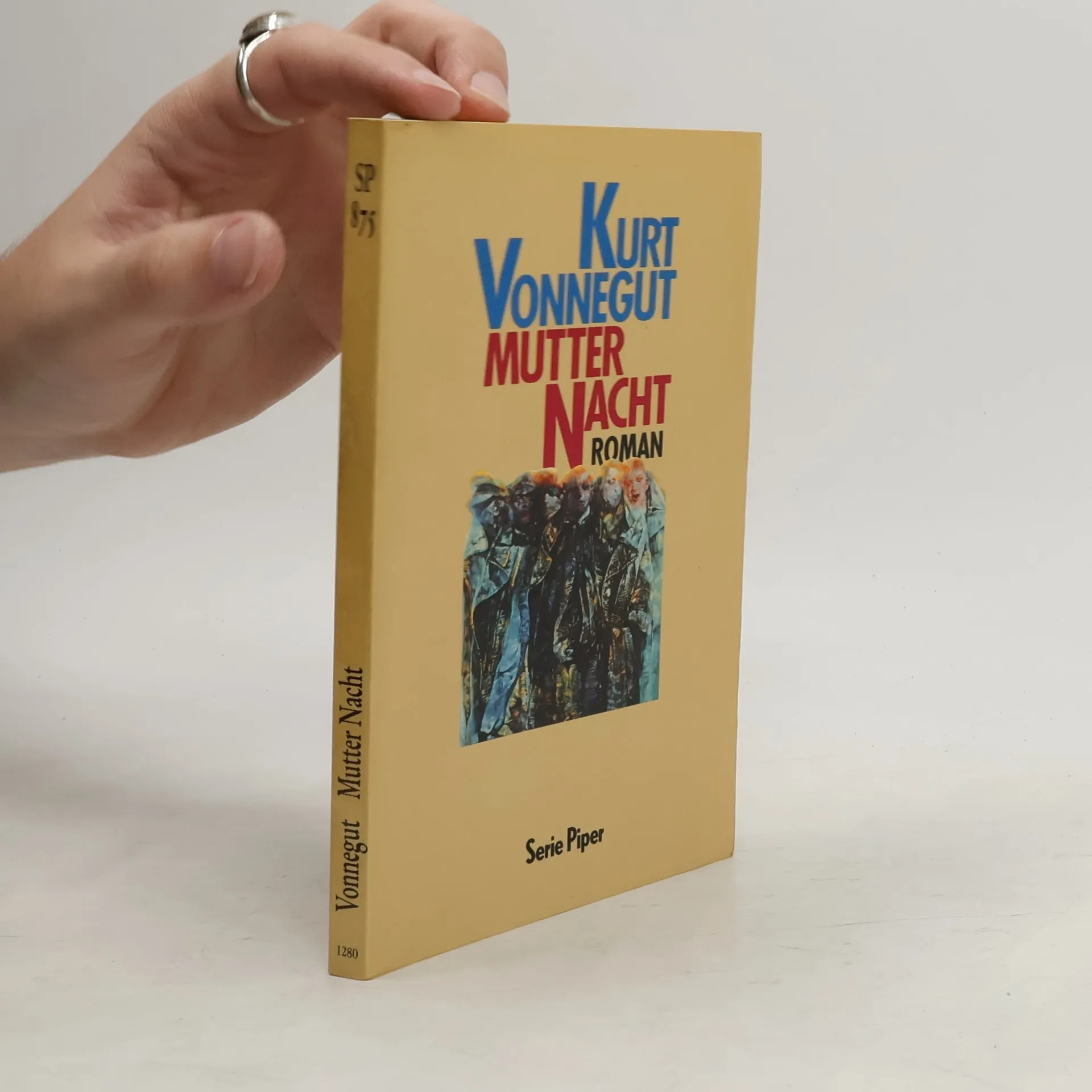
Einer der besten, tiefgründigsten und leidenschaftlichsten Romane von Kurt Vonnegut – eine unerwartet einfache und realistische Erzählung. Die Geschichte von Howard Campbell, einem Helden und Verbrecher, einem amerikanischen Schriftsteller, der im nationalsozialistischen Deutschland lebt. Er ist ein Spion, der gezwungen ist, sich als fanatischer Nazi auszugeben und Propagandasendungen im Radio zu leiten. Kann man im Namen des Guten dem Bösen dienen? Gewalt predigen, auch wenn man weiß, dass es letztlich helfen wird, die tödliche Maschinerie des Mordes zu stoppen? Wo verläuft die Grenze zwischen Licht und Dunkelheit, und wie kann man auf dieser Grenze bleiben? Kurt Vonnegut stellt sich und uns allen eine der ewigen Fragen, die sich jeder Mensch mindestens einmal im Leben stellt.
Zwanzig Stories von Kurt Vonnegut, der mit Romanen wie Schlachthof 5 oder Galapagos Weltruhm erlangte. Einmal mehr zeigt sich hier der Autor in Höchstform: witzig-aberwitzig, bitterböse und sarkastisch, nachdenklich, aber nie moralisierend und platt belehrend, unterhaltend, aber doch anspruchsvoll."Vonnegut ist eine der schärfsten Drogen, die zur Zeit auf dem deutschen Buchmarkt zu haben sind."(Pinkboard)"Vonnegut gibt sich als Narr, weil er ein Weiser ist. Wer ihm zuhören kann, wird mehr über die Gegenwart und Zukunft erfahren als von einem Dutzend Kathederpropheten."(Robert Jungk)
geboren 1922 in Indianapolis, studierte zunächst Biochemie. Als Angehöriger der US-Army geriet er in Kriegsgefangenschaft und wurde 1945 Zeuge des Luftangriffs auf Dresden. Seit den 50er Jahren lebte er als freier Schriftsteller in New York und verfaßte über hundert Kurzgeschichten und mehrere Romane. Er starb am 11. April 2007 in New York.
Der Doyen der amerikanischen Literatur (1922–2007) wirft einen messerscharfen Blick auf Amerika und auf das Leben. Egal, ob Kurt Vonnegut über die Zerstörung Dresdens schreibt, die er selbst miterlebt hat, ob er erklärt, warum er sich nicht als Präsidentschaftskandidat aufstellen läßt, oder ob er uns über die mangelnde dramaturgische Struktur des Hamlet aufklärt: Immer verbindet Kurt Vonnegut Autobiographisches und politische Analyse, scharfsinnig und warmherzig, voll beißenden Humors und wunderbar eigensinnig.
Der große Klassiker der amerikanischen Literatur in neuer Übersetzung von Peter Torberg Doktor Felix Hoenikker, einer der Väter der Atombombe, hat der Welt ein noch tödlicheres Erbe hinterlassen: Ice-Nine, eine Substanz, die alles Wasser auf dem Planeten gefrieren lassen kann. Schriftsteller Jonah versucht, herauszufinden, wo Ice-Nine jetzt ist. Seine Suche führt ihn nicht nur zu Hoenikkers drei exzentrischen Kindern, sondern auch in den Inselstaat San Lorenzo, wo Liebe und Wahnsinn Hand in Hand gehen. Und tatsächlich lüftet Jonah das Geheimnis von Ice-Nine – mit fatalen Folgen … Kurt Vonneguts bitterböse Satire auf den Untergang der Welt – jetzt in neuer Übersetzung von Peter Torberg!
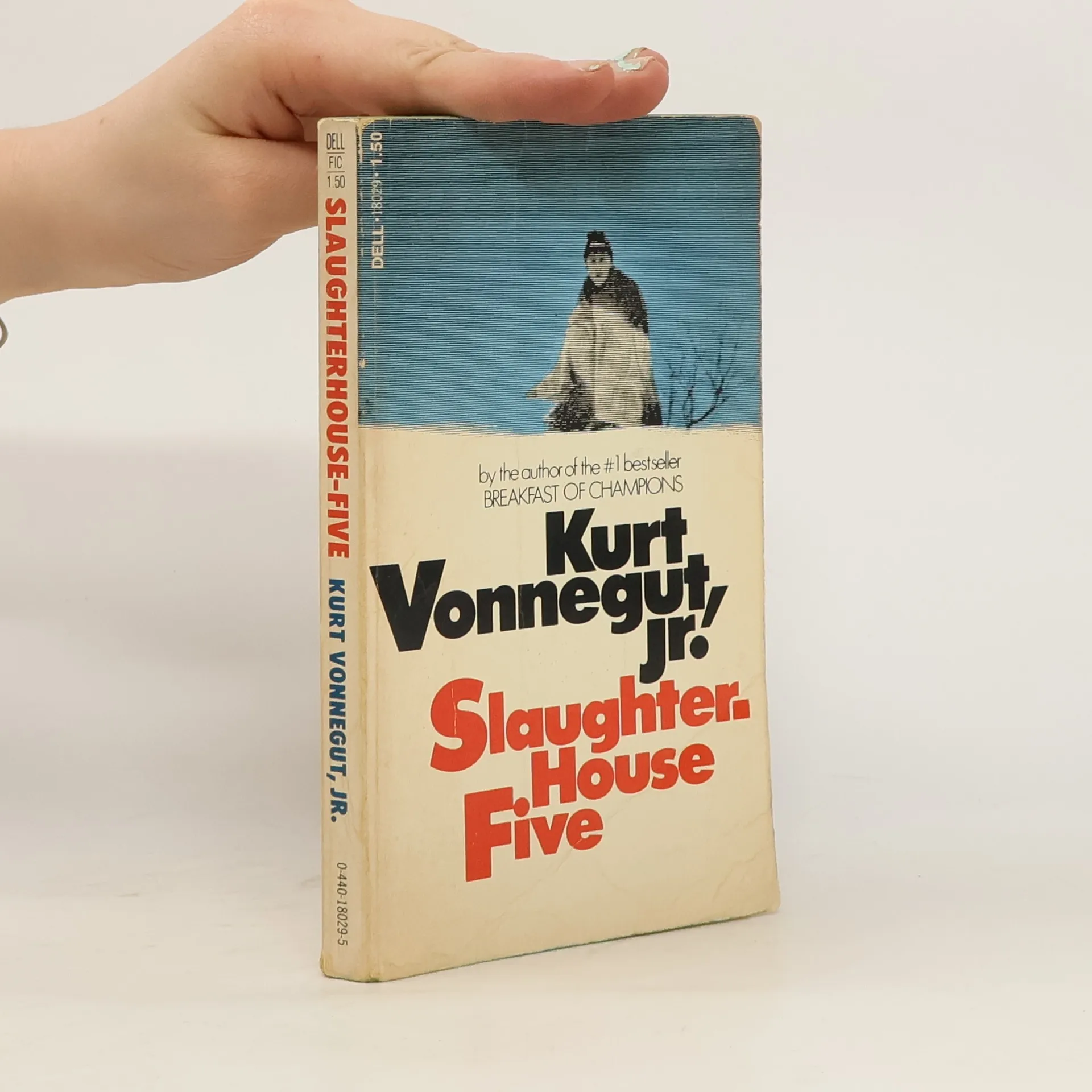
Kurt Vonnegut hat als amerikanischer Kriegsgefangener die Luftangriffe auf Dresden im Keller eines Schlachthauses überlebt. Sein Buch über diese Erfahrungen ist einer der wichtigsten Antikriegsromane der Weltliteratur. Vonnegut beschreibt weniger die Zerstörung der Stadt als die eines Menschen. Billy Pilgrim driftet, aus der Zeit gefallen, durch die Episoden seiner eigenen Biographie – als Einzelner hilflos gegenüber den unfassbaren Schrecken und dem Grauen des Krieges.
«Kurt Vonnegut ist George Orwell, Dr. Caligari und Flash Gordon in einer Person.» time
geboren 1922 in Indianapolis, studierte zunächst Biochemie. Als Angehöriger der US-Army geriet er in Kriegsgefangenschaft und wurde 1945 Zeuge des Luftangriffs auf Dresden. Seit den 50er Jahren lebte er als freier Schriftsteller in New York und verfaßte über hundert Kurzgeschichten und mehrere Romane. Er starb am 11. April 2007 in New York.
geboren 1922 in Indianapolis, studierte zunächst Biochemie. Als Angehöriger der US-Army geriet er in Kriegsgefangenschaft und wurde 1945 Zeuge des Luftangriffs auf Dresden. Seit den 50er Jahren lebte er als freier Schriftsteller in New York und verfaßte über hundert Kurzgeschichten und mehrere Romane. Er starb am 11. April 2007 in New York.
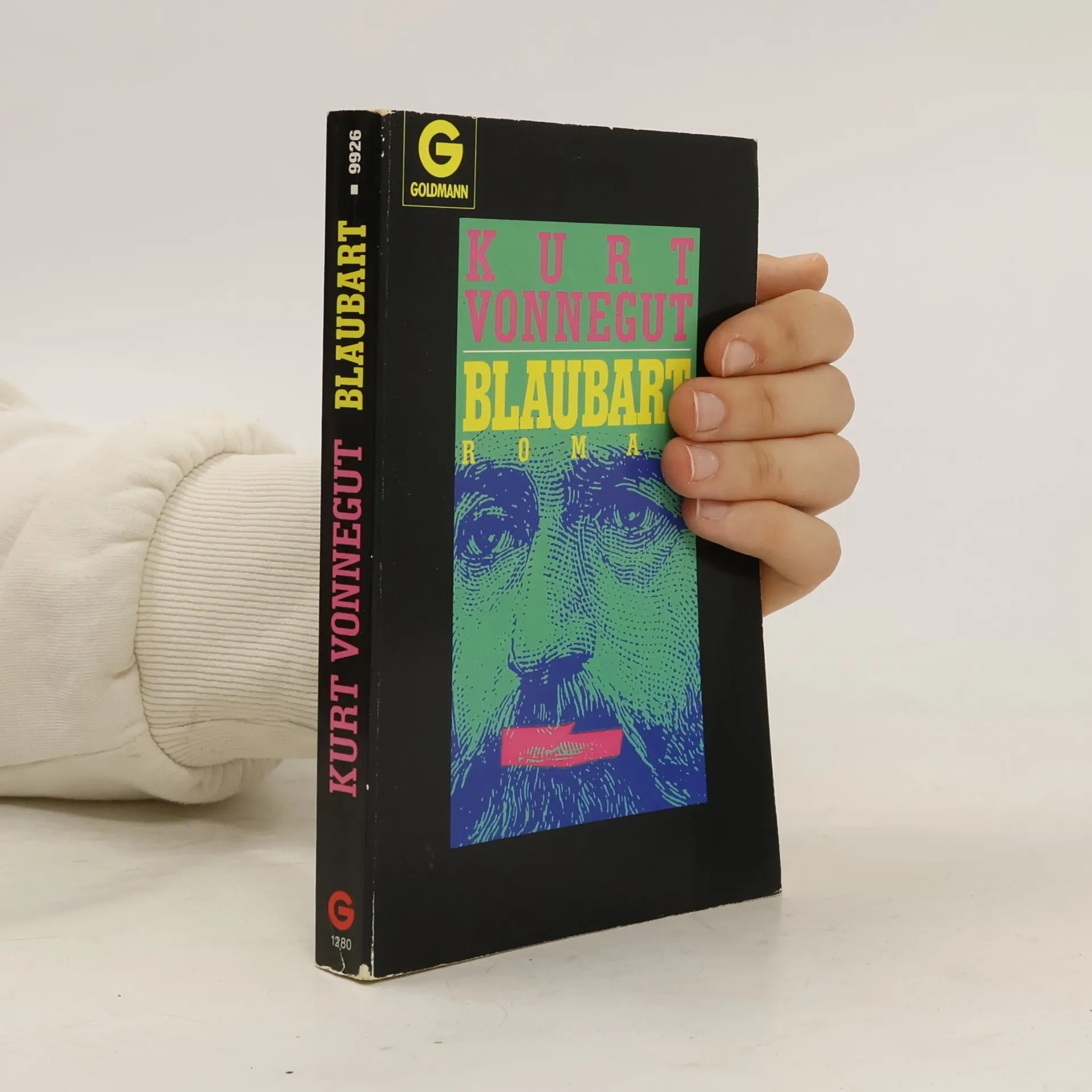
Fiktive Autobiografie von Rabo Karabekian, einem einäugigen Maler und Kriegsveteranen, der in die Geschichte der amerikanischen Kunst als Fußnote eingegangen ist. Durch ihn reflektiert Kurt Vonnegut über einige groteske Phänomene der amerikanischen Gesellschaft des zwanzigsten Jahrhunderts.
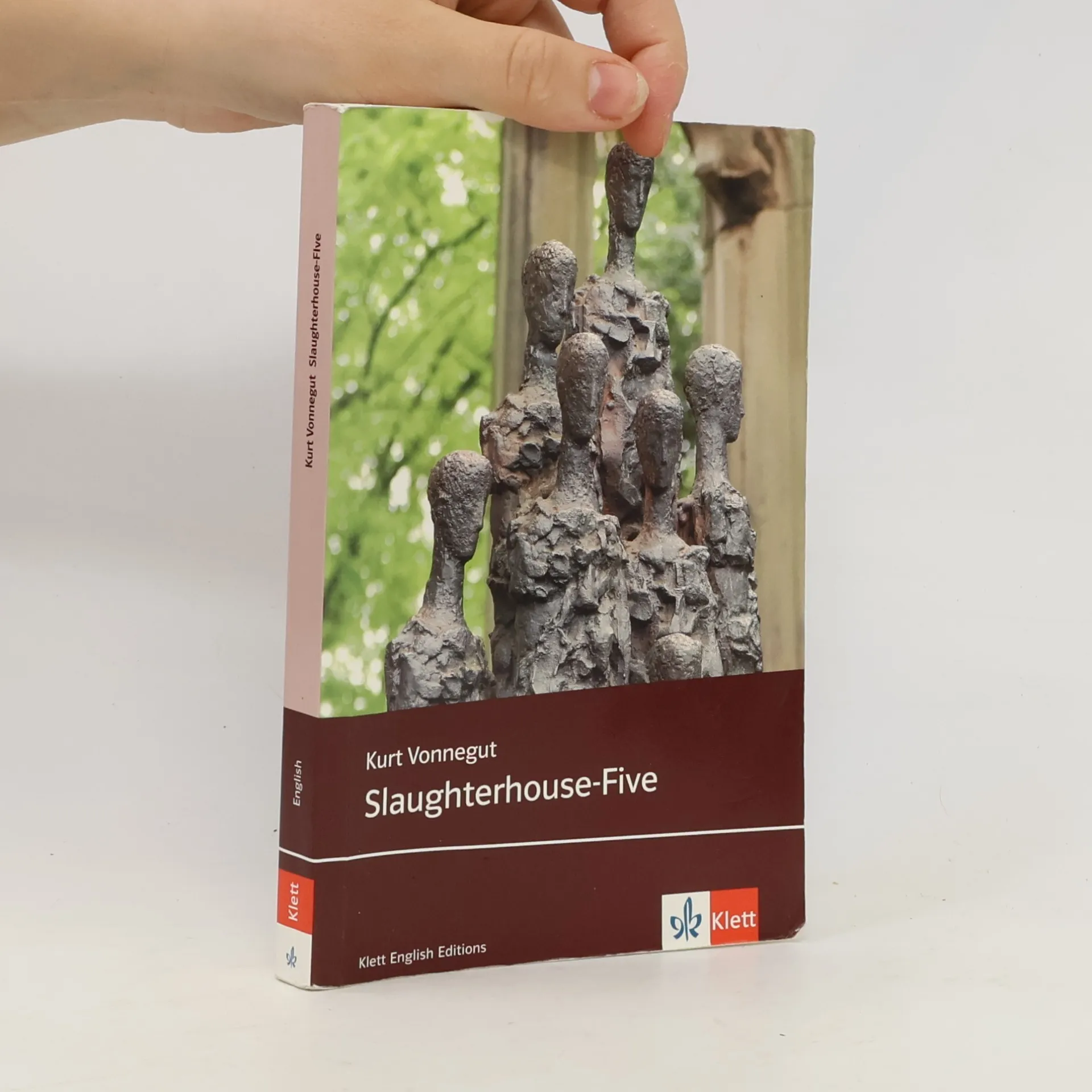
Billy Pilgrim, der Held von Slaughterhouse-Five, entdeckt als Soldat im Zweiten Weltkrieg, dass er sich in der vierten Dimension, losgelöst von der Sequenzialität der Zeit, bewegt. So pendelt er ungewollt vom Jetzt zu seinem eigenen Tod, von seinem Leben nach dem Krieg zurück in das Kriegsgefangenlager in Dresden, wo er die Zerstörung der Stadt am 14. Februar 1945 erlebte. Vonneguts bewegender Antikriegsroman ist eine literarische tour de force. In Slaughterhouse-Five verarbeitete er seine eigenen Kriegerlebnisse. Originaltext mit Annotationen und Zusatztexten.
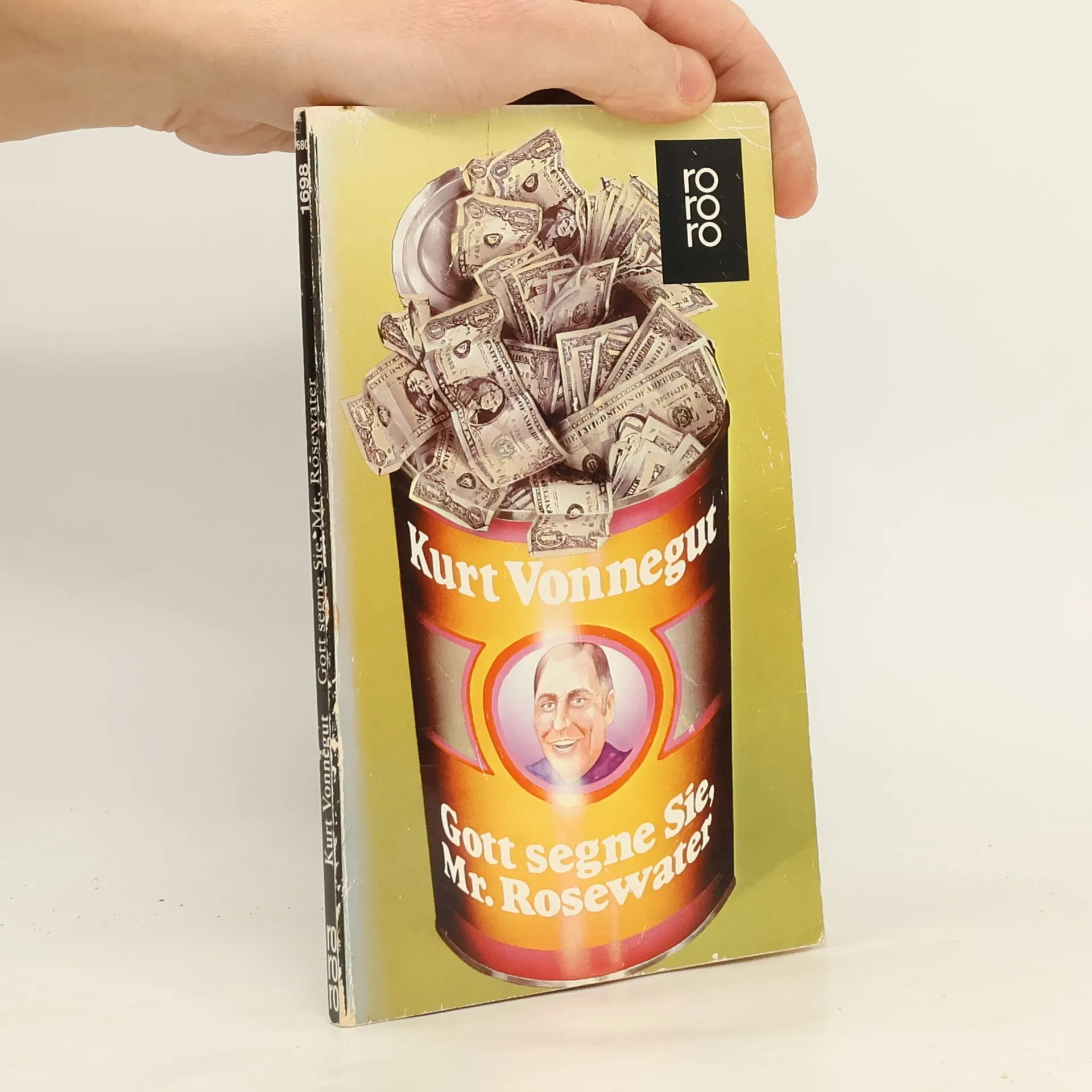
Second only to Slaughterhouse-Five in Vonnegut's canon, this novel features Eliot Rosewater, a wandering, semi-crazed millionaire on a quest for heritage and philanthropy. He introduces Kilgore Trout, a desperate yet visionary hack writer, who serves as both conscience and cautionary tale. Rosewater, seeking meaningful use of his inheritance from his entrepreneurial father, attempts to do good amidst pervasive cynicism and corruption. A pivotal moment occurs when Rosewater attends a science fiction conference in Milford, Pennsylvania, where he delivers a famous monologue that resonates with writers and critics for decades: "None of you can write for sour apples... but you're the only people trying to come to terms with the really terrific things which are happening today." The narrative is driven not by money but by outrage at the human condition, especially in the face of a corrupt lawyer aiming to manipulate the Rosewater fortune. The story unfolds through a series of short tales about Eliot's interactions with the citizens of Rosewater County, often concluding with a punch line. The antagonist Mushari's story is similarly presented, revealing various human hypocrisies with dark humor. The novel was adapted into a musical by Alan Menken in 1979.
Look at the Birdie collects 14 short stories from an original writer in American fiction. This series of vignettes, never published in Vonnegut’s lifetime, reveals a warm, wise & funny portrait of life in post–WWII America--a world where squabbling couples, high school geniuses, misfit office workers & small-town lotharios struggle to adapt to changing technology, moral ambiguity & unprecedented affluence. Featuring a Foreword by author & longtime Vonnegut confidant Sidney Offit, Look at the Birdie is for readers who thought that Vonnegut’s voice had been stilled forever & introduces his short fiction to any who have yet to experience it. Foreword Letter from Kurt Vonnegut, Jr, to Walter J. Miller, 1951 Confido FUBAR Shout about it from the housetops Ed Luby's key club A song for Selma Hall of mirrors The nice little people Hello, Red Little drops of water The petrified ants The honor of a newsboy Look at the birdie King & queen of the universe The good explainer Illustrations
Ein durch geistige Öde und Überdruss in einem mechanisierten Superstaat hervorgerufener Aufstand gegen die Maschinen scheitert schliesslich an der Unfähigkeit der Menschen, ohne Maschinen zu leben.
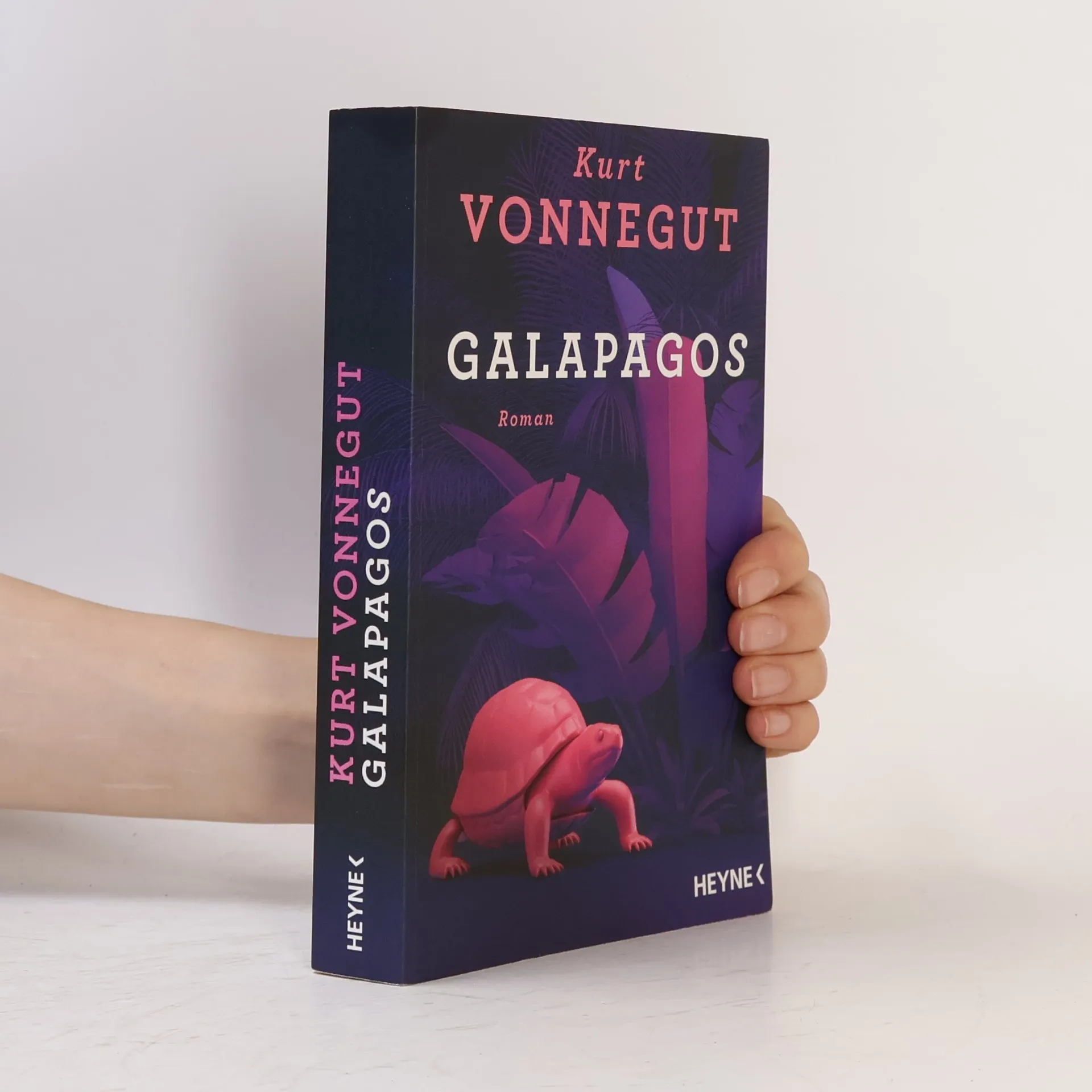
Vor einer Million Jahre – 1986, um genau zu sein – ist die Welt, wie wir sie kennen, dem Untergang geweiht. Erst brechen die Finanzmärkte der Erde zusammen, dann das Klima und schließlich sorgt eine Pandemie dafür, dass alle Frauen unfruchtbar werden. Alle bis auf diejenigen, die sich an Bord des Kreuzfahrtschiffes Bahia de Darwin auf dem Weg zu den Galapagos-Inseln befinden. Plötzlich sind die Passagiere die letzte Hoffnung der Menschheit. Doch damit die Menschen als Spezies überleben können, muss sie die Evolution von dem befreien, was sie beinahe in den Untergang geführt hätte: ihren übergroßen Gehirnen.
Leidenschaftlich und witzig schreibt Kurt Vonnegut in diesen erstmals auf Deutsch erscheinenden Geschichten über Gott, die Liebe, Krieg und Karl Marx. Übersetzt hat Harry Rowohlt.§§Die einen bezeichneten ihn als den größten Schriftsteller seiner Zeit, andere ärgerten sich über seine Provokationen. Kalt ließ er auf jeden Fall keinen mit seinen Büchern, die vor phantastischen Einfällen sprühten und unvergessliche Charaktere im Gedächtnis ihrer Leser hinterließen.
geboren 1922 in Indianapolis, studierte zunächst Biochemie. Als Angehöriger der US-Army geriet er in Kriegsgefangenschaft und wurde 1945 Zeuge des Luftangriffs auf Dresden. Seit den 50er Jahren lebte er als freier Schriftsteller in New York und verfaßte über hundert Kurzgeschichten und mehrere Romane. Er starb am 11. April 2007 in New York.
Przewrotna opowieść o rozgoryczonym życiem człowieku, w której czarna komedia miesza się z krytyką ludzkiej głupoty i cynizmu rządzących. Eugene Debs Hartke, weteran wojny w Wietnamie i niespełniony pianista jazzowy, po powrocie do kraju podejmuje pracę nauczyciela fizyki i wychowania muzycznego w Tarkington College – szkole dla niepełnosprawnych umysłowo nastolatków z bogatych rodzin. Lata później, po wyrzuceniu z pracy za rzekome demoralizowanie młodzieży, zostaje wychowawcą w znajdującym się nieopodal więzieniu o zaostrzonym rygorze. Jednak nie na długo. W zakładzie wybucha bunt, zbiegli więźniowie opanowują Tarkington College i biorą jego personel jako zakładników. Oskarżony o pomoc w ucieczce, Eugene Debs Hartke sam trafia za kratki, gdzie zabiera się do pisania swoich wspomnień.
Michael Schulte, 1941-2019. Nach einer abgebrochenen Buchhändlerlehre studierte er Germanistik, Geschichte und Philosophie in Göttingen und Frankfurt am Main. Nach Abbruch des Studiums arbeitete er als freier Schriftsteller und literarischer Übersetzer. Er erhielt neben verschiedenen Stipendien den Förderpreis des Landes Nordrhein-Westfalen (1971) und den Literaturförderpreis der Stadt Hamburg (1988). Seit 2010 schrieb Schulte nur noch für den Rundfunk und war hauptberuflich Maler. - Michael Schulte war ein eigenwilliger Vertreter der komischen deutschen Gegenwartsliteratur. Wichtige Einflüsse waren für ihn der Dadaismus, die absurde Komik Karl Valentins, der anarchische Humor der Marx Brothers, der Pataphysiker, der tschechische Autor Ivan Vyskočil sowie der amerikanische Autor Kurt Vonnegut. geboren 1922 in Indianapolis, studierte zunächst Biochemie. Als Angehöriger der US-Army geriet er in Kriegsgefangenschaft und wurde 1945 Zeuge des Luftangriffs auf Dresden. Seit den 50er Jahren lebte er als freier Schriftsteller in New York und verfaßte über hundert Kurzgeschichten und mehrere Romane. Er starb am 11. April 2007 in New York.
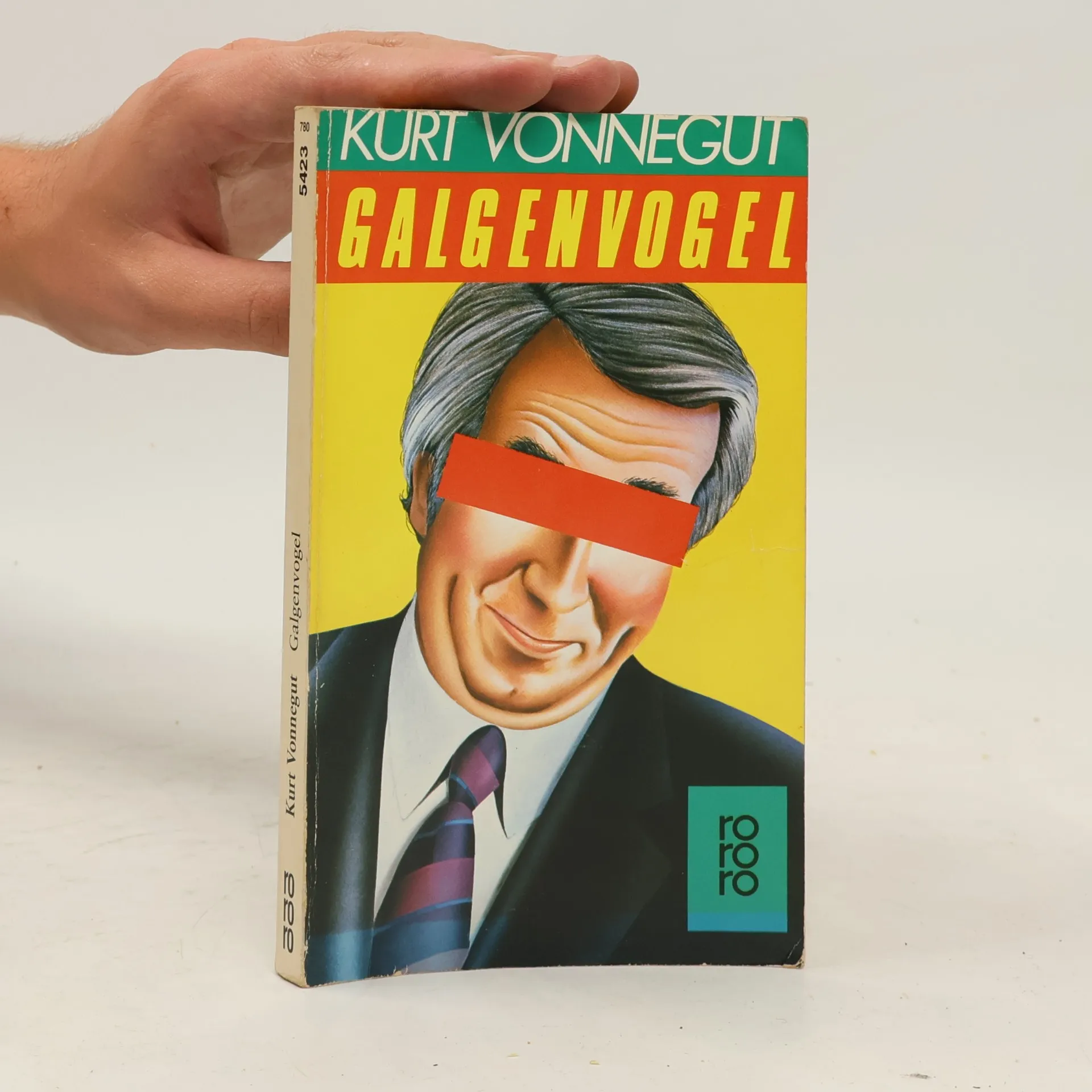
Dies ist die unglaubliche, aber wahre Geschichte von Rudy Waltz, einem grundsympathischen Menschen, der im zarten Alter von zwölf Jahren - versehentlich - einen Doppelmord begeht und dessen Heimatstadt einige Jahre später - versehentlich - von einer 'befreundeten', das heißt amerikanischen Neutronenbombe in einer Art Eigentor entvölkert wird.
Vonnegut schreibt mit viel Witz und Weisheit über seine Lieblings-Comedians, Country-Musik, einen toten Freund, und viele andere Facetten seiner allzu menschlichen Reise durch das Leben, in einem Werk, das mit dem magischen Klang einer geboren Geschichtenerzähler mitschwingt - eine Selbstporträt eines amerikanischen literarisches Genie.
Vonneguts frühe Geschichten sind eine Art Zeitkapsel aus einer Epoche, in der es weder Computer noch Postmoderne gab. Mal geht es um das Drama eines unbegabten Kindes, das unbedingt in der Schulkapelle mitspielen will, mal um einen Mafioso, der als Weihnachtsmann verkleidet eine gräßliche Bescherung liefert, an der vor allem die Kinder ihre Freude haben. Und immer zeigt sich Vonneguts herrlich komisches Genie.
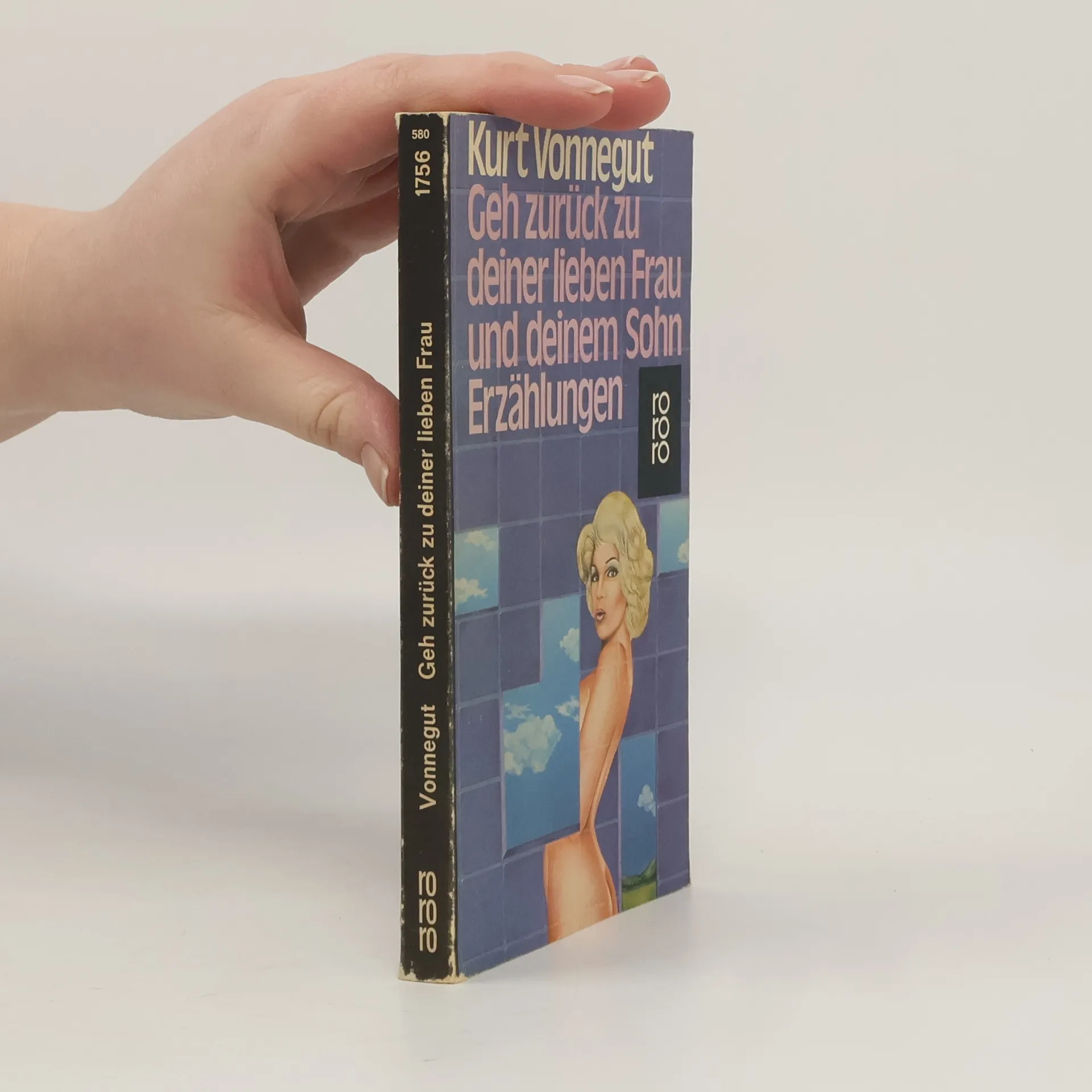
Beeindruckend klarsichtig seziert Vonnegut das Streben nach Geld, Ruhm und Liebe, welches das Leben hochintelligenter, schrulliger Menschen in unvorhersehbare Bahnen lenkt. Da ist zum Beispiel George, der mit einem sprechenden Kühlschrank »Jenny« zusammenlebt; da ist die junge Sekretärin Amy, die sich in einen flüchtigen Bankräuber verliebt; da kommt eine Selbstmordwelle, die sich wie eine Seuche ausbreitet und selbst die angesehensten Wissenschaftler des Landes vor Rätsel stellt.
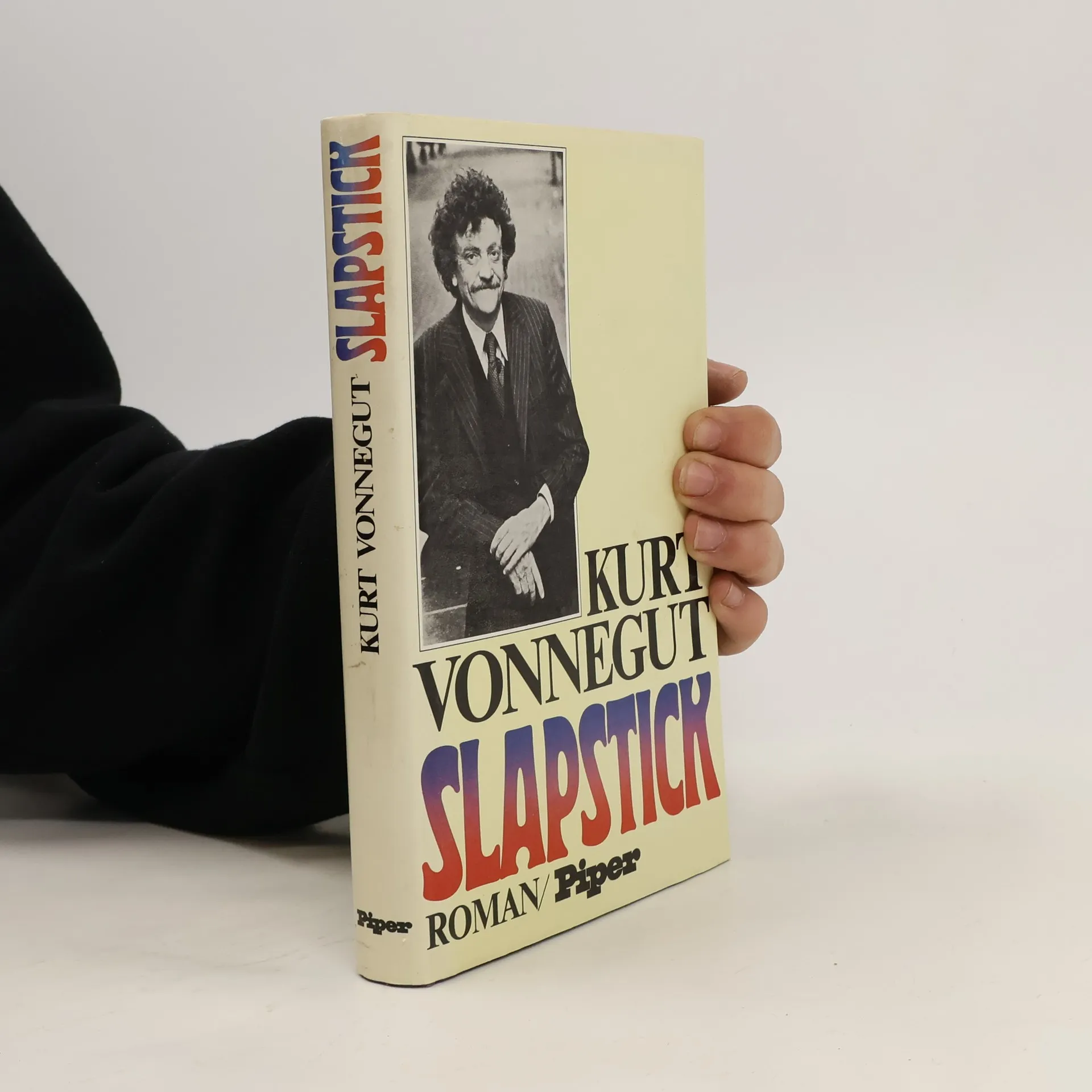
Im Jahr 2001 steht das Universum vor der Wahl zwischen Ausdehnung und einem zweiten Urknall und kehrt ins Jahr 1991 zurück. Zehn Jahre lang wiederholt sich alles, der freie Wille entfällt. Kilgore Trout, ein vergriffener Science-Fiction-Autor, wird zum Protagonisten, während Vonnegut gegen Krieg, Fernsehen und weitere Themen wettert.
Der "größte Schlitzohr der amerikanischen Literatur" erzählt in satirischen Geschichten von seinen Gesprächen mit Verstorbenen, darunter Martin Luther Kings Mörder und Adolf Hitler. Diese Erzählungen thematisieren Leben, Moral, Tod und das Leben danach.
Liebe in der Zukunft - Zukunft der LiebeDer Phantasie sind keine Grenzen gesetzt, wenn die großen, international bekannten Science Fiction-Autoren von Sex im unendlichen Universum erzählen . . .
This collection features four novels by Kurt Vonnegut from the 1970s and '80s, showcasing his satirical brilliance. Included are "Slapstick," "Jailbird," "Deadeye Dick," and "Galápagos," alongside rare essays and speeches. It highlights Vonnegut's unique storytelling and exploration of profound themes.
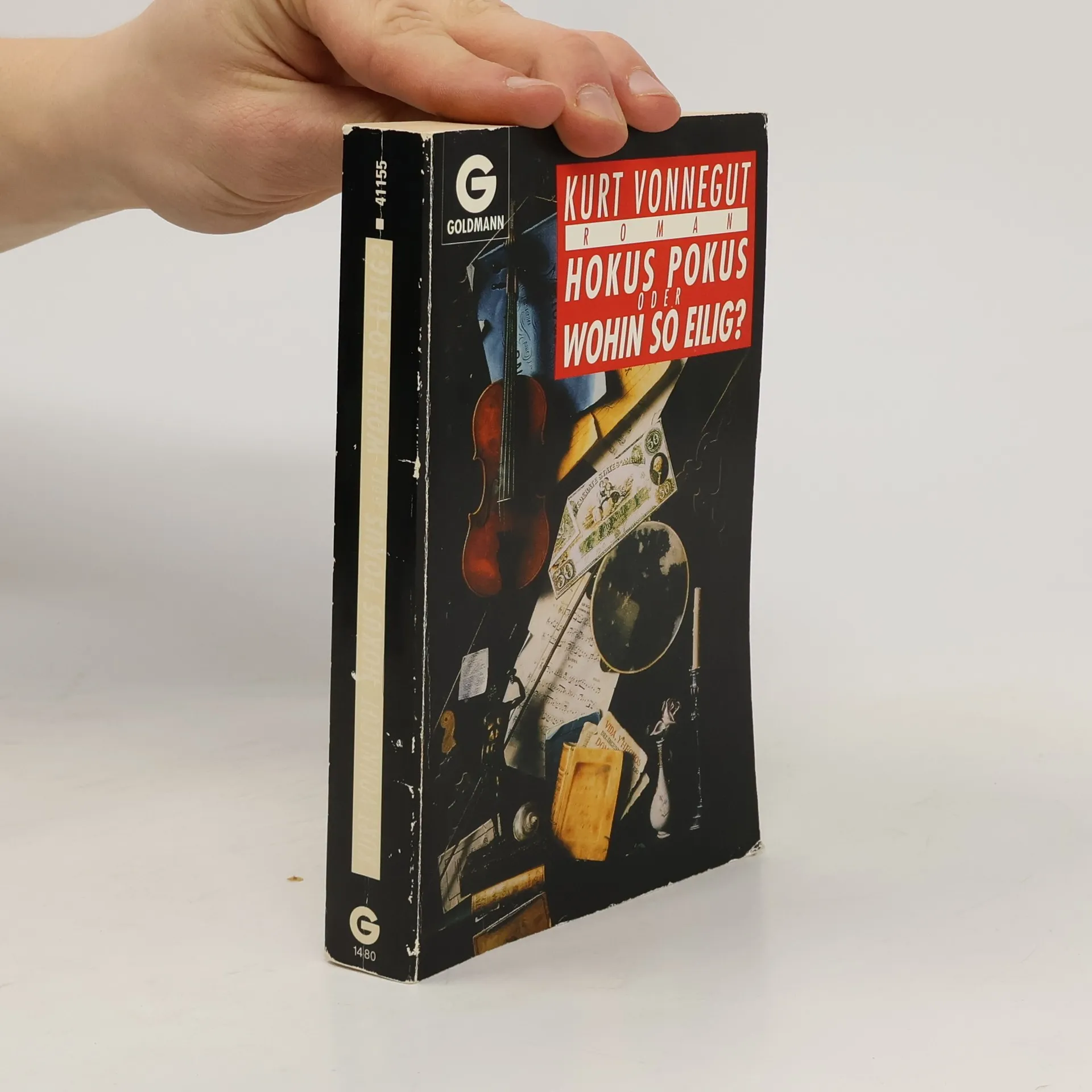
This definitive edition of Kurt Vonnegut's fiction compiles his last three novels: "Bluebeard," "Hocus Pocus," and "Timequake," showcasing his signature satirical style. It explores themes of artistic integrity, societal issues, and personal reflections, concluding with a selection of related nonfiction pieces. A fitting farewell from a literary master.
From riffs on country music, George Bush, and his mother's midnight mania, to a bittersweet tribute to a dead friend, this book demonstrates why Kurt Vonnegut is equally well known as an essayist and commentator as he is a novelist. It resonates with Vonnegut's singular voice.
This collection of Vonnegut's letters is the autobiography he never wrote -
from the letter he posted home upon being freed from a German POW camp, to
notes of advice to his children: `Don't let anybody tell you that smoking and
boozing are bad for you.
One of the great American iconoclasts holds forth on politics, war, books and writers, and his personal life in a series of conversations, including his last published interview. During his long career Kurt Vonnegut won international praise for his novels, plays, and essays. In this new anthology of conversations with Vonnegut—which collects interviews from throughout his career—we learn much about what drove Vonnegut to write and how he viewed his work at the end. From Kurt Vonnegut's last interview Is there another book in you, by chance? No. Look, I’m 84 years old. Writers of fiction have usually done their best work by the time they’re 45. Chess masters are through when they’re 35, and so are baseball players. There are plenty of other people writing. Let them do it. So what’s the old man’s game, then? My country is in ruins. So I’m a fish in a poisoned fishbowl. I’m mostly just heartsick about this. There should have been hope. This should have been a great country. But we are despised all over the world now. I was hoping to build a country and add to its literature. That’s why I served in World War II, and that’s why I wrote books. When someone reads one of your books, what would you like them to take from the experience? Well, I’d like the guy—or the girl, of course—to put the book down and think, “This is the greatest man who ever lived.”
A collection of 15 graduation speeches and treasured wisdom from the New York Times–bestselling literary icon and author of Slaughterhouse-Five, Cat’s Cradle, and Breakfast of Champions "Like [that of] his literary ancestor Mark Twain, Kurt Vonnegut's crankiness is good-humored and sharp-witted."—A.O. Scott, The New York Times Book Review Master storyteller and satirist Kurt Vonnegut was one of the most in-demand commencement speakers of his time. His words were unfailingly insightful and witty, and they stayed with audience members long after graduation. Chosen and introduced by fellow novelist and friend Dan Wakefield, a selection of speeches and essays in this expanded 3rd edition include: • “What to Do When You Have the Power; In the Meantime, Remember to Skylark!” • “Why Social Justice Does More Than Art to Nourish the American Dream” • “How to Make Money and Find Love!” • “Somebody Should’ve Told Me Not to Join a Fraternity” • “How to Have Something Most Billionaires Don’t” Hilarious, razor-sharp, freewheeling, and at times deeply serious, these reflections are ideal not just for graduates but for anyone undergoing what Vonnegut would call their “long-delayed puberty ceremony”—marking the long and challenging passage to full-time adulthood.
Kurt Vonnegut used to like to say, "Practicing an art form is a way to grow your soul." He would screw up his lips into a prune face after he said this because of how important he believed this idea to be. Pity the Reader is the very embodiment of that idea, a book about writing and life and why the two go together. It includes rare photos and reproductions, Vonnegut's own account in his own words of how he became a writer and why it matters, and previously untold stories by and about Vonnegut as teacher and friend. It turns out he was generous to a fault about students' writing, idiosyncratic, a bit tortured and always creative as a teacher, and here in this book that portrait becomes our gateway into getting to know Kurt Vonnegut better than we ever have before as a human being. Vonnegut recounts that his favorite work of art among all those his children produced "so far" is a letter his daughter Nanette wrote to a disgruntled customer, after he had tormented a new waitress at the restaurant where she had just started working, and then he shares the letter with us. Thus he illustrates his first writing rule: "Find a subject you care about." This book is full of such rare, intimately teachable moments, and they add up to something special. Pity the Reader indeed.
From Guided Reading to Autonomy - Anglais - Livre de l'élève - Edition 2000
128 Seiten
5 Lesestunden
Le plaisir de lire en V.O.Ce recueil de 10 nouvelles anglaises et américaines d'auteurs contemporains (R. Dahl, P. Highsmith, I. Asimov, etc.) et de genres très divers a pour but d'aider les élèves à lire de manière autonome en anglais.Les premières nouvelles sont accompagnées d'une aide à la lecture importante, qui va décroissant alors que les élèves gagnent en confiance.- Chaque nouvelle est suivie d'une fiche de lecture qui aide à la compréhension du texte et propose des activités et des exercices.- Les nouvelles choisies reposent toutes sur une intrigue qui incite l'élève à aller jusqu'au bout de l'histoire.
Sun Moon Star is the story of the birth of Jesus--as told by Kurt Vonnegut. This children's book takes the newborn Jesus' perspective, offering beautiful and insightful descriptions of the world from someone newly born into it. In this book, we follow Jesus and meet the people most important to his life--presented in new and surprising ways. A powerful departure from Vonnegut's more adult work, Sun Moon Star gives readers a rare glimpse of the writer's talent in a format that's unique and unexpected. Originally published in 1980, the book is long out of print, but is available as an E-book.
"'If ever I do write anything of length--good or bad--it will be written with you in mind.' Kurt Vonnegut's oldest daughter, Edith, was cleaning out her mother's attic when she stumbled upon a dusty box. Inside were more than two-hundred love letters written by Kurt to Jane, spanning the early years of their relationship: from 1941, when nineteen-year-old Kurt heads off to college, to his deployment to Europe in 1944 and the couple's marriage in 1945. The letters are full of the humor and wit that we have come to associate with Kurt Vonnegut. But they also show more private corners of his mind: Passionate and tender, the letters form an illuminating portrait of a young soldier's life in World War II as he attempts to come to grips with love and mortality. And they expose the origins of Vonnegut the writer, when Jane was the only person who believed in him, and they had no idea how celebrated he would become. A beautiful full-color collection of handwritten letters, notes, sketches, and comics, interspersed with Edith's insights and family memories, Love, Kurt is an intimate record of a young man growing into himself, a fascinating account of a writer finding his voice, and a moving testament to the life-altering experience of falling in love"-- Provided by publisher
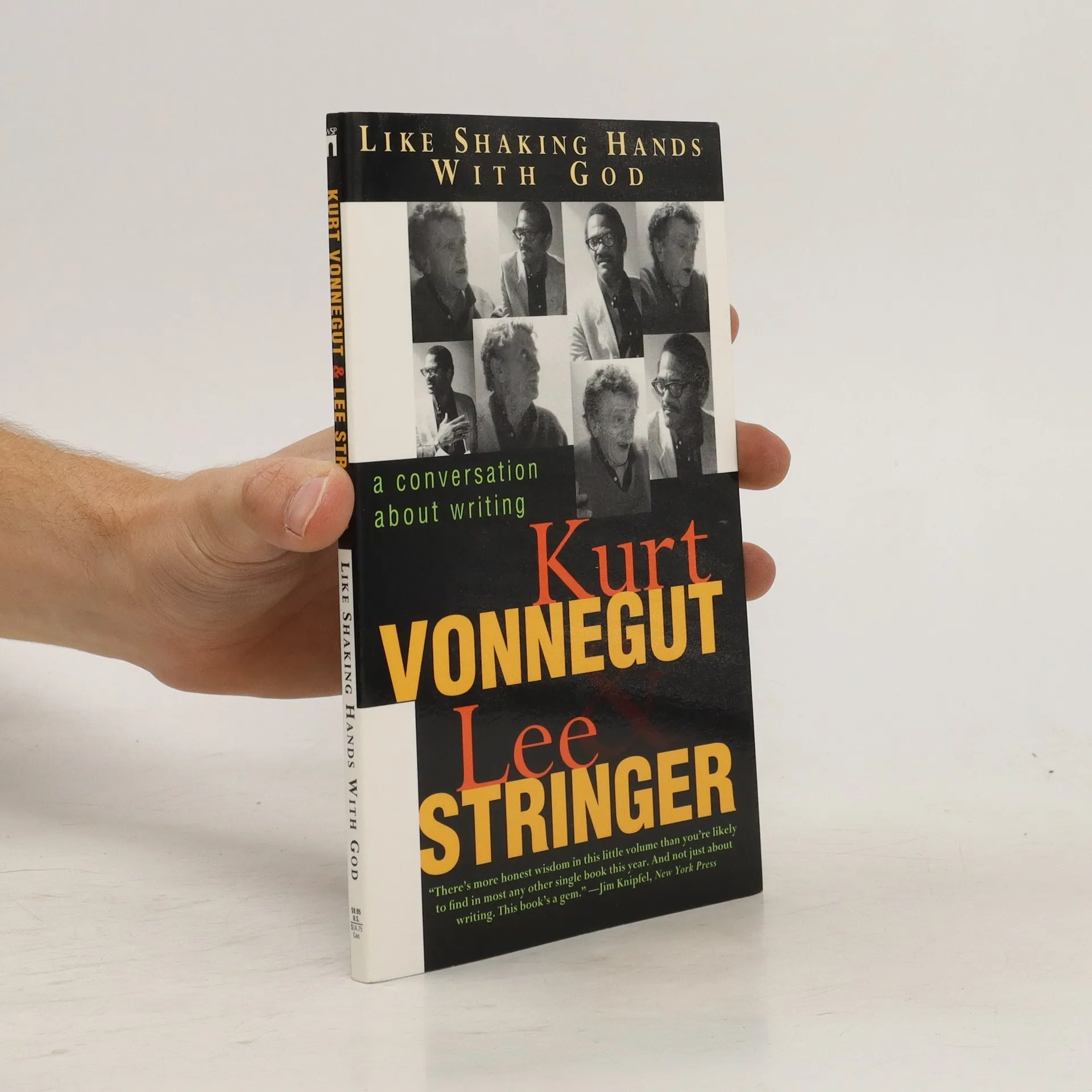
Features photographs and transcripts of a seminar hosted by the authors on October 1, 1998 during which they spoke together about the process of writing, being a writer, and what it means to be human. Reprint.
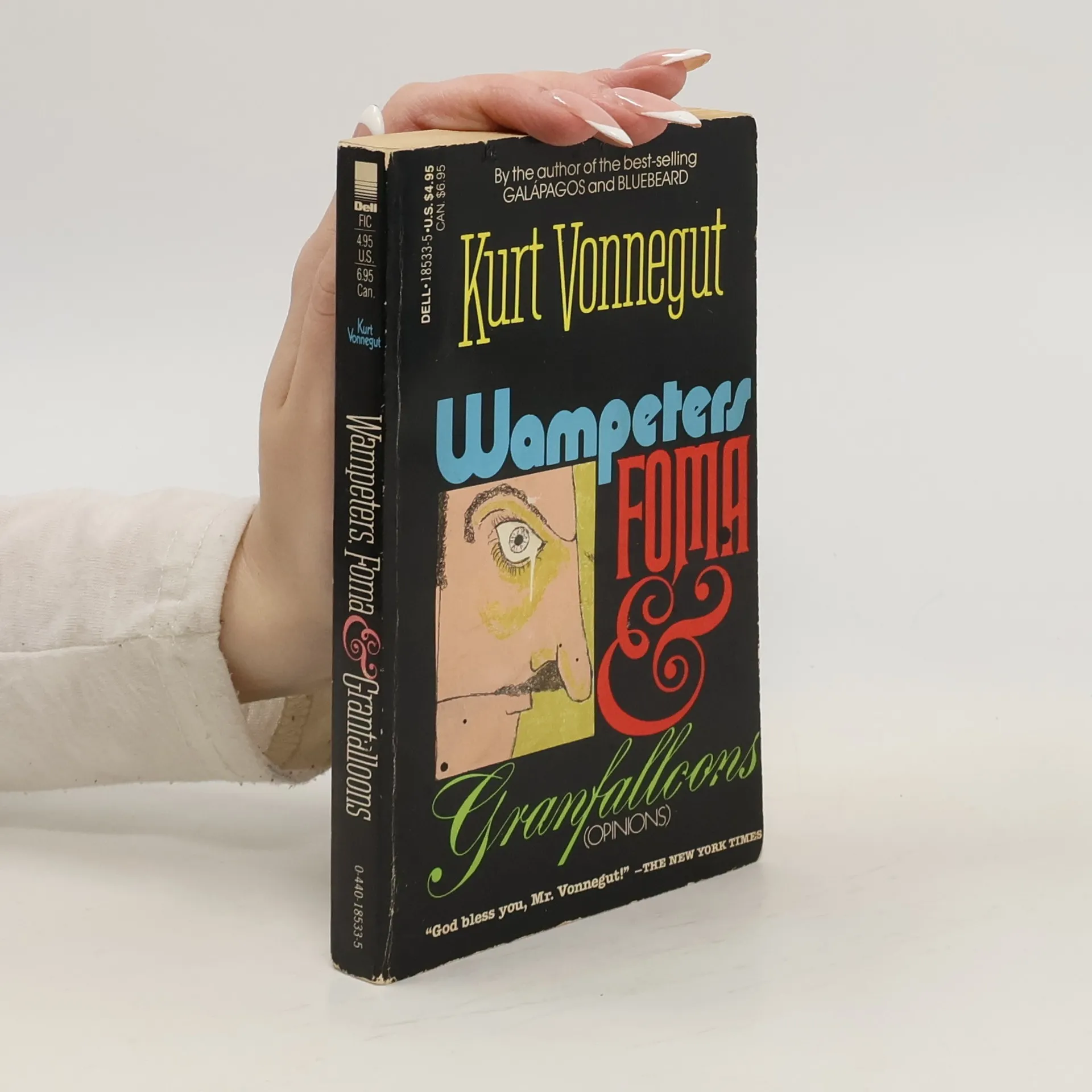
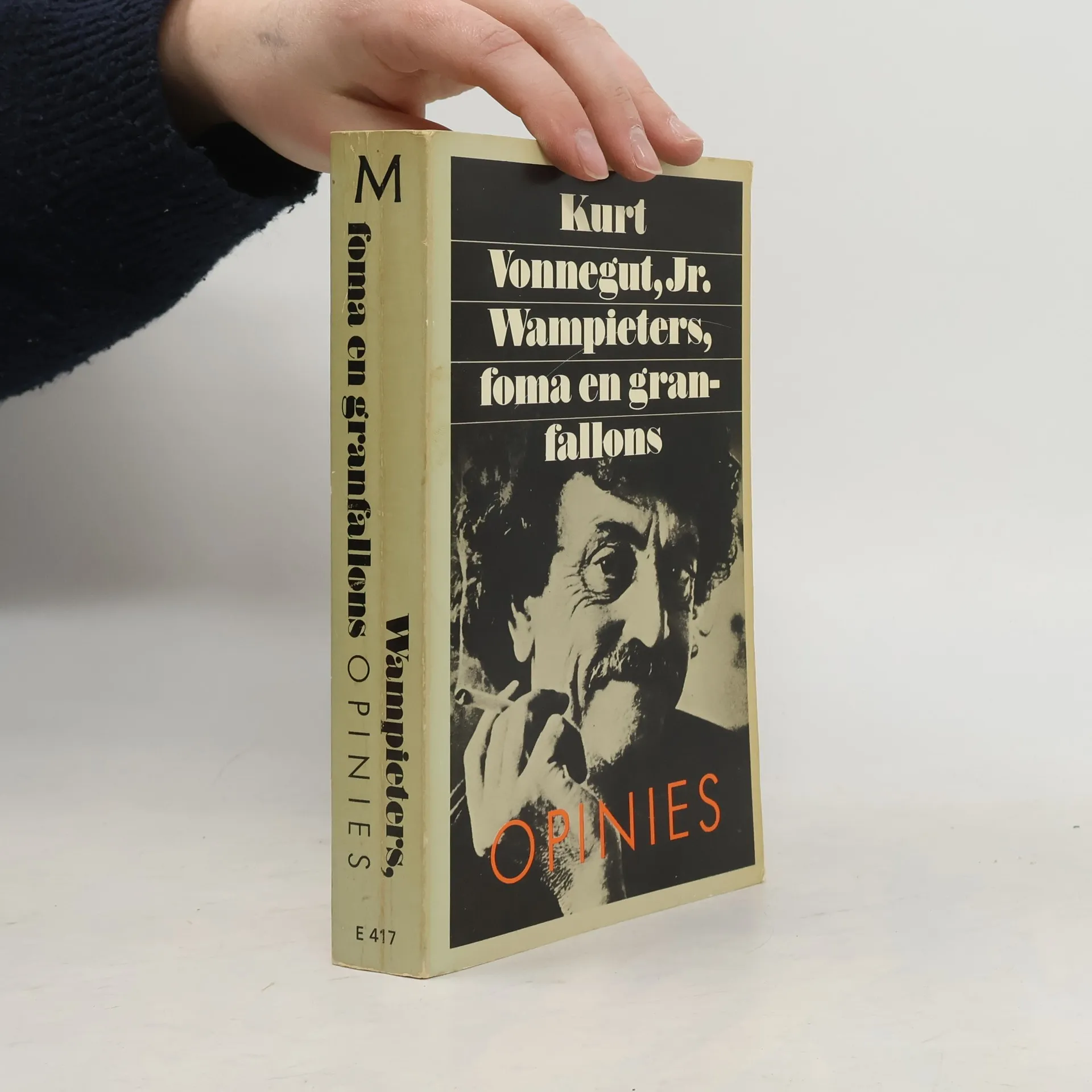
Wampeters, Foma & Granfalloons (Opinions) is a rare opportunity to experience Kurt Vonnegut speaking in his own voice about his own life, his views of the world, his writing & the writing of others. An indignant, outrageous, always witty, & deeply felt collection of reviews, essays & speeches, this work is a window not only into Vonnegut's mind but also into his heart. "A great cosmic comedian & a rattler of human skeletons, an idealist disguised as a pessimist, has written a book filled with madness & truth & absurdity & self-revelation."--St Louis Post-Dispatch "He is our strongest writer, the most stubbornly imaginative."--John Irving The New York Times
Reimagining classic American propaganda, this full-color poster book offers a satirical take on war, peace, and patriotism in the post-September 11 context. Featuring forty one-sided posters that humorously critique the war mentality, the Bush administration, and the military-industrial complex, it transforms iconic images like Uncle Sam's "I Want You" into powerful messages of peace and protest. This collection serves as both a commentary on contemporary issues and a nostalgic nod to historical wartime messaging.
In his first published play, Kurt Vonnegut finds a powerful vehicle for his tragicomical imagination. When the great hunter Harold Ryan--missing and presumed dead--returns from Africa after eight years, his wife is aghast and his son is enchanted. Vonnegut's attack on phony heroes and male swagger uses some of the funniest dialogue ever created for the stage.
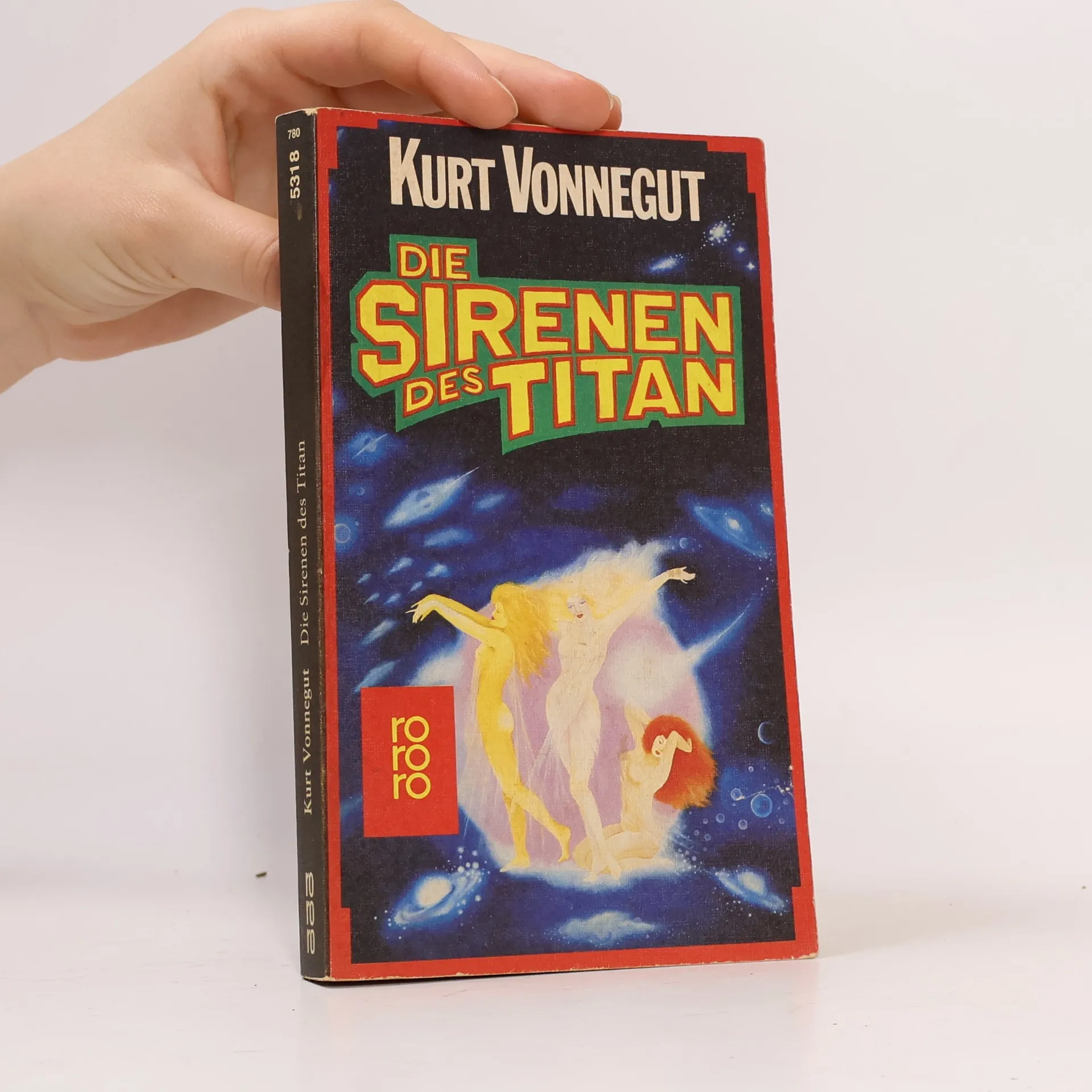
When Winston Niles Rumfoord flies his spaceship into a chrono-synclastic infundibulum he is converted into pure energy and only materializes when his waveforms intercept Earth or some other planet. As a result, he only gets home to Newport, Rhode Island, once every fifty-nine days and then only for an hour. But at least, as a consolation, he now knows everything that has ever happened and everything that ever will be. He knows, for instance, that his wife is going to Mars to mate with Malachi Constant, the richest man in the world. He also knows that on Titan -- one of Saturn's moons -- is an alien from the planet Tralfamadore, who has been waiting 200,000 years for a spare part for his grounded spacecraft...
The weather in this book -- Opening remarks / Kurt Vonnegut, Jr. -- A short note from the editor -- "After" Jenkins -- The celebrated jumping frog of Calaveras County -- The innocents abroad -- The undertaker's chat -- The danger of lying in bed -- Lionizing murderers -- A true story repeated word for word as I heard it -- An encounter with an interviewer -- About barbers -- The facts concerning recent carnival of crime in Connecticut -- The adventures of Tom Sawyer -- The journals of Germany -- The prince and the pauper -- On the decay of the art of lying -- The adventures of Huckleberry Finn -- A Connecticut Yankee in King Arthur's court -- The private history of a campaign that failed -- The 41,000,000 bank note -- Playing courier -- Fenimore Cooper's literary offenses -- The man that corrupted Hadleyburg
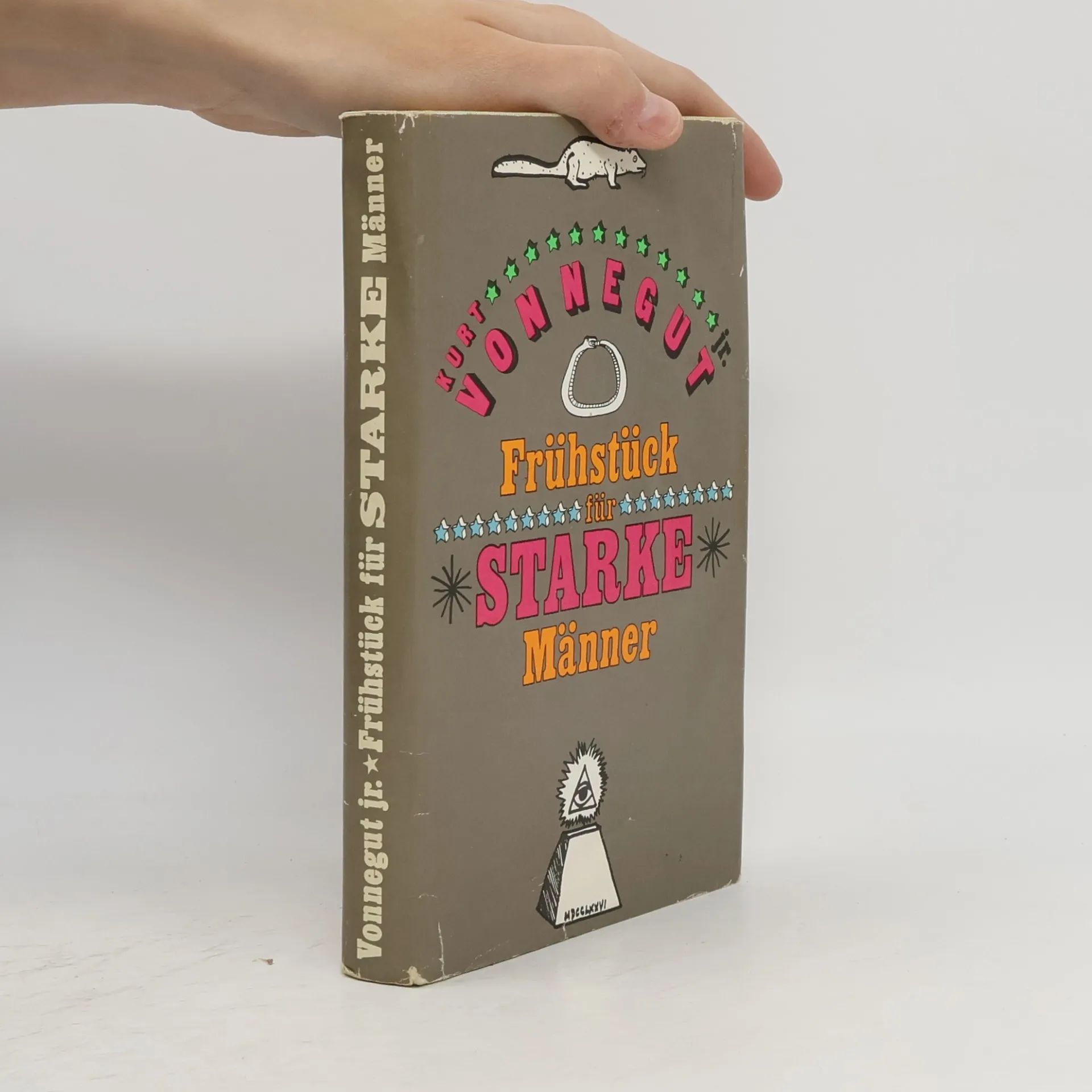
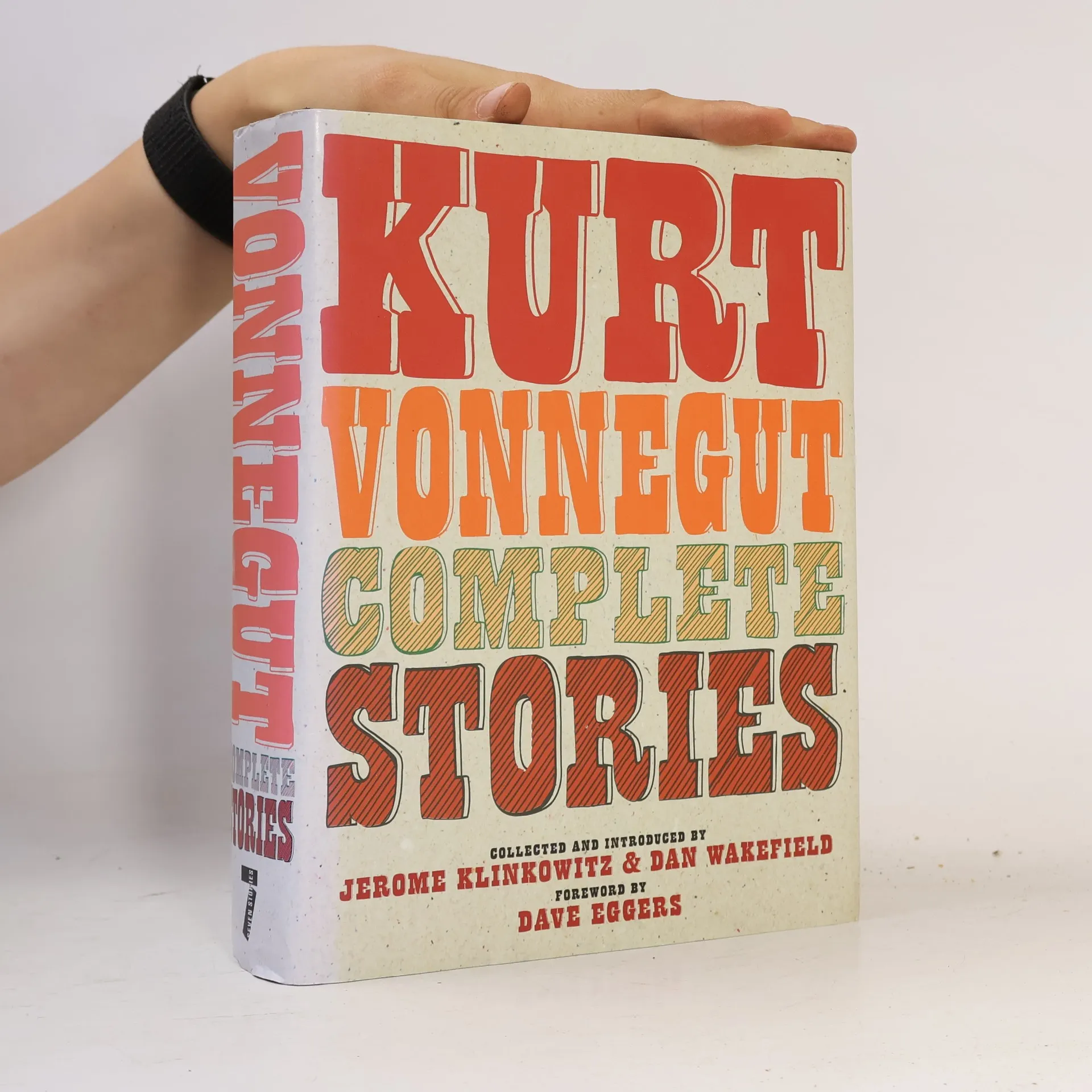
For completists, this collection serves as a boxed set of a musician's early work, showcasing themes that would later animate Vonnegut's novels and nonfiction: the cruel stupidity of war, the dehumanizing dangers of technology, and the reduction of American values to greed and selfishness. An extraordinary heart beats behind these stories, as noted by Jess Walter in the New York Times Book Review. The collection is rich with wonderful lines, clever sentences, and unexpected constructions, reflecting Vonnegut's values of generosity and decency, despite their fragility, as highlighted by Geoff Nicholson in the Los Angeles Review of Books. With disquieting warnings and lessons that resonate with contemporary readers, Vonnegut's writing remains relevant. This deep dive into one of America's great literary minds is morally serious, formally adventurous, and diverse in topics, inviting readers to explore for years, according to Matthew Sharpe. The book's significance lies in its ability to provoke thought, preserving a lost world while showcasing Vonnegut's prescience. In a time of ambiguity, his clarity is restorative, as noted by Dave Eggers. This essential collection includes several unpublished pieces, making it invaluable for both completists and aspiring writers, as highlighted in a starred review by Kirkus.
This collection features a range of influential science fiction works, showcasing the genre's evolution and creativity. It begins with essays by Kingsley Amis, setting the stage for the Golden Age of Science Fiction. The anthology includes notable stories such as Anthony Boucher's "The Quest for Saint Aquin," R. S. Richardson's "The Xi Effect," and Frederik Pohl's "The Tunnel Under the World." Additionally, readers will find Brian W. Aldiss's "Old Hundredth," James Blish's "A Work of Art," and Kurt Vonnegut Jr.'s iconic "Harrison Bergeron." J. G. Ballard's "The Voices of Time" and Robert Sheckley's "Specialist" further explore imaginative themes. The collection also features H. Beam Piper's "He Walked Around the Horses," Cordwainer Smith's "The Game of Rat and Dragon," and Arthur C. Clarke's thought-provoking "The Nine Billion Names of God." Other highlights include Harry Harrison's "The Streets of Askelon," Damon Knight's "The Country of the Kind," and Isaac Asimov's "The Machine That Won the War." The anthology concludes with F. L. Wallace's "Student Body" and Jerome Bixby's "It's a Good Life," along with Poul Anderson's novella "Sister Planet," offering a rich tapestry of speculative fiction.
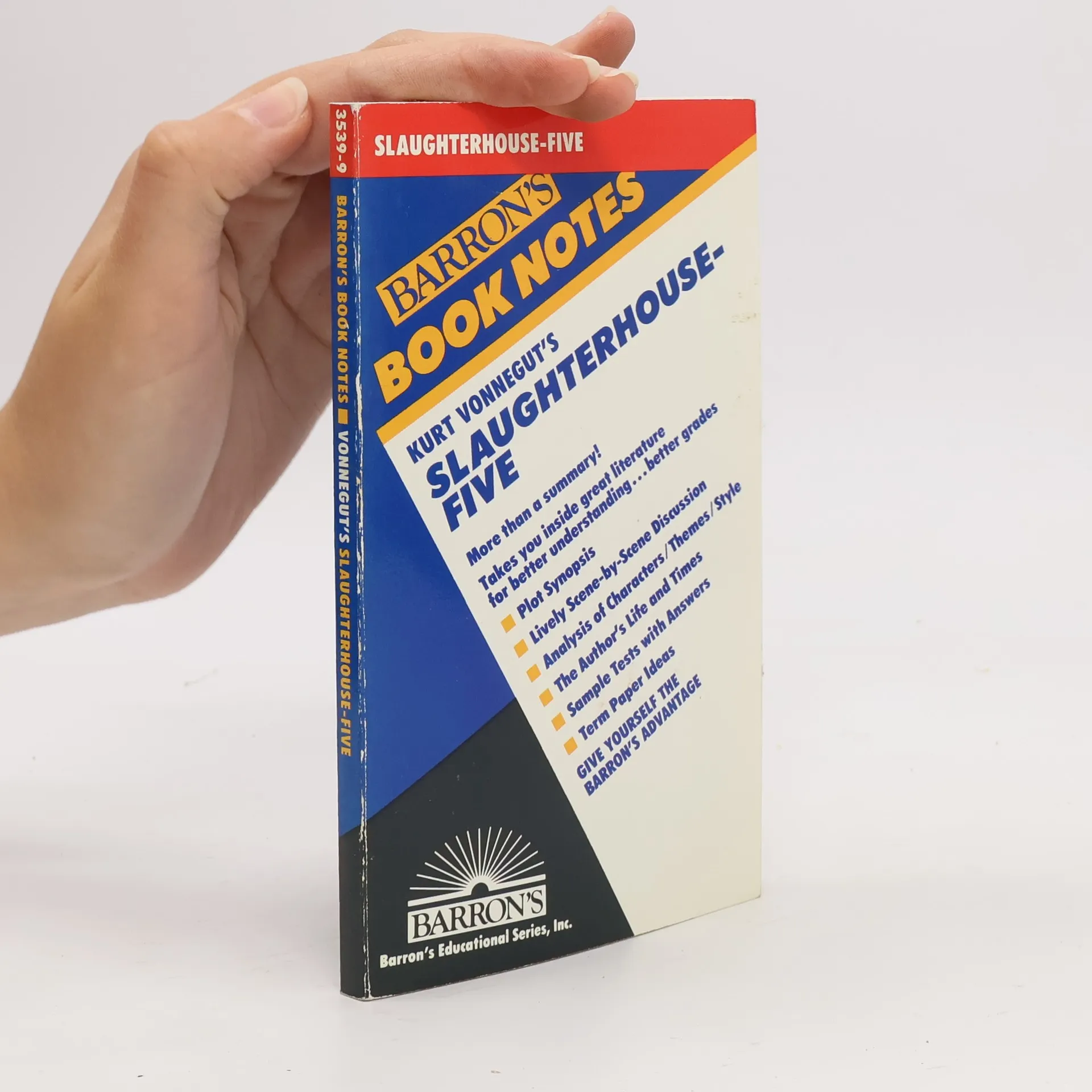
Recommended by teachers, Barron's Book Notes quality reviews helps student develop their own ideas, improves their performance in class, prepares them for exams, and paves the way to better grades.
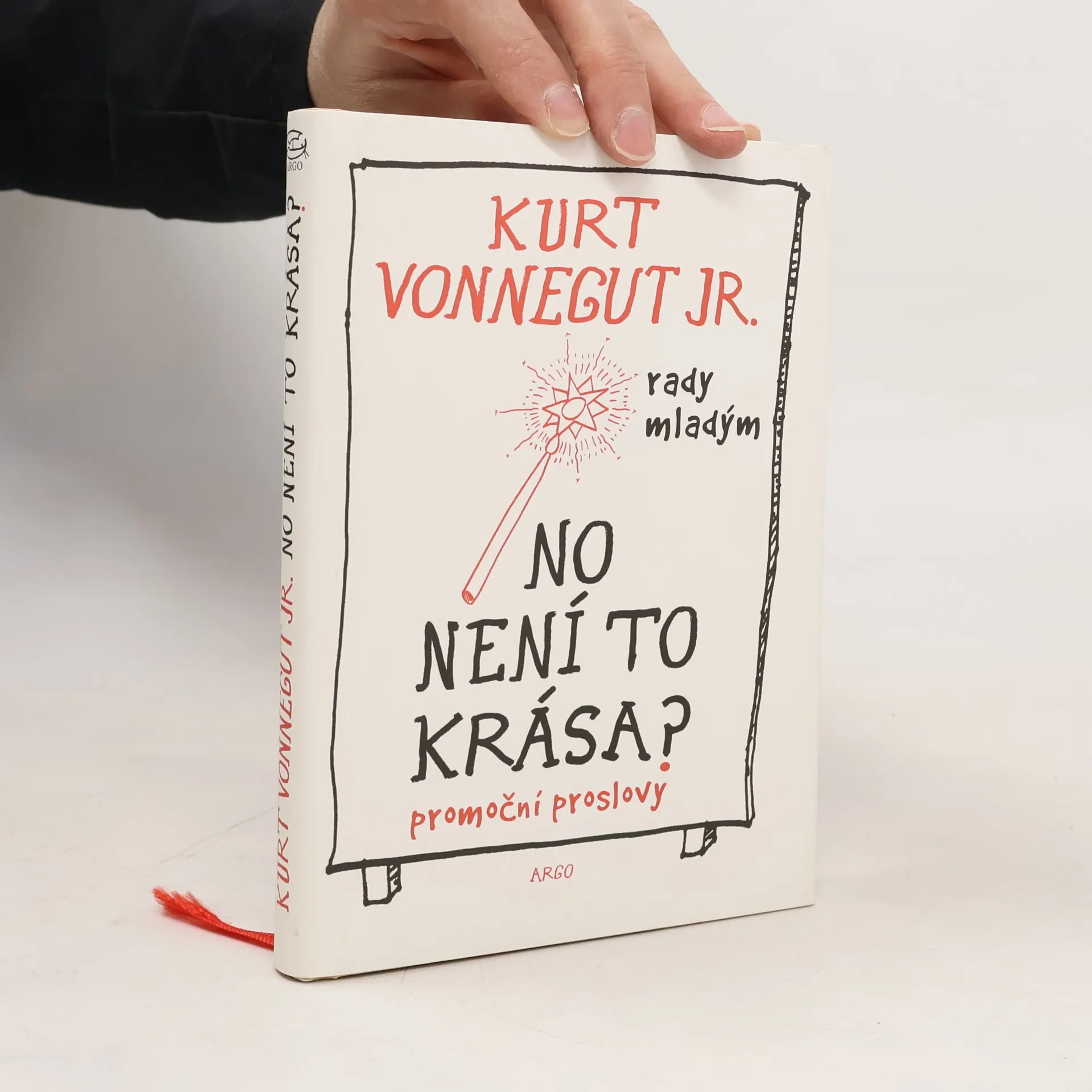
Kurt Vonnegut nebyl jen přední americký prozaik, ale též vyhledávaný a oblíbený veřejný řečník. Výbor z jeho projevů nyní vychází pod názvem No není to krása? Najdeme zde devět autorových proslovů; jeden z nich byl pronesen u příležitosti přebírání prestižní ceny Carla Sandburga, jeden na shromáždění Indianské unie občanských svobod a sedm zbylých na různých univerzitních promocích (což je přímo vonnegutovsky paradoxní, vzhledem k tomu, že sám Vonnegut nikdy univerzitu nedostudoval). Netřeba se však bát nějaké mravokárné suchařiny – Vonnegutovy projevy si co do výstavby, čtivosti a vtipnosti s ničím nezadají s jeho prózami. I v nich autor předvádí svou typickou ironii a sarkasmus, i v nich dokáže mezi drsné špílce nenápadně propašovat svůj humanismus a empatii, i v nich vyslovuje nejednu základní pravdu a přitom na čtenáře – či posluchače – spiklenecky pomrkává. No není to krása?
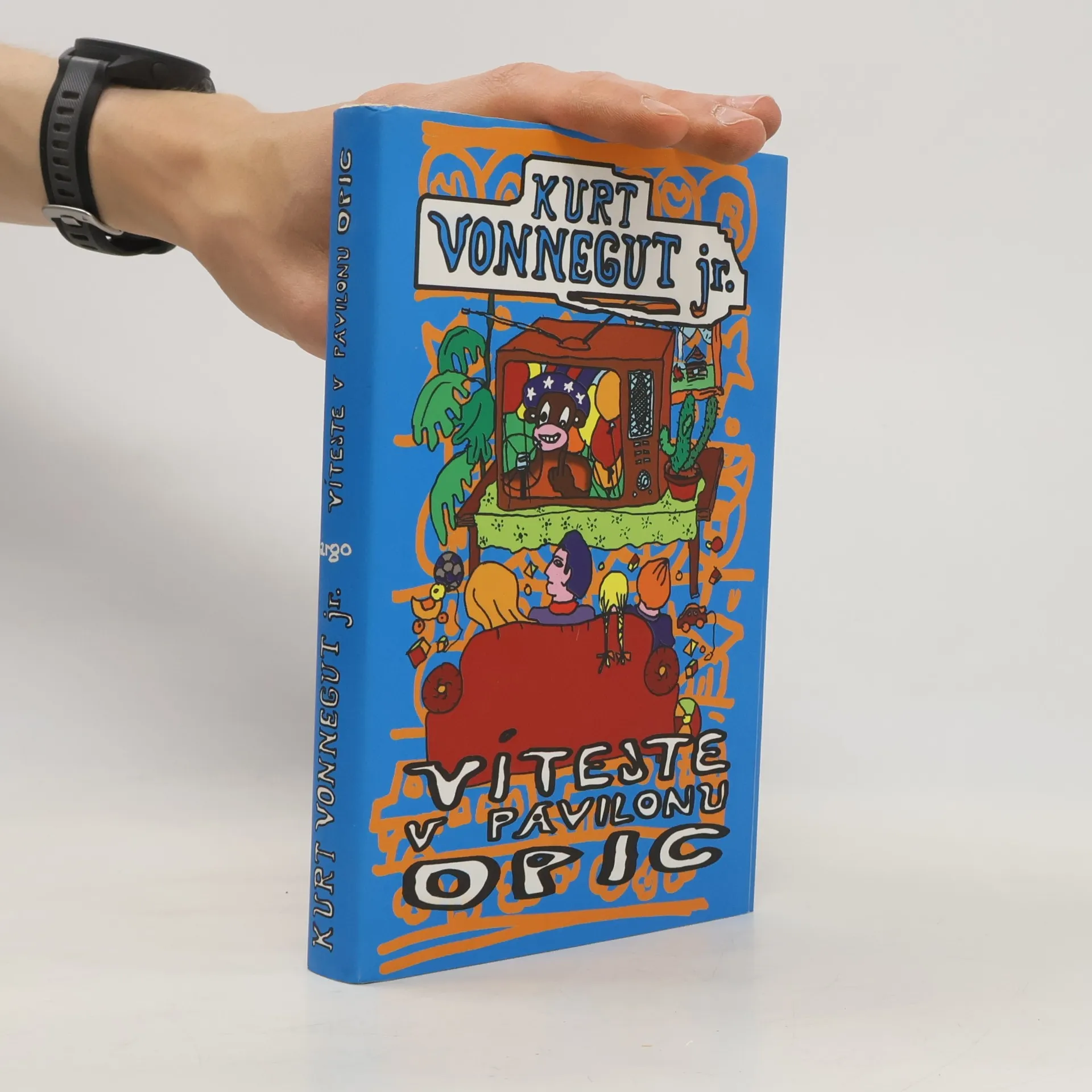
Sbírka povídek jednoho z největší amerických spisovatelů vyšla poprvé anglicky v roce 1968. Kurt Vonnegut je znám především jako romanopisec, ale už v padesátých letech okouzloval čtenáře svými kratšími pracemi, které vycházely v řadě periodik, a to od literárních časopisů přes magazíny zaměřené na fantastickou prózu až po deníky. A právě jeho nejlepší povídky z let padesátých a šedesátých, ať už jde o futuristické projekce, antiutopie, příběhy z války či jeho typické satirické šlehy, tvoří sbírku Vítejte v pavilonu opic.
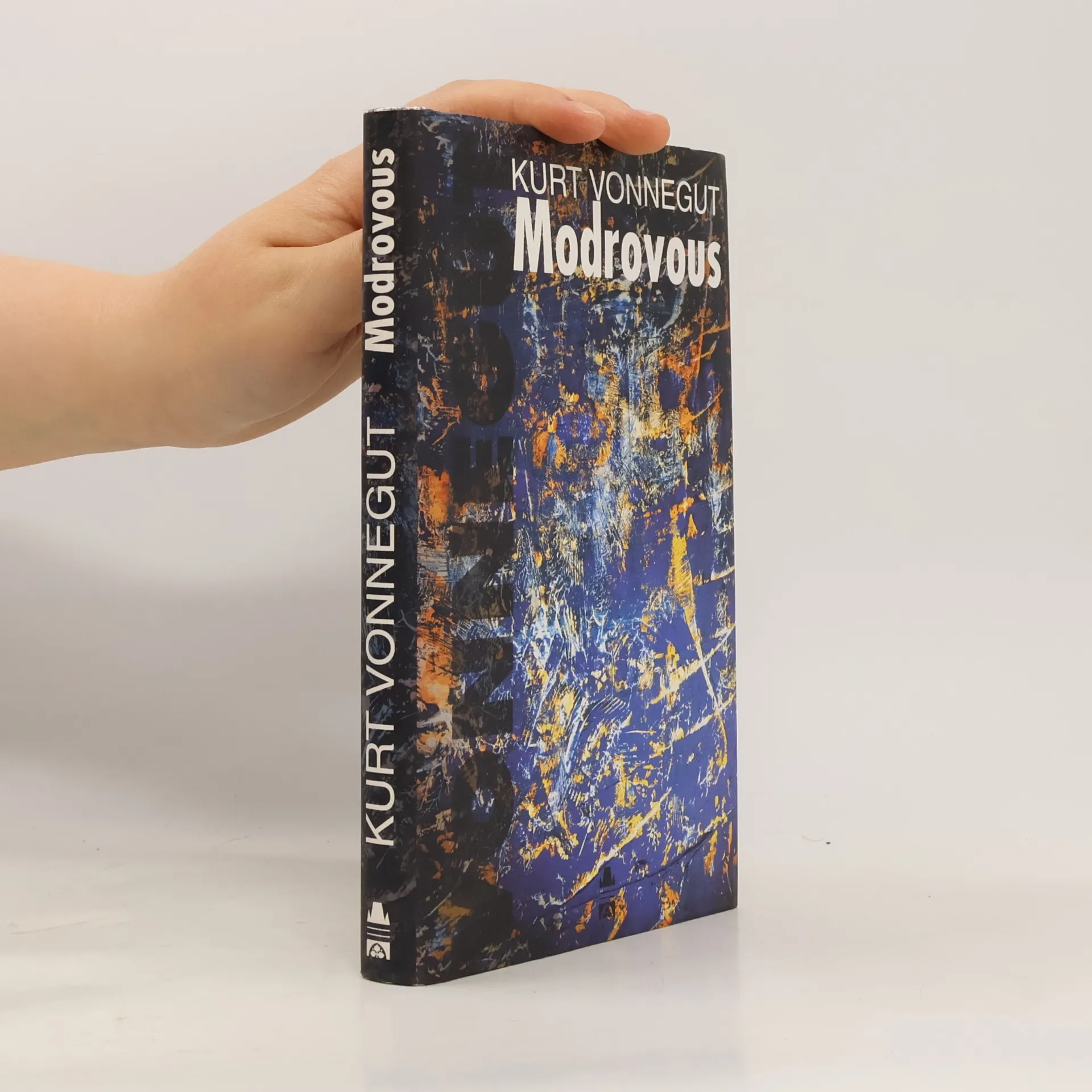
Fiktivní autobiografie Rabo Karabekiana, jednookého malíře a válečného veterána, který do dějin amerického umění vstoupil coby poznámka pod čarou a jehož prostřednictvím se Kurt Vonnegut zamýšlí nad některými groteskními jevy v americké společnosti dvacátého století.
Juni 1969: Die zähen Jahre am College sind vorbei. Mark Vonnegut, Sohn des berühmten Schriftstellers Kurt Vonnegut, zieht es in die Wildnis. Mit seiner Freundin Virginia und ein paar College-Freunden will er der Welt, in der er lebt und an der er (ver)zweifelt, entfliehen. Mit einem VW Käfer geht es ans Ende der Zivilisation, in eine entlegene Region Kanadas. Eindringlich und humorvoll erzählt Vonnegut vom harten und entbehrungsreichen Leben in der Kommune auf einer kleinen Insel ohne Elektrizität, 18 Kilometer per Boot von der nächsten Straße entfernt. Die Freunde beschäftigen sich hauptsächlich mit sich selbst. Doch irgendwann fängt Mark an, Stimmen zu hören. Die Hippie-Utopie gerät mehr und mehr zum Alptraum – einem Horrortrip, der am Valentinstag 1971 in der Gummizelle einer psychiatrischen Klinik endet. Nach intensiver Behandlung und vielen Rückschlägen wird Vonnegut schließlich geheilt und beginnt ein neues Leben – in die Kommune kehrt er nie wieder zurück. Das Buch gilt längst als Klassiker. Nun erscheint es, mit einem Vorwort von Kurt Vonnegut versehen, zum ersten Mal auf Deutsch.
Verso la fine della seconda guerra mondiale Vonnegut, americano di origine tedesca, accorse con tanti altri emigranti in Europa per liberarla dal flagello del nazismo. Fatto prigioniero durante la battaglia delle Ardenne, ebbe la ventura di assistere al bombardamento di Dresda dall'interno di una grotta scavata nella roccia sotto un mattatoio, adibita e deposito di carni. Da questa dura e incancellabile esperienza nacque Mattatoio n. 5 o La crociata dei bambini , storia semiseria di Billy Pilgrim, americano medio affetto da un disturbo singolare ("ogni tanto, senza alcuna ragione apparente, si metteva a piangere") e in possesso di un segreto inconfessabile: la conoscenza della vera natura del tempo. Tutto è, è sempre stato e sempre sarà, passato e futuro sono sempre esistiti e sempre esisteranno, nulla dipende dalla volontà dell'uomo. "Prenda la vita momento per momento", dice a Billy Pilgrim l'ultraterrestre che un bel giorno d'estate lo rapisce col suo disco volante, "e vedrà che siamo, tutti, insetti in un blocco d'ambra".
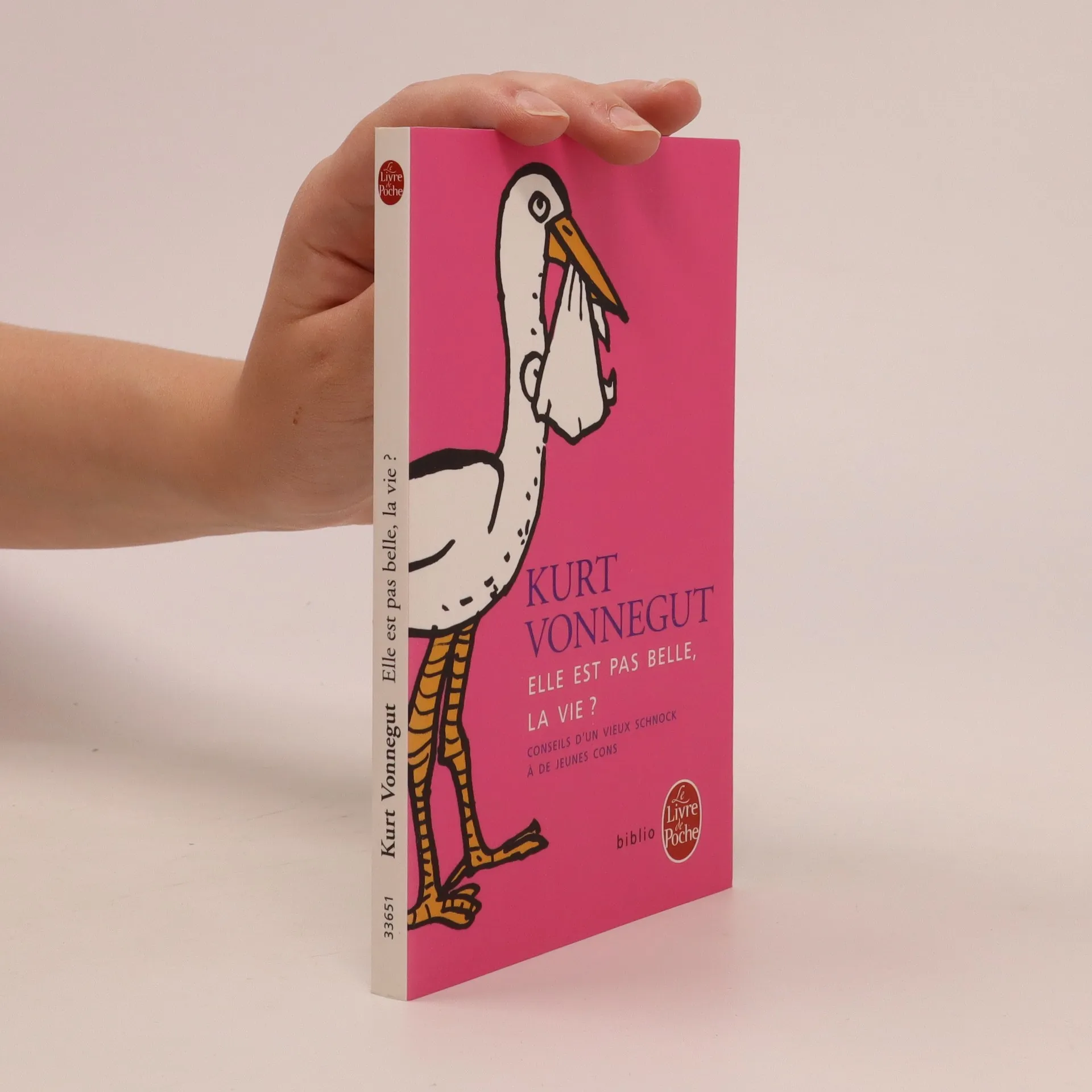
Kurt Vonnegut, romancier et satiriste d'exception, était l'un des orateurs les plus demandés pour les cérémonies de remise de diplômes. Chaque fois, il savait trouver des mots originaux, pertinents et drôles. Elle n'est pas belle, la vie ? rassemble des discours que l'écrivain a prononcés dans neuf universités entre 1978 et 2004. Hilarantes, incisives ou du plus profond sérieux, ces réflexions sont parfaites pour quiconque fait l'expérience de ce que Vonnegut appelle " la cérémonie tant attendue de la puberté ", marquant la transition entre les études et la vie d'adulte. Un livre prophétique et exaltant dont chaque mot résonne avec une modernité cinglante.
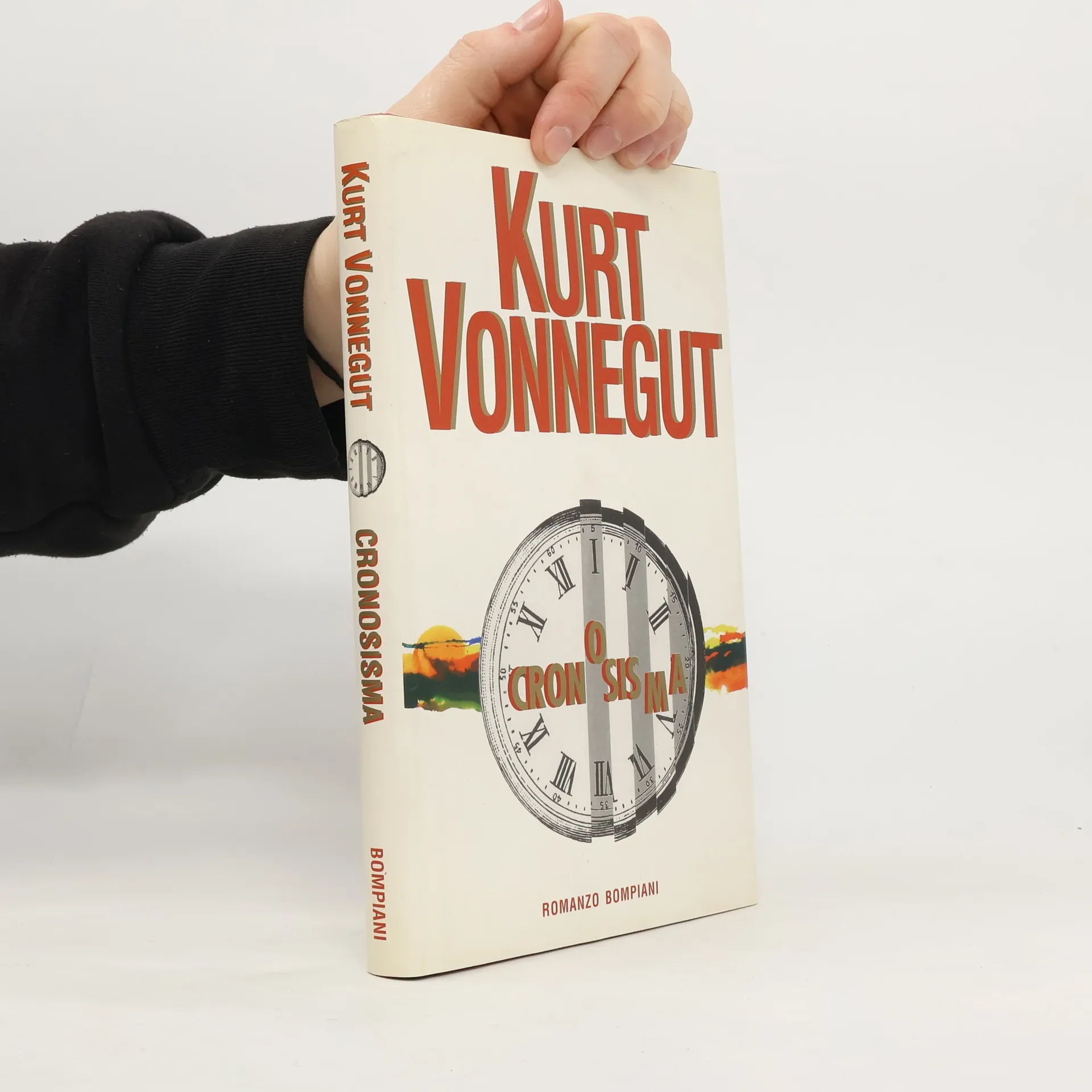
Man schreibt das Jahr 2020. Mit der Erprobung neuer Waffen wurde das Raum-Zeit-Gefüge zerstört. Zeitrutsche suchen die Erde heim, bei denen ganze Stücke der Gegenwart in die Vergangenheit gerissen werden oder in die Zukunft verschwinden. Joseph Bodenland entdeckt eines Tages auf dem Gebiet seiner Ranch in Texas unbekanntes Territorium, das nicht aus dem 21. Jahrhundert stammt. Beherzt stößt er mit einem gepanzerten Fahrzeug in die fremde Realität vor. Er stellt fest, dass er sich in der Schweiz, im Gebiet des Genfer Sees, befindet, im Jahr 1815! Die Landschaft und der Zeitpunkt üben eine unwiderstehliche Faszination auf ihn aus. Er weiß, dass Mary Wollstonecraft um diese Zeit zusammen mit Shelley und Byron am Genfer See lebte und ihren berühmten Roman Frankenstein schrieb. Es wird für ihn zur fixen Idee, die jugendliche Autorin kennen zulernen, und es gelingt ihm tatsächlich, ihr Vertrauen und ihre Liebe zu gewinnen. Und er begegnet auch Frankenstein und seinem Monster, doch er muss auch erkennen, dass die Zukunft dieser Zeit nicht seine Gegenwart sein kann, dass die Verwerfungen von Raum und Zeit immer tiefer in die Vergangenheit reichen und die Realität zerstören.