Exploring the intersection of human nature and societal success, this book argues that both progressive and conservative ideologies often misinterpret the role of human nature in shaping society. Nicholas Wade examines historical and biological contexts, illustrating how certain policies can enhance human nature while others, like socialism, may lead to societal decline. Drawing from anthropology and evolutionary biology, the work emphasizes that neglecting the evolutionary constraints of human behavior can result in chaos and potential extinction, challenging prevailing political assumptions.
Drawing on new evidence from the human genome, this account examines the genetic basis of race and its significance in human history. The concept of biological differences among races has been deemed toxic and is often excluded from academic discourse. However, the author argues that the consensus view—that human evolution ended in prehistory—cannot be correct. Populations have evolved distinct traits over the past few thousand years, such as lactose tolerance and adaptations to high altitudes. Race is not a clear-cut distinction; rather, populations that remain isolated tend to develop unique characteristics through Darwinian evolution.
The author, a former journalist at The New York Times, references groundbreaking scientific research to support the reality of recent human evolution. He controversially discusses the genetic underpinnings of social behaviors, suggesting that traits like thrift and nonviolence have been genetically ingrained in agrarian societies. He also explores the genetic basis of intelligence-related traits in specific ethnic groups, including the Chinese and Ashkenazi Jews. While advocating for the fundamental equality of all humans, the author emphasizes the importance of pursuing scientific truth without fear, even if it leads into contentious territory. This work aims to initiate a crucial and overdue dialogue on race and human history.
Circles have shaped our lives in numerous ways. This book is not only about the science but also about the sight of circles - it is a celebration of the circle, our most powerful and potent symbol. It explores art, science and perception, leading the reader on an appreciative circular tour.
How the Human Genome Discoveries Will Transform Medicine and Enhance Your Health
208 Seiten
8 Lesestunden
A leading New York Times science reporter, who has covered the Human Genome Project from its inception, writes about how the sequencing of the genome is already changing medical care.
Kaum etwas beschäftigt die Gemüter derzeit mehr als die Entschlüsselung des menschlichen Genoms. Nicholas Wade fragt nach den medizinischen Konsequenzen und skizziert die Umrisse der Neuen Medizin. Anschaulich und prägnant zeichnet Nicholas Wade, Wissenschaftsredakteur der „New York Times“, die Stationen nach, die zur Entschlüsselung des menschlichen Genoms führten. Er stellt die Protagonisten dieser Entdeckung vor, Craig Venter auf der einen und das Human-Genom-Projekt auf der anderen Seite, und er fragt nach den medizinischen und pharmakologischen Konsequenzen. Wade beschreibt die Entwicklung von Targets, Angriffspunkten an der Zelloberfläche, mit deren Hilfe man die Zellreifung und - teilung unterbinden kann. Er diskutiert aktuelle Forschungen mit embryonalen und adulten Stammzellen - über die im Augenblick in Deutschland diskutiert wird - und mit gentechnischen Medikamenten. Er zeigt Wege der Keimbahntherapie und der regenerativen Medizin auf, die Organe teilweise oder ganz zu ersetzen vermag. Wade schaut Biologen und Medizinern in den Forschungslaboratorien über die Schulter und trennt die therapeutischen Nahziele der Neuen Medizin von den Fernzielen wie etwa der Lebensverlängerung. Die Originalausgabe erscheint zu gleicher Zeit unter dem Titel „Life- Script. The human Genome Project and the New Medicine“ bei Simon & Schuster, New York
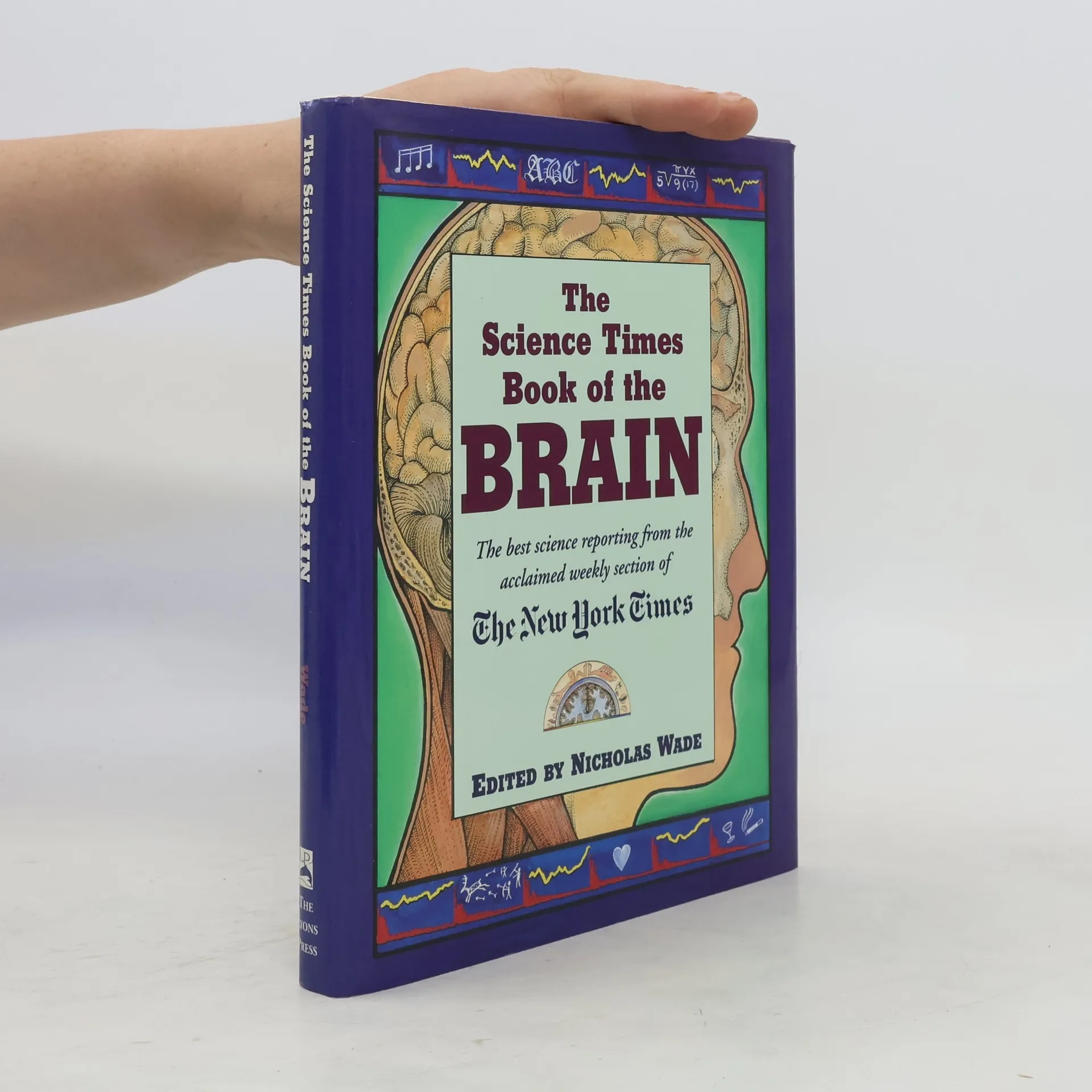
The Science Times Book of the Brain is a superb volume with chapters on senses, emotions, mood, memory, language, consciousness, dreams, medicine, and much more. Articles illuminate key discoveries made within the last decade about the physiology, psychology, and neurology of our most vital organ.
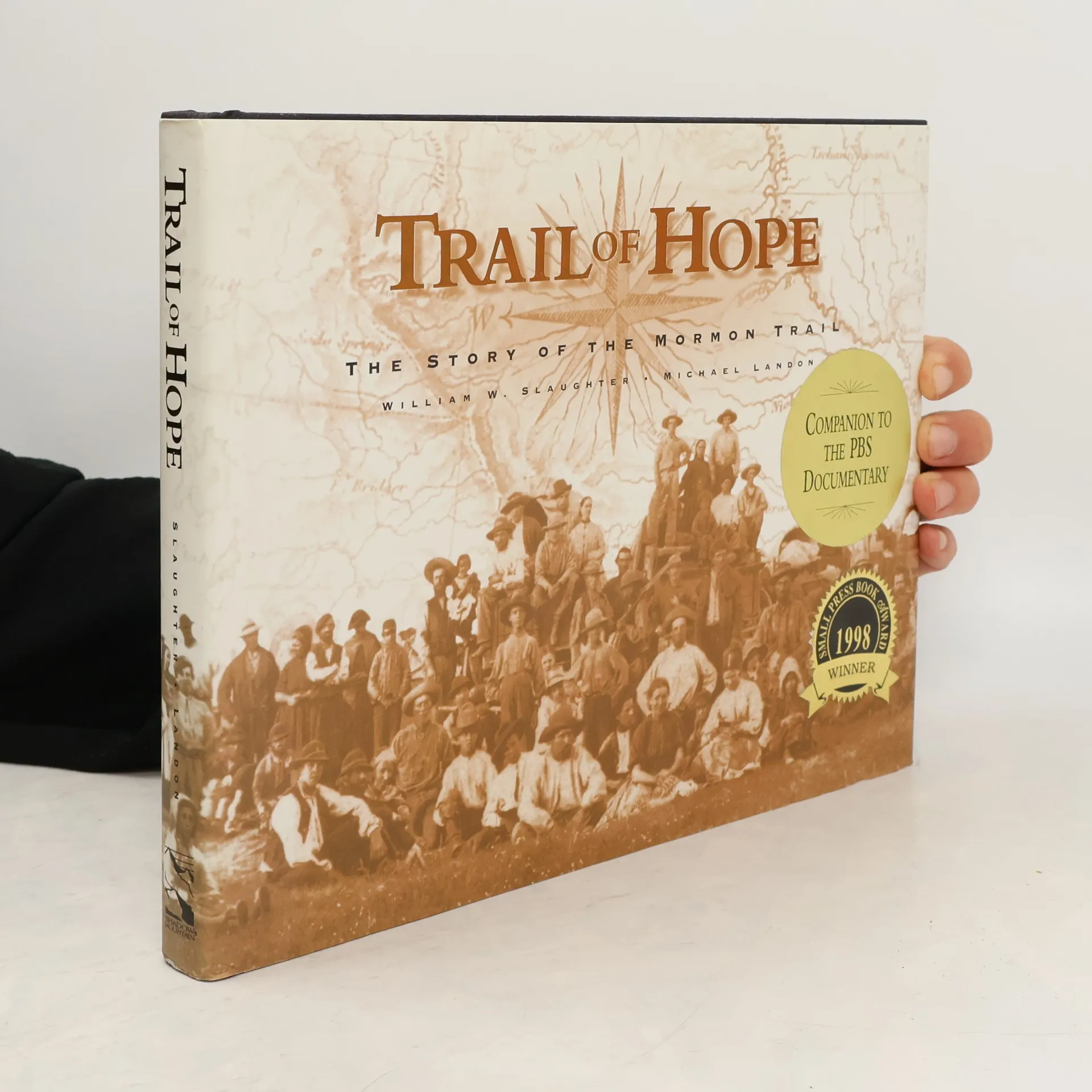
The Story of the Mormon Trail, Companion to the PBS Documentary
204 Seiten
8 Lesestunden
Beginning with their expulsion from Nauvoo in 1846 and for the succeeding twenty-two years, the migration of Mormon pioneers—some 70,000 of them—was a compelling saga of the settlement of the American West. Mostly poor, they traveled on ships, canal boats, trains, and riverboats, and then came on foot, in wagon trains and in handcart companies. Their story is told by two archivists with the LDS Church History Department in this beautiful book, filled with fascinating photographs.
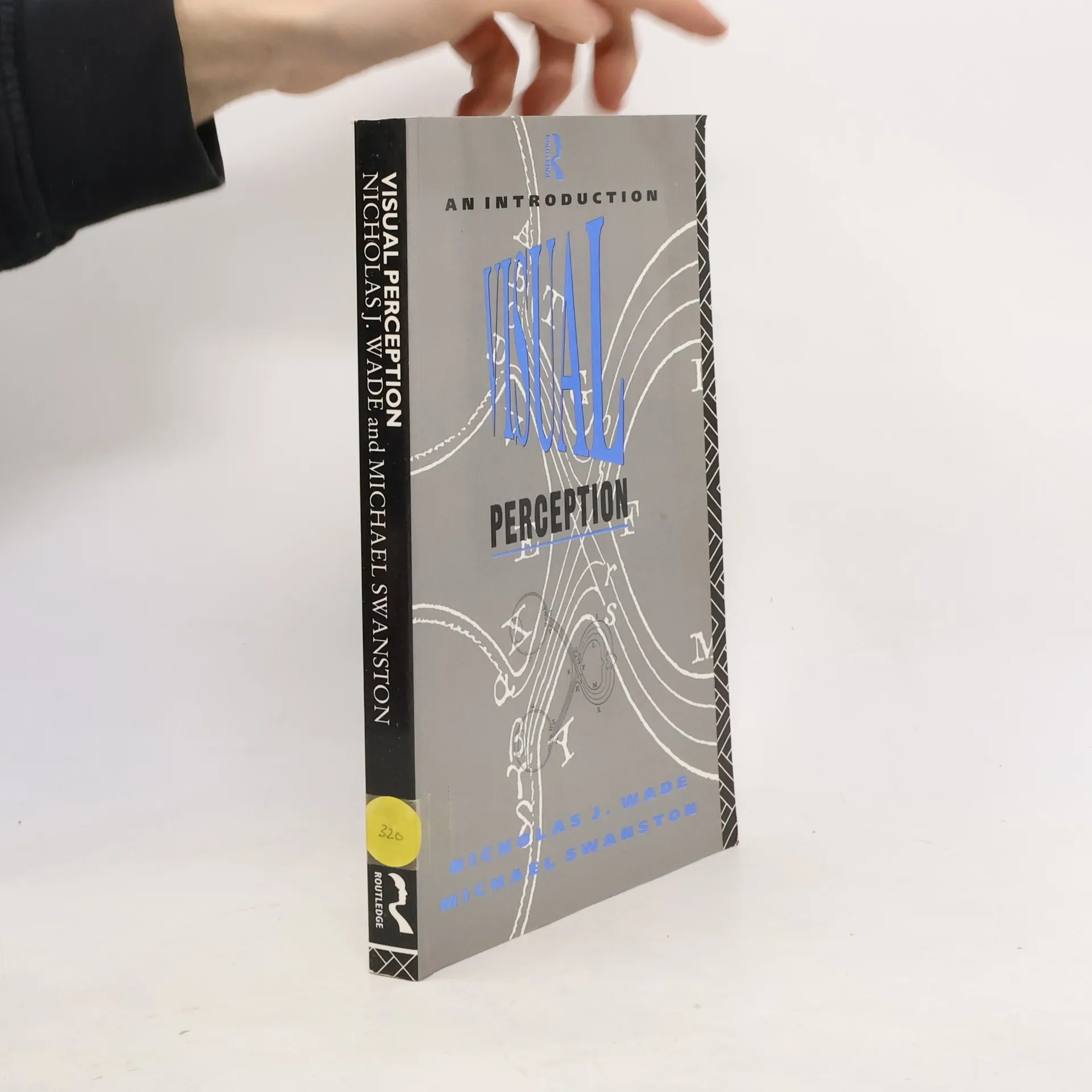
Vision is our dominant sense. We derive most of our information about the world - about where things are, how they move and what they are - from the light that enters the eye and the processing in the brain that follows. Yet, despite the fact that we know more about vision than any other sense, we still do not understand how these functions are performed.