

Hans-Georg Soeffner Bücher



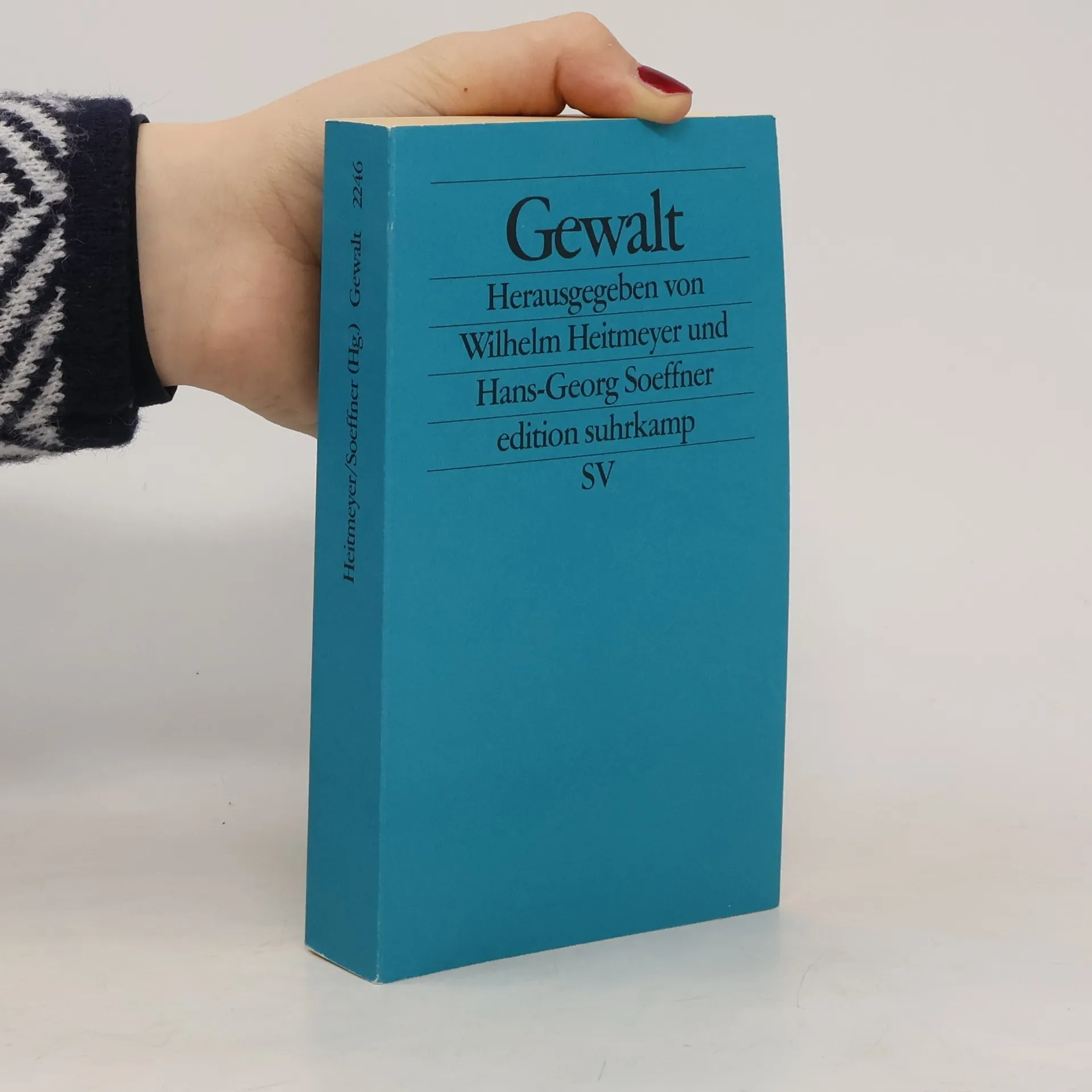

Gewalt
- 560 Seiten
- 20 Lesestunden
Das 20. Jahrhundert ist oft als das Jahrhundert der Gewalt bezeichnet worden. Daher mangelt es nicht an Gewaltphänomenen, die es genauer zu untersuchen gilt, als dies bislang geschehen ist. In diesem Band werden deswegen Gewalttaten aus neuen Perspektiven untersucht, neue Interpretationen ihrer Entstehung vorgestellt und neue Herausforderungen der sozialwissenschaftlichen Gewaltforschung debattiert. Folgende Fragen werden unter anderem in diesem gesellschaftspolitisch folgenreichen Buch behandelt: Kann der lange dominierende Begriff der physischen Gewalt überhaupt noch leitend sein, und muß die Gewaltanalyse sich nicht wieder stärker der strukturellen Gewalt zuwenden, da zunehmend eine »Gewalt ohne Gesicht« auftritt? Stecken die Ursachen im Gewalthandeln selbst, so daß Hinweise auf soziale Hintergründe etwa in die Irre führen? Verlieren sozialwissenschaftliche Forschungen aufgrund neuer biologischer Ansätze völlig an Relevanz?
Auslegend, deutend und daher sinnhaft handelnd und planend bewegen wir uns in einer bereits weitgehend ausgelegten und vorgedeuteten Welt. Auslegung und Deutung gehören zu unserem alltäglichen Geschäft. Sie sind keine Erfindung der Wissenschaft. Diese vorwissenschaftlichen Verstehensweisen werden normalerweise nicht als wissenschaftliches Problem thematisiert. Sie werden »routiniert« und selbstverständlich im Alltag praktiziert und kommen als solche nicht in den Blick des Bewußtseins. Sie werden vom Deutungsproblem und vom Deutungsgegenstand absorbiert. Dennoch strukturieren sie handlungsleitende Bewußtseinsleistungen. Aber der im Alltag vorherrschende Handlungsdruck und die »hellwache« (A. Schütz) handlungsorientierte Bewußtseinsspannung verhindern, daß die Verstehungsleistungen selbst – als Fertigkeiten und Instrumente – Gegenstand des Bewußtseins werden. Die wissenschaftliche Erklärung ist vermutlich der Grundstruktur nach der Alltagserklärung analog, aber formalisiert und institutionalisiert. Gegenüber den vorgängigen Deutungs- und Verstehensakten verhalten sich beide Erklärungstypen – der alltägliche wie der wissenschaftliche – im großen und ganzen gleich unreflektiert.
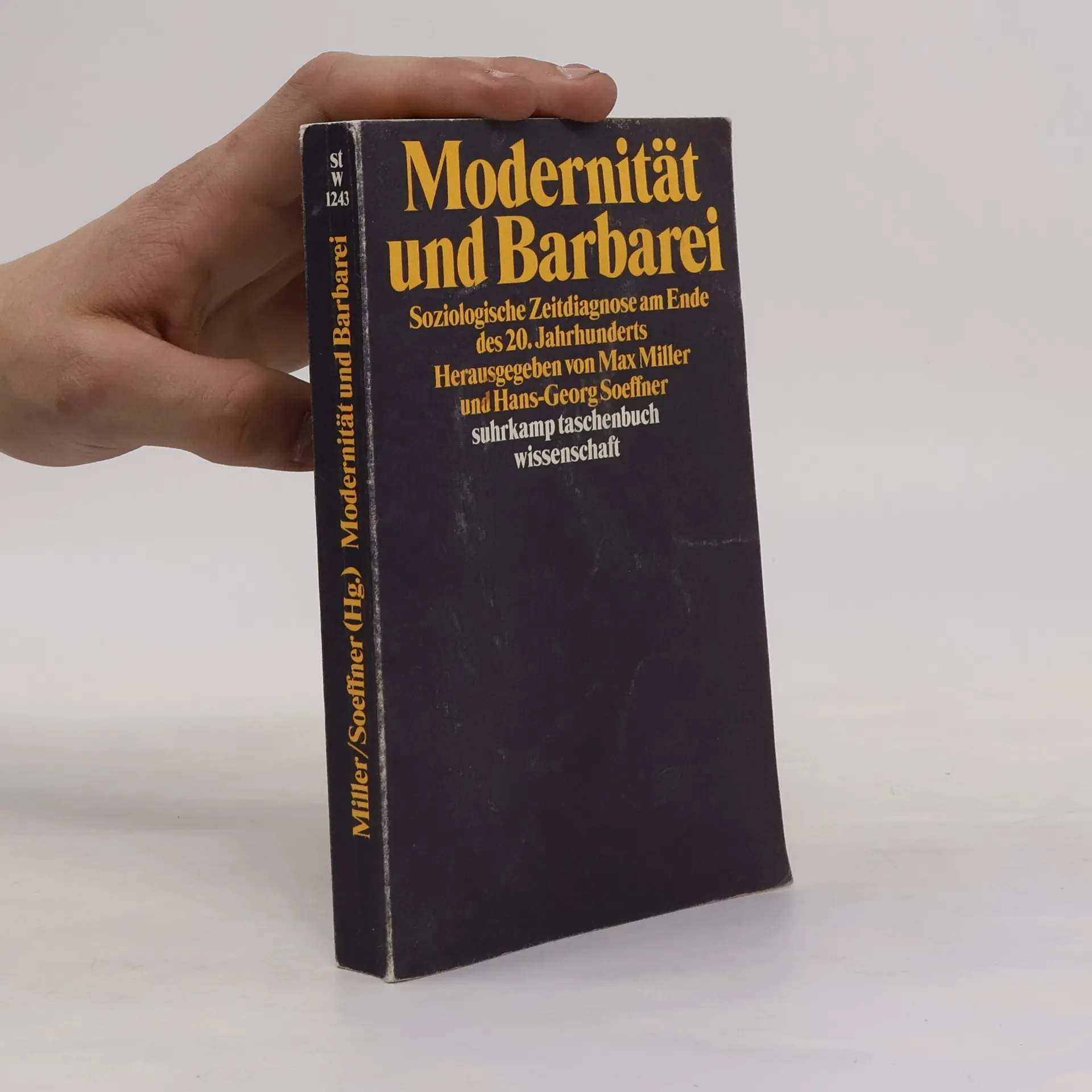
Suhrkamp Taschenbuch Wissenschaft: Modernität und Barbarei
Soziologische Zeitdiagnose am Ende des 20. Jahrhunderts
- 370 Seiten
- 13 Lesestunden
German
German