Edward Maunde Thompson war ein britischer Paläograph und der erste Direktor des British Museum. Er ist heute am besten für seine Studie über Shakespeares Handschrift im Manuskript des Stücks Sir Thomas More bekannt. Seine Expertise in Paläographie und Archivwissenschaft trug maßgeblich zur Erhaltung und zum Verständnis historischer Dokumente bei. Seine Arbeit legte den Grundstein für weitere Forschungen in den Bereichen Philologie und Literaturgeschichte.
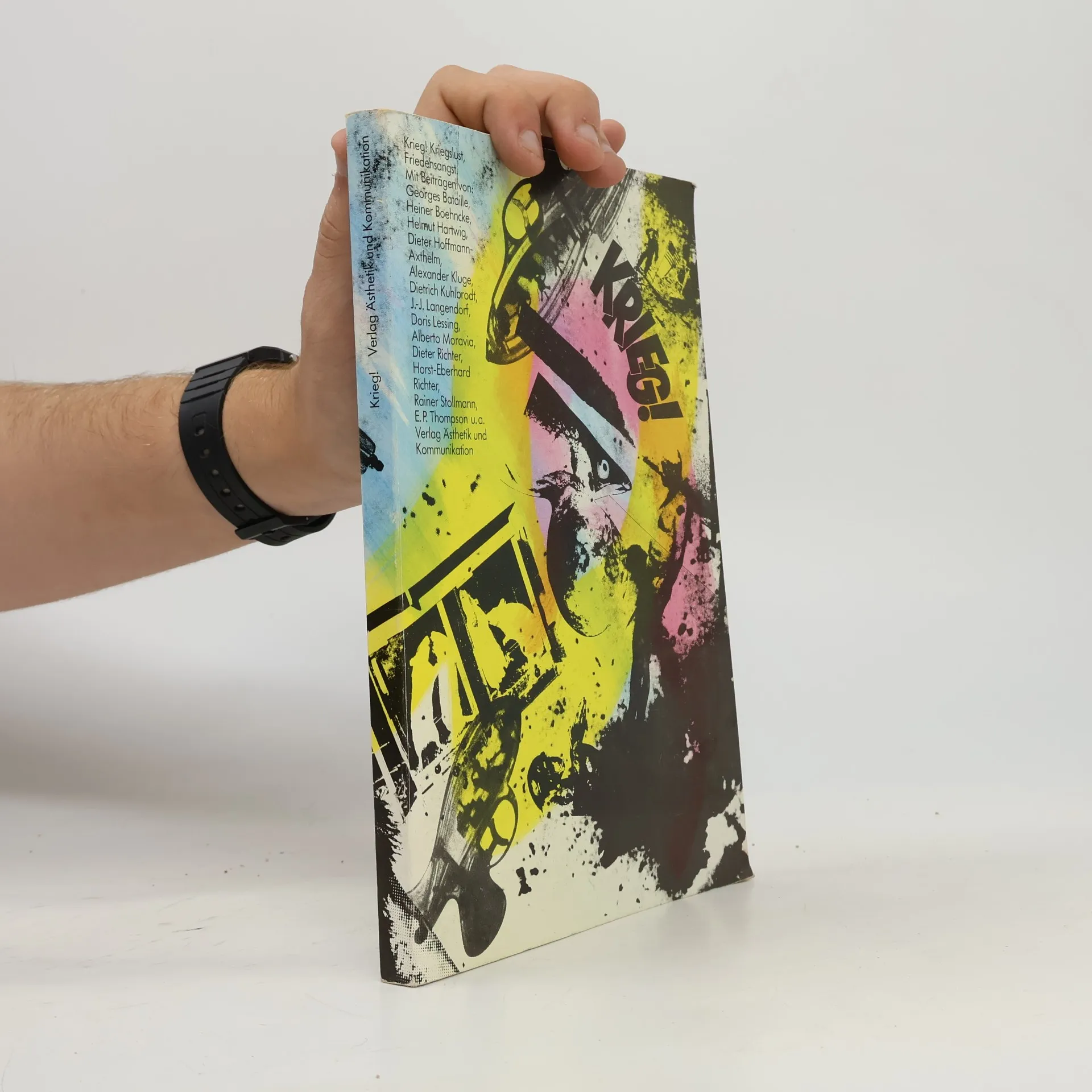
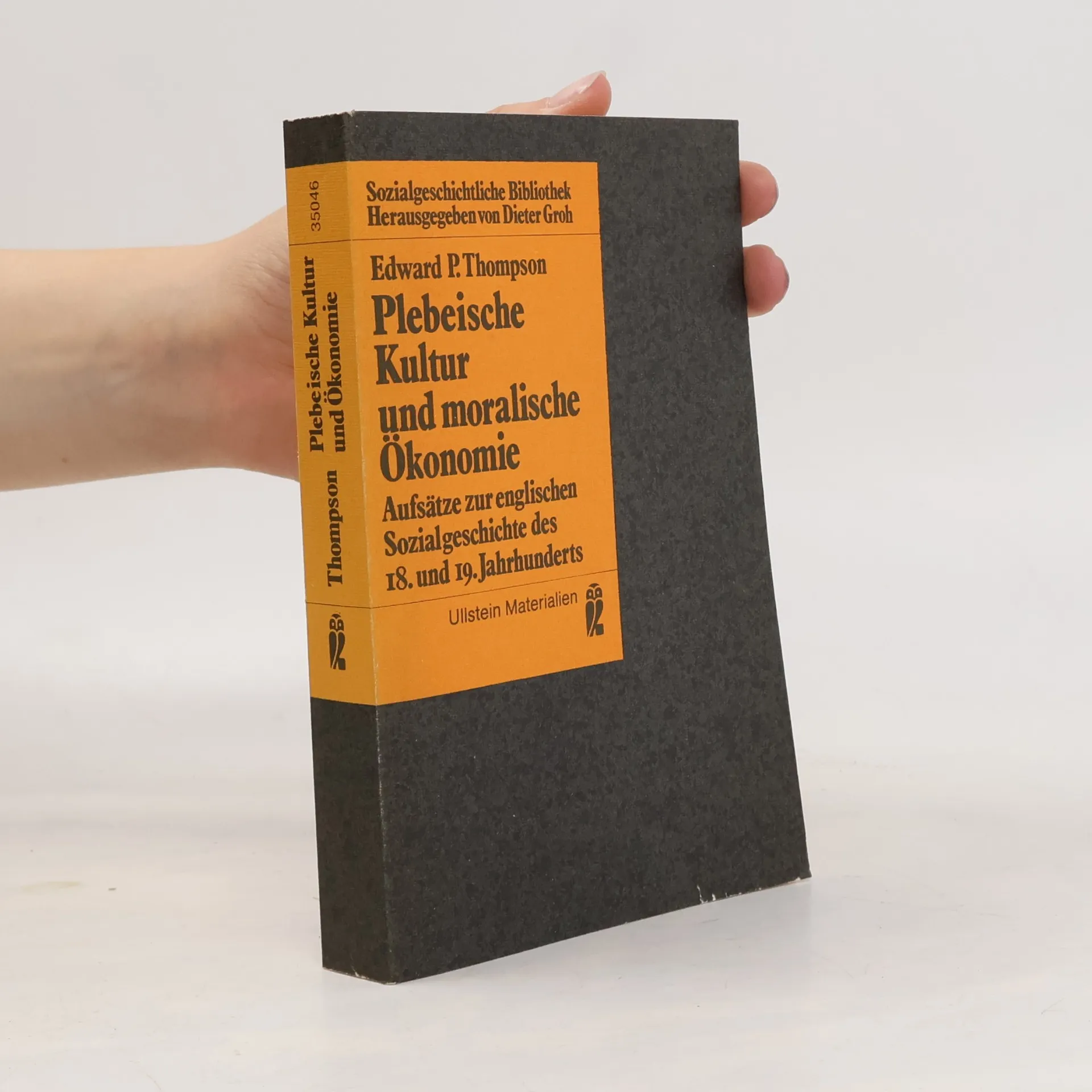
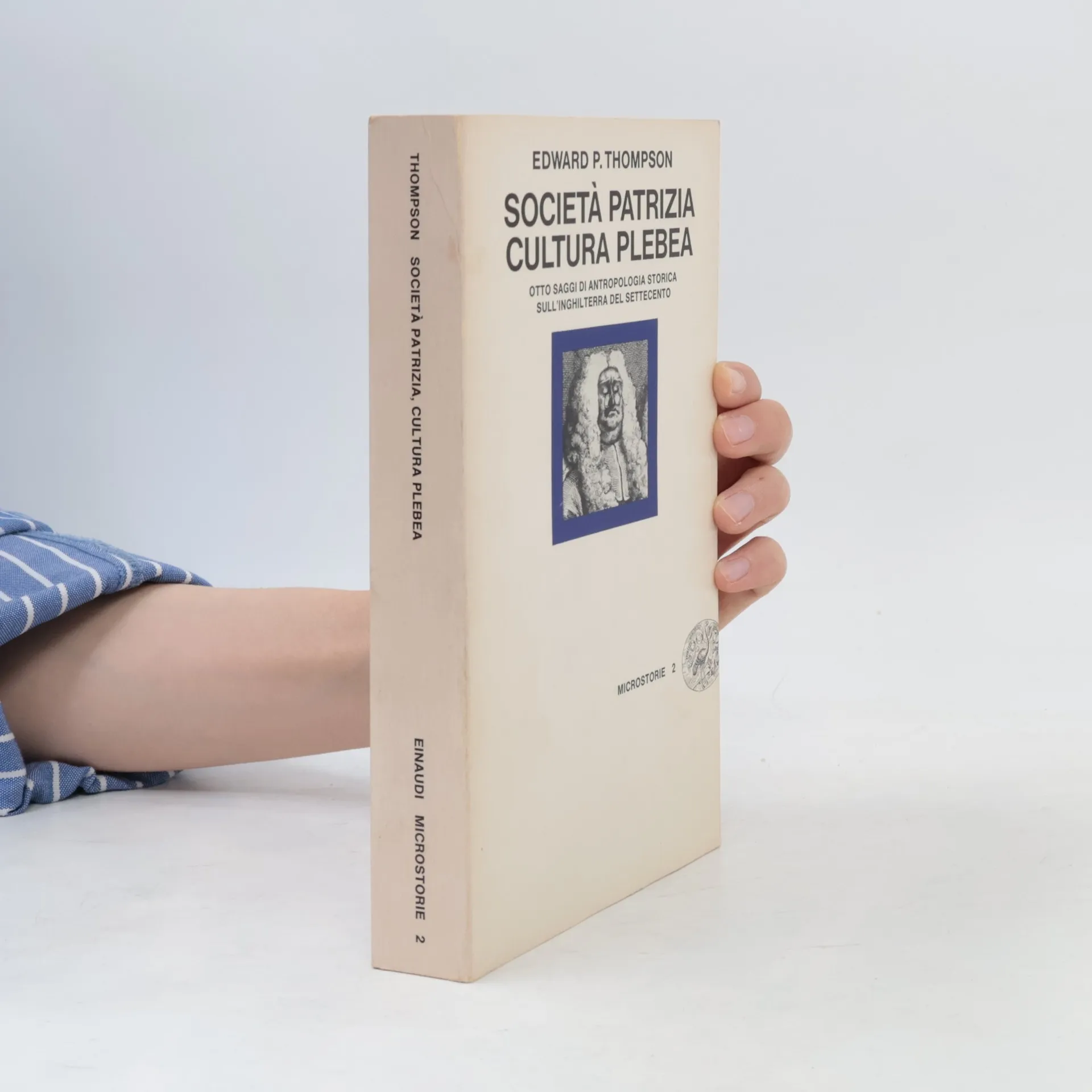
Zeit, Arbeitsdisziplin und Industriekapitalismus -- Die 'moralische' Ökonomie' der englischen Unterschichten im 18. Jahrhundert -- "Rough Music" oder englische Katzenmusik -- Patrizische Gesellschaft, plebeische Kultur -- Romantik, Moral and utopisches Denken: der Fall William Morris -- Die englische Gesellschaft im 18. Jahrhundert: Klassenkampf ohne Klasse? -- Volkskunde, Anthropologie und Sozialgeschichte.
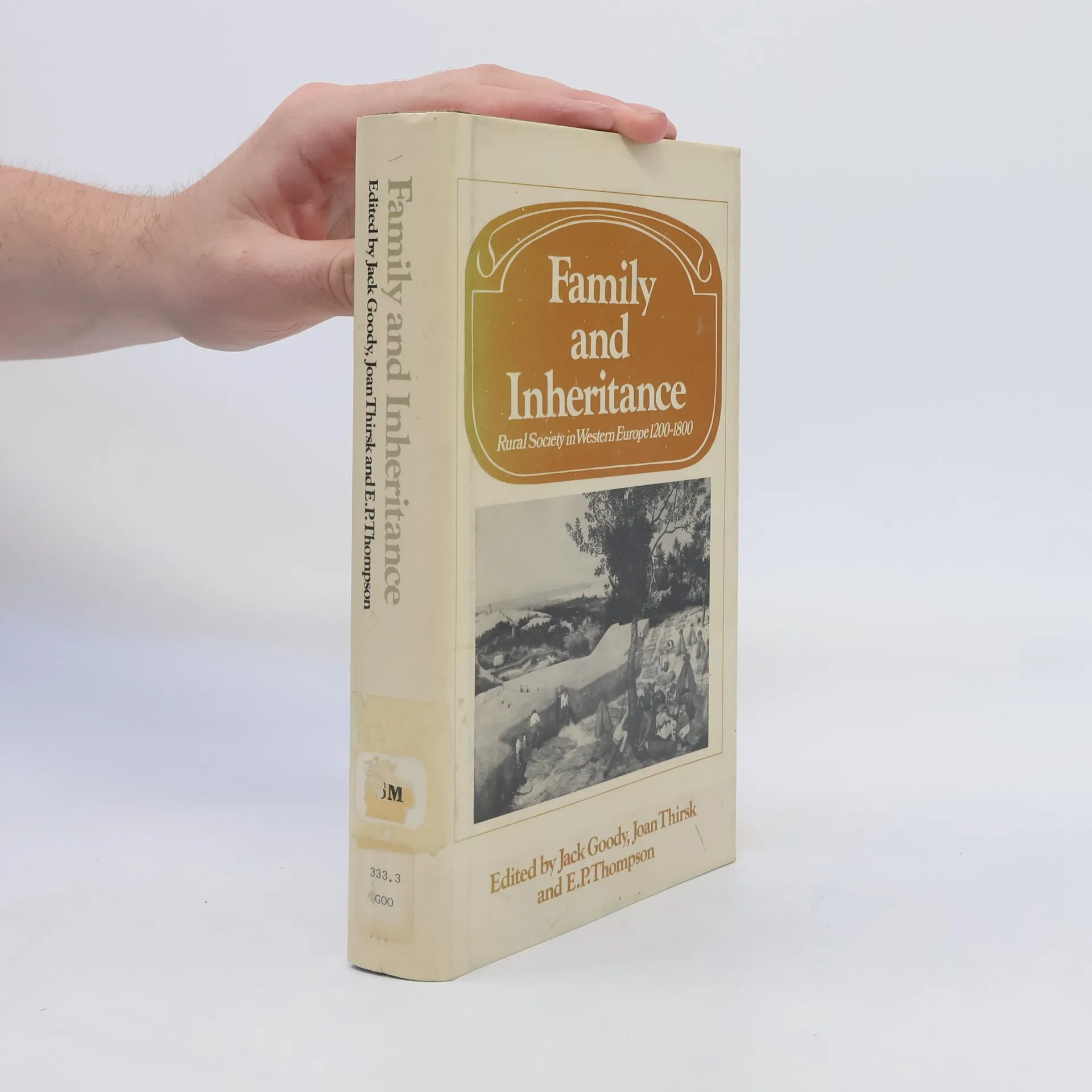
This pioneering book examines different aspects of the inheritance customs in rural Western Europe in the pre-industrial age: for families and whole societies, the roles of lawyers in reducing them to a common system, and the recurring debate on the merits of various inheritance customs in shaping particular kinds of society. At first sight the study of inheritance customs may appear to be a dull affair, concerned with outdated practices of hair-splitting lawyers; certainly, little academic interest has been shown in the subject. Yet inheritance customs are vital means for the reproduction of the social system, by the transmission of property and other rights through the family. Various family structures and social arrangements are linked by different means of inheritance. This book will interest a wide range of historians, students, postgraduates and teachers alike, whether they are concerned with social, economic, demographic or legal history, in the medieval, early modern or modern periods, and whether their interests are directed to England or other countries of Western Europe; it will also be valuable to social anthropologists, sociologists and historians of ideas. A comprehensive glossary of technical terms has been added for the non-specialist
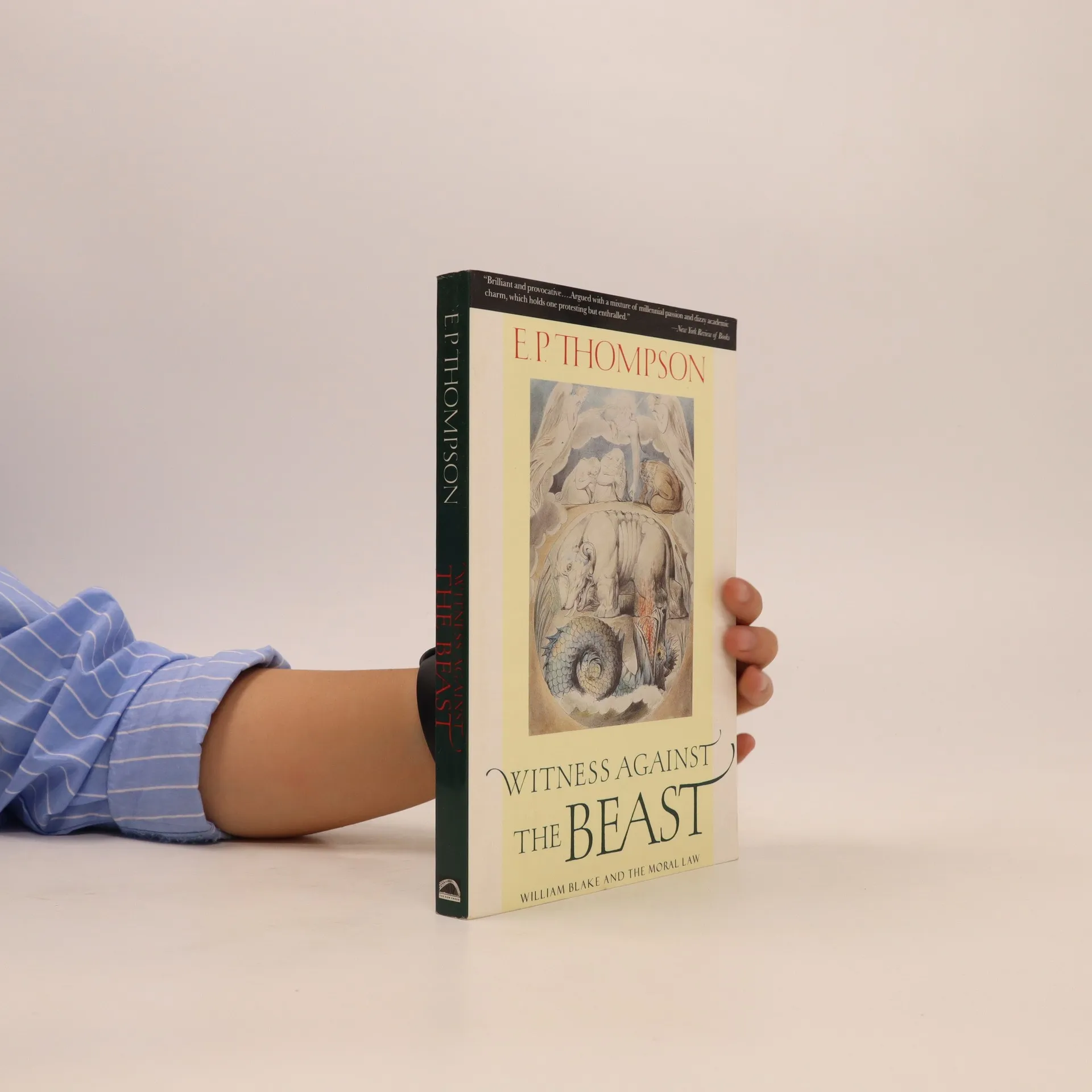
In this interdisciplinary study, the social historian E.P. Thompson contends that most of the assumptions scholars have made about William Blake, the thinker and poet, are misleading and unfounded. The learned tradition that later adopted Blake as a canonical author was important only as the tradition against which he worked.
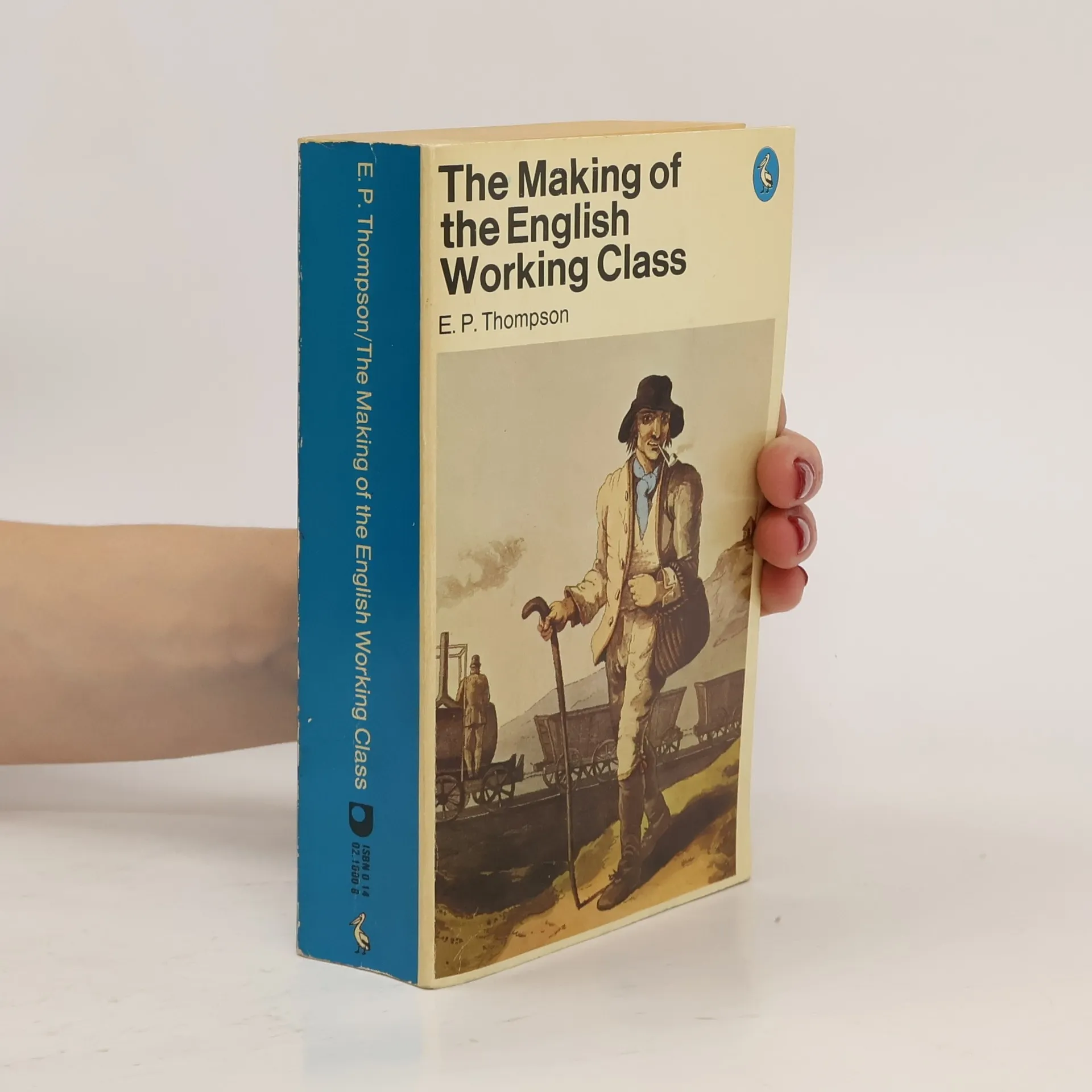
Offers an account of working-class society in its formative years, 1780 to
1832. This English social history shows how the working class took part in its
own making and re-creates the whole-life experience of people who suffered
loss of status and freedom, and who underwent degradation.
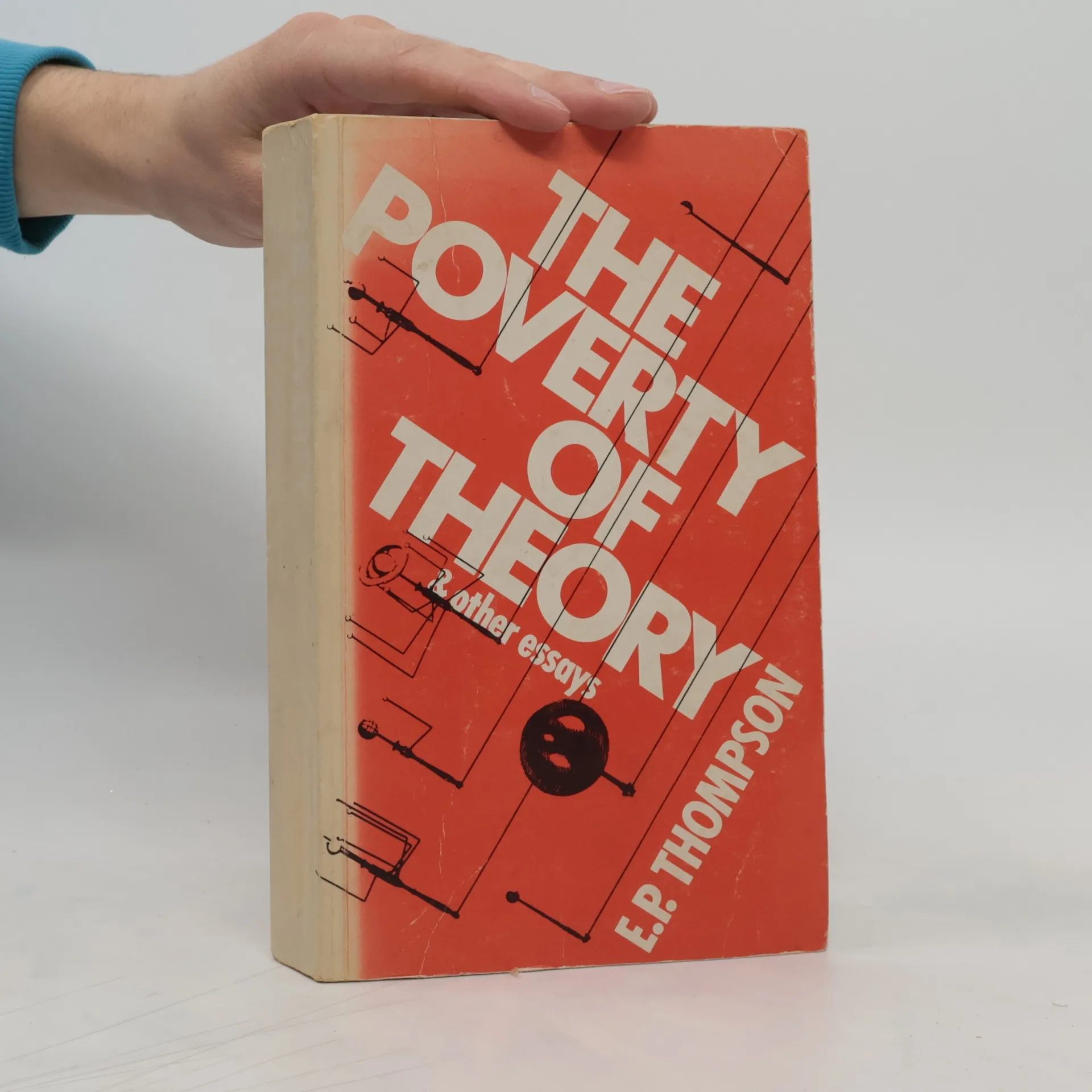
This classic collection of essays by E.P. Thompson, one of England’s most renowned socialist voices, remains a staple text in the history of Marxist theory. The bulk of the book is dedicated to Thompson’s famous polemic against Louis Althusser and what he considers the reductionism and authoritarianism of Althusserian structuralism. In lively and erudite prose, Thompson argues for a self-critical and unapologetically humanist Marxist tradition. Also included are three essays of considerable importance to the development of the New Left.
Neue Botschaften von Solano & LD Thompson! Wir manifestieren so viel in unserem Leben, das nicht unseren wahren Wünschen entspricht. Wie können wir uns bewusst werden, was wir wirklich manifestieren möchten? Die Antwort ist einfach: Nehmen wir Verbindung auf mit der eigenen Seele. So können wir unseren Lebensplan erkennen und haben uneingeschränkten Zugriff auf die Seelenfülle und den inneren Reichtum, die uns in jedem Augenblick unseres Lebens zur Verfügung stehen. 'Solano war und ist einer meiner Lehrer. Einer, für den ich besonders dankbar bin' - Sabrina Fox Mit einem Vorwort von Sabrina Fox. Zum selben Erscheinungstermin auch als eBook.
The author modestly describes this book as `a fairly complete account of the
history and progress of Greek and Latin palaeography, especially in its
literary aspect, from the earliest periods represented by surviving
manuscripts down to the close of the fifteenth century'.
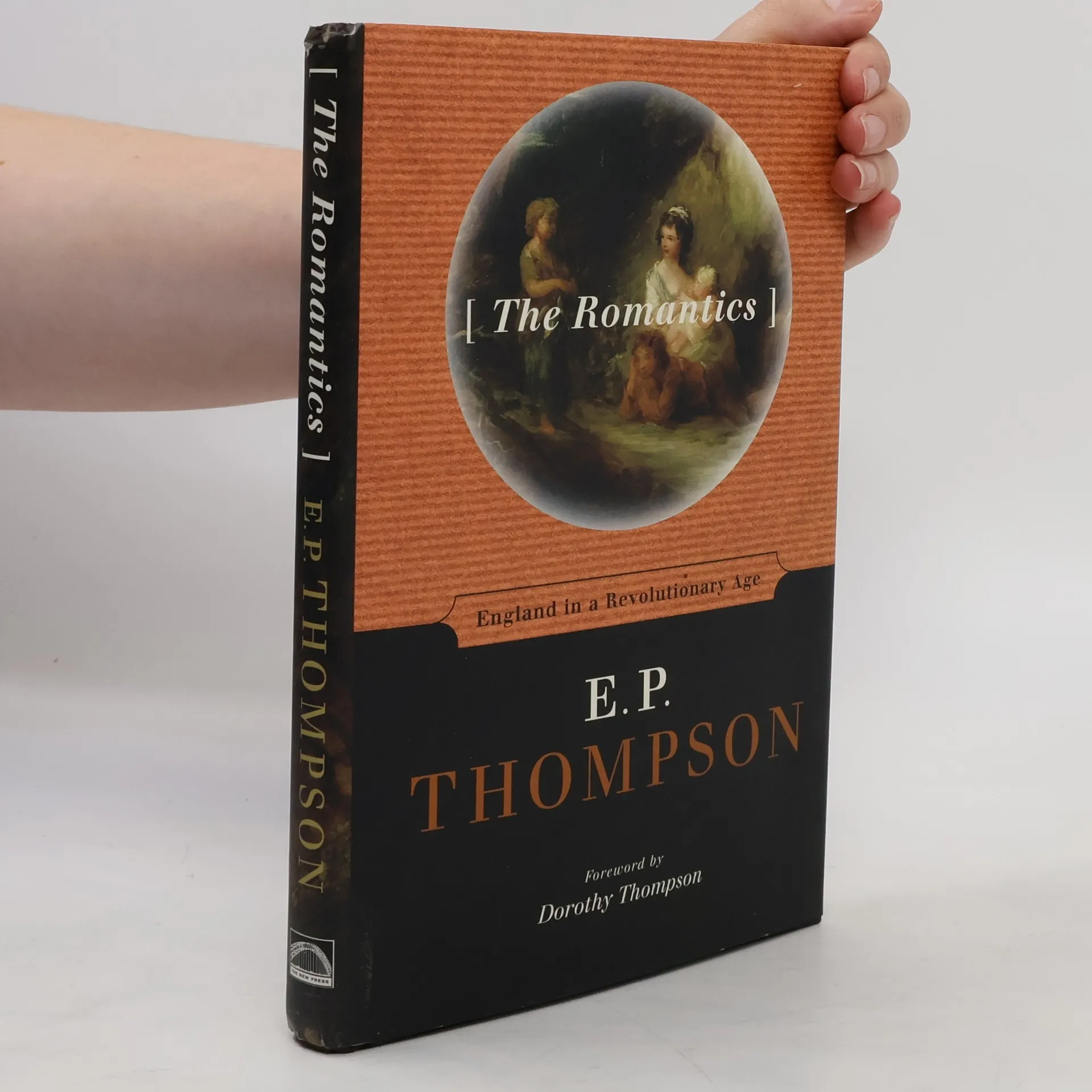
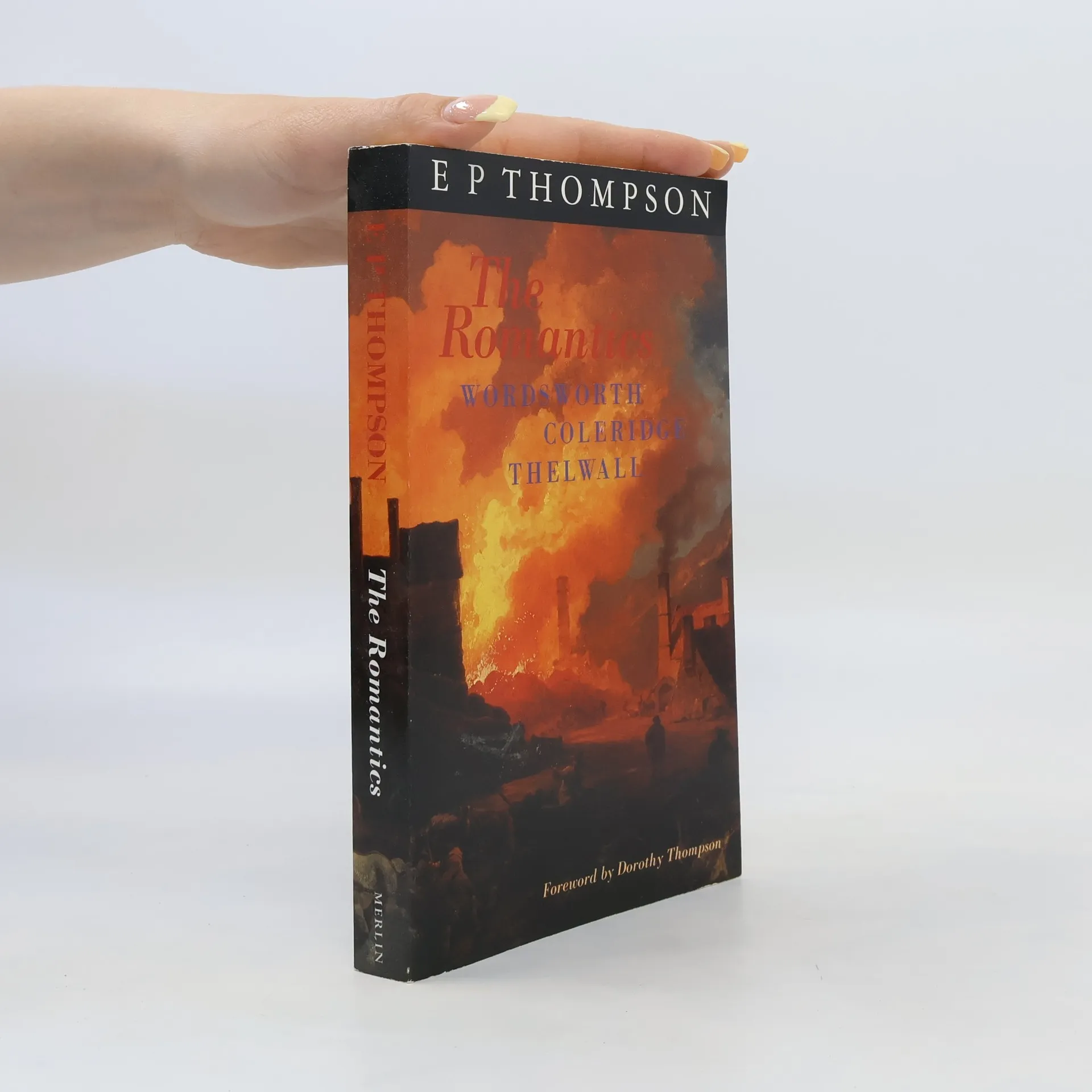
Focusing on the intellectual influences of the English Romantic movement, the book explores the works of prominent figures like Wordsworth and Coleridge, alongside lesser-known authors such as Godwin and Thelwall. E. P. Thompson's analysis intertwines historical context with literary critique, shedding light on the societal pressures of the 1790s, including paternalism and the impact of the French Revolution. Edited by his widow, Dorothy Thompson, the collection includes original texts, notes, and an overview of his insights into this transformative period in literature and politics.
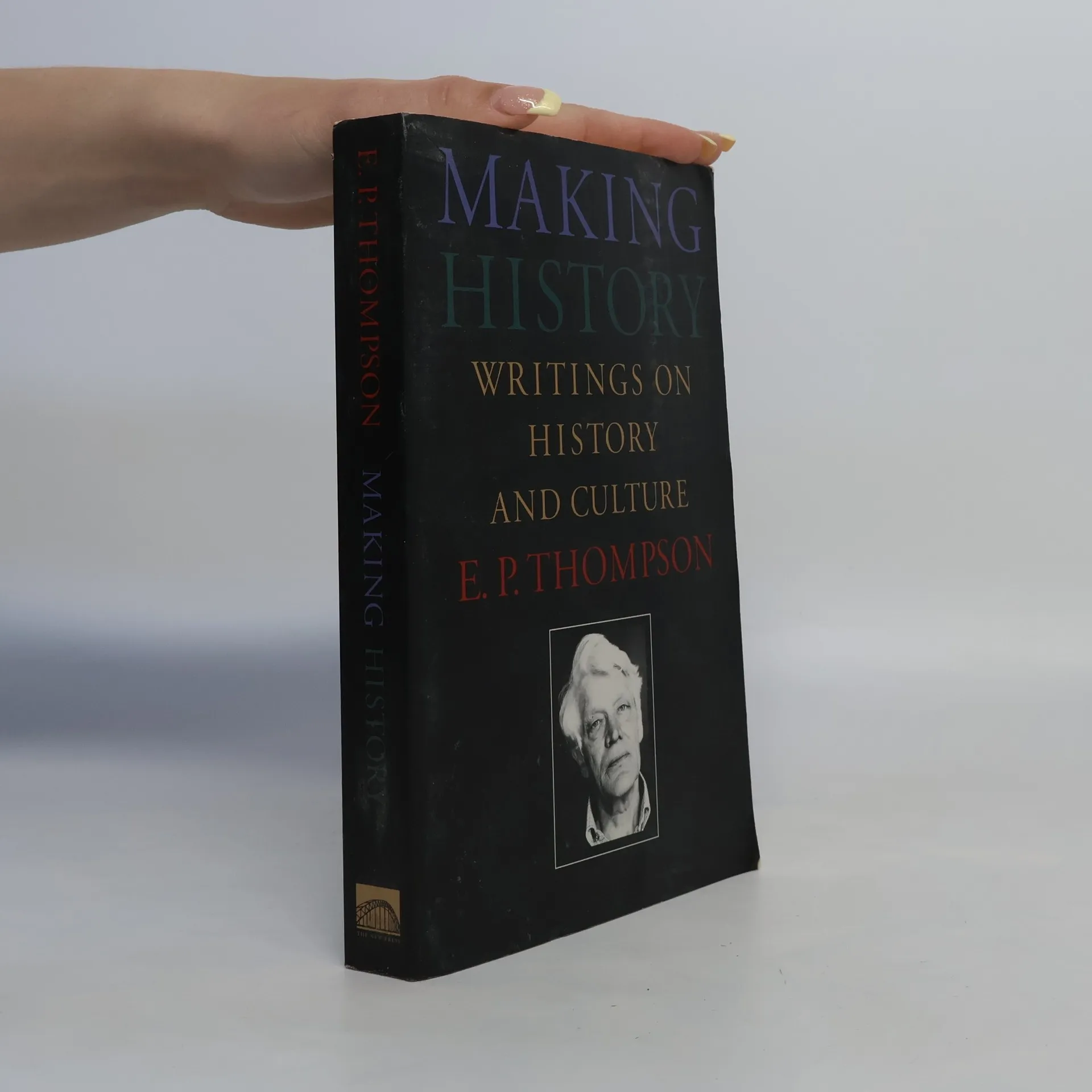
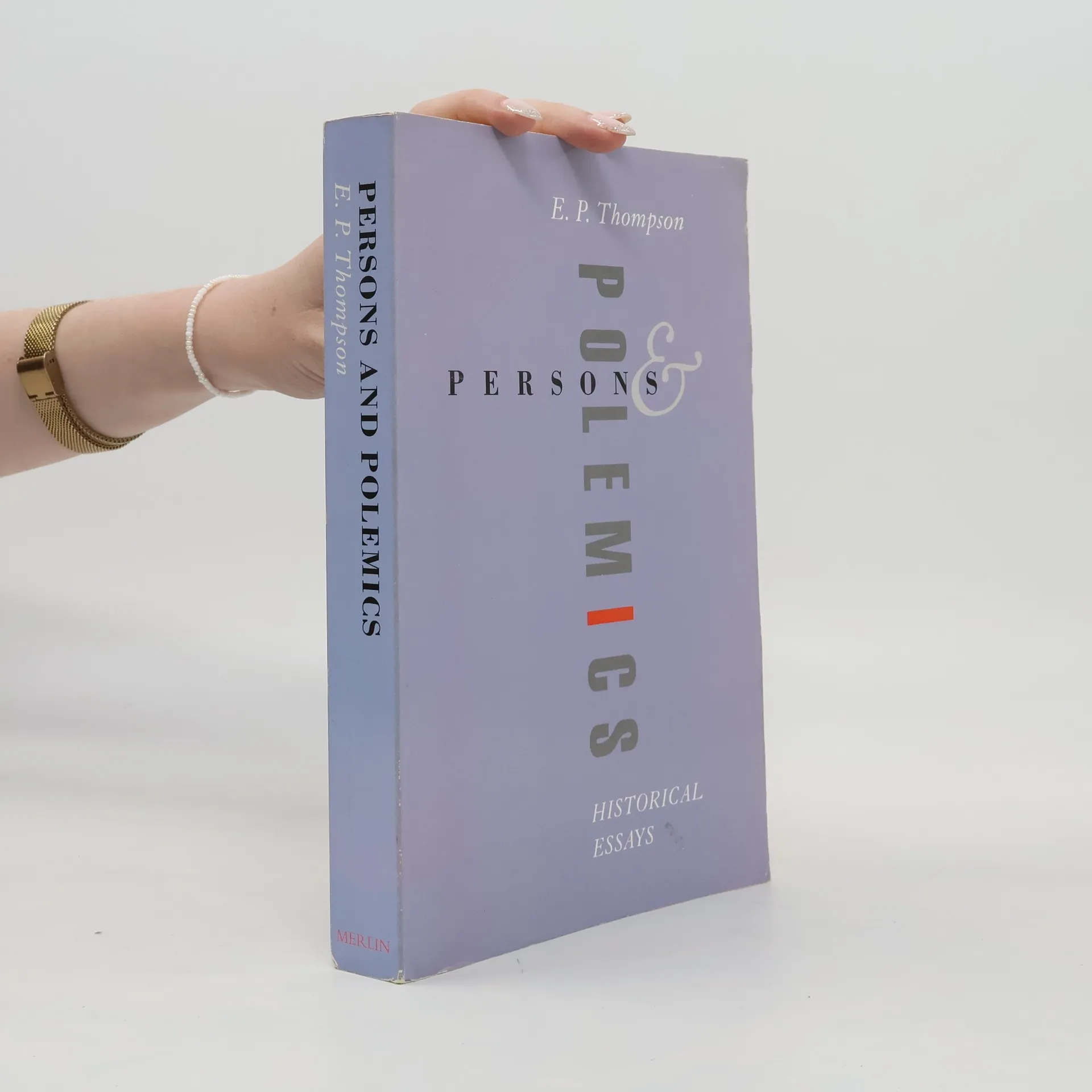
Bringing together writings and lectures delivered by Thompson over a number of years, this collection covers the key debates in history and cultural theory that occupied him throughout his career. These include his assessments of other historians and judgements of classic English writers.
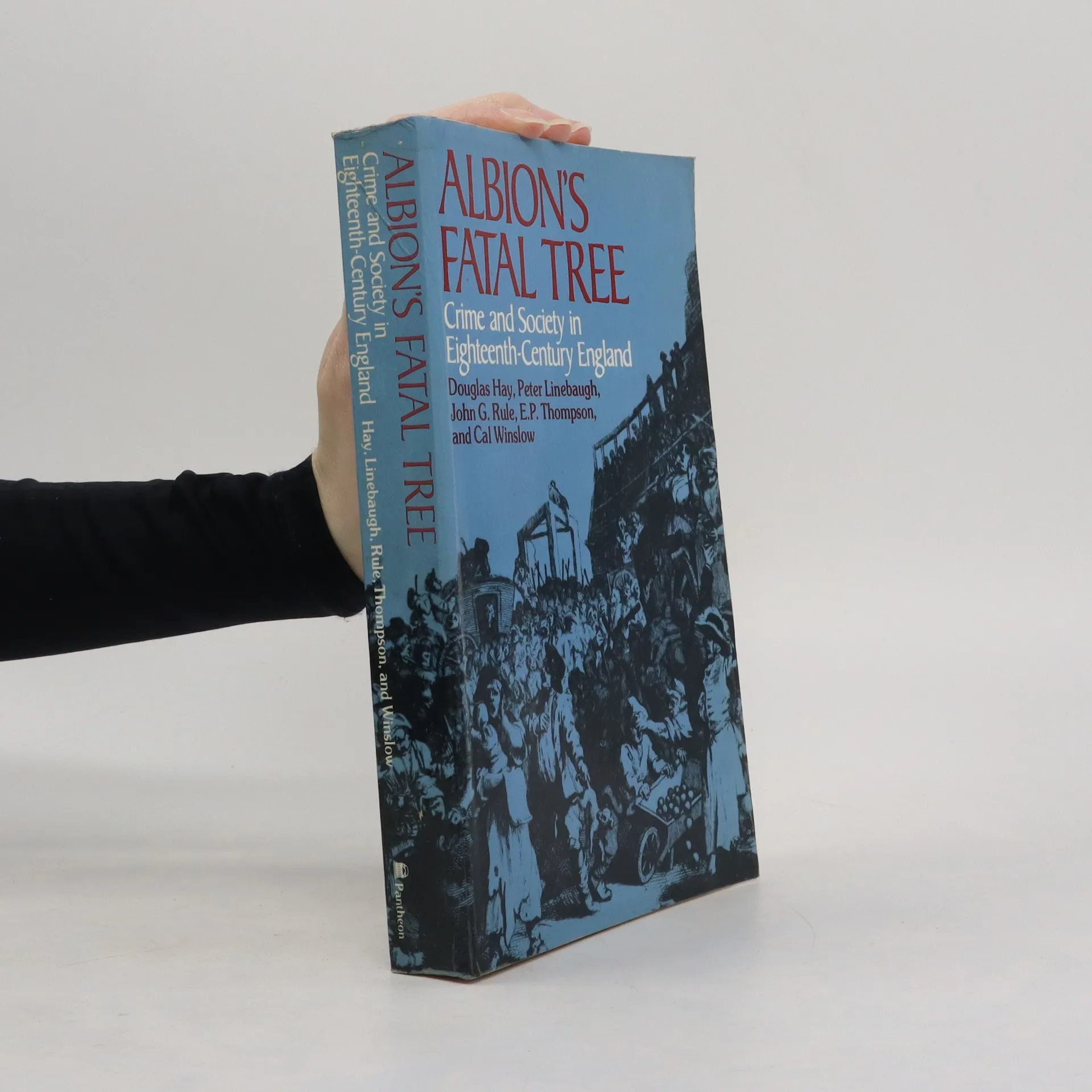
Explores the contrasts between the genteel, aristocratic side of 18th century British society and criminal elements characterized by raucous public hangings marked by insubordination and riot
First edition, first printing hardcover with unclipped dust jacket, in very good condition. Jacket is scuffed, and edges are creased and nicked. Page block is lightly blemished, otherwise as unread. LW
Through motion and immersion in the beauty of nature, Thompson finds a way out
of the hell of depression and drug addiction. Thompson, now a successful
psychologist, retraces the path that led him from despair to wellness,
detailing the chilling childhood trauma that caused his depression, and the
unorthodox treatment that saved him.
Throughout his life, E.P. Thomson had been working on aspects of English romantic literature of the 1790s. He intended eventually to publish a full study of the period, but died before he could complete the project. This book contains parts of that project.
With essays on Mary Wollstonecraft, Tom Maguire, Christopher Caudwell, William Morris, Herbert Gutman, Eleanor Marx, Edgell Rickword, George Sturt, and other socialist topics.
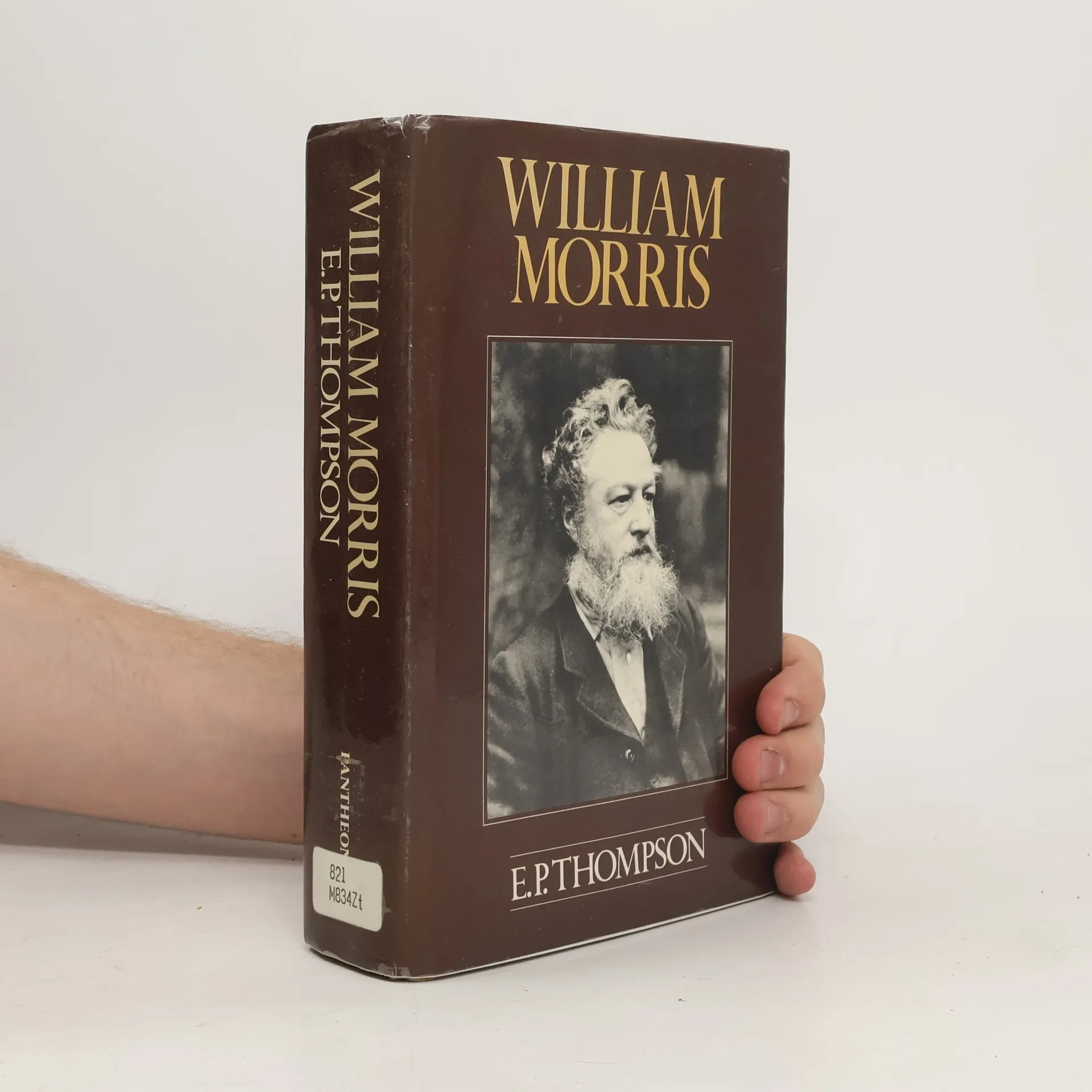
This biographical study is a window into 19th-century British society & the life of Wm Morris--the great craftsman, architect, designer, poet & writer--who remains a monumental & influential figure to this day. This account chronicles how his concern with artistic & human values led him to cross what he called the 'river of fire' & become a committed socialist--committed not only to the theory of socialism but also to the practice of it in the day-to-day struggle of working people in Victorian England. While both the British Labor Movement & the Marxists have venerated Morris, this legacy of his life proves that many of his ideas didn't accord with the dominant reforming tendencies, providing a unique perspective on Morris scholarship.
Handbook of Greek and Latin palaeography is an unchanged, high-quality reprint of the original edition of 1893. Hansebooks is editor of the literature on different topic areas such as research and science, travel and expeditions, cooking and nutrition, medicine, and other genres. As a publisher we focus on the preservation of historical literature. Many works of historical writers and scientists are available today as antiques only. Hansebooks newly publishes these books and contributes to the preservation of literature which has become rare and historical knowledge for the future.