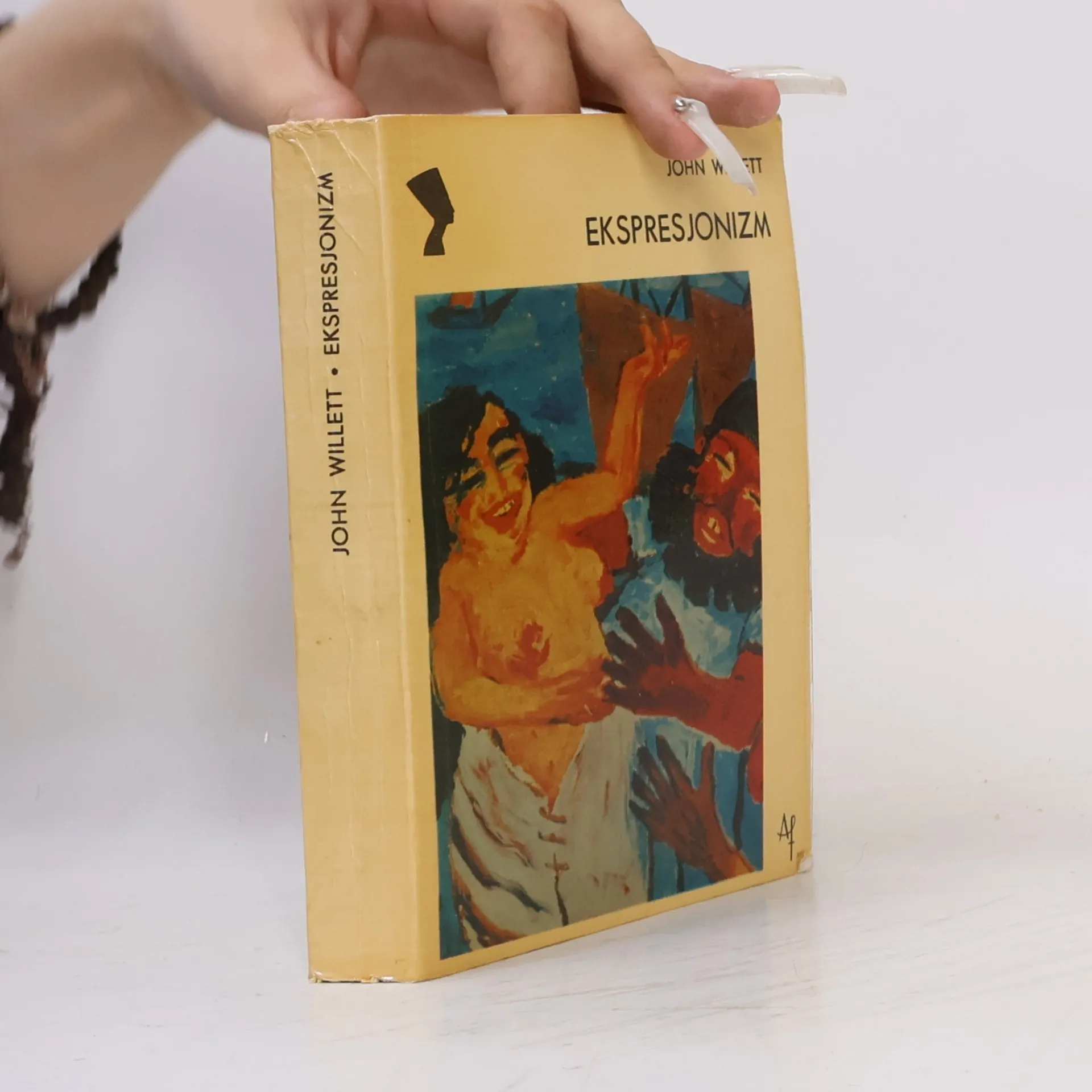
The Weimar years
- 160 Seiten
- 6 Lesestunden
Eine visuelle Geschichte dieses faszinierenden künstlerischen Zeitraums, die Werke von Dix, Grosz, Heartfield, Brecht und anderen präsentiert.





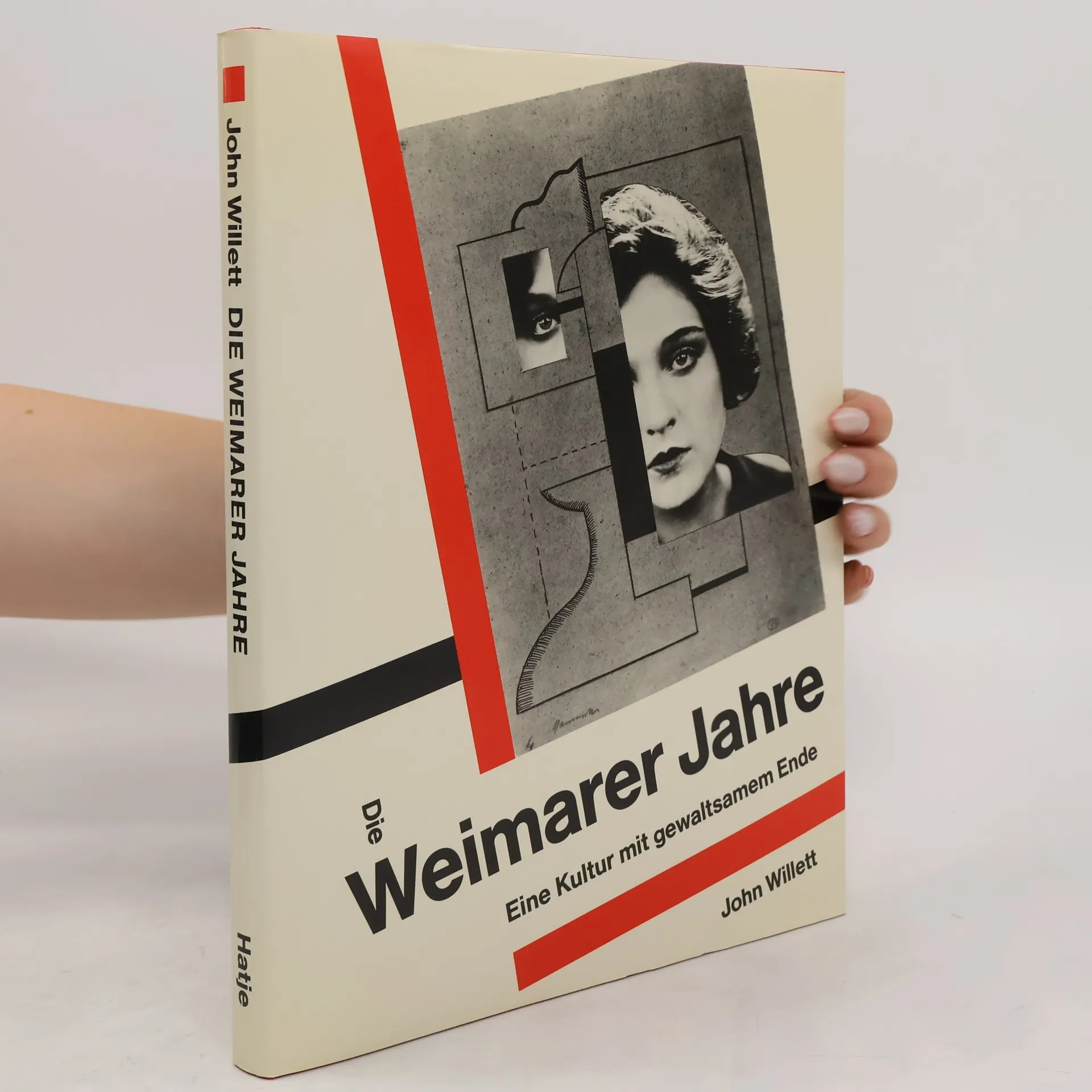
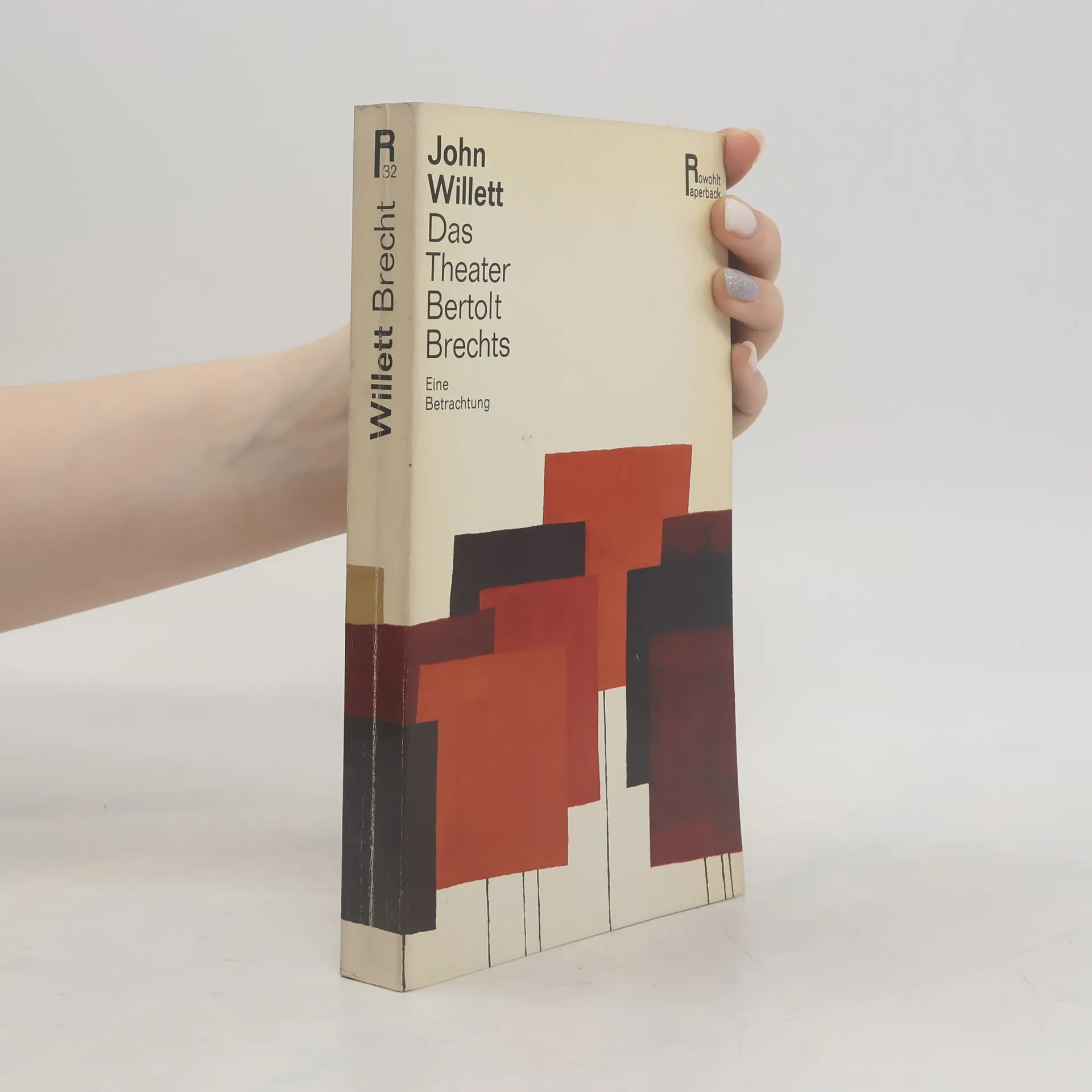
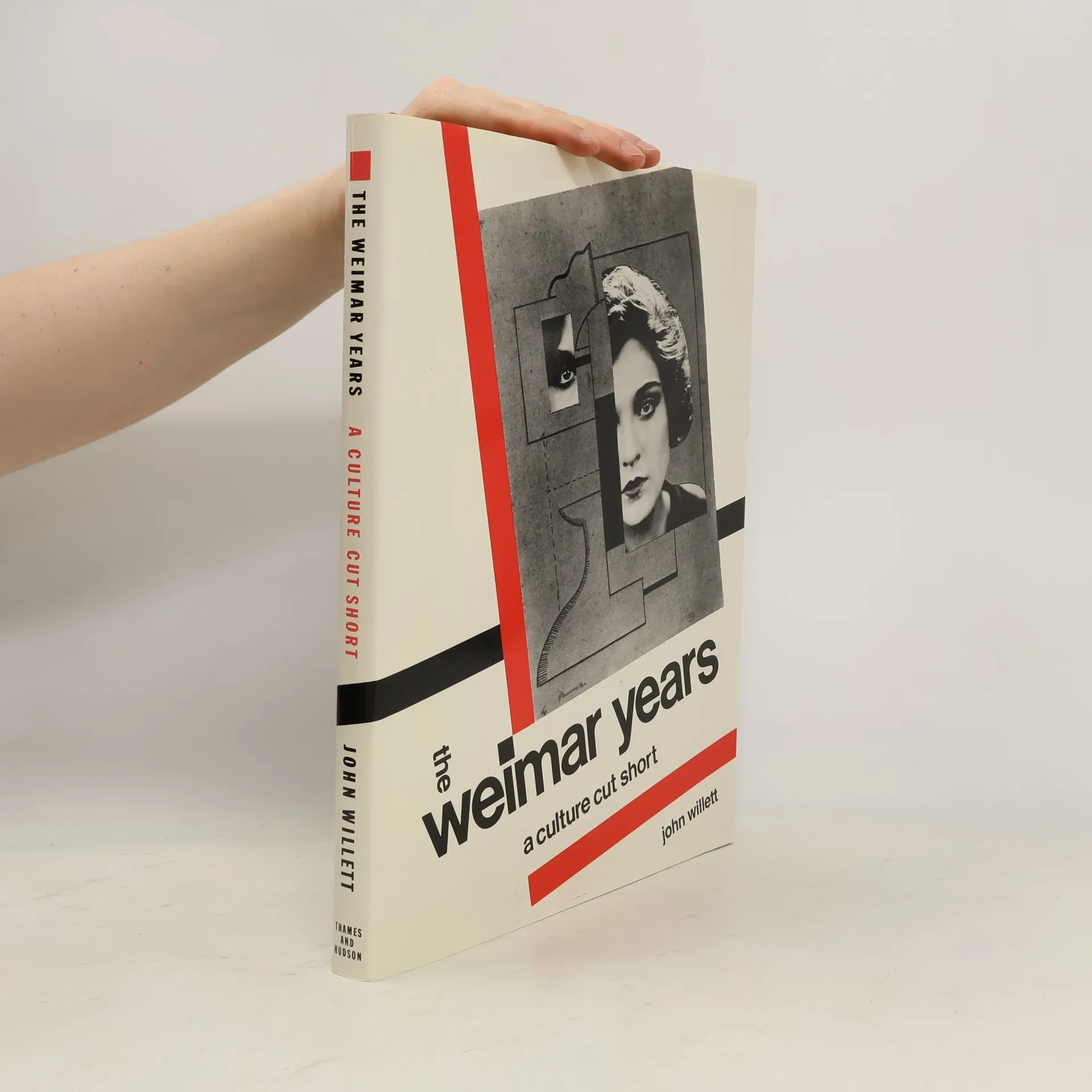
Eine visuelle Geschichte dieses faszinierenden künstlerischen Zeitraums, die Werke von Dix, Grosz, Heartfield, Brecht und anderen präsentiert.
Kunst + Politik 1917-1933
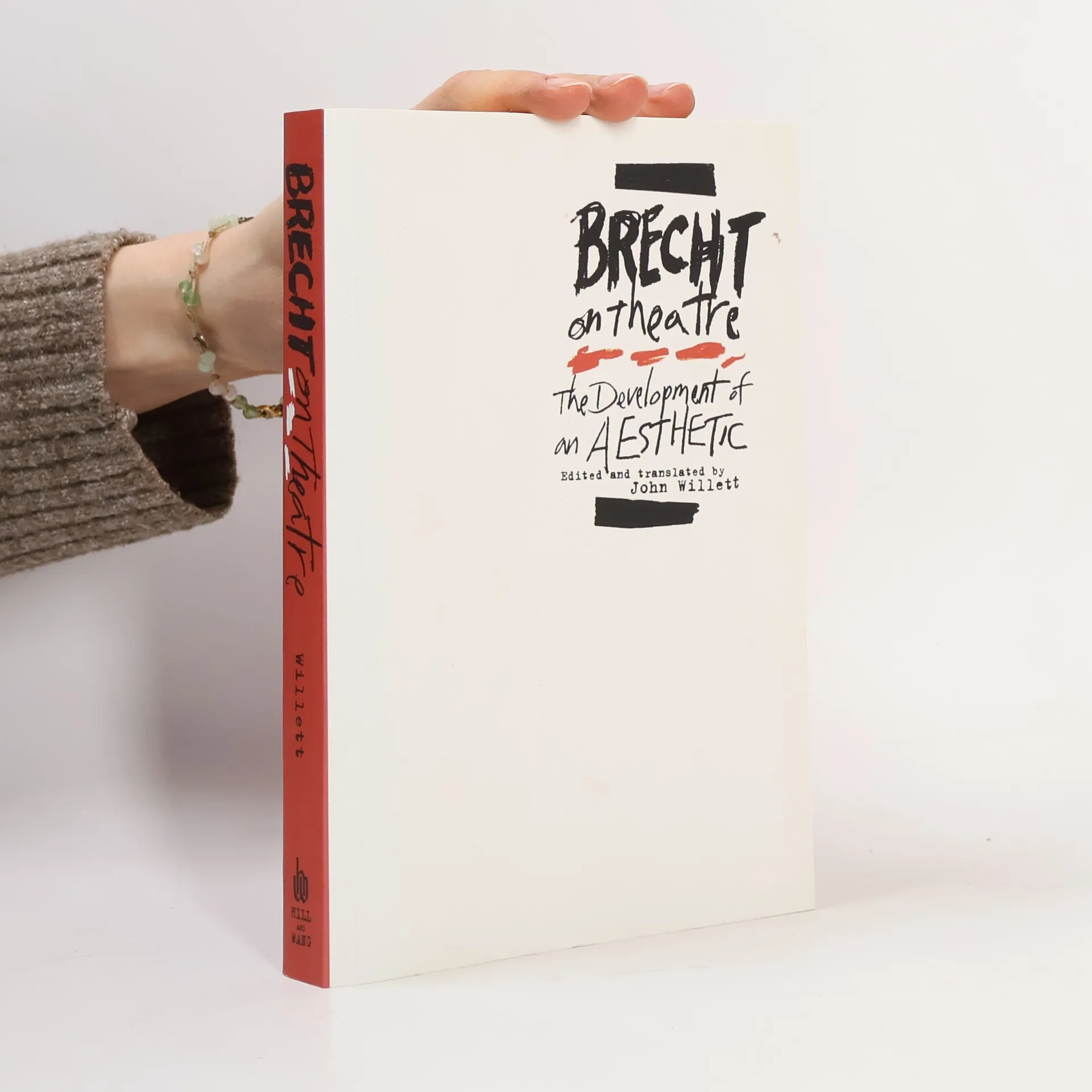
This volume offers a major selection of Bertolt Brecht's groundbreaking critical writing. Here, arranged in chronological order, are essays from 1918 to 1956, in which Brecht explores his definition of the Epic Theatre and his theory of alienation-effects in directing, acting, and writing, and discusses, among other works, The Threepenny Opera, Mahagonny, Mother Courage, Puntila, and Galileo . Also included is "A Short Organum for the Theatre," Brecht's most complete exposition of his revolutionary philosophy of drama. Translated and edited by John Willett, Brecht on Theater is essential to an understanding of one of the twentieth century's most influential dramatists.
The period between the end of World War I and Hitler's ascension to power witnessed an unprecedented cultural explosion that embraced the whole of Europe but was, above all, centered in Germany. Germany housed architect Walter Gropius and the Bauhaus movement; playwrights Bertolt Brecht and Erwin Piscator; artists Hans Richter, George Grosz, John Heartfield, and Hannah Hoch; composers Paul Hindemith, Arnold Schonberg, and Kurt Weill; and dozens of others. In Art and Politics in the Weimar Period , John Willett provides a brilliant explanation of the aesthetic and political currents which made Germany the focal point of a new, down-to-earth, socially committed cultural movement that drew a significant measure of inspiration from revolutionary Russia, left-wing social thought, American technology, and the devastating experience of war.
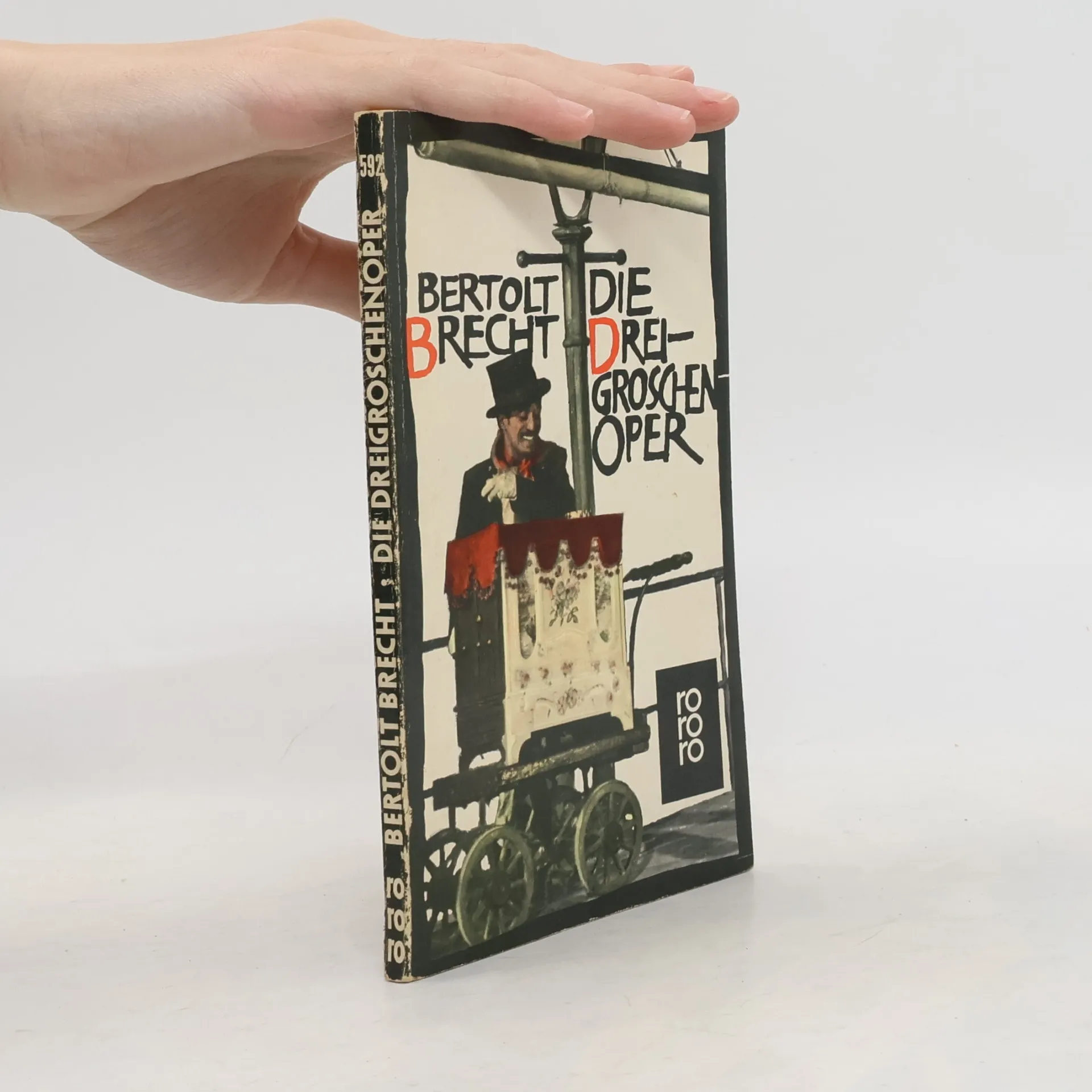
„Brecht zielt mit der Dreigroschenoper auf die Entlarvung der korrupten Bourgeoisie. Auf der einen Seite erscheint der Bettlerkönig Peachum als Musterbeispiel des Geschäftemachers, für den Not und Armut nichts anderes sind als Mittel zum Zweck; auf der anderen Seite entpuppt sich der skrupellose Verbrecher Mackie Messer als Prototyp sogenannter bürgerlicher Solidität. Peachum mobilisiert die Bettlermassen, organisiert eine Demonstration des Elends und droht, den Krönungszug zu stören, falls der korrupte Polizeichef Tiger-Brown sich weigern sollte, Mackie Messer zu verhaften, der Peachums Kreise störte.“
Text und Kommentar in einem Band. In der Suhrkamp BasisBibliothek erscheinen literarische Hauptwerke aller Epochen und Gattungen als Arbeitstexte für Schule und Studium. Der vollständige Text wird ergänzt durch anschaulich geschriebene Kommentare.
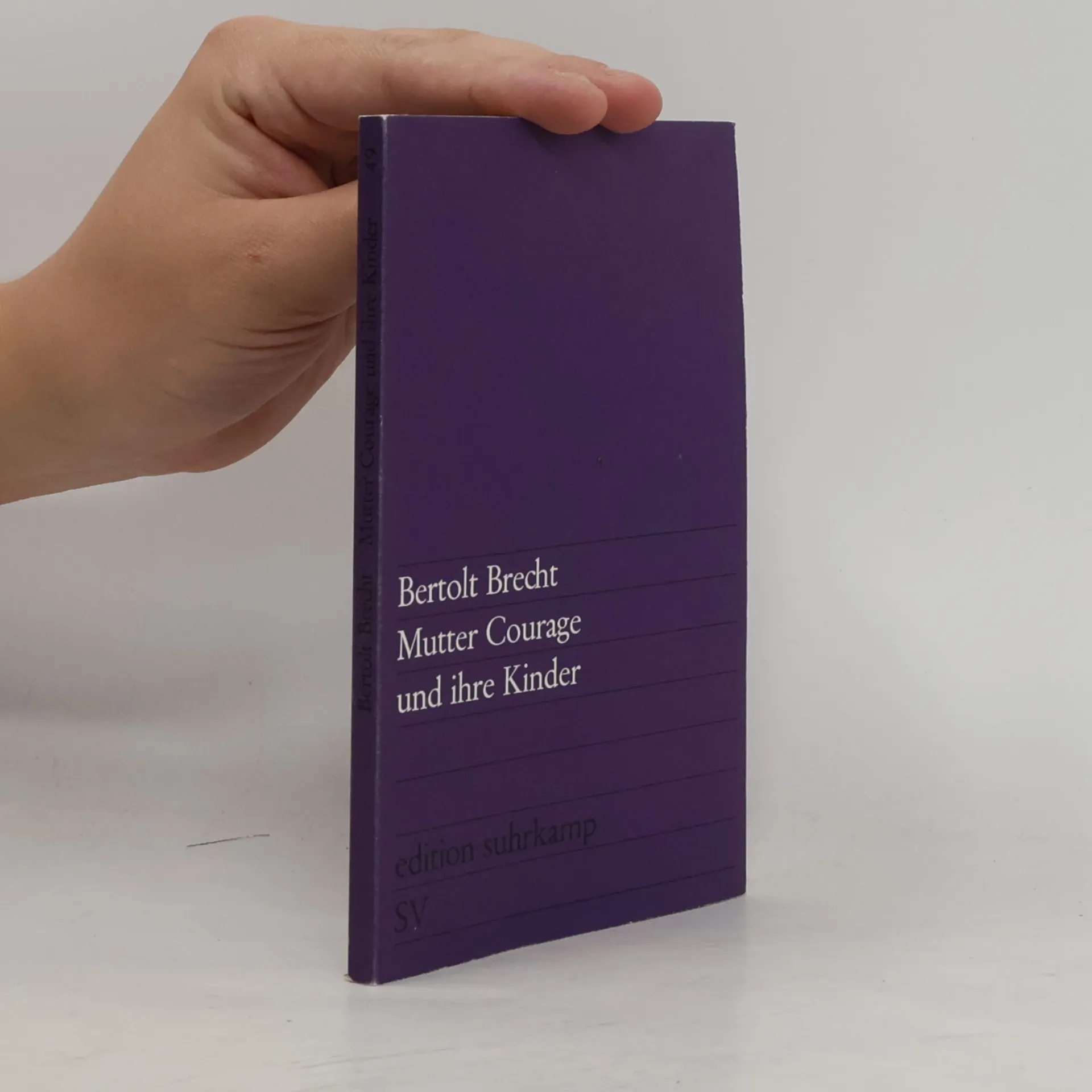
Mutter Courage und ihre Kinder, eine Chronik aus dem Dreißigjährigen Krieg. »Was eine Aufführung von Mutter Courage«, schrieb Brecht einmal, »hauptsächlich zeigen soll: Daß die großen Geschäfte in den Kriegen nicht von den kleinen Leuten gemacht werden. Daß der Krieg, der eine Fortführung der Geschäfte mit anderen Mitteln ist, die menschlichen Tugenden tödlich macht, auch für ihre Besitzer. Daß er darum bekämpft werden muß.«