
Gratis Versand in ganz Deutschland
Bookbot

Richard H. Shultz

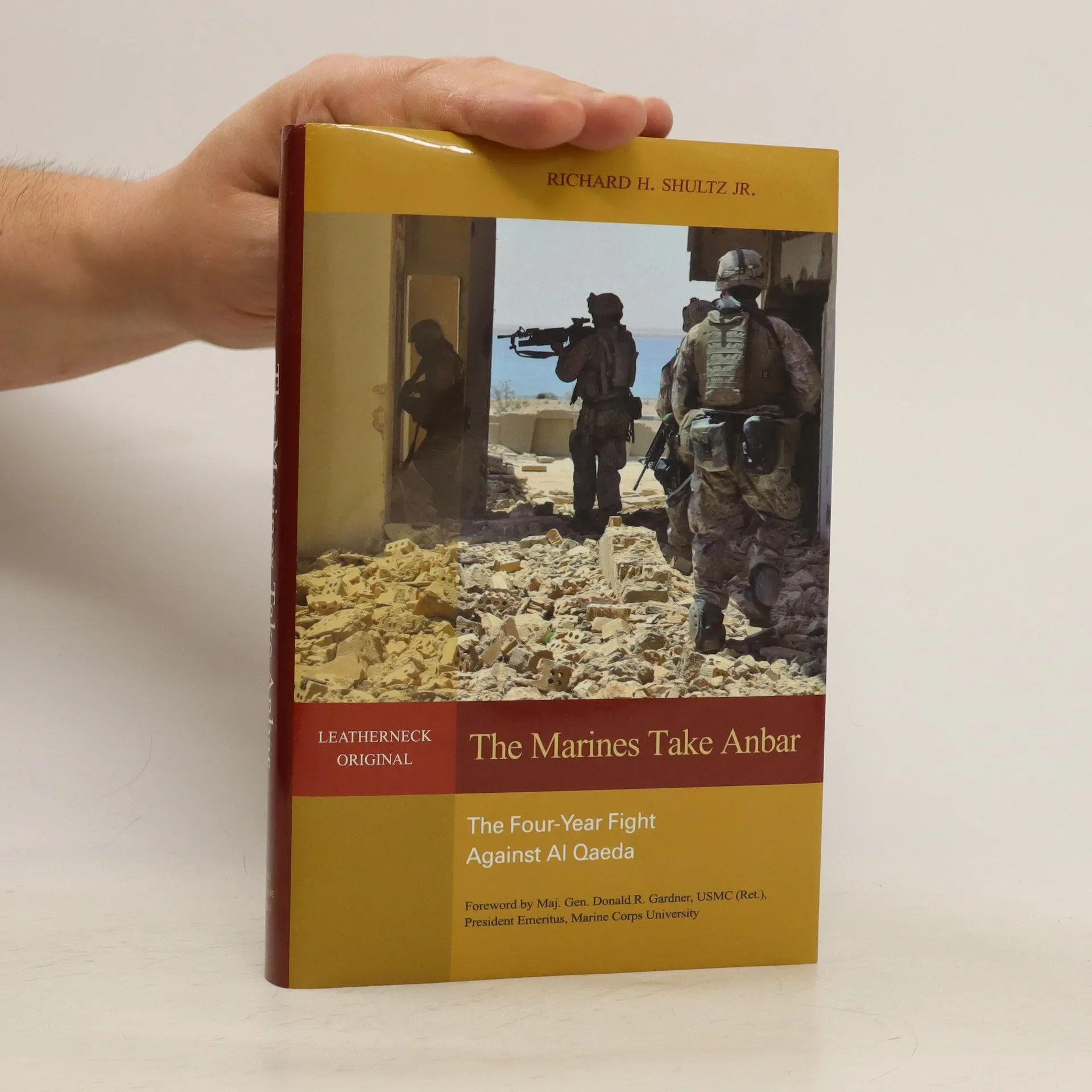
    The Marines Take Anbar
    The Marines Take Anbar
    Transforming US Intelligence for Irregular War
    • In Transforming US Intelligence for Irregular War, Richard H. Shultz Jr. provides a broad discussion of intelligence in combatting nonstate militants. He revisits the innovation of TF 714 during the Iraq War, showing how the defense and intelligence communities can adapt to new and evolving foes.

      Transforming US Intelligence for Irregular War
    • The Marines Take Anbar

      The Four-Year Fight Against Al Qaeda

      • 314 Seiten
      • 11 Lesestunden

      Focusing on the U.S. Marine Corps' campaign against al Qaeda in Anbar from 2004 to 2008, the book highlights how strategic adaptations and lessons learned from past conflicts led to a significant turning point in the Iraq War. Initially facing overwhelming violence and skepticism about success, the Marines implemented new counterinsurgency tactics during their second deployment, ultimately regaining control of the region by September 2008. Richard Shultz challenges the prevailing narrative that the Surge was the key turning point, emphasizing the Marines' crucial role in altering the war's trajectory.

      The Marines Take Anbar
    • The Marines Take Anbar

      • 288 Seiten
      • 11 Lesestunden

      The campaign to secure Anbar Province in Iraq stands as one of the U.S. Marine Corps' historic achievements, with Dick Shultz providing a detailed account rich in lessons learned and adaptability. This four-year struggle against al Qaeda is destined to be remembered alongside legendary battles like Belleau Wood and Iwo Jima. The author argues that the success in Anbar marked a pivotal moment in the Iraq War, setting the stage for the Surge in Baghdad a year later. Shultz reveals how the Marines, from 2004 to 2008, adapted and improvised, drawing from the hard lessons of past conflicts. When the 1st Marine Expeditionary Force (I MEF) was deployed to Anbar in March 2004, they faced a fierce insurgency and escalating violence. By spring 2006, the situation seemed dire, with enemy violence surging and U.S. success appearing unlikely. However, as I MEF returned for a second tour, new counterinsurgency strategies were implemented, leading to a shift in control. By September 2008, the fight had concluded. Shultz, an expert in international security studies, effectively challenges the conventional belief that the Surge was the turning point, making a compelling case for the Marines’ critical role in changing the war's trajectory in Anbar.

      The Marines Take Anbar