Hermes Trismegistus Reihenfolge der Bücher (Chronologisch)
Hermes Trismegistos gilt als der angebliche Autor des Corpus Hermeticum, einer Sammlung heiliger Texte, die die Grundlage des Hermetismus bilden. Seine Schriften befassen sich mit esoterischen und philosophischen Themen und haben mystische Traditionen tiefgreifend beeinflusst. Die Hermes zugeschriebenen Werke erforschen die Verbindung zwischen Makrokosmos und Mikrokosmos und betonen die Einheit aller Existenz. Sein Beitrag liegt in der Bereitstellung eines spirituellen und philosophischen Rahmens, der Generationen inspiriert hat, die nach einem tieferen Verständnis des Universums und der menschlichen Existenz suchen.




The Emerald Tablet of Hermes & The Kybalion
- 126 Seiten
- 5 Lesestunden
The Emerald Tablet of Hermes first appeared in the Alchemical Libraries of Europe during the 12th Century. Traveling home with the Crusaders, this seminal work is alleged to be written by Hermes Trismegistus-Thoth. The work deeply influenced Western Magick, and the tenets presented influence modern magick to this day. The Kybalion was first published by The Yogi Publication Society of the Masonic Temple in Chicago in 1912. The authors of The Kybalion chose to remain anonymous, because the principles and philosophy are a summation of theTimeless Wisdom and Truth of the Hemetic Philosophy.
Enthüllte Archive geheimer Wissenschaften Teil III: Die Magie der Priester der Ur-Religion
- 146 Seiten
- 6 Lesestunden
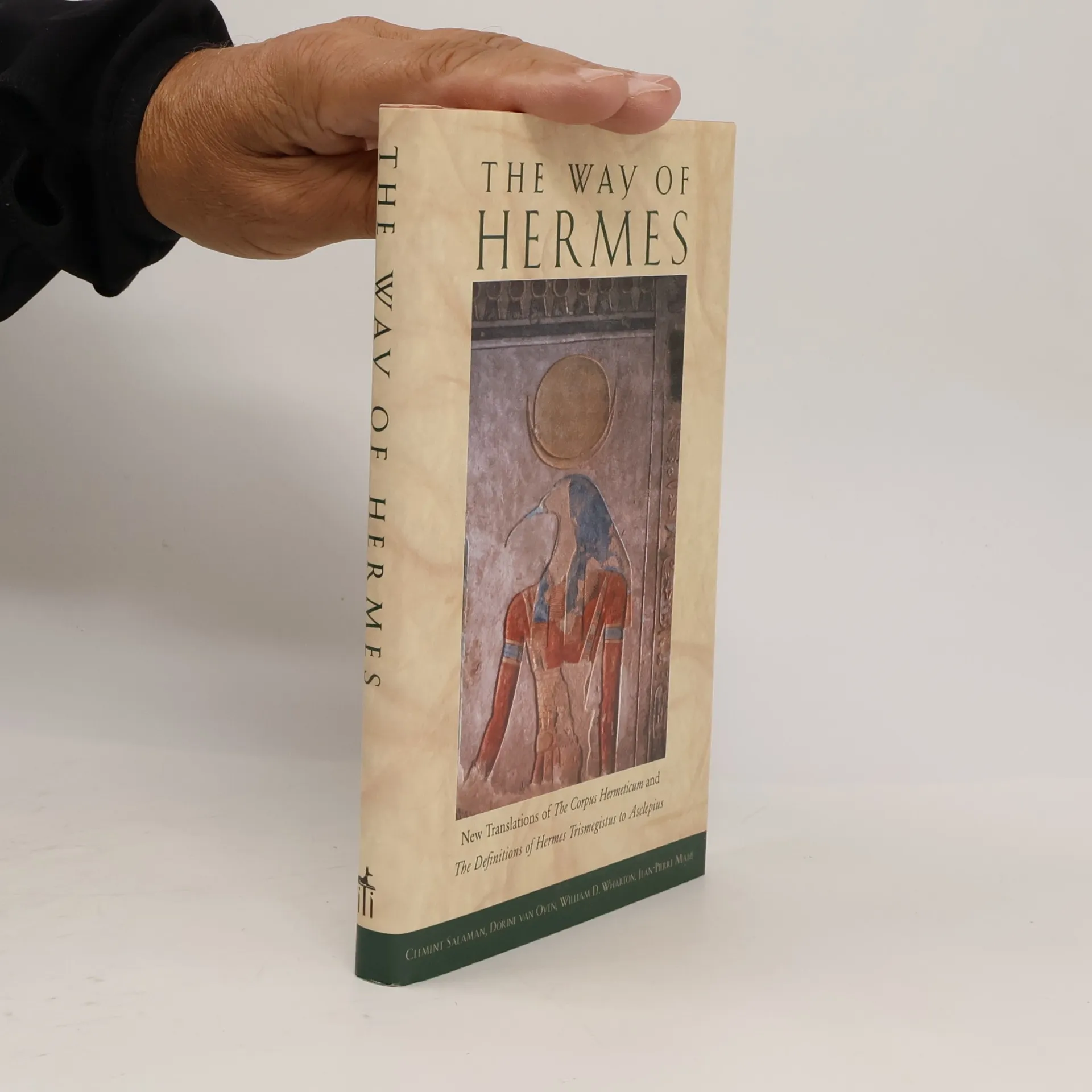
The Way of Hermes
New Translations of The Corpus Hermeticum and The Definitions of Hermes Trismegistus to Asclepius
- 132 Seiten
- 5 Lesestunden
This new translation of a significant esoteric masterpiece features the first English version of the recently rediscovered Definitions of Hermes Trismegistus to Asclepius. The Definitions provide fresh insights into the workings of the gnostic spiritual path, appealing to both scholars and spiritual seekers. The Corpus Hermeticum, a vital blend of Greek and Egyptian thought, stands as a cornerstone of the Western esoteric tradition. Composed in Greek between the first and third centuries A.D. and later translated into Latin during the Renaissance by Marsilio Ficino, these writings, attributed to Hermes Trismegistus, were essential to the spiritual endeavors of Hermetic societies in late antique Alexandria. Their aim was to awaken gnosis, the direct realization of unity with the Supreme, and they continue to inspire readers today. Alongside the new translation of The Corpus Hermeticum, The Way of Hermes includes the first English translation of The Definitions, a collection of aphorisms that aid hermetic students in meditation. With the right mental focus, one can attain a state of pure perception where the true face of God reveals itself. This document holds immense value for contemporary gnostic studies, offering crucial insights into this spiritual path.
Nota
Enodatio – Lösungsheft