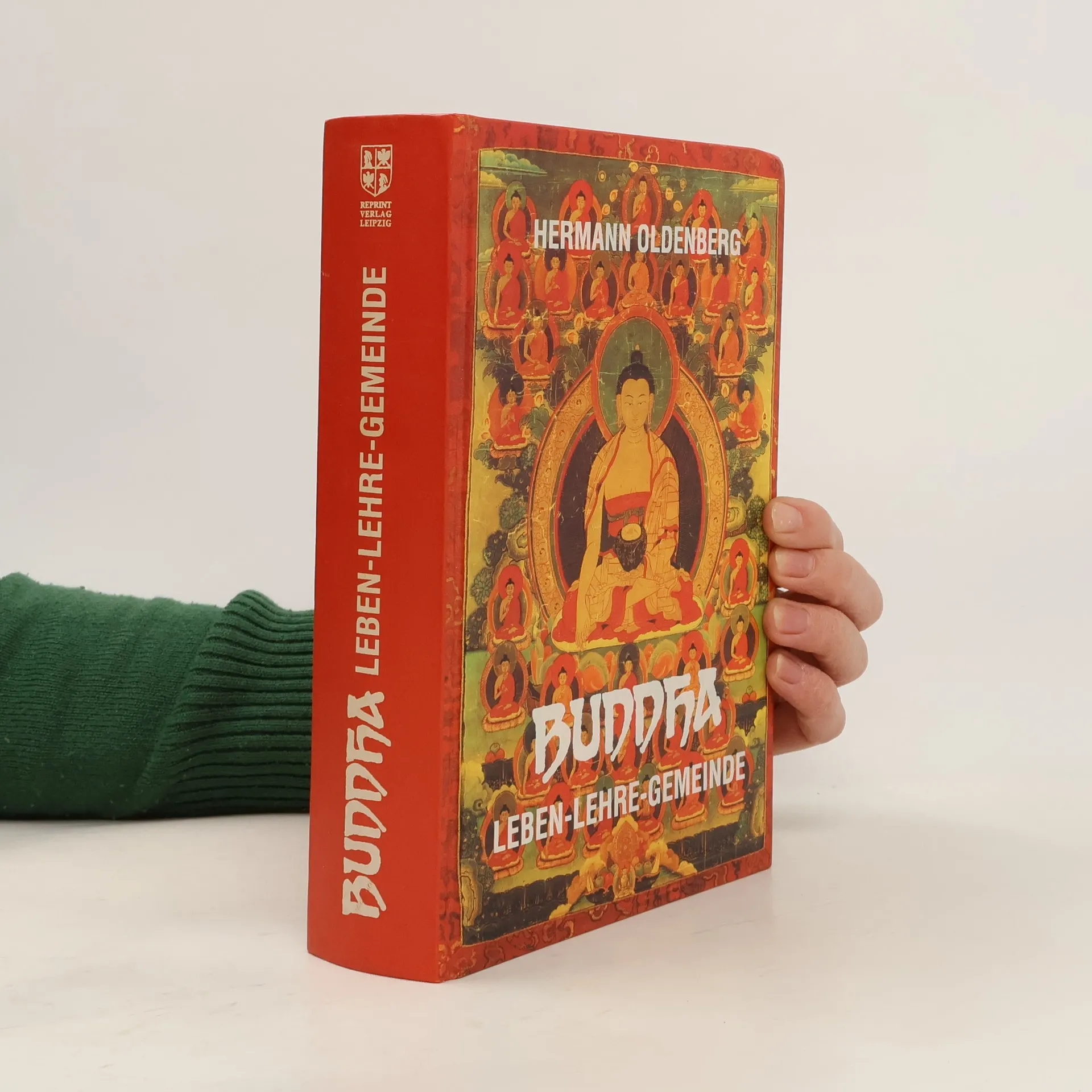
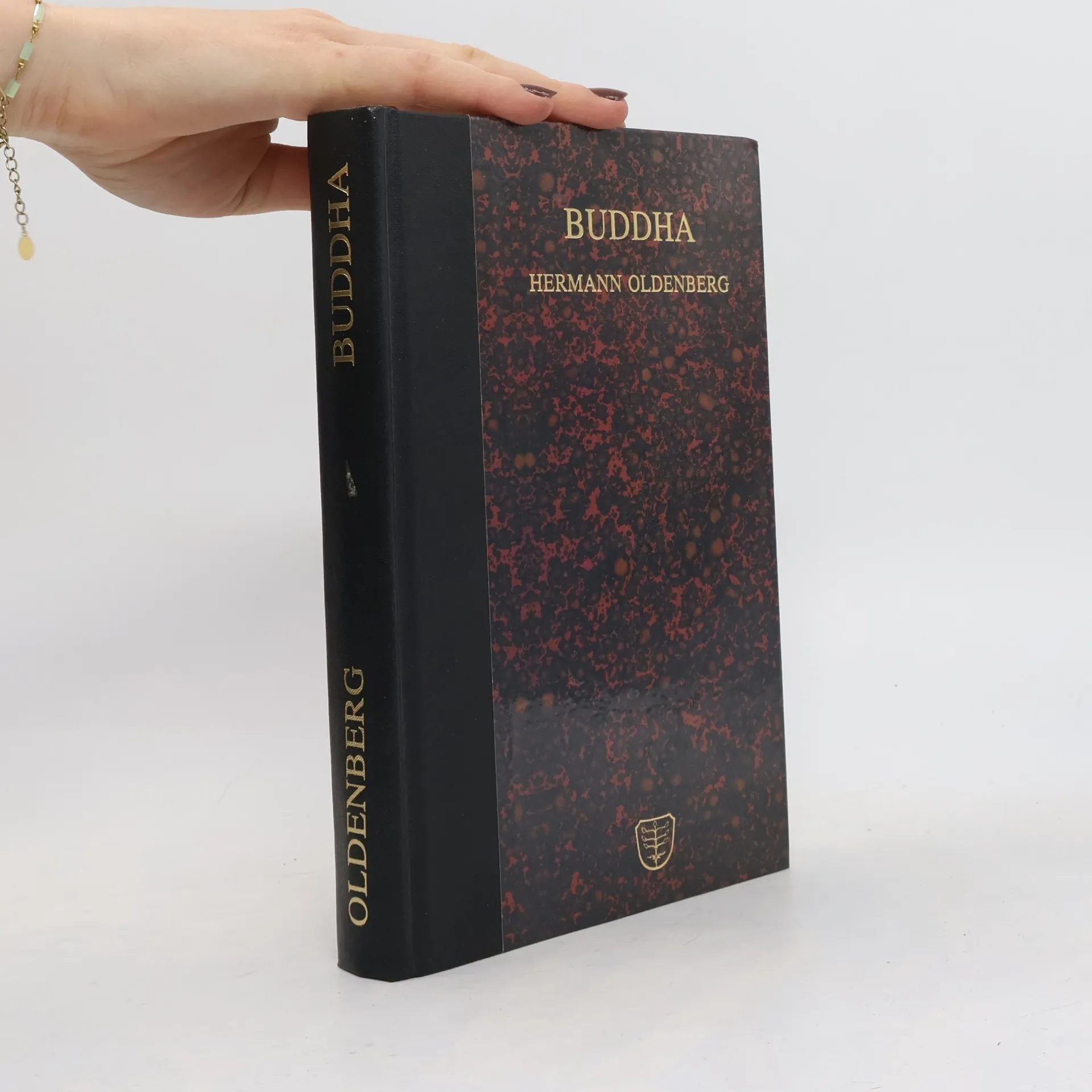
Der Indologie Hermann Oldenberg veröffentlichte sein umfangreiches, auf vergleichende Studien der Überlieferungen basierendes Werk »Buddha – Sein Leben, seine Lehre, seine Gemeinde« erstmals 1881. Mit der Darstellung, die als Pionierleistung der Buddhismus-Forschung gilt, gelang ihm erstmals der Nachweis, dass Buddha keine mythische Figur, sondern eine reale historische Persönlichkeit war. – Nachdruck der 1890 erschienenen zweiten Auflage.
Hermann Oldenberg Bücher
31. Oktober 1854 – 18. März 1920

Allgemeine Geschichte der Philosophie
- 644 Seiten
- 23 Lesestunden
Wilhelm Wundt, ein bedeutender Physiologe, Psychologe und Philosoph, gilt als Begründer der Psychologie als eigenständige Wissenschaft. Er entwickelte ein umfassendes System, das Erkenntnis- und Wissenschaftstheorie, Ethik sowie metaphysischen Voluntarismus integriert. Wundt unterscheidet zwischen der Philosophie und den Wissenschaften, indem er den Zusammenhang von Tatsachen und Begriffen in den Fokus rückt. Seine Philosophie gliedert sich in Erkenntnislehre und Prinzipienlehre, wobei letztere sowohl die kritische Analyse metaphysischer Voraussetzungen als auch deren Berichtigung und Ergänzung umfasst.
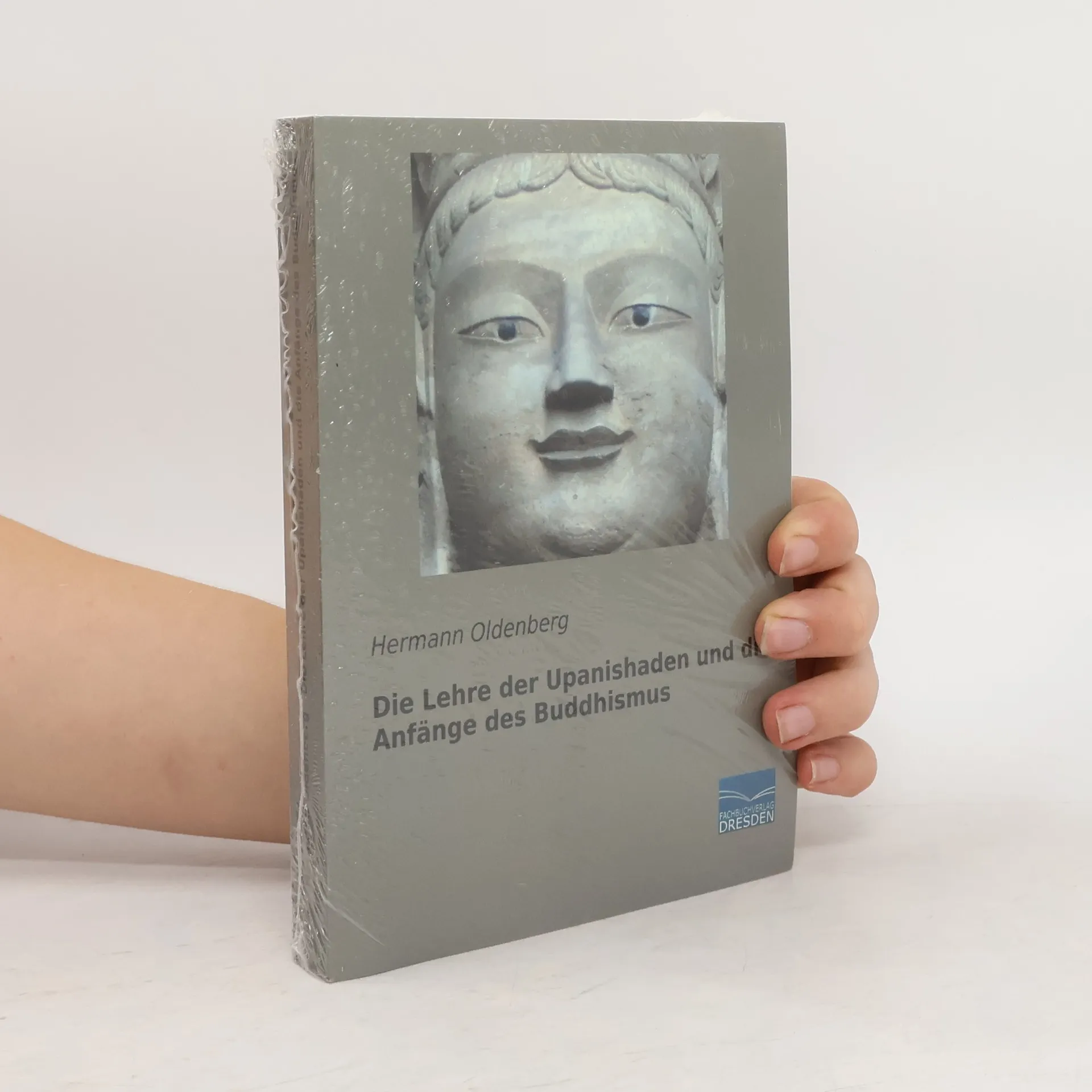
Die Lehre der Upanishaden und die Anfänge des Buddhismus
- 376 Seiten
- 14 Lesestunden
Die Upanishaden sind zentrale philosophische Texte des Hinduismus, die als Teil des Veda gelten und tiefgründige Lehren über das Leben, das Karma und die Erlösung vermitteln. Hermann Oldenberg untersucht in seinem 1915 veröffentlichten Werk verschiedene Themen wie die Brahmanenkaste, Opferwissenschaft, die Konzepte von Tod und Jenseits sowie die Ursprünge von Yoga und Buddhismus. Diese Schriften, die um 800 v. Chr. entstanden, laden dazu ein, sich in die philosophischen und spirituellen Traditionen Indiens zu vertiefen.
Die Religion des Veda
- 608 Seiten
- 22 Lesestunden
Chapter I of this study, which discusses the older Upanisads, viz., the Brhad Aranyaka Upanisad and the Chandogya Upanisad, describes at the outset how the idea of the Supreme Being, the unique mystic power, was conceived in the words Brahman and Atman and how these two entities merged with each other and became identical. It then discusses the doctrine of metempsychosis as evolved from the relation between the Supreme Being and the world of plurality. In this period, the magician-priest begins to become a philosopher.Chapter II deals with later Upanisads like Kathaka Upanisad, Maitrayana Upanisad and Svetasvatara Upanisad. This period clearly reveals beginnings of the formulation of a system in the form of Samkhya Doctrine and the Yoga. Here the ultimate goal of human yearning, the salvation from suffering, becomes visible. In short, we perceive the development of thought of the Indian Philosophy from an impersonal god (of impersonal powers) to a personal god.But interestingly, a system strongly enforcing the elements of Yoga decisively rejected theism and adhered to the pessimistic thought of Indian the Doctrine of Buddhism. This is described in Chapter III.
This volume presents a faithful reprint of the original 1885 edition, focusing on the Vinaya texts of Buddhism. It explores the monastic rules and ethical guidelines that govern the lives of Buddhist monks and nuns. By delving into these sacred texts, readers gain insight into the foundational principles of Buddhist practice and community life, reflecting the historical and spiritual context of the time.
The Vinaya Pitakam
- 456 Seiten
- 16 Lesestunden
The Vinaya Pitakam - one of the Principal Buddhist Holy Scriptures in the Pali Language: the Mahavagga - Vol. 1 is an unchanged, high-quality reprint of the original edition of 1879. Hansebooks is editor of the literature on different topic areas such as research and science, travel and expeditions, cooking and nutrition, medicine, and other genres. As a publisher we focus on the preservation of historical literature. Many works of historical writers and scientists are available today as antiques only. Hansebooks newly publishes these books and contributes to the preservation of literature which has become rare and historical knowledge for the future.
Die Religion des Veda
- 608 Seiten
- 22 Lesestunden