Klaus-Peter Müller Bücher


Kleine Geschichte der Landesbibliothek Oldenburg als Zusatz zu dem Band „Zur Erleichterung der Erwerbung nützlicher Kenntnisse“
Ein Resultat der stetig wachsenden Beschleunigung, die faktisch auch in modernen gesellschaftlichen Prozessen unaufhaltsam stattfindet, ist allerdings das Problem der Orientierung. Wie kann man sich z. B. orientieren, wenn alle „Haltegriffe“ ihre Funktion zu verlieren scheinen, wenn einem ständig der Boden unter den Füßen weggezogen wird? Kann da noch der traditionelle Begriff der Vernunft ein sicherer Leitfaden für unsere Lebensführung sein, die sich auf über-empirische Prinzipien beruft? In der Moderne entwickelt sich daher eine Philosophie für die nicht mehr die Vergangenheit, sondern die Zukunft der Maßstab der Orientierung ist, die sich im Kontext ihres Denkens auf die Odyssee in die Zukunft begibt, die in einem bestimmten Sinne „heimatlos“ geworden ist. So schreibt Herbert Mead: „Wir wissen, dass wir auf dem Weg sind, nicht jedoch, wohin wir gehen “. Was aber ist, wenn wir dabei nicht nur gehen, sondern nunmehr laufen und rasen? Wenn das Leben nur noch im Sauseschritt stattfimdet?
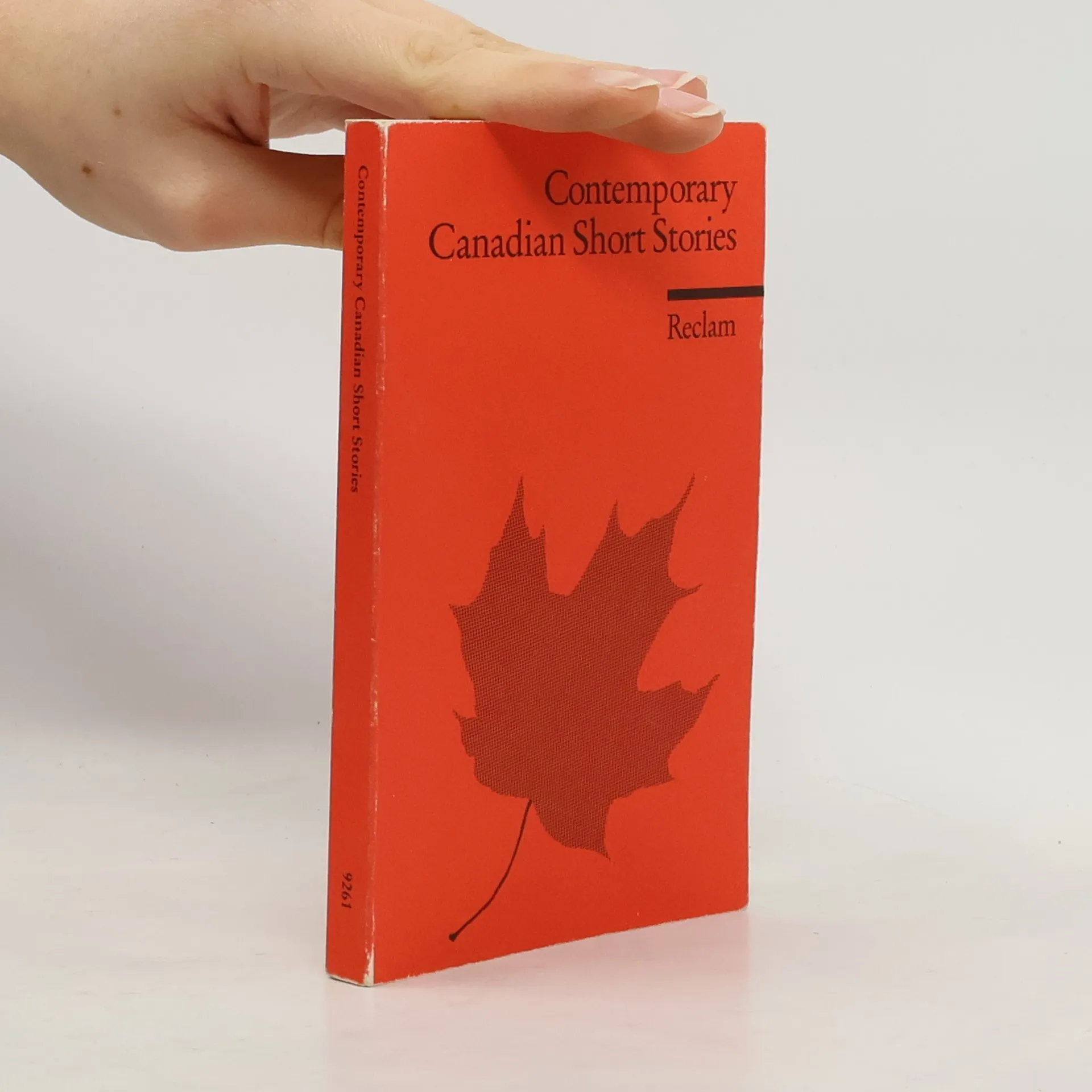
Contemporary Canadian short stories
- 186 Seiten
- 7 Lesestunden
Englische Literatur in Reclams Roter Reihe: das ist der englische Originaltext – mit Worterklärungen am Fuß jeder Seite, Nachwort und Literaturhinweisen. Die Sammlung präsentiert Texte der Gegenwart bzw. der jüngsten Vergangenheit. Enthalten ist unter anderem die 25-seitige Kurzgeschichte »Boys and Girls« von Alice Munro, welcher 2013 der Literaturnobelpreis verliehen wurde. M. Atwood: Significant Moments in the Life of My Mother – T. Findley: War – A. MacLeod: The Return – A. Munro: Boys and Girls – M. Richler: Benny, the War in Europe, and Myerson's Daughter Bella – W. D. Valgardson: A Matter of Balance – R. Wiebe: Chinook Christmas. Englische Lektüre: Niveau B2–C1 (GER)
Scotland 2014 and beyond - coming of age and loss of innocence?
- 457 Seiten
- 16 Lesestunden
This book examines Scotland from a great variety of international and disciplinary perspectives, offering viewpoints from ordinary citizens as well as experts in culture, history, literature, sociology, politics, the law, and the media. The texts investigate the mental processes, dispositions, and activities that have been involved in past and present discussions about Scottish independence, freedom, equality, justice, and the creation of a fair society. Such discussions have been shaped by specific values, ideologies, class or personal interests and objectives as well as by specific ways of telling their stories. These are analysed together with the European, global, and democratic dimensions of Scotland, in order to find answers to the question how coming of age might be achieved today.
Where do Scottish literatures, art, and cinema stand today? What and how do Scottish Studies investigate? Creative writers and scholars give answers to these questions and address vital concerns in Scottish, British, and European history from the Union debate and the Enlightenment to Brexit, ethnic questions, and Scottish film. They present new insights on James Macpherson, Robert Burns, John Galt, J. M. Barrie, Walter Scott, James Robertson, war poetry, new Scottish writing, and nature writing. The contributions highlight old and new networking and media as well as the persistent influences of the past on the present, analyzing a wide range of texts, media and art forms with approaches from literary, cultural, media, theatre, history, political, and philosophical studies.
Scotland's cultural identity and standing
- 220 Seiten
- 8 Lesestunden
Scotland's Cultural Identity and Standing explores the rich diversity of Scottish identities and their cultural expressions throughout history. This variety arises from differing perspectives on identity, influenced by factors such as the Reformation, Whig historical interpretations, and gender attitudes. Traditionally, the ruling class has shaped dominant views, but the arts, particularly literature and film, have offered alternative and subversive narratives, allowing marginalized voices to be heard. The book acknowledges the vastness of the topic, providing representative examples categorized into four significant areas that have shaped identities: a) translation and adaptation, b) history, c) literature, and d) genres, media, and themes. Each text presents unique approaches to specific issues, contributing to a deeper understanding of Scottish culture and history.