Die Merowinger
- 256 Seiten
- 9 Lesestunden
Frühmittelalter - Siedlung - Bevölkerungsgeschichte - Historischer Überblick.


Patrick J. Geary ist ein amerikanischer Historiker, der sich auf das westliche Mittelalter spezialisiert hat. Er hat eine Professur am renommierten Institute for Advanced Study in Princeton, New Jersey, inne und leistet einen Beitrag zur Mediävistik.


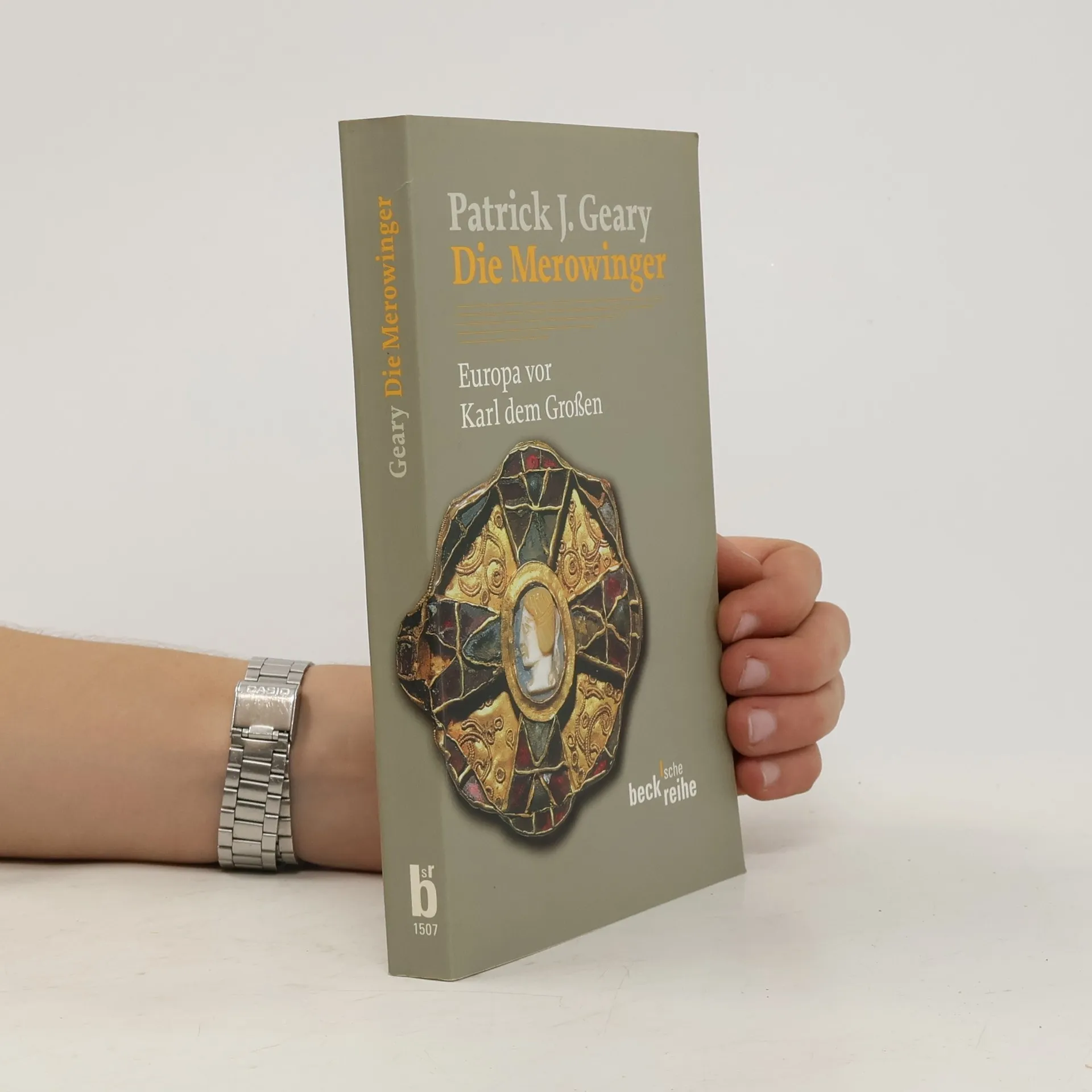
Frühmittelalter - Siedlung - Bevölkerungsgeschichte - Historischer Überblick.
Die romantische politische Philosophie des 19. Jahrhunderts versuchte, nationale Souveränitätsansprüche möglichst tief in der Geschichte zu verankern. Tatsächlich sind die Völker Europas nicht sonderlich alt: Sie sind vielmehr das Ergebnis ausgedehnter Durchmischungsprozesse, die heute keine historischen Machtansprüche legitimieren können.
Seventh Edition - From 1350 to 1850
Civilization in the West blends social and political history with an exceptional map and image program to engage students and bring history to life. The authors tell a compelling story of Western Civilization that is enhanced by an image-based approach. The Visual Record chapter openers draw students in by using illustrations that underscore a dominant theme of the chapter. New Image Discovery features guide students to interrogate images, understand their contexts, and unpack their multiple meanings. The dramatic, changing contours of the West are explored through an exceptional map program, throughMap Discovery features, and through Geographical Tours of Europe.
"The addition of material on Christians, Jews, and Moors in medieval Spain makes the third edition of this excellent reader even better." - Julia M. H. Smith, University of St. Andrews
Tento výkladový slovník je rozsahem i pojetím ojedinělým pokusem představit epochu středověku v celé její šíři a plasticitě. Každé z více než osmi desítek hesel je samostatným esejem.