


Lernen von dem Besten! Charakter, intellektuelle Integrität, Verantwortung, Pflichtgefühl, Würde, permanente Selbstentwicklung und die Fähigkeit, Wandel gezielt zu forcieren - das Credo von Peter F. Drucker, dem "Vater des Managements". Erfolgreiche Top-Manager wie Hermann Simon, Mathias Döpfner, Bill Emmott und Fredmund Malik berichten von Druckers Einfluss auf ihr persönliches Handeln.
Bill Emmott, Chefredakteur des "Economist", setzt sich mit der Führungsrolle der USA und der Zukunft Asiens und Europas auseinander. Er zeigt längerfristige Entwicklungslinien auf, die sich vom 20. bis ins 21. Jahrhundert erstrecken, und beschäftigt sich mit den drängendsten weltpolitischen Fragen unserer Zeit.
The book examines the diplomatic and deterrence strategies employed by nations in the Indo-Pacific and beyond to mitigate the risk of conflict between the US and China. Emmott emphasizes the need for all parties to perceive a potential US-China confrontation as "inevitably catastrophic and therefore inconceivable," highlighting the importance of strategic dialogue and cooperation to maintain regional stability.
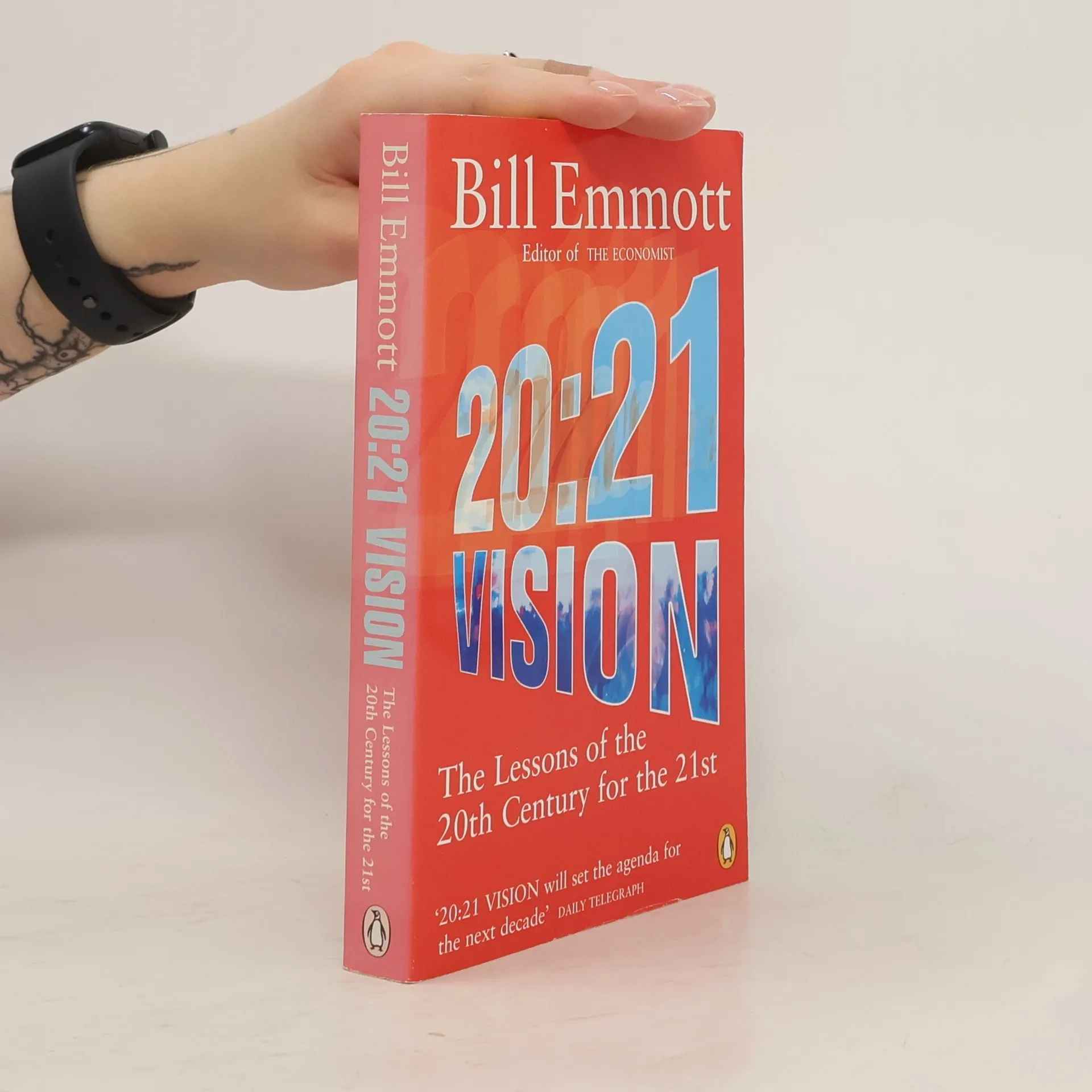
Drawing on the characteristic developments of the last century, Bill Emmott sketches out the challenges that face the world in the next. There are few people who combine a truly global distribution of interests and insights with Bill Emmott's profile and experience. This book should be of interest to the managerial and investing classes, and everyone who seeks to appreciate more clearly the key assumptions on which public and commercial policy will be based in the first decade of the 21st century.
"The attacks on September 11, 2001, shook the rich West out of its complacency: suddenly, peace seemed to be in peril. Already it had become clear that prosperity was endangered. Campaigns were being mounted against the purported evils of capitalist globalization - inequality, pollution, and financial instability - and America's high-tech stock market boom had turned rapidly to bust. How had it all happened? During the decade following the end of the cold war, prospects had looked so rosy: peace prevailed among the world's great powers, billions of people were joining the world market economy, and great waves of technological change were driving economies forward."--BOOK JACKET.Title Summary field provided by Blackwell North America, Inc. All Rights Reserved
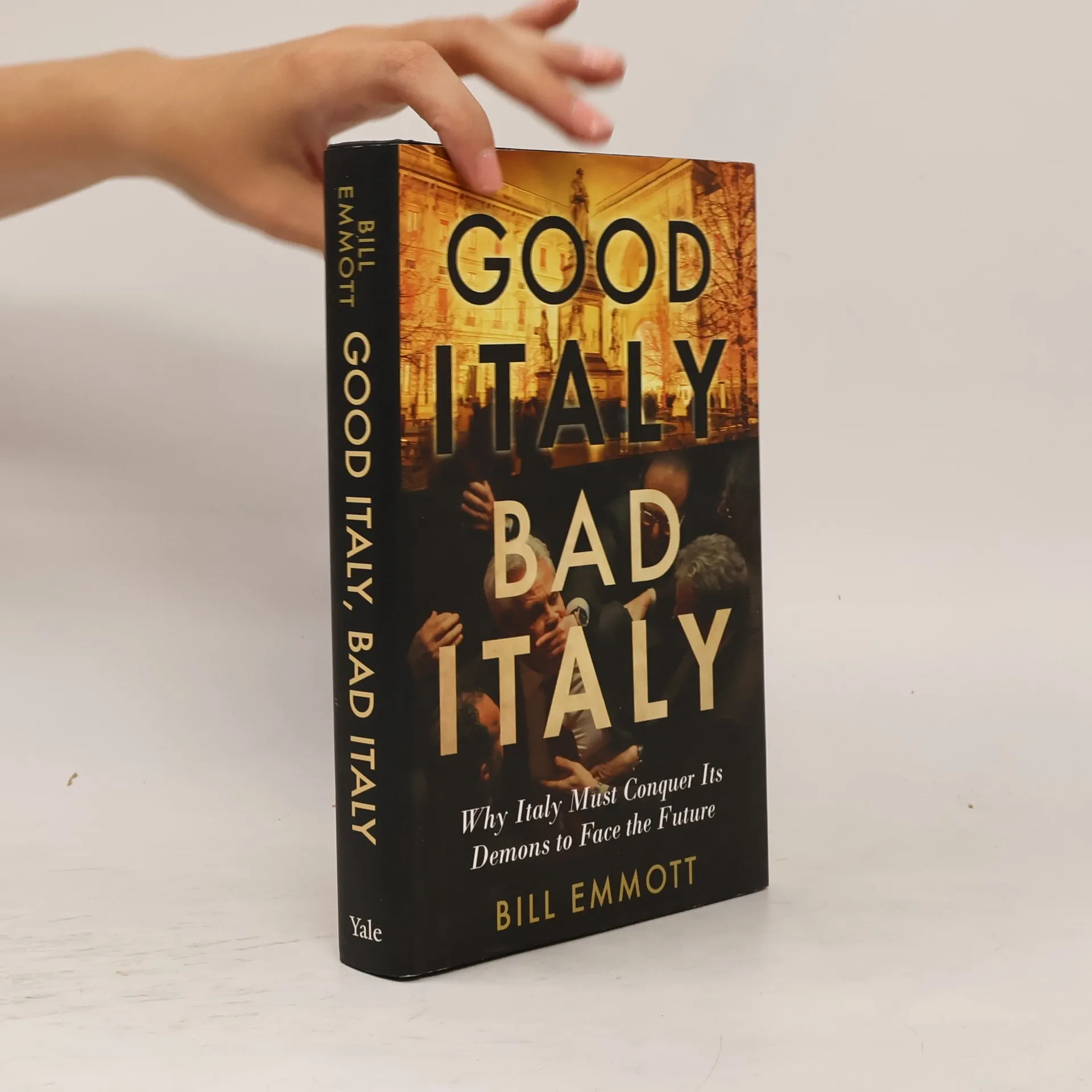
Why Italy Must Conquer Its Demons to Face the Future
Explores the origins of Italy's economic crisis, which is characterized by slow economic growth, large public debts, and the mass emigration of young people, and discusses how the situation can be improved.
How the Power Struggle Between China, India and Japan Will Shape Our Next Decade
336 Seiten
12 Lesestunden
The former editor in chief of the Economist returns to the territory of his bestselling book The Sun Also Sets to lay out an entirely fresh analysis of the growing rivalry between China, India, and Japan and what it will mean for America, the global economy, and the twenty-first-century world. Though books such as The World Is Flat and China Shakes the World consider them only as individual actors, Emmott argues that these three political and economic giants are closely intertwined by their fierce competition for influence, markets, resources, and strategic advantage. R ivals explains and explores the ways in which this sometimes bitter rivalry will play out over the next decade—in business, global politics, military competition, and the environment—and reveals the efforts of the United States to manipulate and benefit from this rivalry. Identifying the biggest risks born of these struggles, R ivals also outlines the ways these risks can and should be managed by all of us.