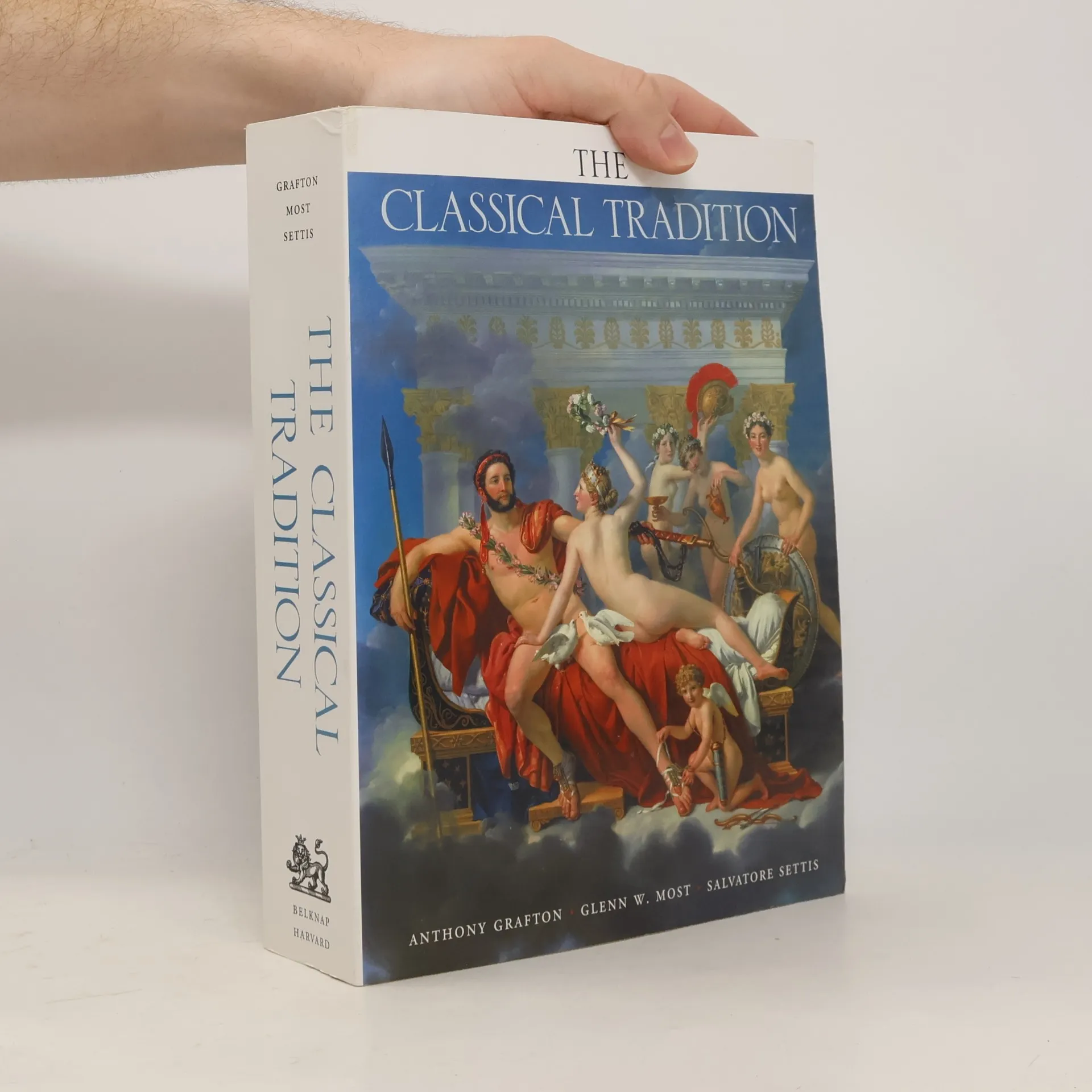
Selten ging es in früheren Jahrhunderten um die Aberkennung von wissenschaftlichen Titeln, wenn sich die Frage nach der Echtheit eines Textes stellte. Vielmehr scheinen Fälscher und deren Kritiker eine Art intellektuelles Versteckspiel getrieben zu haben ... Anthony Grafton hat eine höchst unterhaltsame Geschichte der Fälscher und ihrer Entlarver geschrieben. Anhand von Texten aus dem vierten vorchristlichen Jahrhundert bis zur Neuzeit untersucht er das Wie und Warum von Fälschungen. Denn so wie die Motive einer Fälschung Karriere, Geldgier, Sucht nach wissenschaftlicher Anerkennung die Wahl der Mittel bestimmen, so bestimmen auch den Kritiker ähnliche Motive er will ebenfalls Anerkennung, Geld, Karriere. Und trotzdem dienen beide den höheren Zielen der Wissenschaft. Der Entlarver ist ohne den Fälscher nicht denkbar, und je raffinierter der Fälscher vorgeht, umso mehr muss der Kritiker sein Instrumentarium verfeinern. Eine Studie über die historische Plagiatskunst.
Anthony Grafton Bücher
Anthony Grafton ist ein herausragender Historiker des frühneuzeitlichen Europas, berühmt für seine tiefgreifende Auseinandersetzung mit der intellektuellen und kulturellen Geschichte der Epoche. Seine Arbeit untersucht akribisch die Methoden, mit denen Wissen von Gelehrten und Künstlern geschaffen, geteilt und umgestaltet wurde. Graftons charakteristischer Stil erforscht oft die übersehenen Details und Randbemerkungen in historischen Texten, um größere intellektuelle Strömungen aufzudecken. Seine Arbeit liefert wesentliche Einblicke in die Entwicklung von Ideen und die komplexe Natur der frühneuzeitlichen Welt und bietet ein entscheidendes Verständnis für die Wurzeln des zeitgenössischen Denkens.

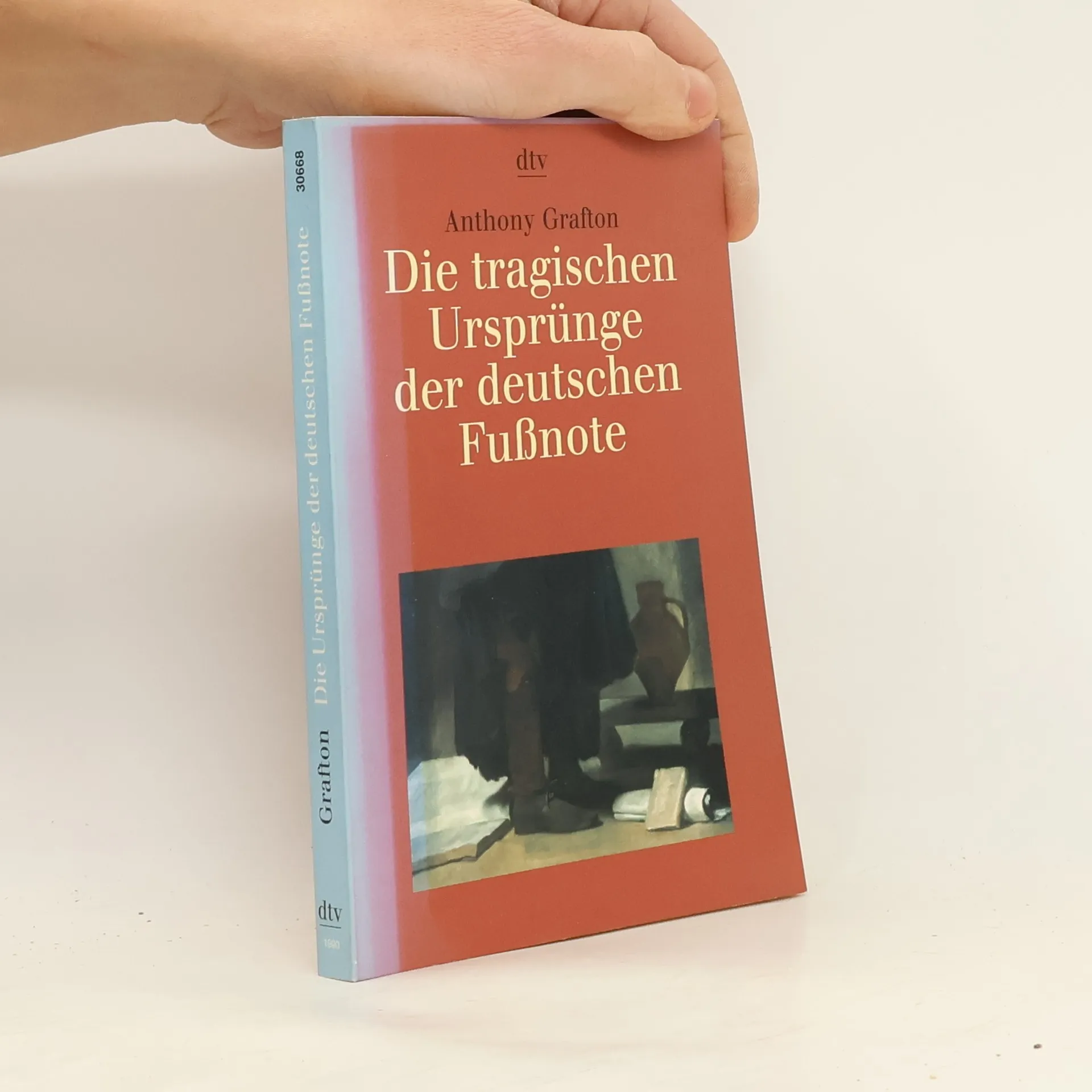
Die tragischen Ursprünge der deutschen Fußnote
- 228 Seiten
- 8 Lesestunden
Die Fußnote erscheint in diesem Buch als eine einzigartige Ressource, die viel über die Entwicklung der modernen Wissenschaft und den Fortschritt des Wissens in schriftlicher Form offenbart. Grafton behandelt die Entwicklung der Fußnote – eine Form des Beweises, die Historiker normalerweise zur Unterstützung ihrer Behauptungen anführen – ähnlich wie Wissenschaftler die Entwicklung von Laborausrüstung, statistischen Argumenten und Berichten über Experimente als eine komplexe Geschichte betrachten. Das Buch beginnt im Berlin des 19. Jahrhunderts und untersucht das Werk des Historikers Leopold von Ranke, der oft mit der Erfindung der dokumentarischen Geschichte in ihrer modernen Form in Verbindung gebracht wird. Es blickt dann zurück auf die Antike und vorwärts ins 20. Jahrhundert und bietet eine Theorie über die wahren Ursprünge und die allmähliche Entwicklung der Fußnote.
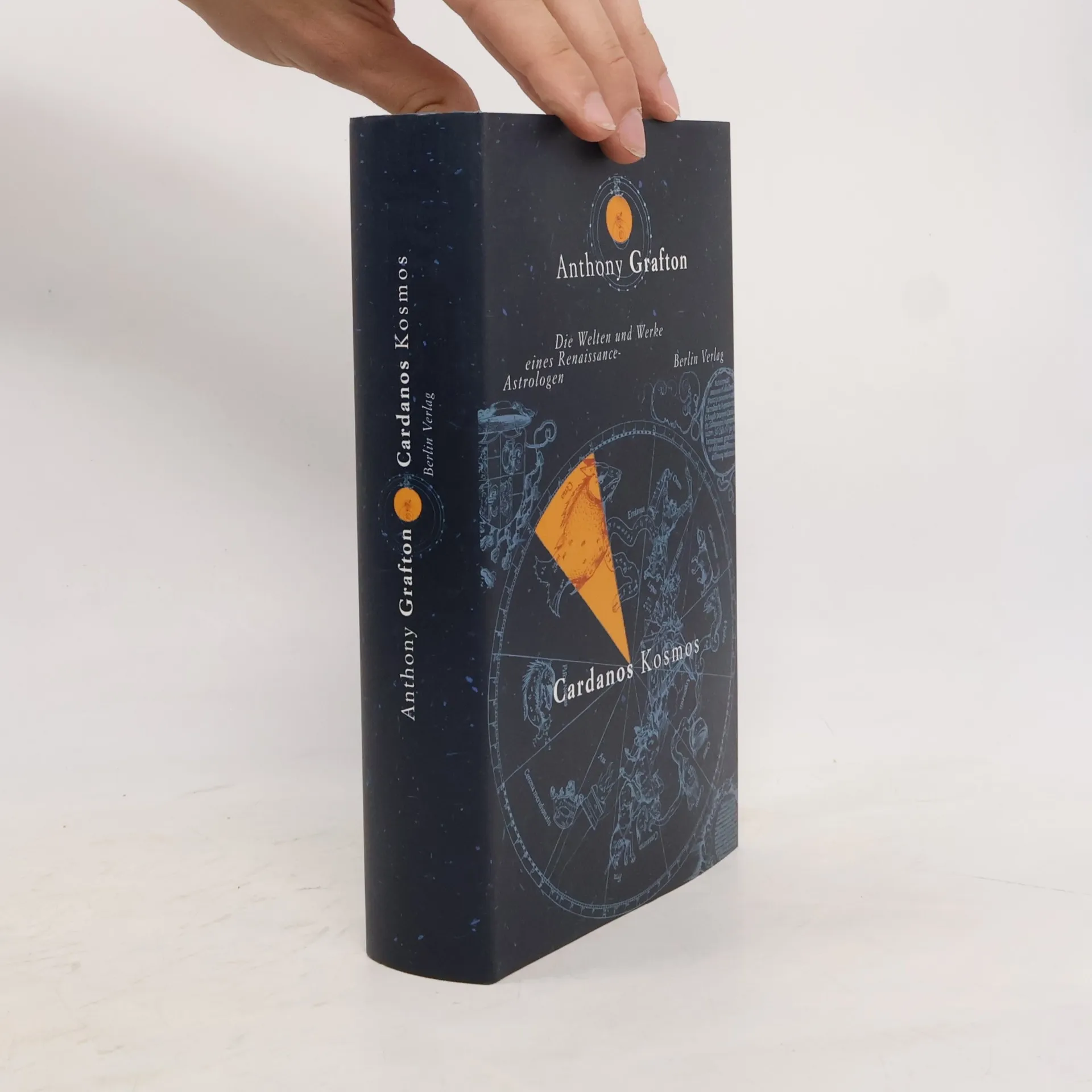
Cardanos Kosmos
- 414 Seiten
- 15 Lesestunden
Rönesans Avrupa'sında bir "best-seller" yazarı... İtalyan hekim, doğa felsefecisi ve matematikçisi Girolamo Cardano'nun yıldız falına bakarak kitaplarına aktardığı kehanetler onun 16. yüzyıl Avrupa'sının en güçlü kişileriyle bir arada olmasına yol açmıştı. Rönesans astrologları insanlığın geleceğinden, yatırım risklerinden hava durumuna kadar her şey hakkında kâhinlik yaparlardı. Krallardan katillere kadar müşterilerinin bedenlerini ve kişiliklerini inceleyip yorumlarlar, herkesten saygı ve himaye görürlerdi. Cardano da işe yıldız falı risaleleri yazmakla başlamış, sonra hükümdarların danışmanı olmuş, son derece dikkat çekici bir eser olan özyaşamöyküsünü yazmıştı. Ünlü tarihçi Anthony Grafton astrolojik ilkeleri ve uygulamaları inceleyerek Cardano ve çağdaşlarının bilimin dönüşüme uğradığı ve matbaanın yaygınlaştığı bir çağda bu kadim sanatı nasıl çok satan kitaplara dönüştürdüklerini ve pazarladıklarını anlatıyor. Grafton'a göre, Cardano'nun yıldız falları çok iyi gözlemlere dayanıyordu ve çağını derinden etkilemişti. Cardano'nun çalışmaları, evreni ve kendilerini anlama çabasındaki 16. yüzyıl bilimcilerinin çalışmalarının çok önemli bir parçasıydı. Siyasi rekabetin dolu dizgin at koşturduğu bir çağda, Cardano kehanetleriyle bilinen evrenin efendisi olmuştu.
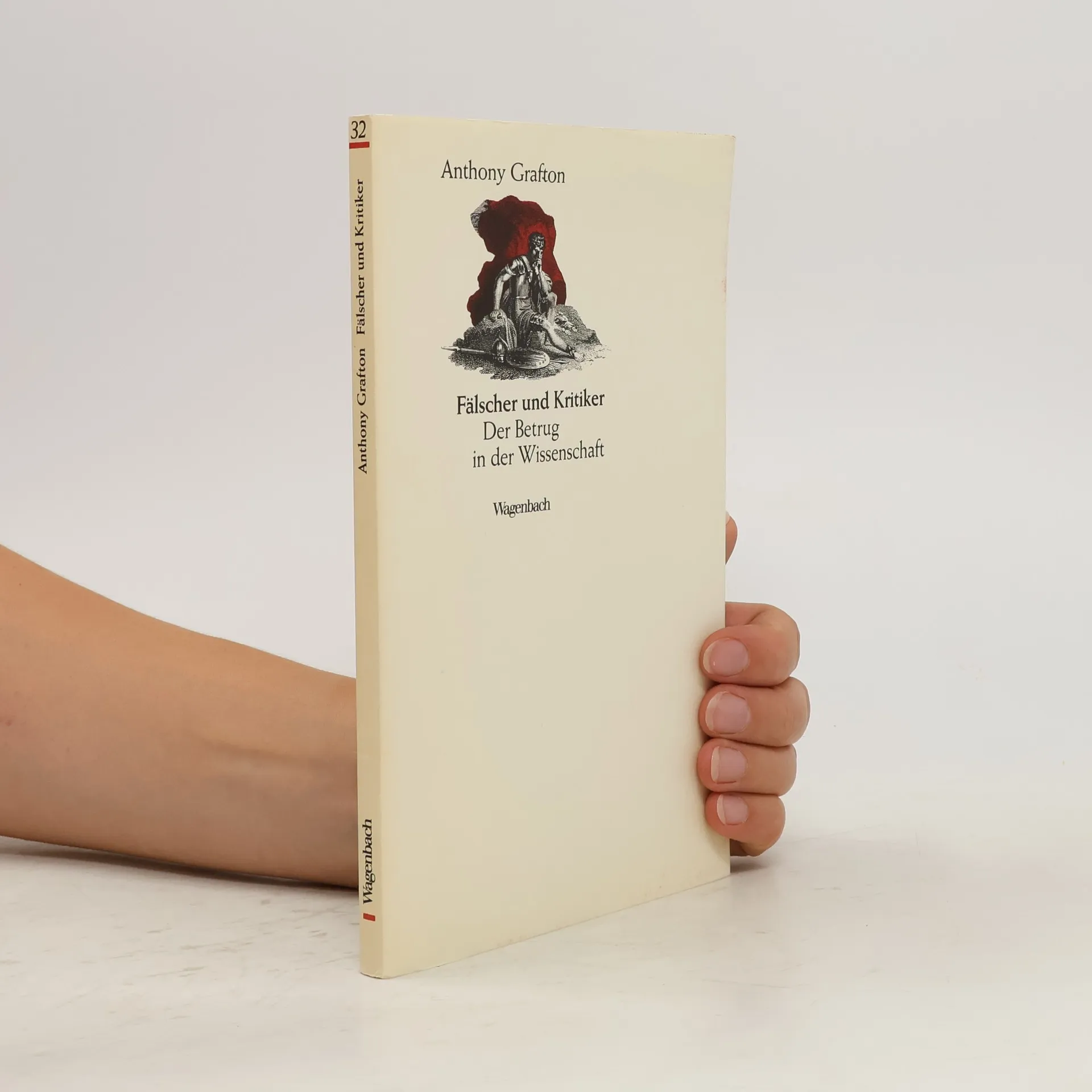
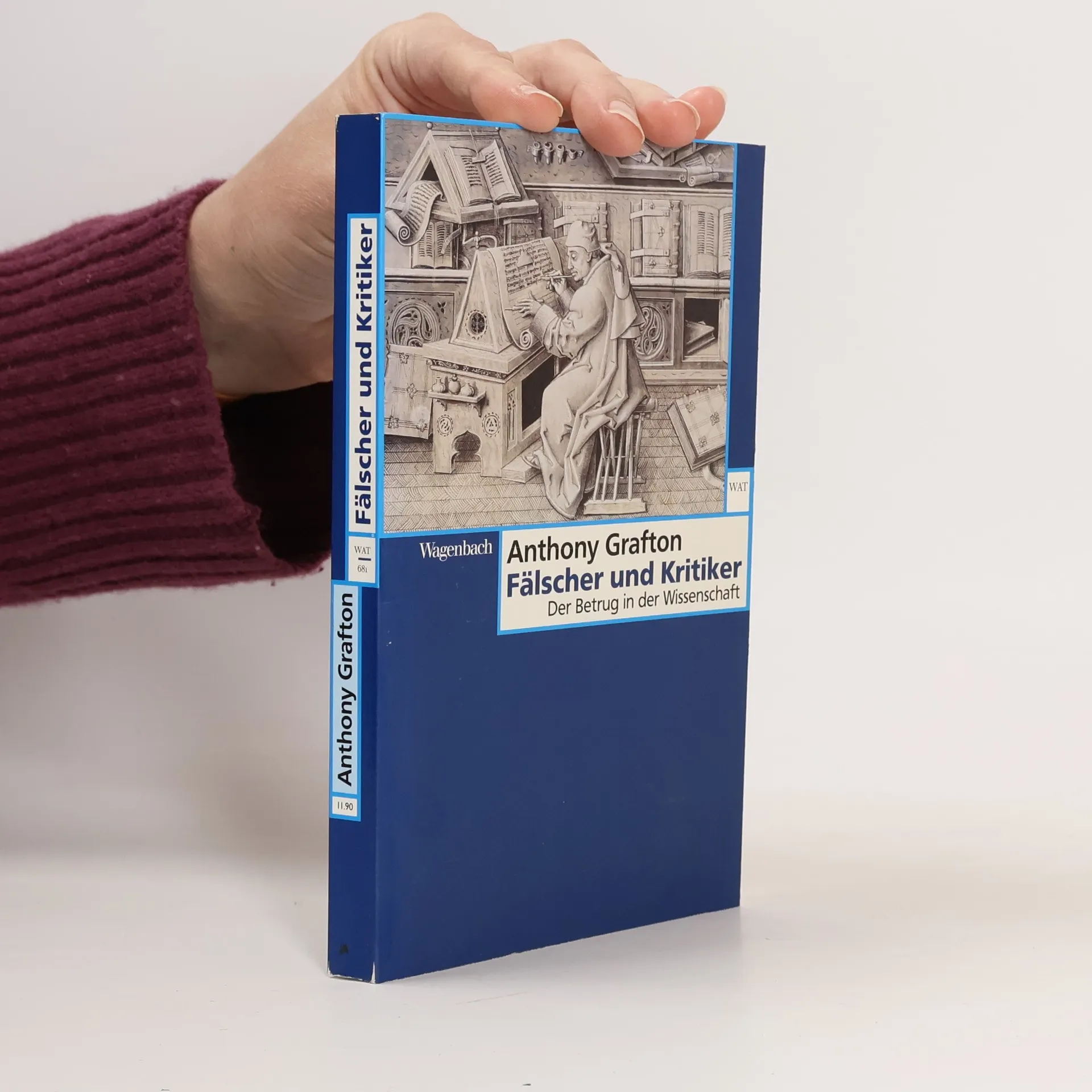
Fälscher und Kritiker
- 104 Seiten
- 4 Lesestunden
Die engen Verbindungen zwischen Fälschung und Kritik im Laufe der Geschichte. In "Fälscher und Kritiker" bietet Anthony Grafton eine umfassende Untersuchung der Verbindungen zwischen Fälschung und Wissenschaft. Er bezeichnet Fälschung als das "kriminelle Geschwister" der Kritik und beschreibt ein Panorama bemerkenswerter Persönlichkeiten – Fälscher von der klassischen Antike bis zur jüngeren Vergangenheit –, die eine Vielzahl prächtiger Triumphe des Wissens und Stils hervorgebracht haben, sowie die wissenschaftlichen Detektive, die die Werkzeuge der Wissenschaft verfeinerten, um diese geschickten Fälscher zu entlarven. Dabei offenbart Grafton das Ausmaß, die Kohärenz und das historische Interesse zweier bedeutender und eng miteinander verbundener Stränge in der westlichen intellektuellen Tradition.
Welches Bild machen wir uns von Geschichte? Wie stellen wir uns Zeit vor? Dieser Prachtband breitet ein Panorama der Geschichtsdarstellung vor uns aus: Tafelwerke der Kirchenväter, die revolutionäre Einführung des Zeitstrahls in der Renaissance bis zu Kunstwerken wie dem 'Strom der Geschichte'. Wussten Sie, dass der Zeitstrahl keine 250 Jahre alt ist? Und dass die Menschen in Altertum und Mittelalter ganz andere Darstellungen gewohnt waren, um zeitlichen Ereignissen eine Gestalt zu geben, wie prächtige Tafeln, Tabellen oder Bäume?Für diesen großen Bildband haben Archive berühmter Bibliotheken ihre Schätze zur Verfügung gestellt: Mit Abbildungen aus alten Annalen der Kirchenväter aus St. Gallen, Tafelwerken Albrecht Dürers bis zu wandgroßen Kunstwerken wie dem 'Strom der Geschichte' bietet der Band ein in dieser Zusammenstellung einmaliges Bildmaterial. Tauchen Sie ein in einen von Wissenschaft und Kunst gleichermaßen gefeierten Bildband, der fachlich erstklassig kommentiert wird von zwei der größten Koryphäen für Wissenschaftsgeschichte, Daniel Rosenberg und dem Inhaber des höchsten deutschen Kulturordens: Anthony Grafton.
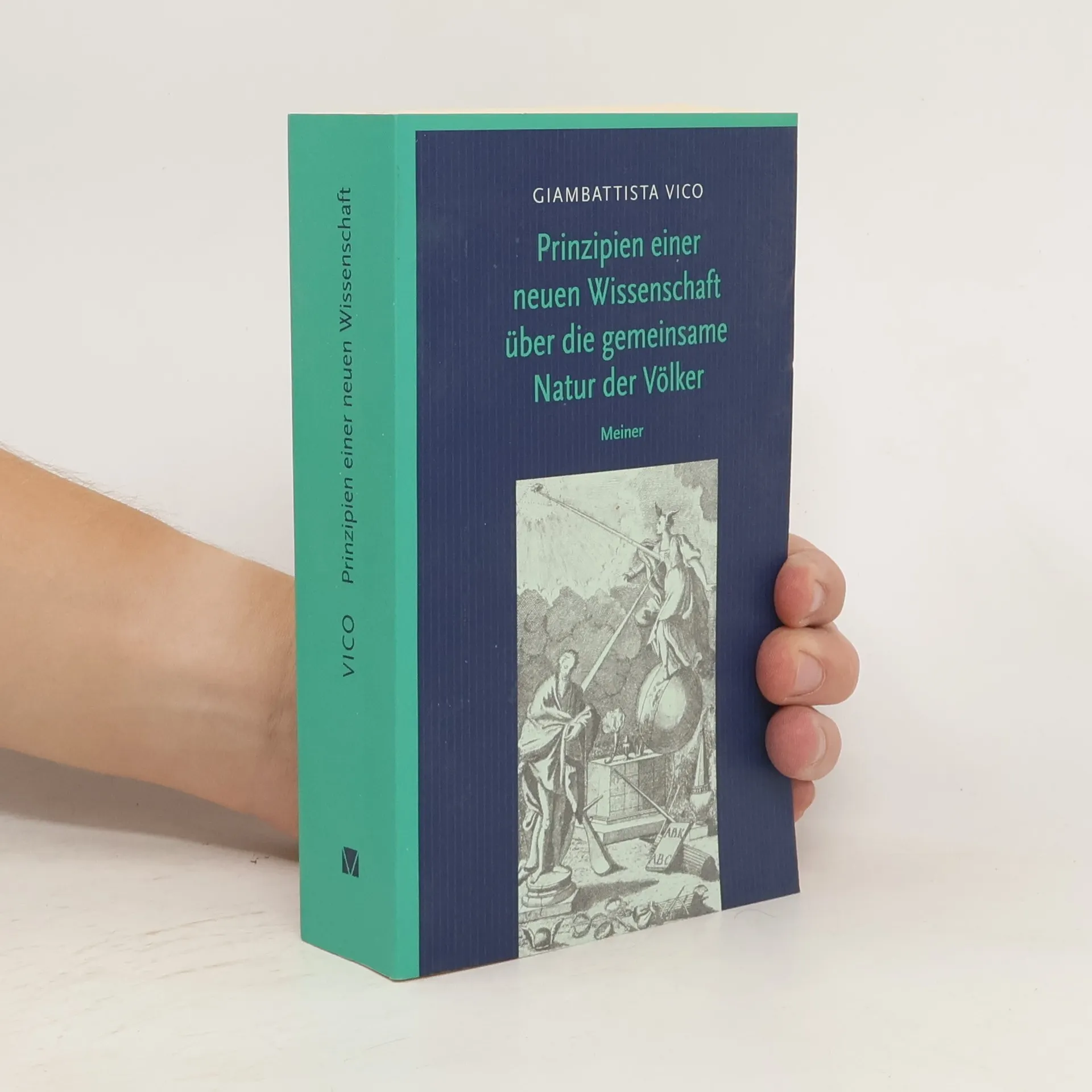
Prinzipien einer neuen Wissenschaft über die gemeinsame Natur der Völker
- 654 Seiten
- 23 Lesestunden
Als erster großer Versuch einer Begründung der Kultur- und Sozialwissenschaften zählt die »Scienza nuova«, das Hauptwerk des italienischen Philosophen, Historiographen und Juristen Giambattista Vico (1668-1744) zu den epochal herausragenden Texten der Neuzeit. Hier fi nden sich bereits zahlreiche Entdeckungen der späteren Geschichtswissenschaft und Philologie; Schwerpunkte liegen in der Ausformung der Rechtstheorie, der Sprachphilosophie und der Ästhetik. Seine große Wirkung auf den Diskurs des europäischen Denkens entfaltete das 1725 publizierte Werk allerdings erst ab 1827, nach Erscheinen der von Michelet vorgelegten französischen Übersetzung. Die vorliegende Sonderausgabe auf der Grundlage der 1990 erschienenen kommentierten Studienausgabe in der PhB bietet den vollständigen Text nach der dritten Ausgabe von 1744 in deutscher Übersetzung.
Magus
- 304 Seiten
- 11 Lesestunden
"Anthony Grafton explores the art and influence of an opaque historical figure: the magus, or learned magician. A distinctive intellectual type in Renaissance Europe, magi contributed to the humanistic currents of the time and had a transformative impact on public life, influencing advances in sculpture, painting, engineering, and other fields."--
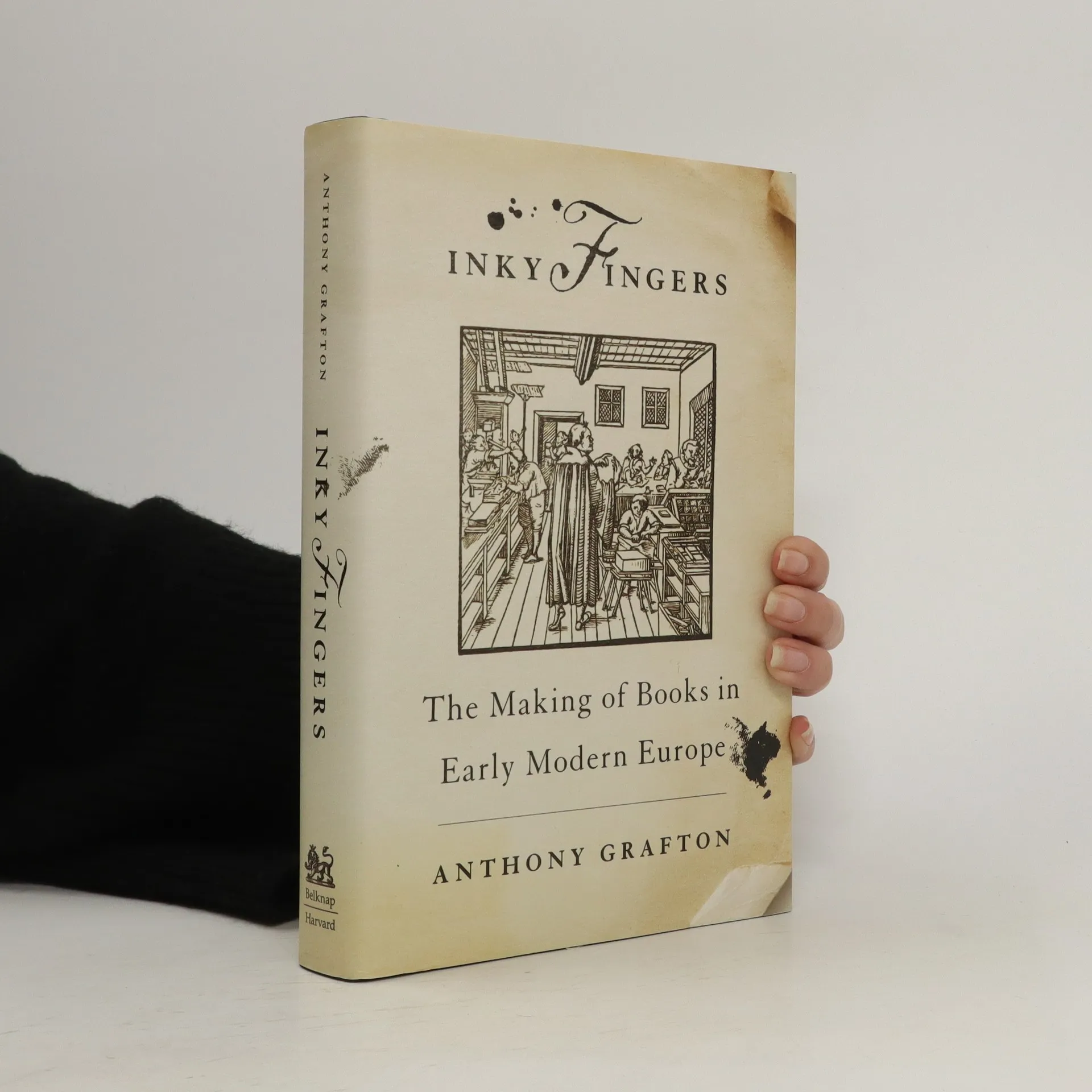
Inky Fingers: The Making of Books in Early Modern Europe
- 352 Seiten
- 13 Lesestunden
The author of The Footnote reflects on scribes, scholars, and the work of publishing during the golden age of the book.From Francis Bacon to Barack Obama, thinkers and political leaders have denounced humanists as obsessively bookish and allergic to labor. In this celebration of bookmaking in all its messy and intricate detail, renowned historian Anthony Grafton invites us to see the scholars of early modern Europe as diligent workers. Meticulously illuminating the physical and mental labors that fostered the golden age of the book--the compiling of notebooks, copying and correction of texts and proofs, preparation of copy--he shows us how the exertions of scholars shaped influential books, treatises, and forgeries.Inky Fingers ranges widely, tracing the transformation of humanistic approaches to texts in the seventeenth and eighteenth centuries and examining the simultaneously sustaining and constraining effects of theological polemics on sixteenth-century scholars. Grafton draws new connections between humanistic traditions and intellectual innovations, textual learning and craft knowledge, manuscript and print.Above all, Grafton makes clear that the nitty-gritty of bookmaking has had a profound impact on the history of ideas--that the life of the mind depends on the work of the hands.
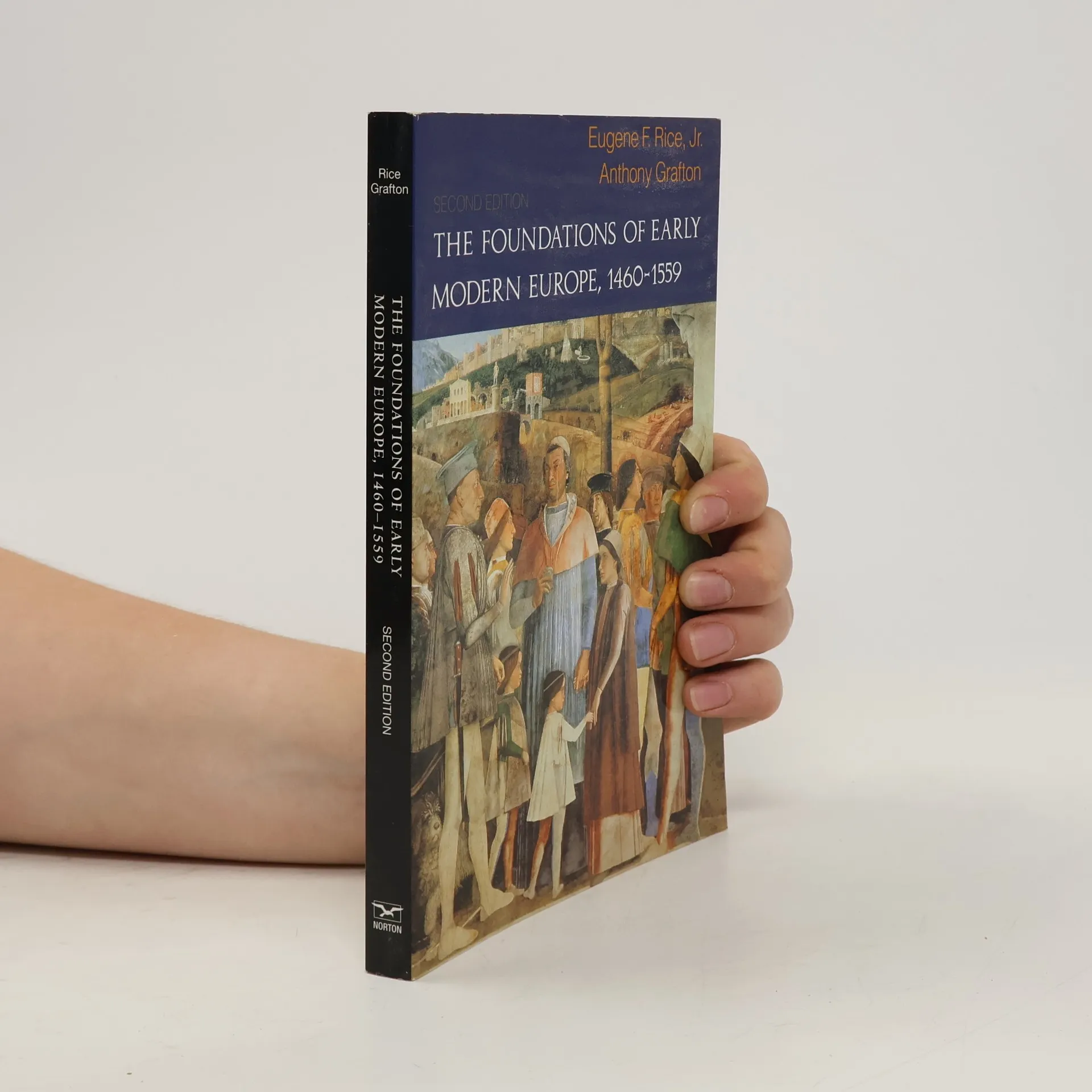
In this compact study of the Renaissance and Reformation, Eugene F. Rice, Jr. draws together the main lines of change that account for a period of rapid transition from medieval civilization to early modern. From a chapter on science, technology, and the voyages of exploration, Professor Rice goes on to examine economic expansion within Europe, Renaissance society and the new humanist culture, the rise of the sovereign state, and, ultimately, the clash between the established Church and the Protestant reformers.
Describing an era of exploration during the Renaissance that went far beyond geographic bounds, this book shows how the evidence of the New World shook the foundations of the old, upsetting the authority of the ancient texts that had guided Europeans so far afield. What Anthony Grafton recounts is a war of ideas fought by mariners, scientists, publishers, and rulers over a period of 150 years. In colorful vignettes, published debates, and copious illustrations, we see these men and their contemporaries trying to make sense of their discoveries as they sometimes confirm, sometimes contest, and finally displace traditional notions of the world beyond Europe.
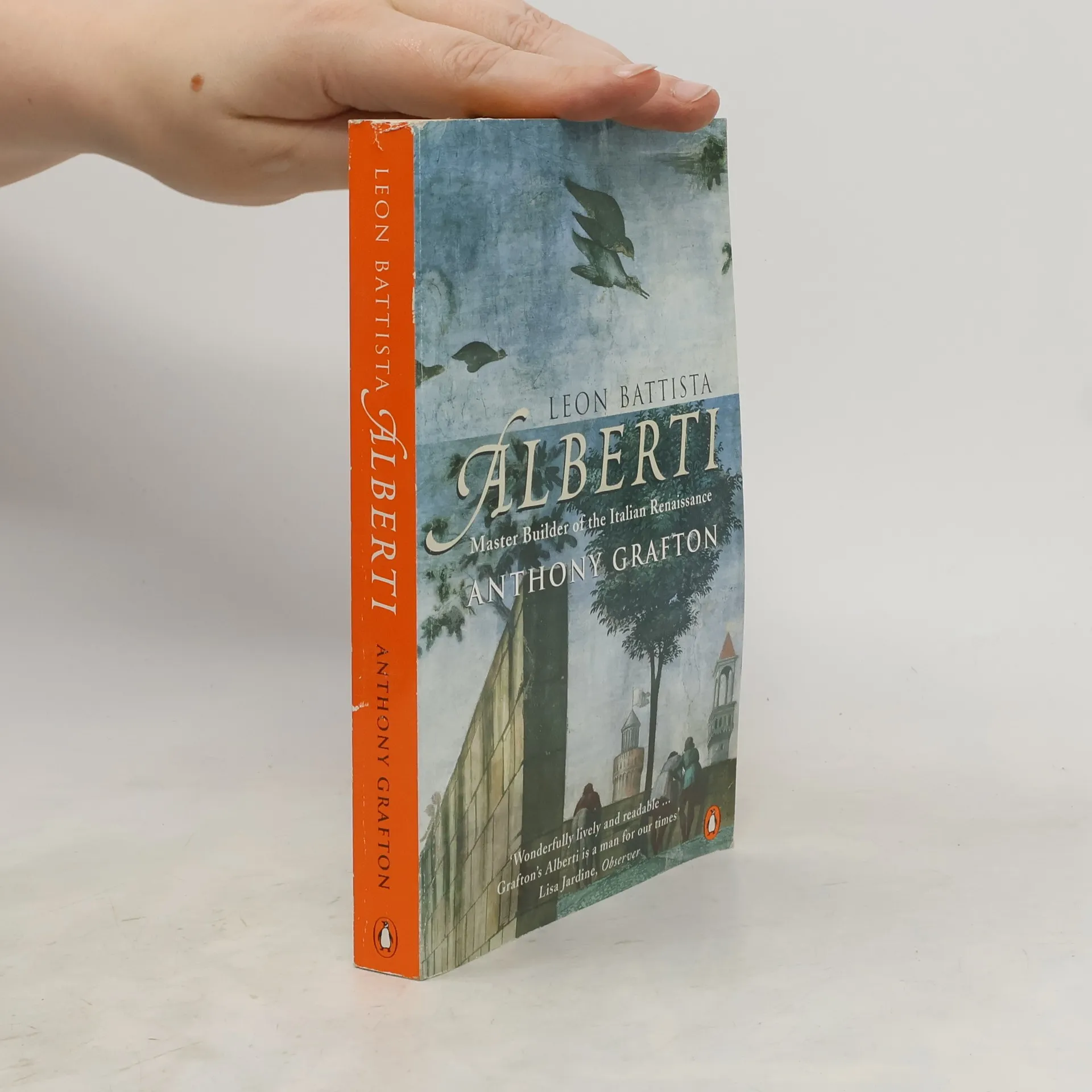
Leon Battista Alberti
Master Builder of the Italian Renaissance
Leon Battista Alberti (1404-72) was one of the most original, creative and exciting figures of the Italian Renaissance. He wrote the first modern treatise on painting, the first modern manual of classical architecture and a powerful set of 'dialogues' about the patrician families that dominated his home city of Florence. He rediscovered the forgotten aesthetics of classical architecture and described, in incomparably vivid terms, the artistic revolution in Florence that began what we now call the Renaissance. He made spectacular advances in the art of painting and in engineering, and as an architect he was responsible for some of the most exciting buildings in Italy.
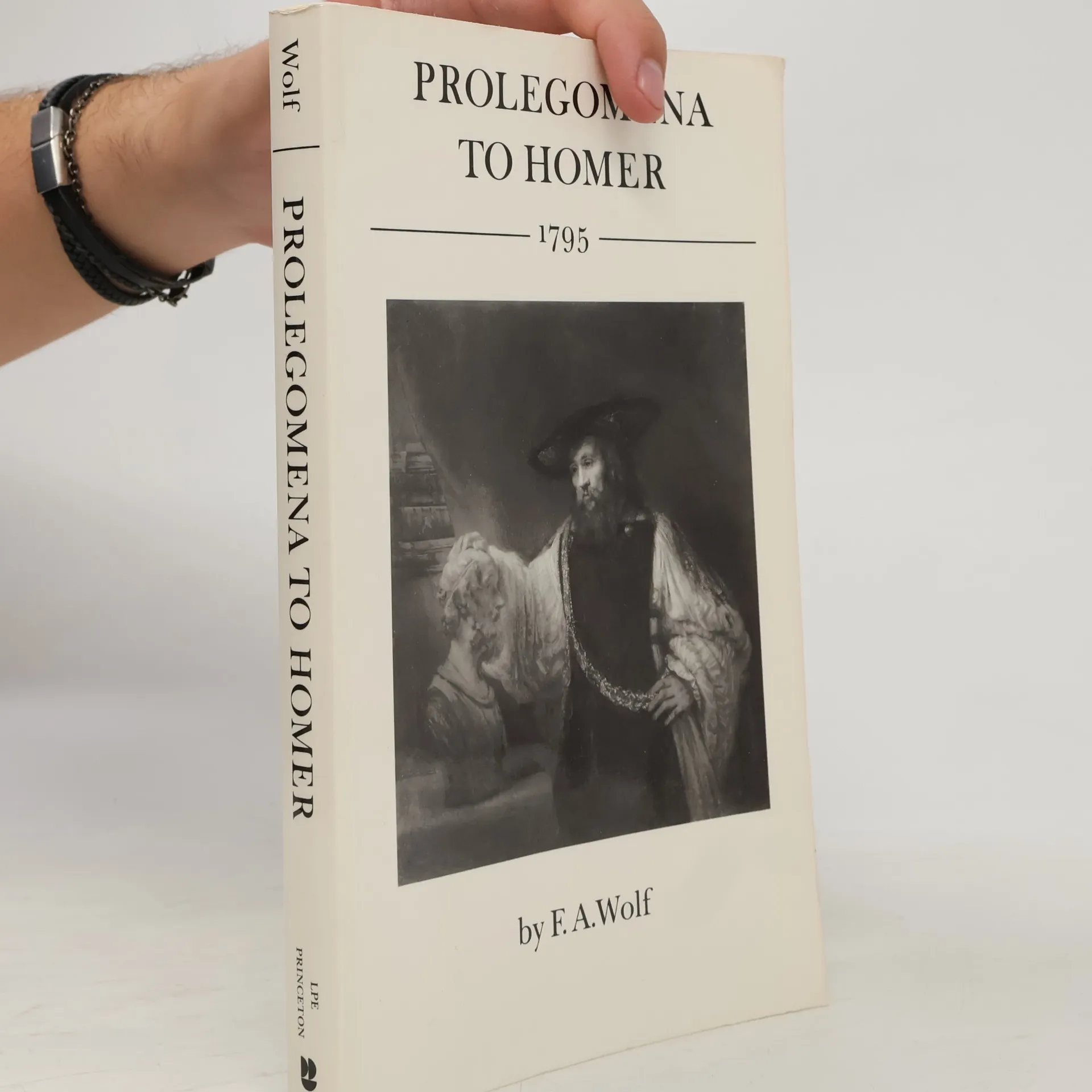
Princeton Legacy Library: Prolegomena To Homer, 1795
- 280 Seiten
- 10 Lesestunden
The subjects Wolf addressed have dominated Homeric scholarship for almost two centuries. Especially important were his analyses of the history of writing and of the nature of Alexandrian scholarship and his consideration of the composition of the Homeric poems--which set the terms for the analyst/unitarian controversy. His exploration of the history of the transmission of the text in antiquity opened a new field of research and transformed conceptions of the relations of ancient and modern culture.Originally published in 1986.The Princeton Legacy Library uses the latest print-on-demand technology to again make available previously out-of-print books from the distinguished backlist of Princeton University Press. These editions preserve the original texts of these important books while presenting them in durable paperback and hardcover editions. The goal of the Princeton Legacy Library is to vastly increase access to the rich scholarly heritage found in the thousands of books published by Princeton University Press since its founding in 1905.
Harvard University Press Reference Library: The Classical Tradition
- 1088 Seiten
- 39 Lesestunden
The legacy of ancient Greece and Rome has been imitated, resisted, misunderstood, and reworked by every culture that followed. In this volume, some five hundred articles by a wide range of scholars investigate the afterlife of this rich heritage in the fields of literature, philosophy, art, architecture, history, politics, religion, and science.