

Im Jahr 2005 wird an das Wirken von Albert Einstein in Berlin 1914 erinnert, als er mit 35 Jahren an die Preußische Akademie der Wissenschaften berufen wurde. In der aufstrebenden Metropole fand er einen inspirierenden Kreis von Wissenschaftlern, doch bald erlebte der Pazifist, wie Kollegen zu Patrioten wurden. In den folgenden Jahren revolutionierte er mit der Allgemeinen Relativitätstheorie das Verständnis von Raum und Zeit. Die Goldenen Zwanziger Jahre brachten eine kulturelle Blüte in Theater, Musik und Architektur, während Einsteins wissenschaftliche Errungenschaften 1921 mit dem Nobelpreis gekrönt wurden. Doch Berlin geriet in eine Abwärtsspirale, geprägt von Inflation und Wirtschaftskrise. Mit dem Aufstieg der Nazis sah sich Einstein wachsendem Hass und Antisemitismus ausgesetzt, während viele seiner Kollegen sich der Militärmaschinerie unterordneten. Am Tag von Hitlers Machtübernahme 1932 verließ Einstein das ihm fremd gewordene Deutschland und verlor seinen Glauben an ein Jahrhundert der Vernunft. Thomas Levenson verknüpft Einsteins 17 Jahre in Berlin mit der Biografie der Stadt, beleuchtet sein bahnbrechendes Werk und die turbulente Zeit. Sein einfühlsames Buch bietet einen wertvollen Einblick in die moderne Wissenschaft im kulturellen Kontext und thematisiert die Kreativität und das Chaos, die sowohl Einstein als auch Berlin prägten.
Thomas Levenson Bücher


So Very Small
How Humans Discovered the Microcosmos, Defeated Germs--And May Still Lose the War Against Infectious Disease
- 368 Seiten
- 13 Lesestunden
Exploring the pivotal role of germs in disease, this book delves into the historical journey of scientific discovery, highlighting the interplay between human reasoning and the challenges posed by ego. It uncovers the complexities of understanding infectious agents and the impact of this knowledge on medicine and society, illustrating how the quest for truth can be both enlightening and fraught with obstacles.
The Hunt for Vulcan
- 229 Seiten
- 9 Lesestunden
For over fifty years, the world's leading scientists searched for the elusive planet Vulcan, a phantom world dictated by Isaac Newton's theories of gravity. Despite extensive efforts and claims of discovery by skilled astronomers, Vulcan was never there. The narrative begins with Newton, whose 1687 work explained the motion of all matter in the universe. Nearly two centuries later, Urbain-Jean-Joseph Le Verrier built on Newton's theories to discover Neptune, gaining fame and attempting to predict Vulcan's existence. However, it was Albert Einstein who ultimately revealed that the quest for Vulcan stemmed from flaws in Newton's gravitational theory. His general theory of relativity demonstrated that Vulcan could not exist, highlighting that the search was based on incorrect assumptions about the universe. This account uncovers the untold story of how the nineteenth-century pursuit of Vulcan paved the way for Einstein's groundbreaking insights, marking a pivotal moment in scientific history and establishing one of the greatest intellectual achievements of the twentieth century.
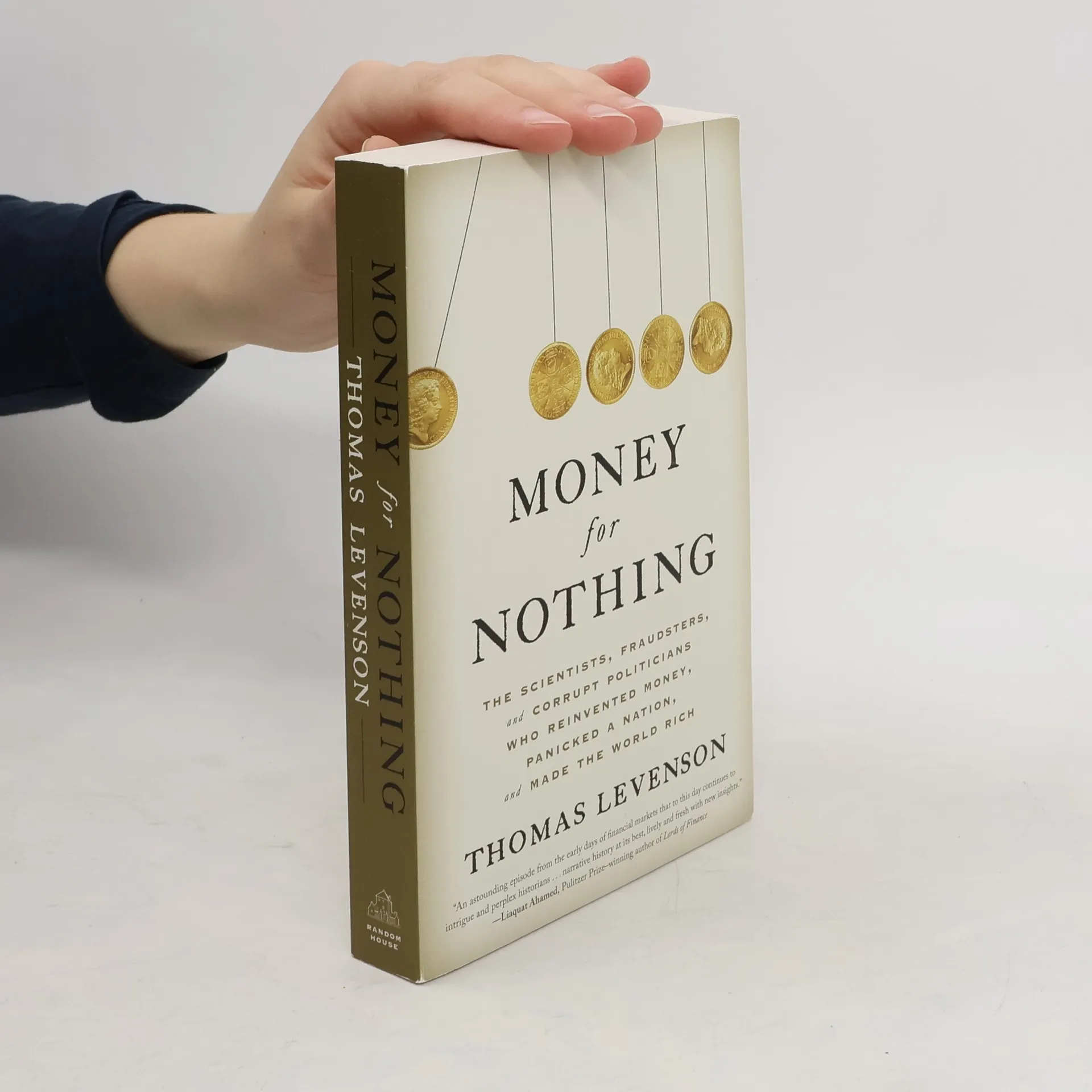
Money for Nothing
The Scientists, Fraudsters, and Corrupt Politicians Who Reinvented Money, Panicked a Nation, and Made the World Rich
- 480 Seiten
- 17 Lesestunden
Exploring the world's first financial crisis, this narrative delves into a pivotal episode in the early history of financial markets. It offers fresh insights and a lively recounting that captivates readers while illuminating the complexities and implications of the crisis. Historians and enthusiasts alike will find this account both intriguing and enlightening, showcasing the enduring relevance of this historical event.
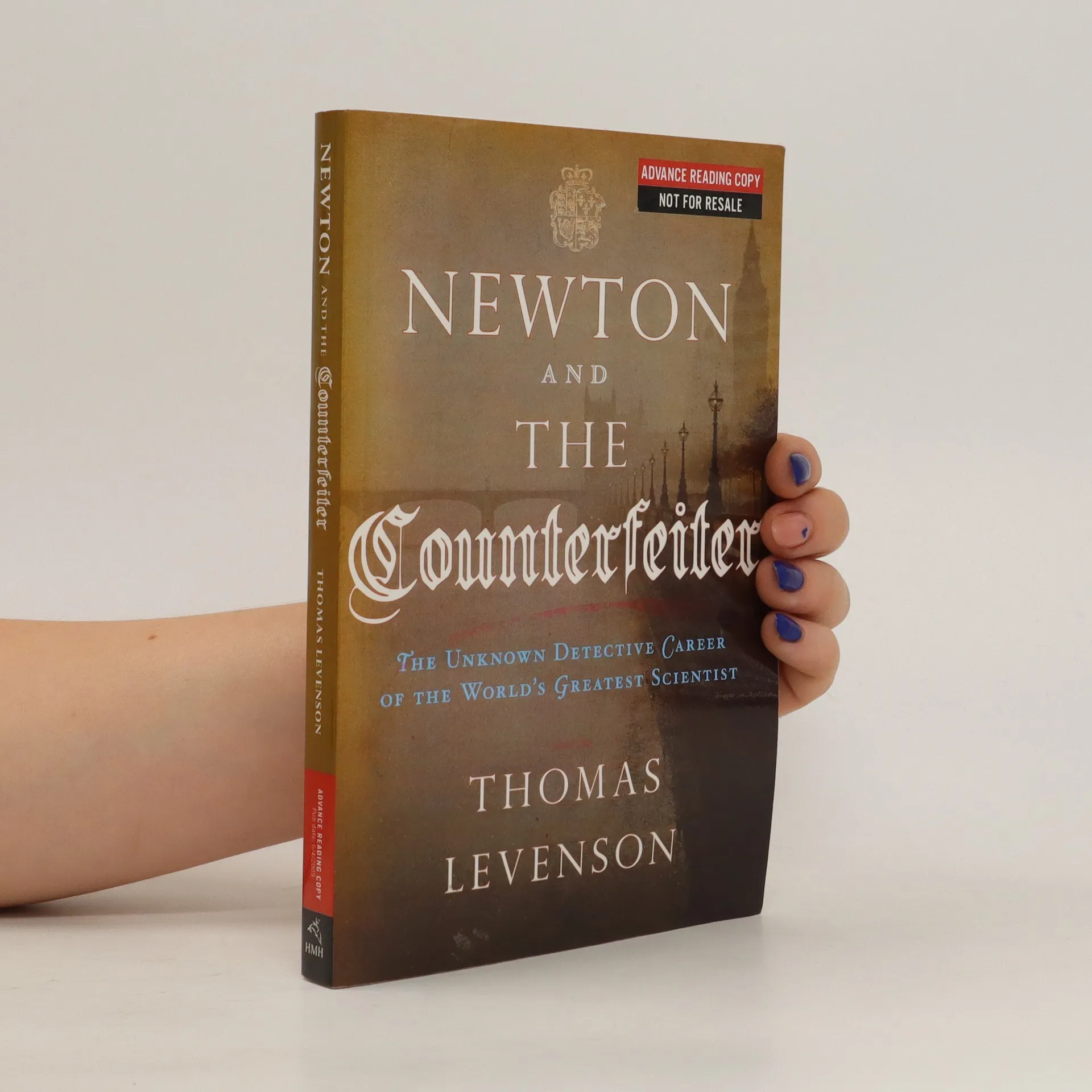
Newton and the Counterfeiter
- 318 Seiten
- 12 Lesestunden
Already famous throughout Europe for his theories of planetary motion and gravity, Isaac Newton decided to take on the job of running the Royal Mint. This is a compelling book about crime, science and money, and transforms our image of Britain's greatest scientist.