

Lieferung vor Weihnachten: Noch 2 Tage, 0 Stunden
Bookbot

Martin Klimke

    Germany and the Black Diaspora
    The Other Alliance
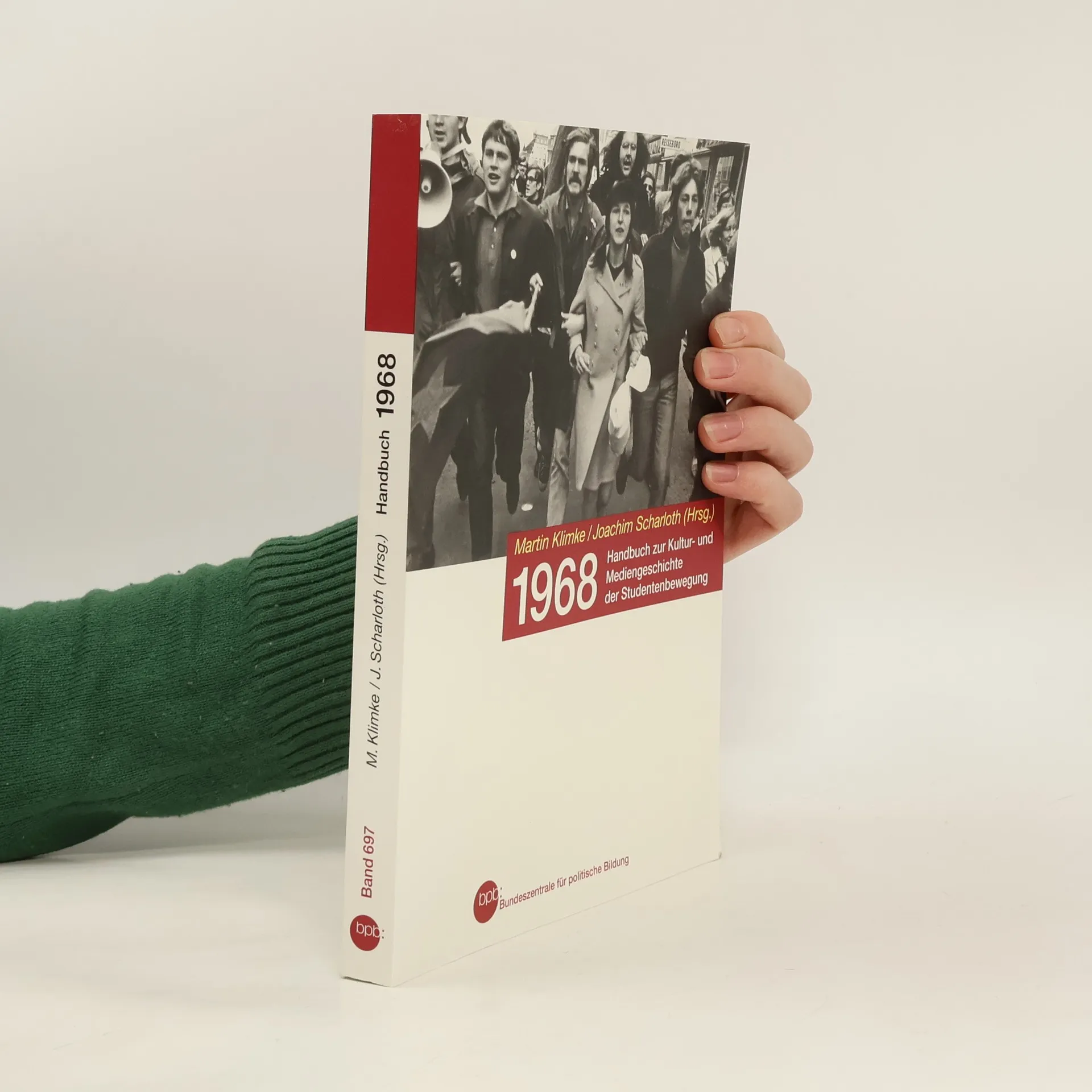
    1968. Handbuch zur Kultur- und Mediengeschichte der Studentenbewegung
    1968
    • 1968

      • 323 Seiten
      • 12 Lesestunden
      2,0(1)Abgeben

      Die 68er polarisieren noch heute: Politisch gescheitert, erfolgreich in der Entwicklung neuer Lebensstile? Dabei gingen Kulturrevolution und Medienevolution Hand in Hand. Presse, Rundfunk und Fernsehen stilisierten Rudi Dutschke, die Kommune I, Che Guevara oder Mao neben den Rolling Stones oder Jimi Hendrix zu Ikonen einer jugendlichen Protestkultur. War die 68-Bewegung mehr als die Inszenierung von Ereignissen im Medienformat? Entlang der Stichworte Happening, Sit-in, Diskussionsfieber, Protestinszenierung u. a. vermittelt das Handbuch einen neuen Blick auf eine politische Strömung, die die Jahrzehnte danach entscheidend verändert und geprägt hat.

      1968
    • The Other Alliance explores the cooperation between American and West German student movements in the 1960s and 70s, challenging traditional narratives. Martin Klimke reveals transnational ties among New Left groups and how American protest methods influenced West German activism, while also examining the impact of Black Power and historical context on these movements.

      The Other Alliance
    • Germany and the Black Diaspora

      Points of Contact, 1250-1914

      • 270 Seiten
      • 10 Lesestunden

      The rich history of encounters prior to World War I between people from German-speaking parts of Europe and people of African descent has gone largely unnoticed in the historical literature-not least because Germany became a nation and engaged in colonization much later than other European nations. This volume presents intersections of Black and German history over eight centuries while mapping continuities and ruptures in Germans' perceptions of Blacks. Juxtaposing these intersections demonstrates that negative German perceptions of Blackness proceeded from nineteenth-century racial theories, and that earlier constructions of -race- were far more differentiated. The contributors present a wide range of Black-German encounters, from representations of Black saints in religious medieval art to Black Hessians fighting in the American Revolutionary War, from Cameroonian children being educated in Germany to African American agriculturalists in Germany's protectorate, Togoland. Each chapter probes individual and collective responses to these intercultural points of contact.

      Germany and the Black Diaspora