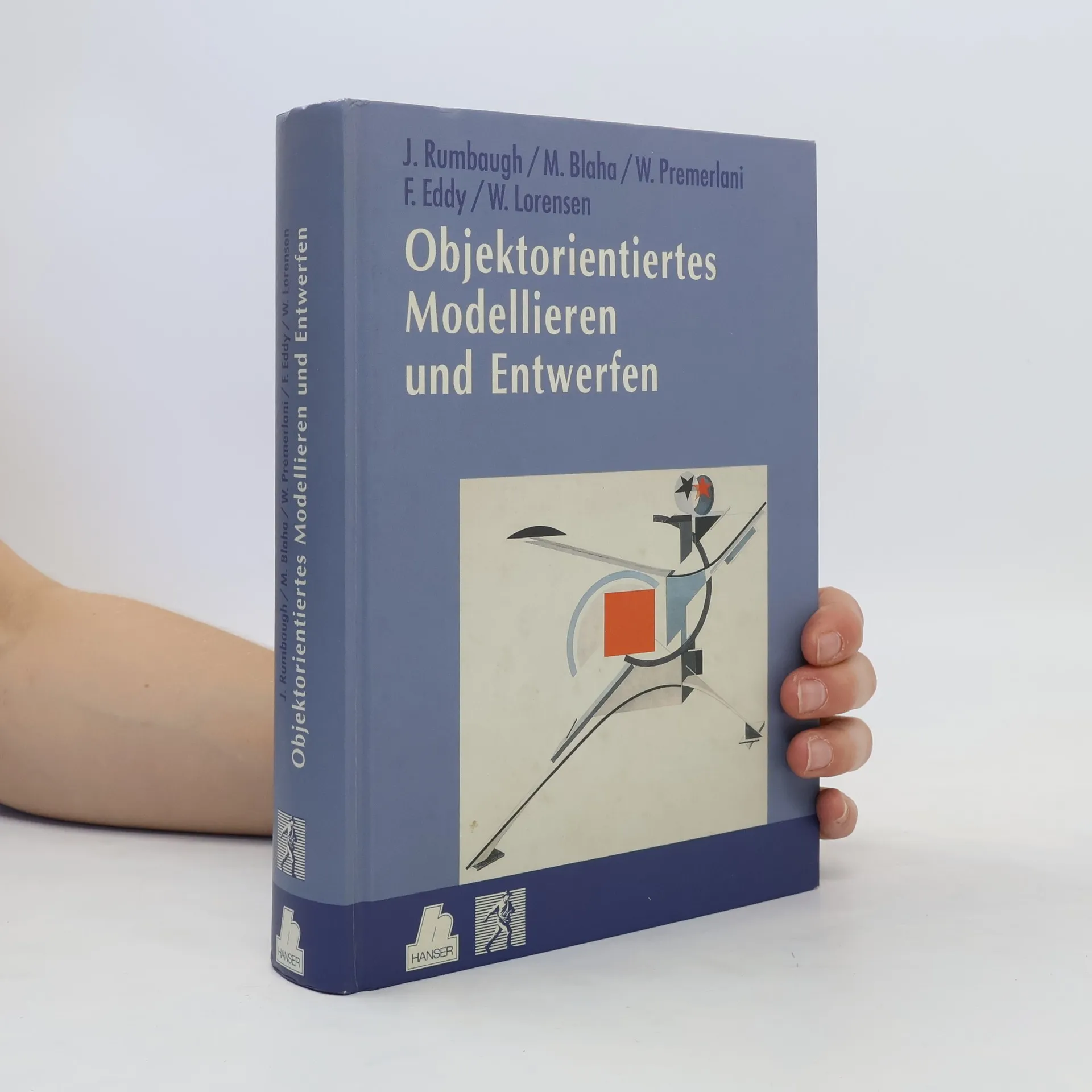
"Objektorientiertes Modellieren und Entwerfen" betont, dass objektorientierte Technologie mehr ist als nur eine Programmiermethode. Sie wendet Techniken auf den gesamten Softwareentwicklungszyklus an. Dieses Werk präsentiert eine neue objektorientierte Softwareentwicklungsmethodik – von der Analyse über das Design bis hin zur Implementierung.
James Rumbaugh Bücher


In dieser - lang erwarteten - Überarbeitung zur Version 2.0 der umfassenden Einführung in UML bieten die Entwickler der Sprache - Grady Brooch, James Rumbaugh, Ivar Jacobsen - eine Einführung, die sich mit den Kernpunkten befasst. Ausgehend von einer Übersicht über UML wird die Sprache anhand der Vorstellung bestimmter Konzepte und Schreibweisen in jedem Kapitel Schritt für Schritt erläutert. Das Buch sorgt einerseits für einen umfassenden Überblick über alle Diagrammtypen sowie Elemente von UML in der zweiten Version und stellt andererseits den nötigen Praxisbezug her, um UML 2.0 effektiv für eigene Projekte einzusetzen. Die tief greifenden Erläuterungen und die an Beispielen orientierte Herangehensweise der Autoren, sorgen für ein schnelles Verständnis des komplexen Themas.
Here is the first book to introduce Catalysis, a next-generation method for constructing open component systems from frameworks, based on UML and OMG standards. Using Catalysis, programmers have the ability to describe a complex system based on content perspectives or views. Each view defines a pattern with supporting models. Catalysis provides well-defined consistency rules across models and the mechanisms for composing views. .
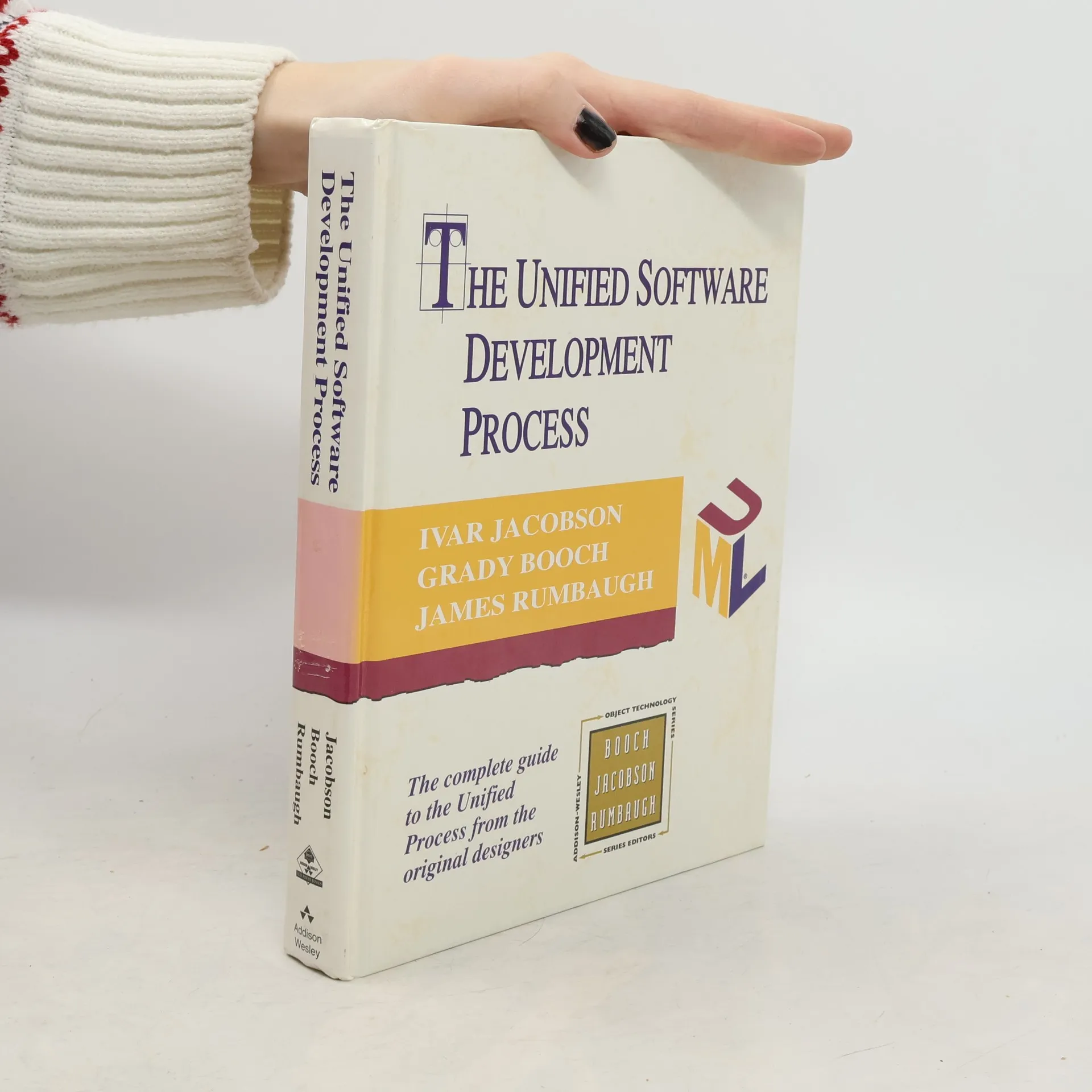
Addison-Wesley Object Technology Series: The Unified Software Development Process
- 463 Seiten
- 17 Lesestunden
Provides an overview of the Unified Process for software development, with a practical focus on modeling using the Unified Modeling Language (UML). This book demonstrates how the notation and process complement one another, using UML models to illustrate the new process in action. It describes the constructs such as use cases, actors, and more.
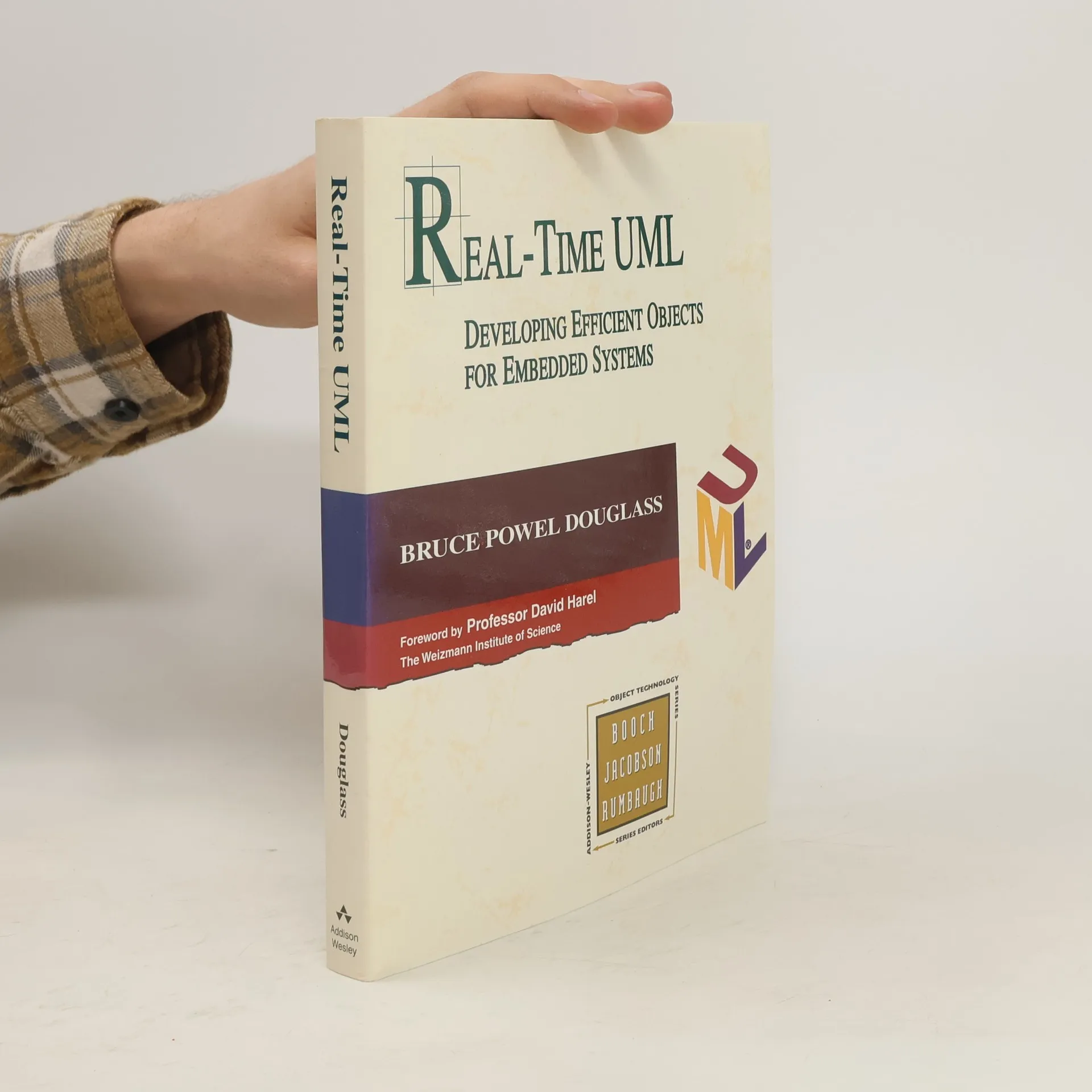
Real- Time UML. Developing Efficient Objects for Embedded Systems
- 363 Seiten
- 13 Lesestunden
This book is the concise, 'distilled' introduction that developers of real-time systems need to begin the transition to object-oriented analysis and design and modeling with UML. The book includes special in-depth discussions of finite state machines, object identification strategies, and real-time design patterns to help beginning and experienced developers alike.
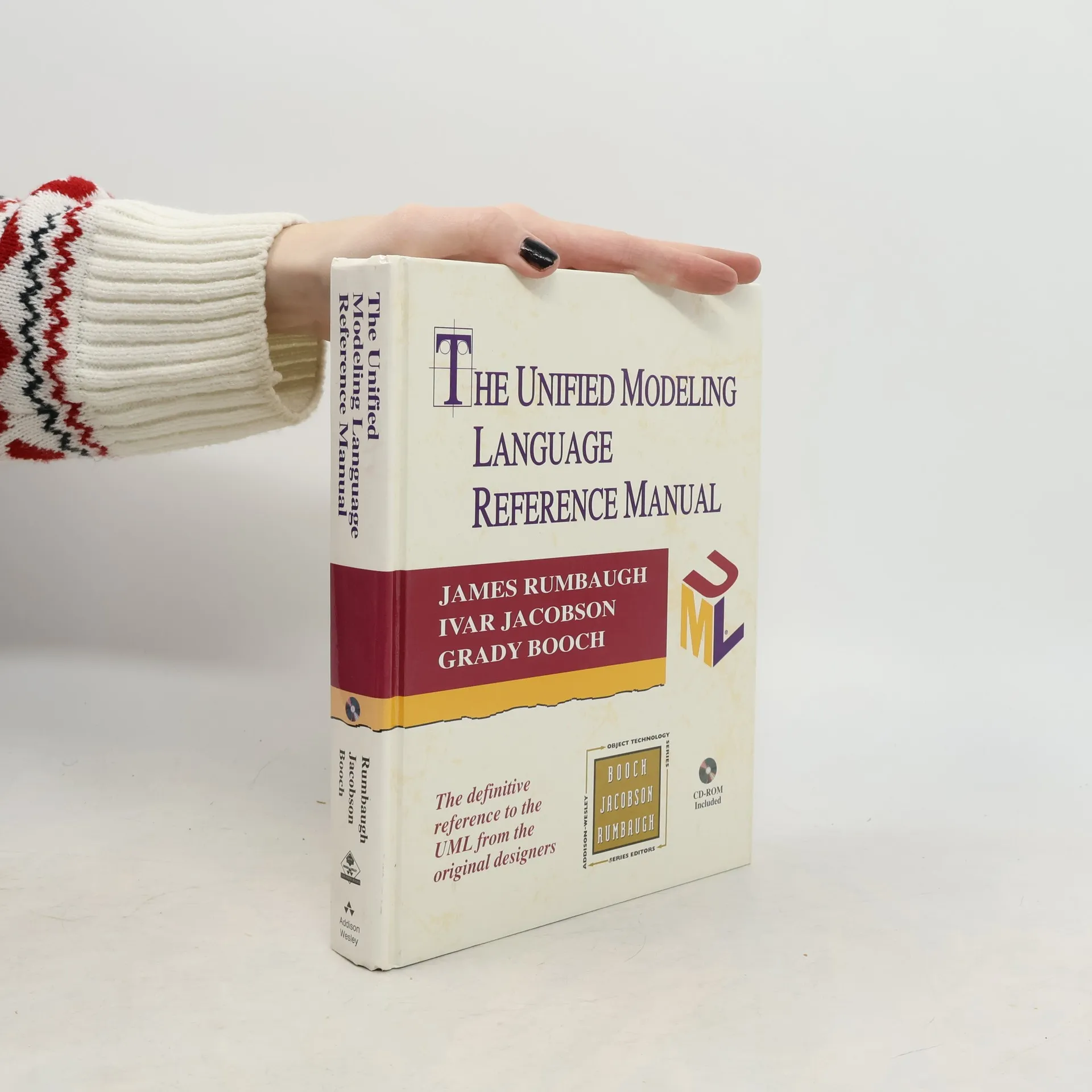
The Unified Modeling Language Reference Manual
- 550 Seiten
- 20 Lesestunden
The Unified Modeling Language (UML) has rapidly become the standard notation for modeling software-intensive systems. This book provides the definitive description of UML from its original developers - James Rumbaugh, Ivar Jacobson, and Grady Booch. Whether you are capturing requirements, developing a software architecture, designing the implementation, or trying to understand an existing system, this is the book for you.
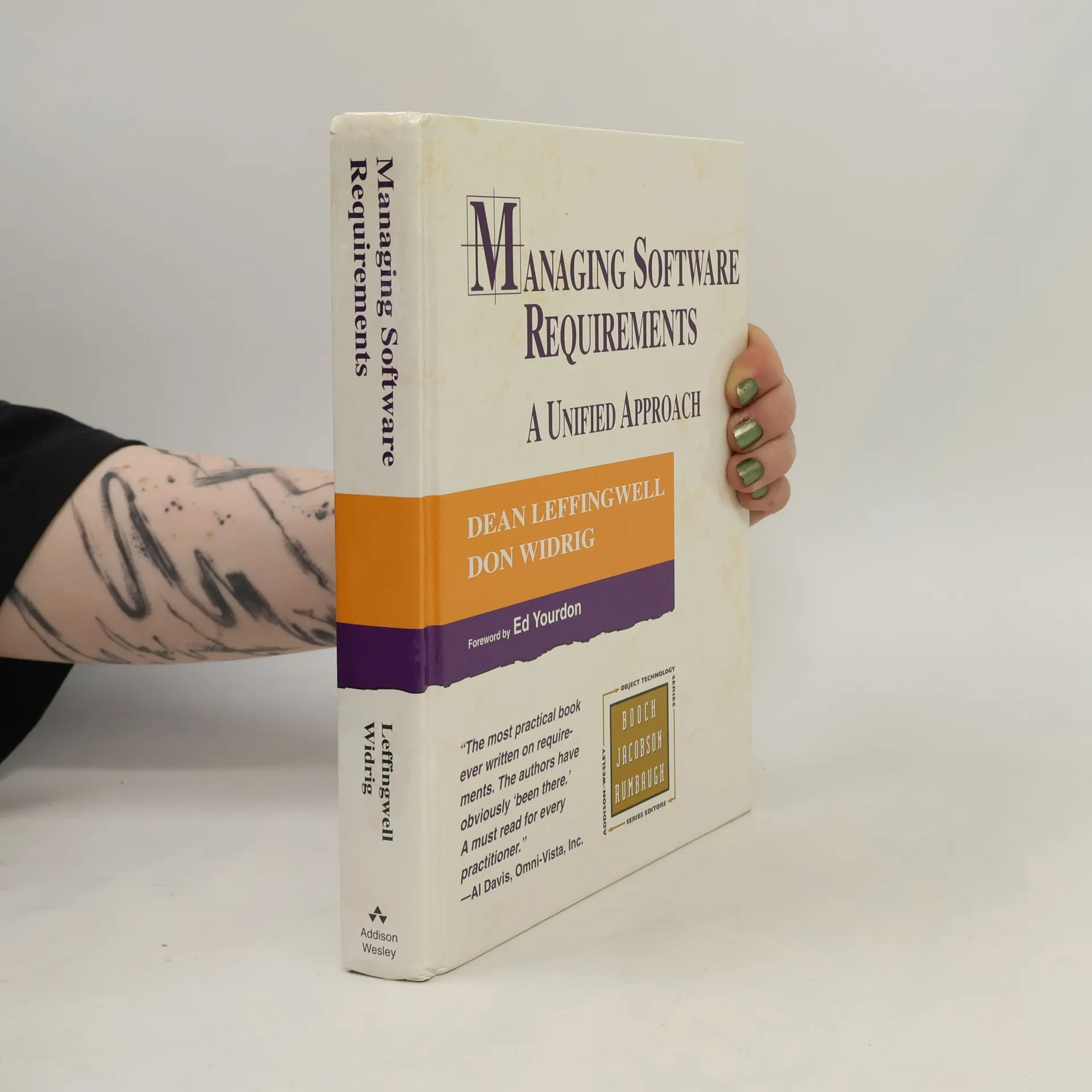
Two leading experts on requirements management demonstrate how to define exactly what software systems should do in terms that can be implemented and won't have to be redone later. Coverage includes: analyzing problems, defining systems, building and validating systems, and more.