Type: New Perspectives in Typography
- 336 Seiten
- 12 Lesestunden
Offers an A to Z survey of typographic design. This book encourages and inspires the next generation of designers. It is suitable sourcebook for seasoned designers and educators.




Offers an A to Z survey of typographic design. This book encourages and inspires the next generation of designers. It is suitable sourcebook for seasoned designers and educators.
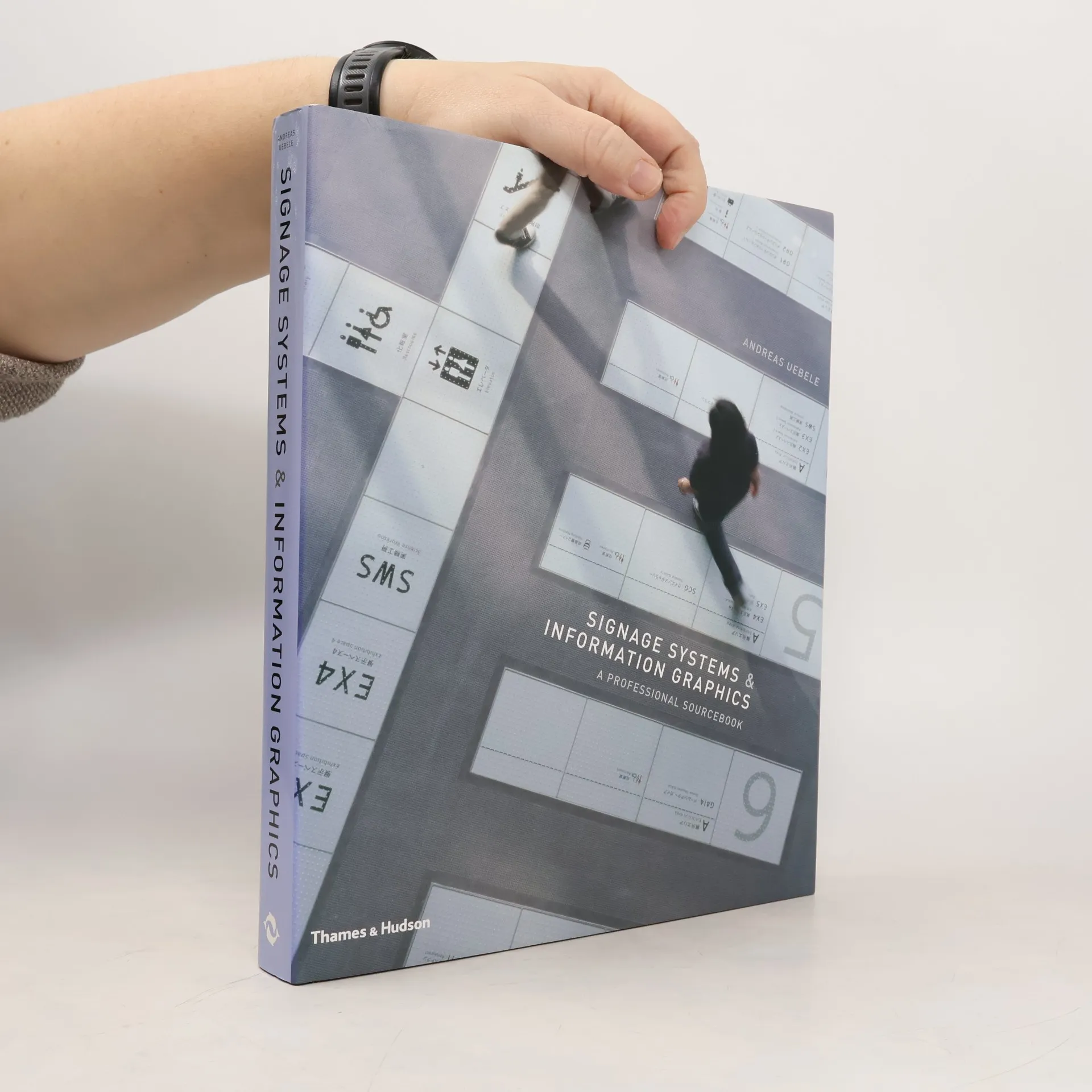
Groundbreaking ideas on how to create the best, most effective graphics and signs.A signage system is much more than just a set of signposts and symbols. As well as its practical application, it helps to create an identity for a space and can add decorative flair to any built environment. Here, Andreas Uebele describes the basic rules of signage design—and then goes on to show how to effectively break them.Signs must be visible but not distracting, informative but not unwieldy, and concise but not confusing. Color, typography, pictograms, and icons are all elements that can be varied and exploited to encapsulate as much information as possible and fit the job's the signage for a hospital, an airport, or a conference center may have little in common, and solutions must always be tailored to fit the location.The book showcases great examples of signage design worldwide, ranging from museums and schools to transport systems, with an emphasis on the most original approaches. It is not only an indispensable handbook for communications designers but also a must for architects, interior designers, and graphic artists who need a better understanding of this essential aspect of modern design. 500+ color photographs and illustrations.
Führen - Finden - Fliehen
Gute Orientierungssysteme verbinden sich organisch mit dem Bauwerk, durch das sie führen – und tun dies so beiläufig, dass man sie für Kunst am Bau hält. Im Idealfall werden Signaletik oder Leitsysteme integrale Bestandteile der Architektur, passen zur Marke und sind unmissverständlich. Im Notfall retten sie Leben. Im Alltag versprühen sie Lebensfreude. Für derart richtungweisende Orientierungssysteme steht kaum ein Name so klar und an der Spitze wie der von Andreas Uebele. Als erfahrener Praktiker – büro uebele in Stuttgart und engagierter Professor – Fachhochschule Düsseldorf – widmet er sich dem Thema seit über 20 Jahren – und gibt sein Wissen konsequent weiter. In diesem Buch stellt er herausragende internationale Beispiele solide analysiert und mit detaillierten Hintergrundinformationen vor: Vom Planungsprozess und seinen Hürden über konstruktive Details und Kosten bis zu verwendeten Materialien und Schriften. Alles, was Sie als Grundlage für Ihre Arbeit an der Schnittstelle zwischen Architektur und Grafikdesign brauchen.