

Francis Galton Bücher
Sir Francis Galton war ein wegweisender viktorianischer Universalgelehrter, dessen Werk sich von Anthropologie über Statistik bis hin zu Meteorologie erstreckte. Er revolutionierte die Untersuchung menschlicher Unterschiede und Intelligenz durch die Anwendung statistischer Methoden und führte grundlegende Konzepte wie Korrelation und Regression zur Mitte ein. Galton prägte auch die Begriffe 'Eugenik' und 'Nature versus Nurture' und beeinflusste maßgeblich Diskussionen über Vererbung und menschliches Potenzial. Seine innovative Forschung erstreckte sich auf die Psychometrie, die Wissenschaft der geistigen Messung, und sogar auf die Kriminalistik mit seinem Fingerabdruck-Klassifizierungssystem.
Classic Reprint Series: Genie und Vererbung
- 456 Seiten
- 16 Lesestunden
Die Bucherei hat sich zum Ziel gesetzt, dem deutschen Publikum die Hauptwerke der ausländischen Philosophie und Soziologie in hochwertigen Übersetzungen näherzubringen und gleichzeitig wertvolle deutsche Originalarbeiten zu präsentieren. Rudolf Eucken äußert sich positiv über dieses Vorhaben und hebt hervor, dass eine Lücke besteht, die dringend gefüllt werden muss: Deutsche haben zu wenig Kontakt zu den geistigen Bewegungen anderer Kulturen, aus denen sie viel lernen könnten. Geplant ist, bedeutende Vertreter der ausländischen Philosophie mit charakteristischen Werken vorzustellen, wobei auch darauf geachtet wird, dass nicht nur für Fachleute interessante Werke übersetzt werden, sondern auch solche, die ein breiteres philosophisch und soziologisch interessiertes Publikum ansprechen. Ein Blick auf die bereits erschienenen und geplanten Titel gibt einen guten Überblick über die Ausrichtung des Unternehmens. Ein detaillierter Spezialprospekt über die Bereiche Philosophie und Soziologie steht jederzeit kostenlos zur Verfügung. Forgotten Books veröffentlicht Hunderte von Tausenden seltener und klassischer Bücher und nutzt modernste Technologie, um historische Werke digital zu rekonstruieren und dabei das ursprüngliche Format zu bewahren, während Unvollkommenheiten der alten Kopien repariert werden. In seltenen Fällen können kleinere Mängel im Original beibehalten werden, um den historischen Charakter zu wahren.
The Idea of Race
- 256 Seiten
- 9 Lesestunden
A survey of the historical development of the idea of race, this anthology offers pre-twentieth century theories about the concept of race, classic twentieth century sources reiterating and contesting ideas of race as scientific, and several philosophically relevant essays that discuss the issues presented. A general Introduction gives an overview of the readings. Headnotes introduce each selection. Includes suggested further readings.
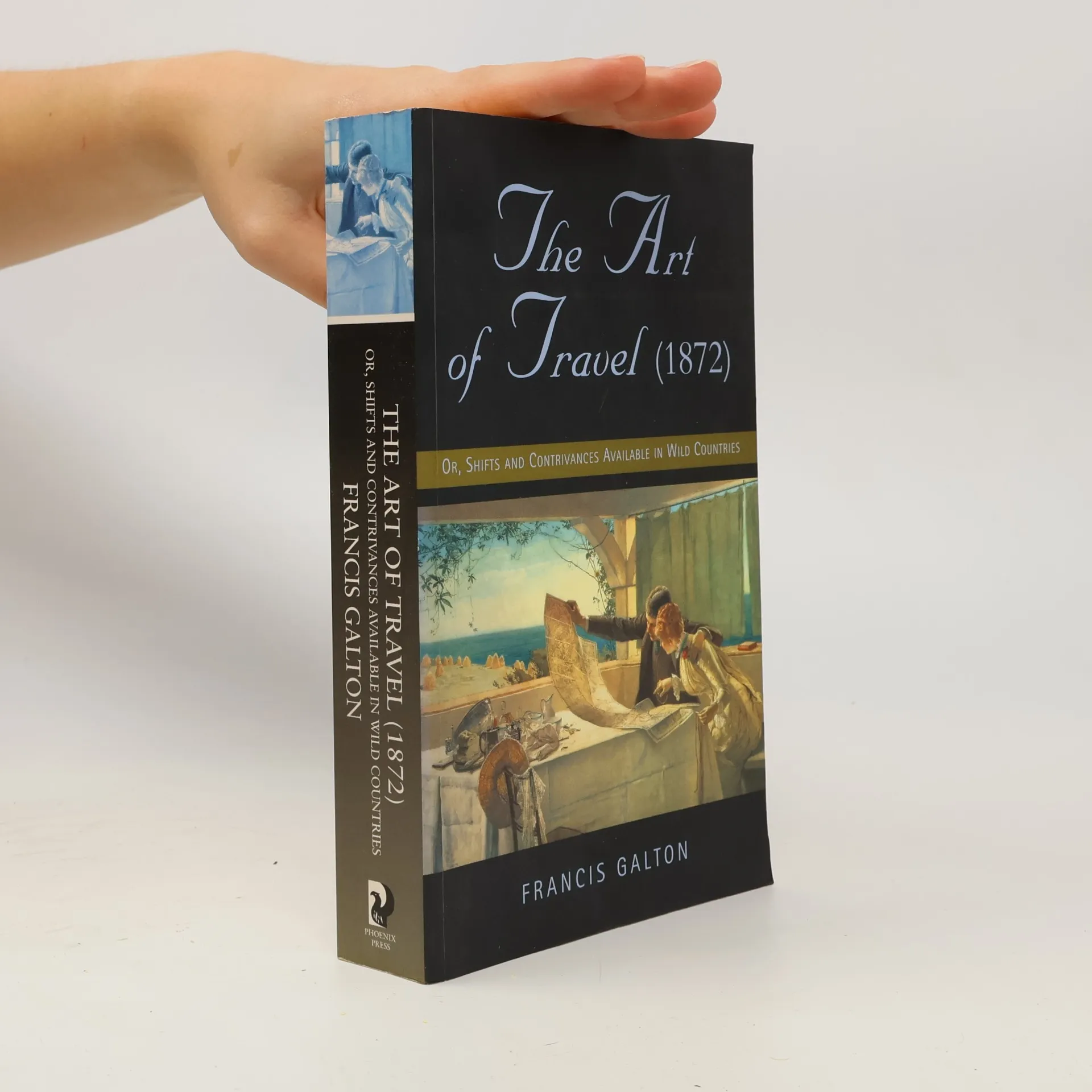
The Art of Travel, 1872. Or, Shifts and Contrivances Available in Wild Countries
- 366 Seiten
- 13 Lesestunden
Few Victorian travelers considered setting off without a copy of this indispensable book in their baggage. Conceived during a voyage to southwestern Africa in the 1850s, it eventually ran into eight editions; this version was the last to incorporate new material. Quaint, practical, and VERY politically incorrect, this wonderful time capsule reveals how Tibetans keep warm, how the Chinese stop asses braying, how to build a snow house, and a multitude of tried, tested, and now forgotten tips.