

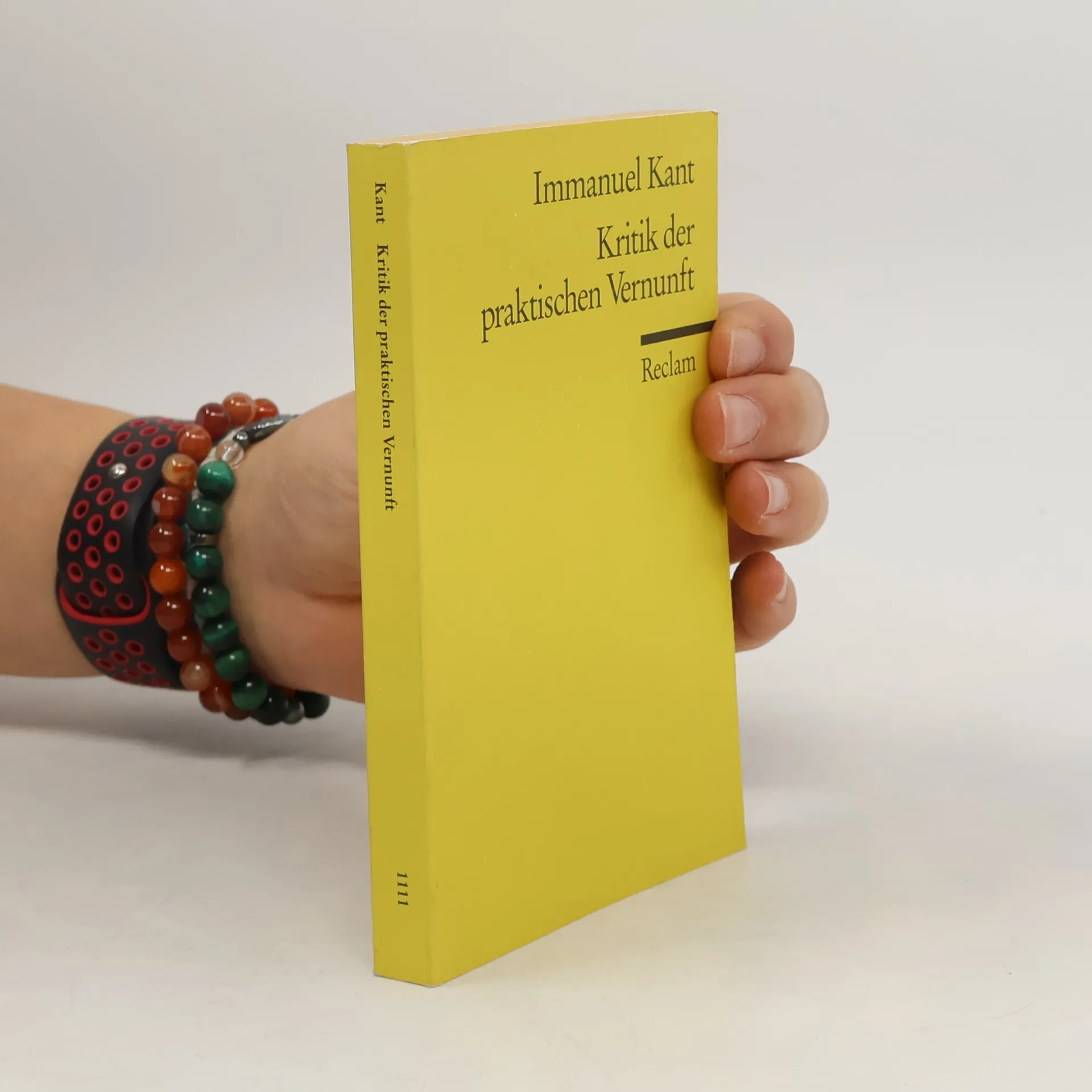
Kritik der praktischen Vernunft (Riga: Johann Friedrich Hartknoch, 1788), 292 pp. [Ak. 5:1-164] “Critique of Practical Reason.” Translated by Lewis White Beck, Immanuel Kant: Critique of Practical Reason & Other Writings in Moral Philosophy (Chicago: University of Chicago Press, 1949). Translated by Mary J. Gregor in Immanuel Kant, Practical Philosophy, edited by Mary J. Gregor (Cambridge: Cambridge University Press, 1996), pp. 139-271. Kant sent the manuscript to the printers (Grünert, in Halle) in the summer of 1787 (letter to C. G. Schütz, 25 June 1787: “I intend to send it to Halle for printing next week” (Ak. 10:490); letter to L. H. Jakob, 11 September 1787: “My Critique of Practical Reason is at Grunert’s now” (Ak. 10:494). Originally given to Wasianski as a gift, Kant’s own copy of this book is available in Halle's university archive. Kant’s marginalia are recorded in the “Lesarten” printed in Ak. 5, & a complete set of facsimilies of this copy is available at the Berlin-Brandenburg Academy of Sciences.
Jens Timmermann Bücher
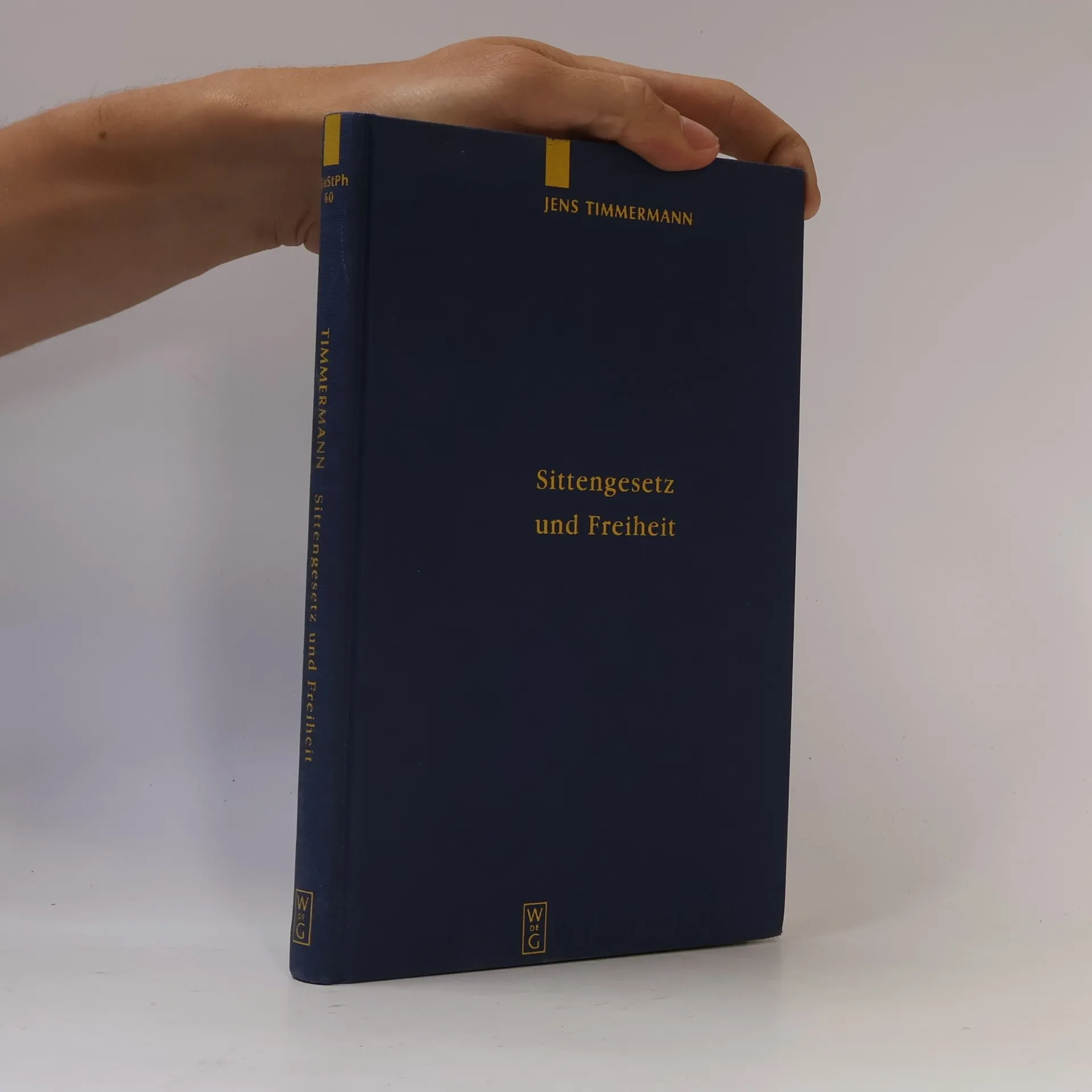
Quellen und Studien zur Philosophie - 60: Sittengesetz und Freiheit
Untersuchungen zu Immanuel Kants Theorie des freien Willens
- 238 Seiten
- 9 Lesestunden
Das Buch behandelt Kants Versuch, innerhalb seiner Ethik Sittengesetz, Naturgesetz und Freiheit im moralischen Handeln in Einklang zu bringen. Im ersten Teil stehen die Begriffe der Freiheit und des Willens bei Kant im Mittelpunkt. Der zweite Teil untersucht detailliert die Kernpunkte der kantischen Ethik: den (letztlich gescheiterten) Versuch, Freiheit und Naturkausalität auszusöhnen, und die Theorie des Handelns nach Moralgesetzen, deren Wahl den freien Willen als eigentliches Moment ausmacht. Am Ende steht die Einsicht in ein hoch entwickeltes, differenziertes gedankliches System, das unserer Alltagsauffassung von moralischer Verantwortung erstaunlich nahe kommt.
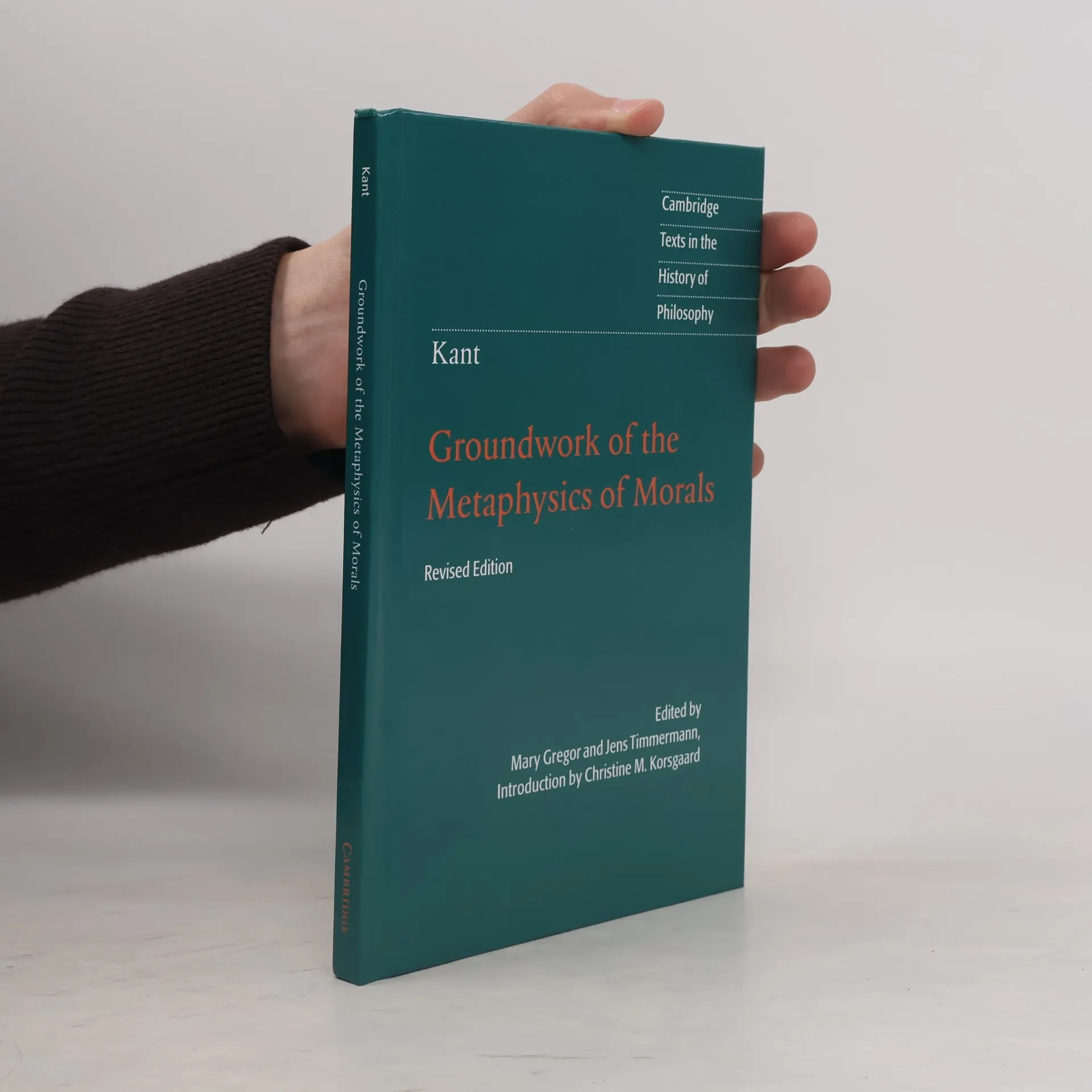
Cambridge Texts in the History of Philosophy: Groundwork of the Metaphysics of Morals
Revised Edition
- 136 Seiten
- 5 Lesestunden
Published in 1785, Immanuel Kant's Groundwork of the Metaphysics of Morals ranks alongside Plato's Republic and Aristotle's Nicomachean Ethics as one of the most profound and influential works in moral philosophy ever written. In Kant's own words, its aim is to identify and corroborate the supreme principle of morality, the categorical imperative. He argues that human beings are ends in themselves, never to be used by anyone merely as a means, and that universal and unconditional obligations must be understood as an expression of the human capacity for autonomy and self-governance. As such, they are laws of freedom. This volume contains Mary Gregor's acclaimed translation of the work, sympathetically revised by Jens Timmermann, and an accessible, updated introduction by Christine Korsgaard.