

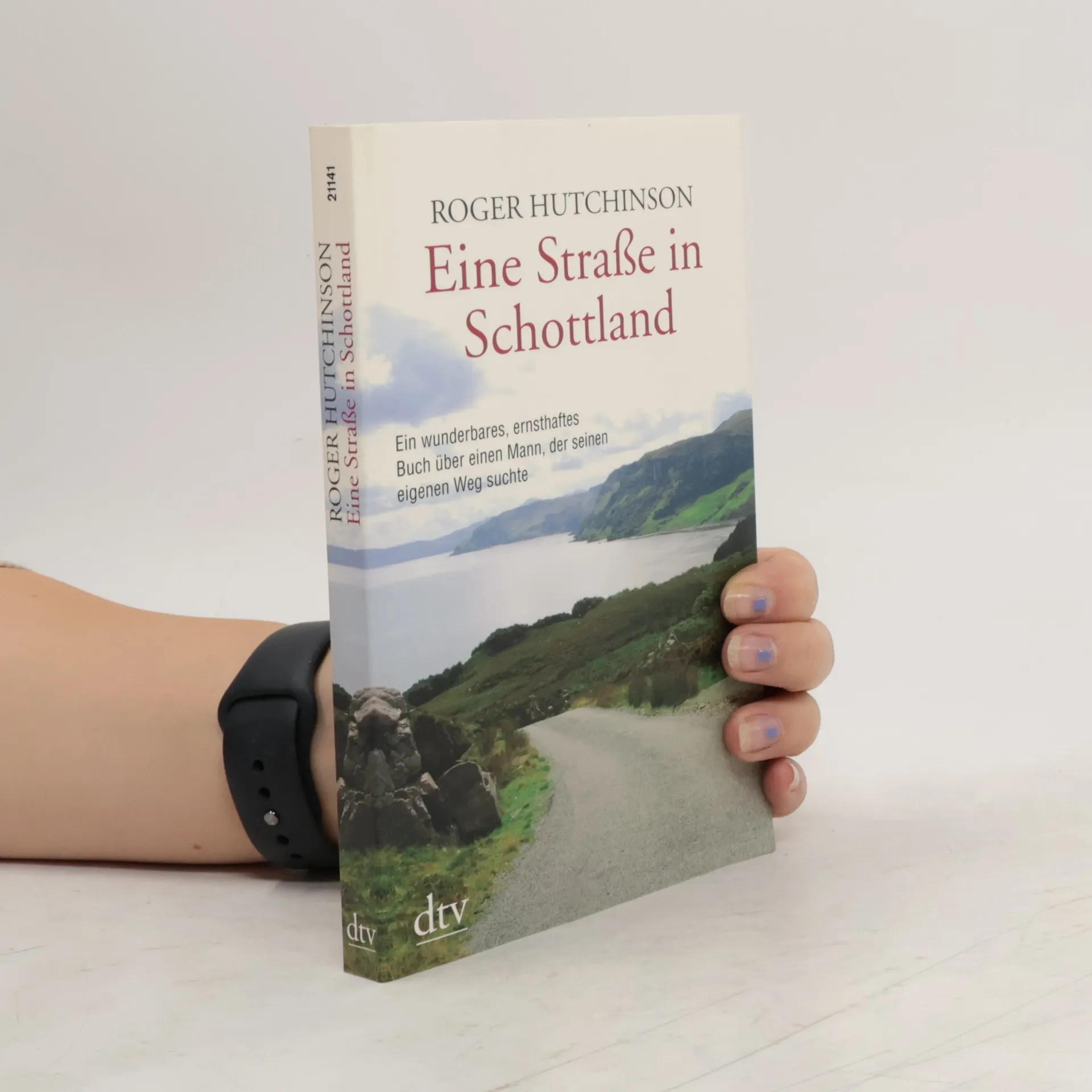
Fast sein gesamtes Leben hat Calum McLeod im Norden der zwölf Meilen langen und zwei Meilen breiten Insel Raasay westlich von Schottland verbracht, wo er als Kleinbauer, Postbote und Leuchtturmwärter gearbeitet hat. Aufgrund des wirtschaftlichen Niedergangs schrumpfte die Bevölkerung schließlich auf zwei Menschen: Calum und seine Frau. Eines schönen Tages lädt Calum Spitzhacke, Axt und Schaufel auf seine Schubkarre und macht sich auf den Weg nach Süden, um eine Straße zu bauen. 20 Jahre investiert Calum McLeod in sein Ein-Mann-Projekt... Die heroische (und wahre) Geschichte von 'Calum's Road' ist in ganz Schottland und Großbritannien bekannt. Sie ist ein Musterbeispiel für Eigensinn und Beharrlichkeit, aber auch für privates Engagement.
Roger Hutchinson Bücher


In this book, acclaimed journalist and Hebridean expert Roger Hutchinson tells the true story of one of the most bizarre events ever to have happened in Scottish waters: when the ship SS Politician ran aground on Eriskay, laden with more than 260,000 bottles of whisky ... The true story behind Compton Mackenzie's classic novel, Whisky Galore.
When Lord Leverhulme bought the Hebridean islands of Lewis and Harris in 1918, his intention was to revolutionise the lives and environments their people. But the men and women of Lewis and Harris fought the law, their landowner, local businesses and the entire media to preserve the settled crofting population of their islands. This is that story.
Calum's Road
- 184 Seiten
- 7 Lesestunden
Calum MacLeod had lived on the northern point of Raasay since his birth in 1911. 'So what he decided to do was to build a road out of Arnish in his months off. With a road he hoped generations of people would return to Arnish and all the north end of Raasay'. This book recounts the story of this man's devotion to his visionary project.
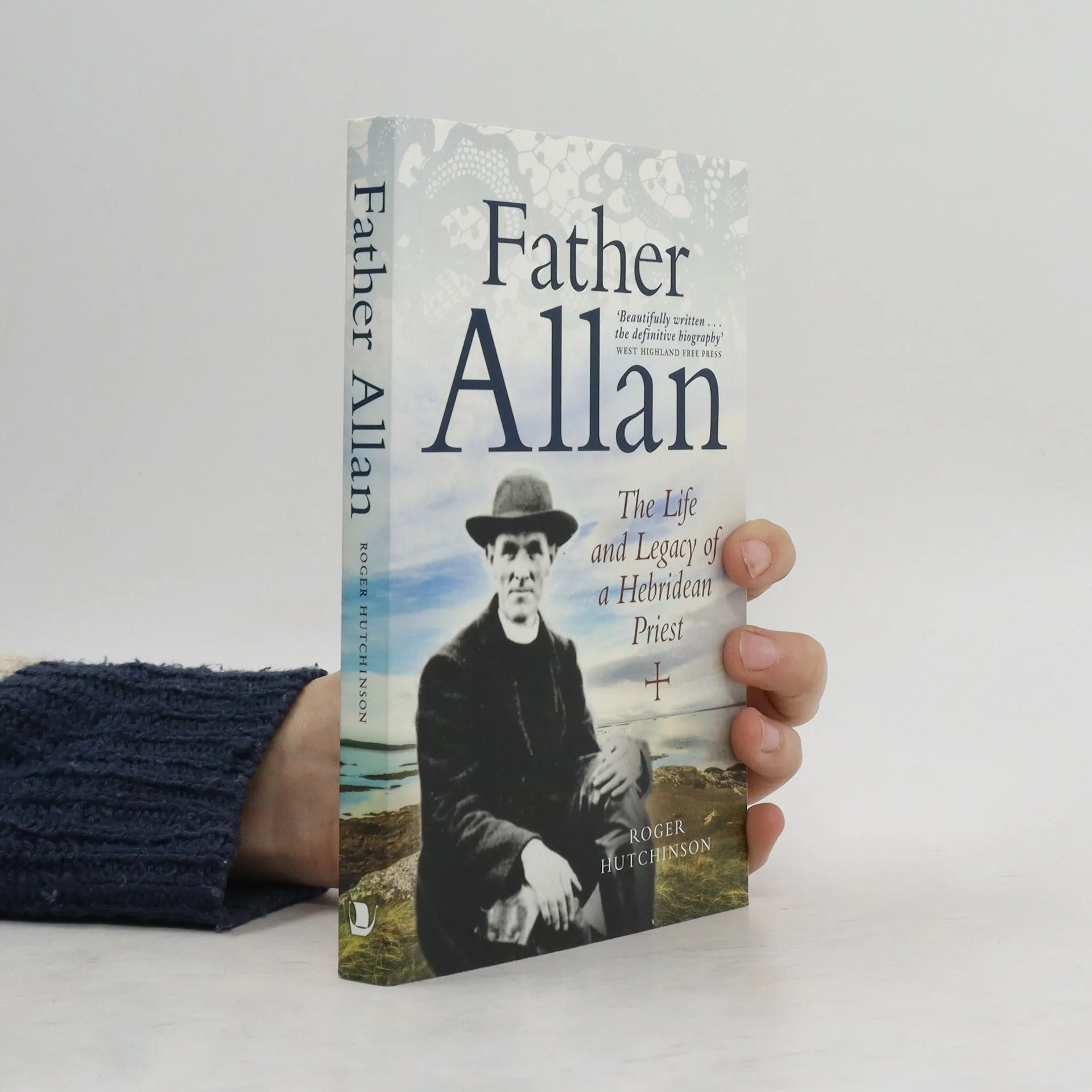
Father Allan
- 224 Seiten
- 8 Lesestunden
Biography of the most intriguing and celebrated of Highland priests
From 1918 to the modern day, Roger Hutchinson tells the story of the Stornoway Trust, and of the people who guided their pioneering estate into the relative security and prosperity of the 21st century. In doing so he paints a vivid portrait of a unique landholding experiment, of Highland land struggle and of the island of Lewis itself.