Bön
- 200 Seiten
- 7 Lesestunden



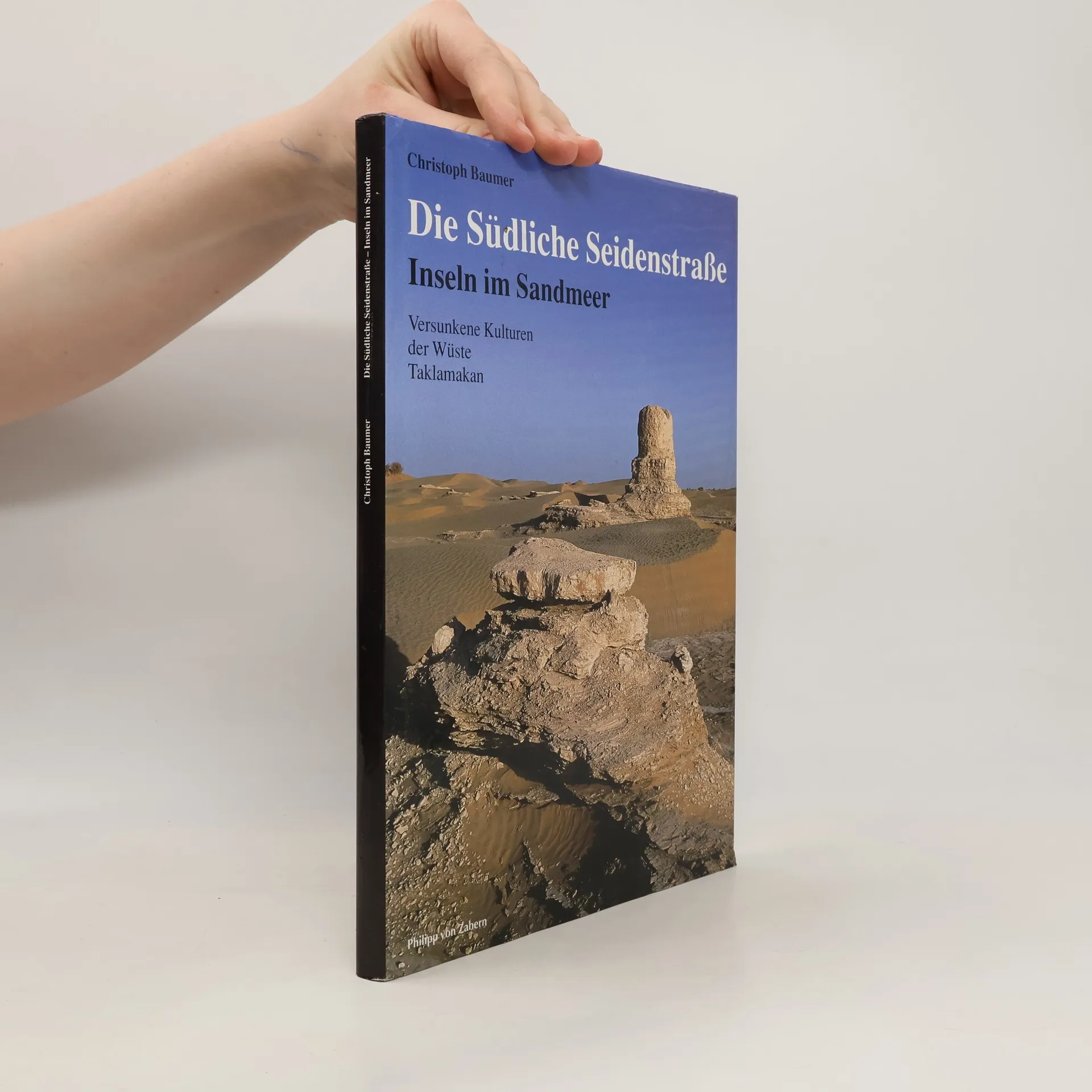

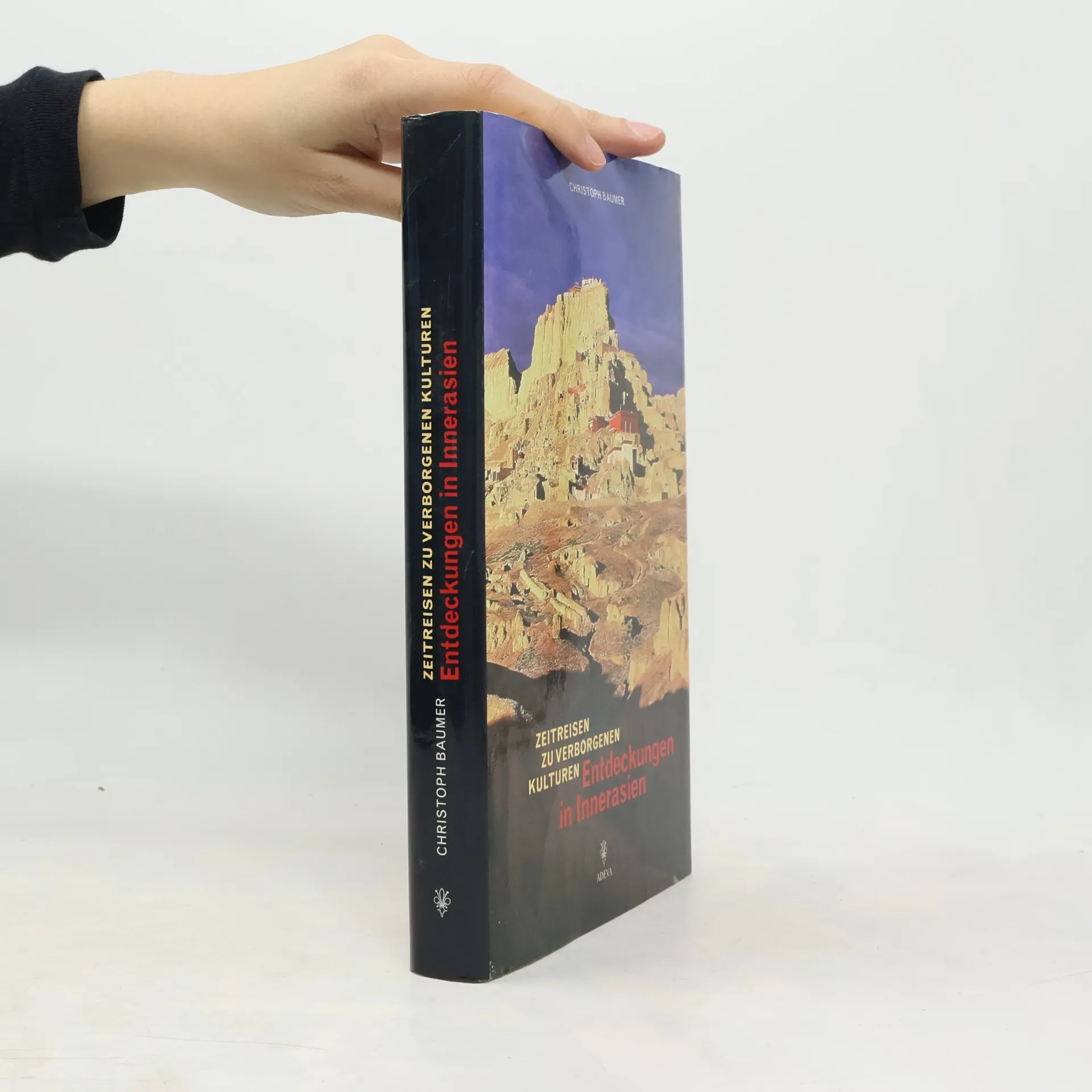
Seit über fünf Jahrtausenden treffen und vermischen sich Völker und Kulturen aus Ost und West in Innerasien, dessen Geschichte von ständigen Veränderungen geprägt ist. Für Entdecker ist diese Region ein gelobtes Land mit unerforschten Gebieten, vergessenen Ruinen, archäologischen Schätzen und geheimnisvollen Landschaften. Der Autor, Baumer, hat über Jahrzehnte die Länder Innerasiens bereist, um verborgene Spuren ihrer Geschichte zu entdecken. In seinen Erkundungen führt er zu den verschollenen Ruinenstädten der Taklamakan-Wüste, den Steppen der Westmongolei mit ihren geheimnisvollen indoeuropäischen Zeugnissen und zu unbekannten kunsthistorischen Schätzen Tibets. Er untersucht die vorbuddhistische Religion Tibets, den Bön, sowie das Erbe der frühchristlichen Nestorianer. Baumer beteiligt sich an der Suche nach dem unbekannten Grab von Dschingis Khan und erlebt dabei zahlreiche Abenteuer mit Schamanen, Äbten, Banditen und korrupten Polizisten. Diese Reisen enthüllen die unbekannten Aspekte Innerasiens, die nicht nur im Sand der Zeit verloren gegangen sind, sondern auch aus unserem Gedächtnis entschwunden sind.
Christoph Baumer ist einer der wenigen Westler, die viele der wichtigsten assyrischen Stätten besucht haben, und hat die einzige umfassende Geschichte der "nestorianischen" (oder apostolischen assyrischen) Kirche verfasst, die in ihrem Herkunftsland Irak um das Überleben kämpft. Er verfolgt ihre apostolischen Anfänge bis zur Gegenwart und diskutiert die Theologie, Christologie und die einzigartig lebendige Spiritualität der Kirche. Er analysiert die turbulente Beziehung der Kirche zu anderen christlichen Kirchen und ihren Dialog mit benachbarten Weltreligionen wie dem Zoroastrismus, Manichäismus, Islam, Buddhismus und Taoismus. Das Buch ist reich illustriert mit Karten und über 150 farbigen Fotografien und wird eine essentielle Lektüre für diejenigen sein, die an einer faszinierenden, aber vernachlässigten christlichen Gemeinschaft interessiert sind, die die Geschichte der Zivilisation im Osten und Westen tiefgreifend geprägt hat.
The Age of Islam and the Mongols
The narrative delves into Central Asia's pivotal role as a political and cultural hub from the ninth to the fifteenth centuries, highlighting the rise of Islam and the establishment of influential dynasties like the Seljuks and Ghaznavids. It examines the impact of Genghiz Khan's conquests between 1219 and 1260, which, despite their brutality, fostered increased trade and cultural exchange between Central Asia and Western Europe, marking a transformative period in global history. The volume is richly illustrated, enhancing its historical exploration.
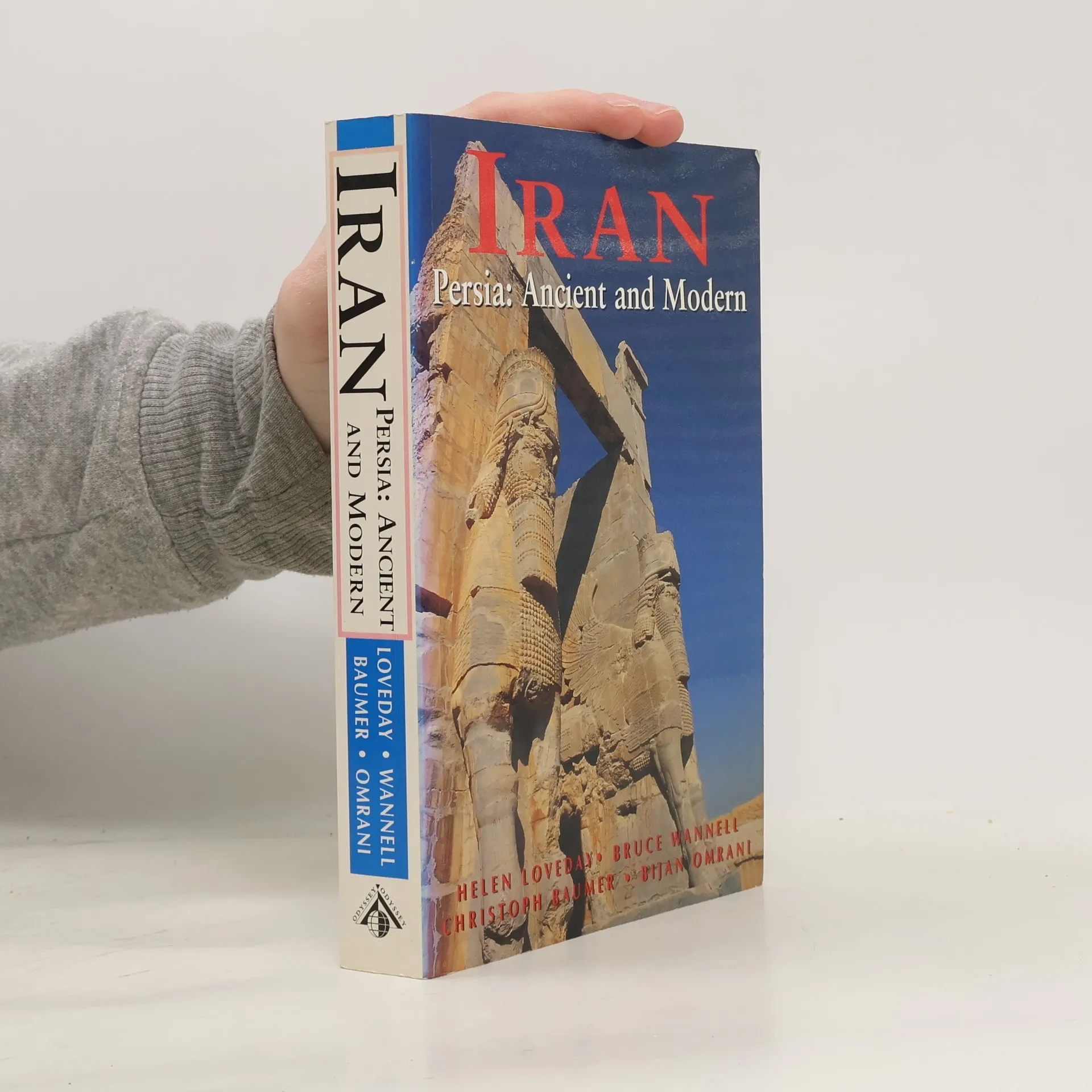
For more than three millennia Iran, or Persia as it was formerly known, was a melting pot of civilizations. Under Cyrus the Great, Persia was the center of the world's first empire, which stretched from the Mediterranean to modern-day Pakistan. Subsequent
The book delves into the transformative impact of the Silk Roads from around 200 BC to 900 AD, highlighting the extensive trade networks established by the Han dynasty. It examines the exchange of goods, cultures, and ideas that connected Europe, the Mediterranean, and Asia, facilitating the spread of major religions like Christianity, Buddhism, and Islam. The narrative covers significant historical events, including the rivalry between Rome and Parthia, the rise of the Sogdian empire, and the Battle of Talas, all enriched with illustrations that enhance the historical context.
Focusing on the geography of Central Asia, this volume delves into the region's rich history spanning 3000 years, highlighting significant migrations and transformative events. It explores the narratives of various groups, including Scythians, Sarmatians, and conquerors like Alexander the Great and Chinghiz Khan. The author's engaging prose is enhanced by personal photographs, offering a vivid portrayal of the landscapes and cultures. Dr. Baumer, a noted expert, captures the complexity and grandeur of this historically significant area.
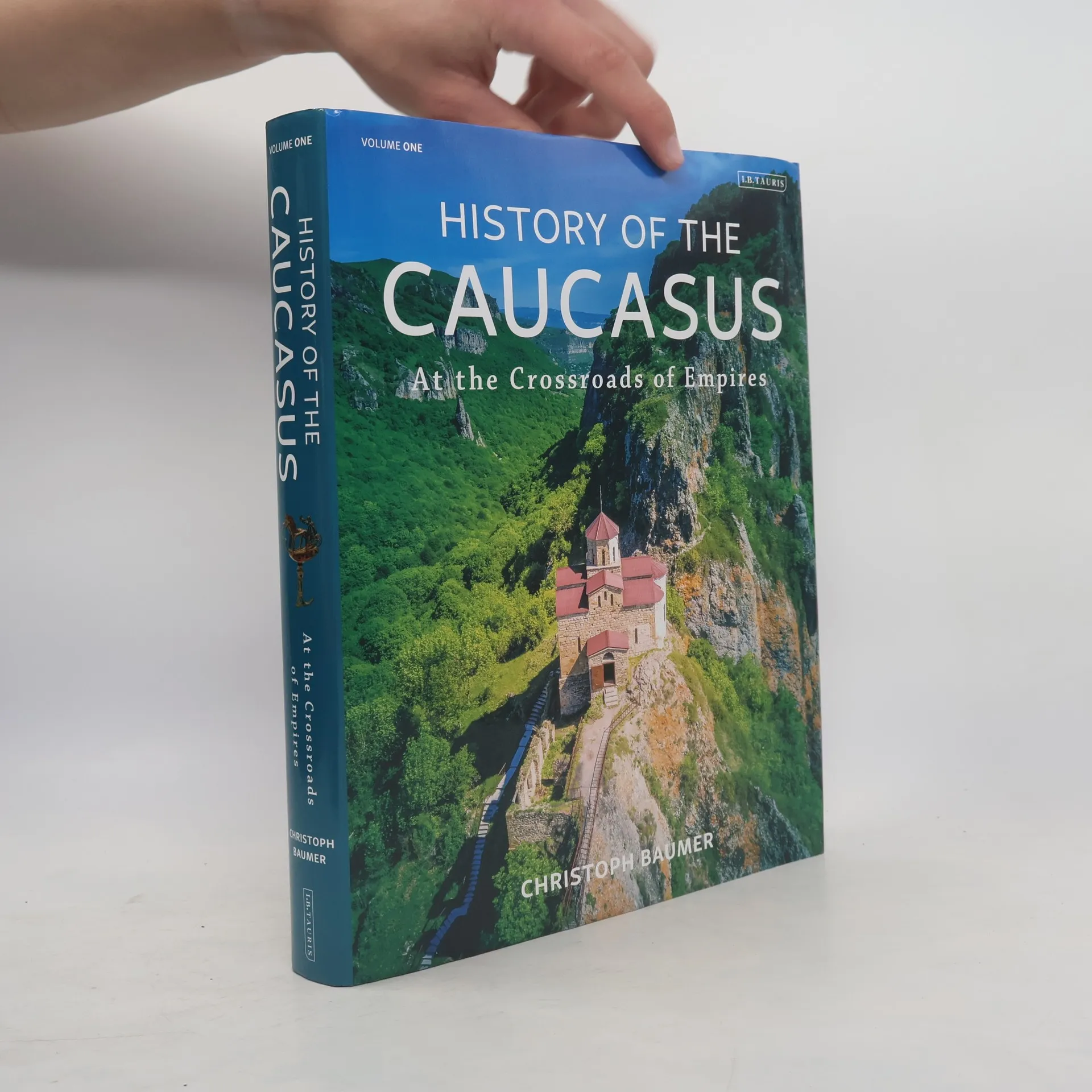
A landscape of high mountains and narrow valleys stretching from the Black to the Caspian Seas, the Caucasus region has been home to human populations for nearly 2 million years. In this richly illustrated 2-volume series, historian and explorer Christoph Baumer tells the story of the region's history through to the present day. It is a story of encounters between many different peoples, from Scythians, Turkic and Mongol peoples of the East to Greeks and Romans from the West, from Indo-European tribes from the West as well as the East, and to Arabs and Iranians from the South. It is a story of rival claims by Empires and nations and of how the region has become home to more than 50 languages that can be heard within its borders to this very day. This first volume charts the period from the emergence of the earliest human populations in the region - the first known human populations outside Africa - to the Seljuk conquests of 1050AD. Along the way the book charts the development of Neolithic, Iron and Bronze Age cultures, the first recognizable Caucasian state and the arrival of a succession of the great transnational Empires, from the Greeks, the Romans and the Armenian to competing Christian and Muslim conquerors. The History of the Caucasus: Volume 1 also includes more than 200 full colour images and maps bringing the changing cultures of these lands vividly to life
For the first time a comprehensive presentation of the development of urban cultures in Central Asia from the Early Bronze Age (around 3000 BC) to the Middle Ages (about 1200 AD) is exemplarily illuminated in this book on the basis of individual research projects. The treated area extends from Turkmenistan to Mongolia and was home to cultures such as the Bronze Age Bactria-Margiana Archaeological Complex (BMAC), the Sogdian of the Iron Age, the early Parthian or various early medieval ones, namely in the Zhetysu (“Seven Stream country”) in the southeast of Kazakhstan. The urban civilizations that developed here were closely interrelated, on the one hand, with the cultures of the nomadic ranchers who traversed and inhabited this vast region and, on the other hand, with the more developed neighboring civilizations of the Near East and the Far East. Thus, the region became a diverse exchange zone of cultural and religious influences and also played a major role in the transmission of cultural impulses. The richly illustrated book reflects the contributions of a conference that took place in Bern in 2016 and includes 28 contributions from 50 researchers from 14 countries. The results of many of the excavations presented here will be published in English for the first time. Each article is accompanied by an extensive bibliography and a Russian abstract.
Petroglyphs From Eurasia, Arabia And Northern Africa