Sabine Folie Reihenfolge der Bücher (Chronologisch)
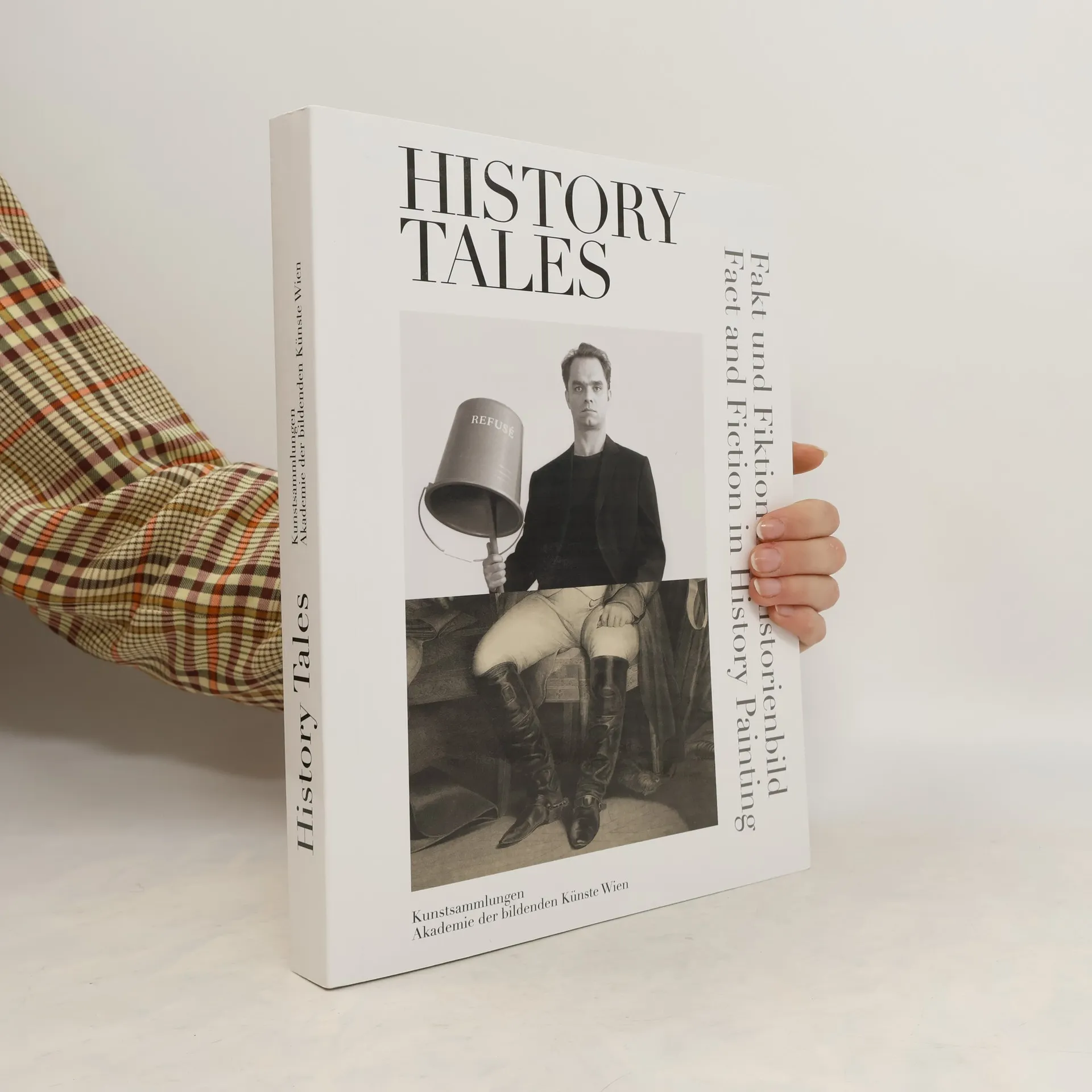

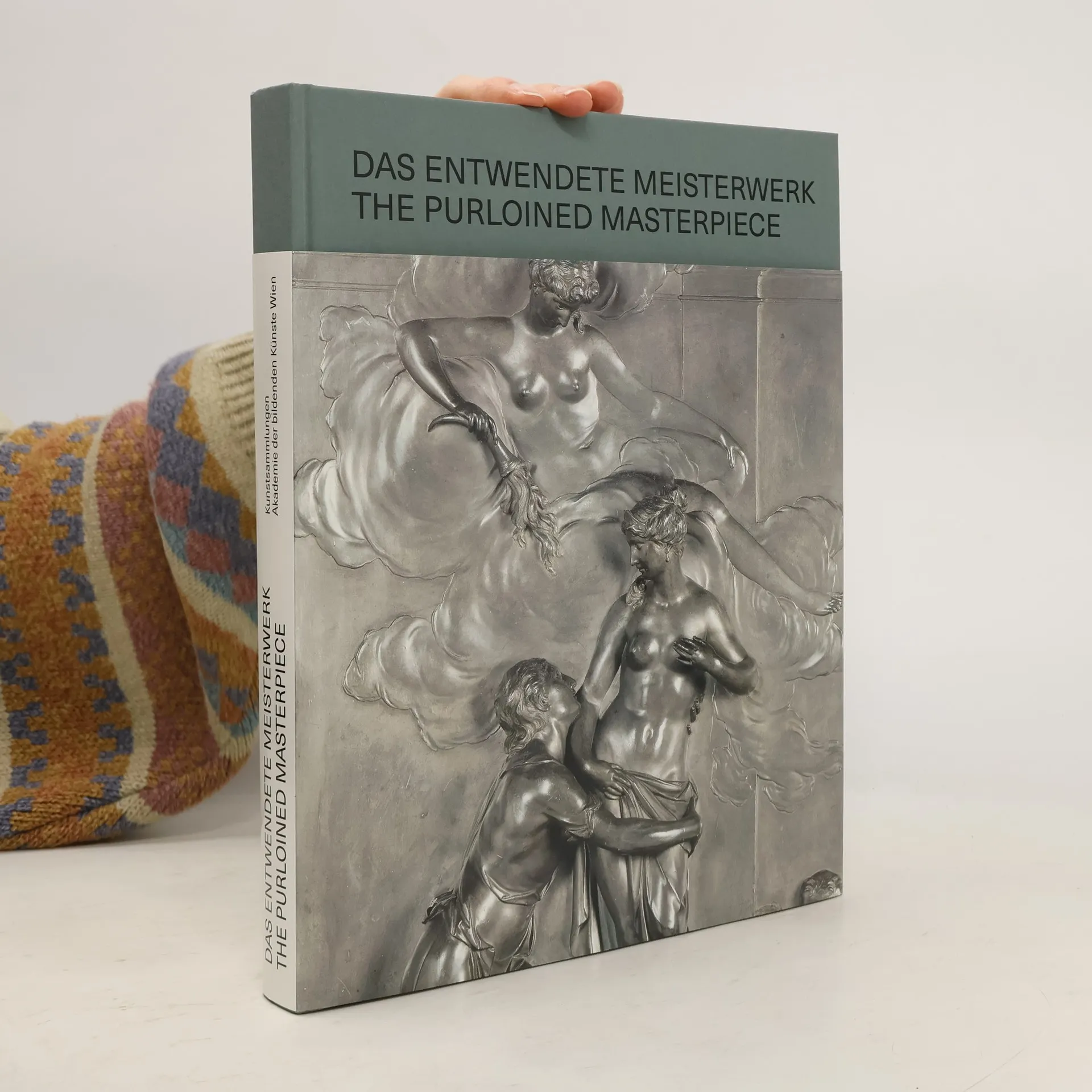
Das entwendete Meisterwerk / The Purloined Masterpiece
Gemäldegalerie der Akademie der bildenden Künste Wien
The catalogue is published on occasion of the exhibition 'The Purloined Masterpiece. Images as Time Machines' at the Paintings Gallery of the Academy of Fine Arts Vienna.The exhibition contrasts the common practice of the permanent collection with a transhistorical model that allows the Academy's historical art collections - Gemäldegalerie, Kupferstichkabinett, and Glyptothek - to enter into conversation with contemporary works.Drawing on the richness of the collections, the exhibition picks out a selection of the many possible pictorial programs, typologies, and allegorical formulas that the collections provide to loosely interweave with other works from other periods.In-depth essays on the themes of the ship/the sea, the trompe l'oeil, visual cognition from 1500 to 1700, the frame, and subject constitutions in the context of social and technological changes over the centuries and their reflection in the pictorial image are interwoven with impressive exhibition views.English and German text.Published on occasion of the exhibition 'The Purloined Masterpiece. Images as Time Machines', 8 Apr 2022 -29 Jan 2023, Paintings Gallery of the Academy of Fine Arts Vienna.
Valie Export. Archive Matters. Dokumente lesen und zeigen. To read and to show documents
- 436 Seiten
- 16 Lesestunden
Anna Fliri, Christa Blümlinger, Diana Bulzan, Madeleine Freund, Sabine Folie
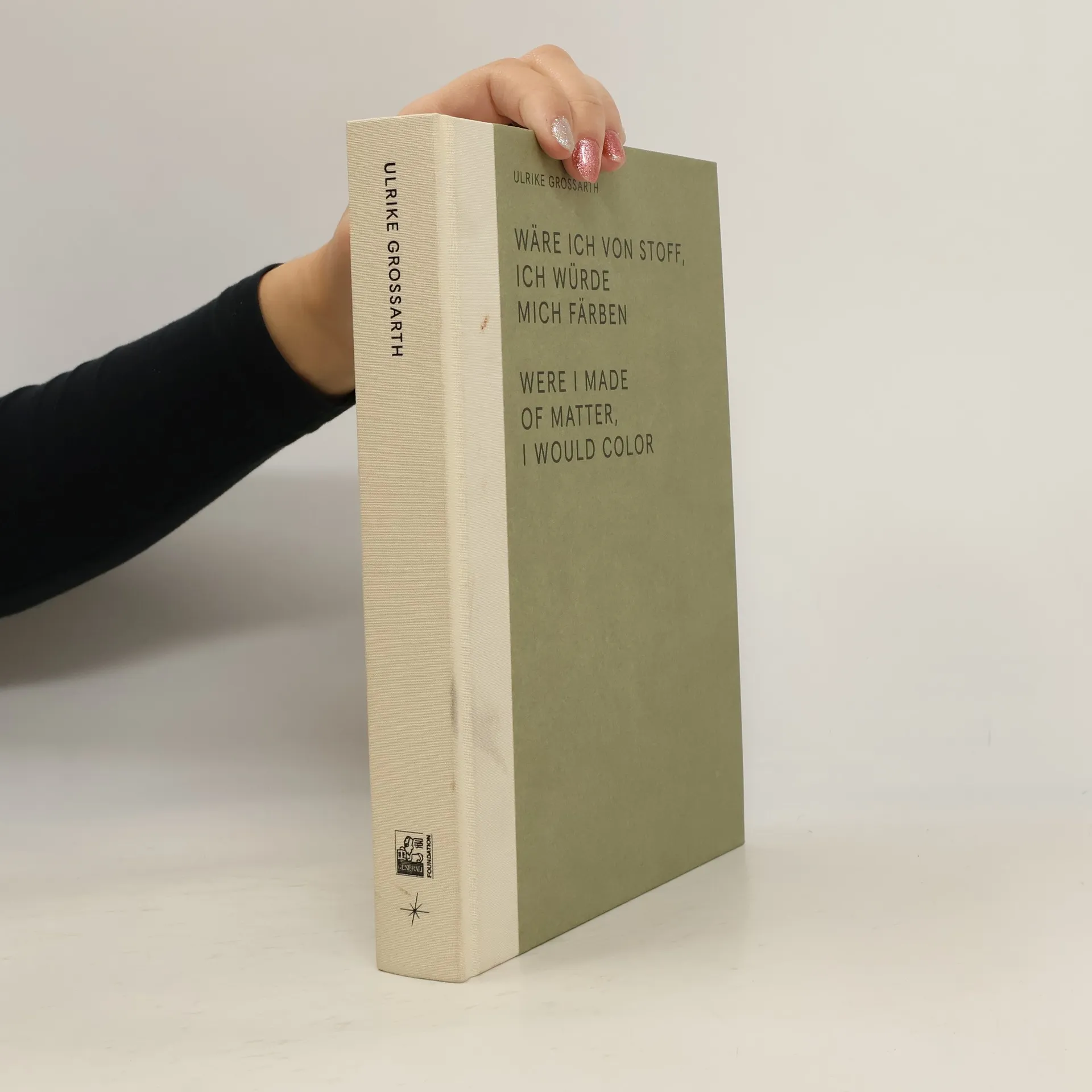
Ulrike Grossarth
Wäre ich von Stoff, ich würde mich färben. Were I Made of Matter, I Would Color
- 354 Seiten
- 13 Lesestunden
This book is published on occasion of Ulrike Grossarth's eponymous retrospective at the Generali Foundation in Vienna. Both the book and the exhibition trace the evolution of Gossarth's practice, with a particular emphasis on her training as a dancer in the 1970s, to draw connections between the early years with her sculptural settings and actions and her most recent work, which engages with history more generally. In her contributing essay, Ulrike Gossarth states that the title—Were I Made of Matter, I Would Color—is a counter-model to the fundamental Descartian formula “I think therefore I am,” a position which exists between consciousness and disembodiment, in a state of incompleteness. Rainer Borgemeister discusses the artist's actions from 1978 to 1987, which were preceded by her critical engagement with modern dance. Further contributions from Mieke Bal, Michael Glasmeier, and Elliot R. Wolfson discuss Grossarth's practice in relation to history, the body, and polymorphism. Copublished with the Generali Foundation, Vienna Contributors Mieke Bal, Rainer Borgemeister, Sabine Folie, Michael Glasmeier, Ulrike Grossarth, Dietrich Karner, Elliot R. Wolfson
Dieser umfassende Reader reflektiert in unterschiedlichsten Sichtweisen das Wesen der Konzeptkunst, ihre heutige Stellung und ihr Sammeln und Ausstellen. Zwölf Kuratoren und Theoretiker beschäftigen sich in dem Band mit Vergangenheit, Gegenwart und Zukunft von Konzeptkunst und Institutionenkritik, die sich einerseits in einem „Moment der Historisierung“ befindet, aber anderseits gleichzeitig auch vom institutionellen Mainstream aufgesogen wird.
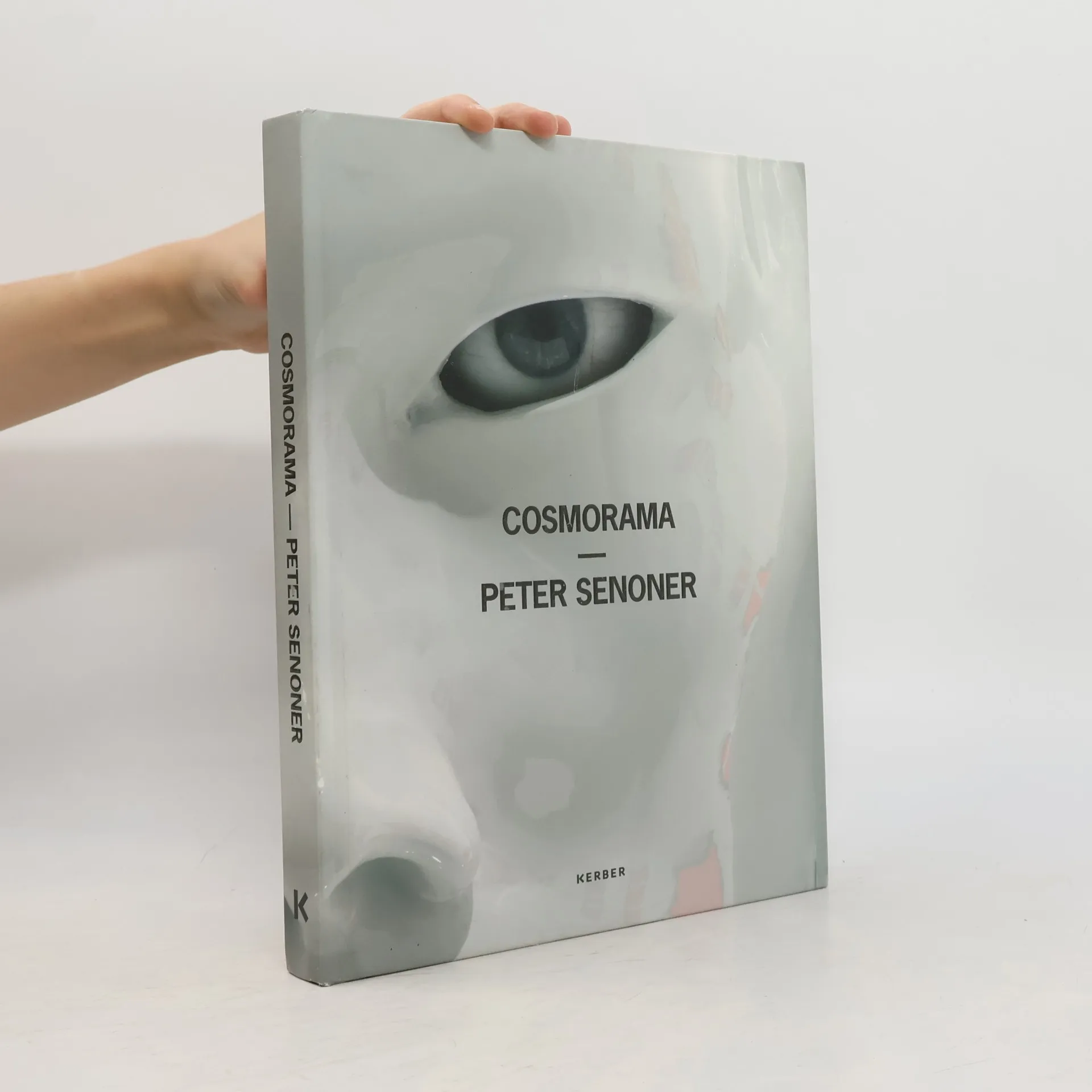
Using classical sculptural techniques, Peter Senoner (born 1969) has factured a small population of alien beings realized in various materials, whose heads and/or feet are swollen as though with some unspecified advanced evolutionary purpose. This volume looks at Senoner's work of the past ten years--his "cosmorama."
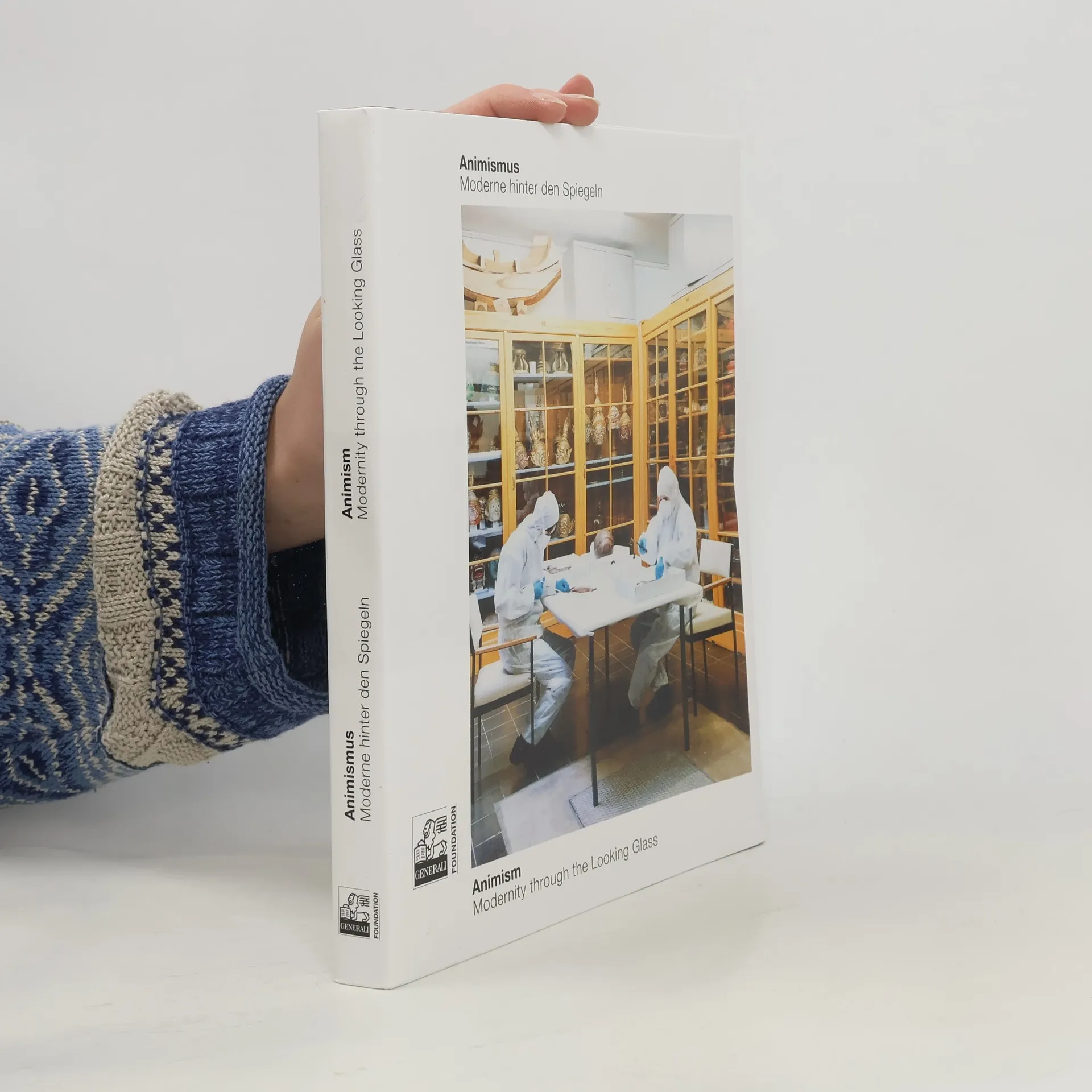
This volume takes its cue from the ethnological concept of animism, a term for religions that view objects as having souls of their own. Animism emerged as an anthropological category in the nineteenth century, often occurring as a folk belief underlying more established religions, particularly in Africa and Southeast Asia. The term has proved also influential in psychoanalysis, where it denotes mental states in which no division is made between inner and outer realities. This volume brings together artworks, documents and artifacts to create an essayistic appraisal of works by such artists and filmmakers as Didier Demorcy, Walt Disney, Jimmie Durham, Eric Duvivier, Henri Michaux, Thomas Alva Edison, Candida Hofer, Luis Jacob, Ken Jacobs, Yayoi Kusama, Len Lye, Chris Marker, Alain Resnais, Daria Martin, Ana Mendieta, Hans Richter and others.
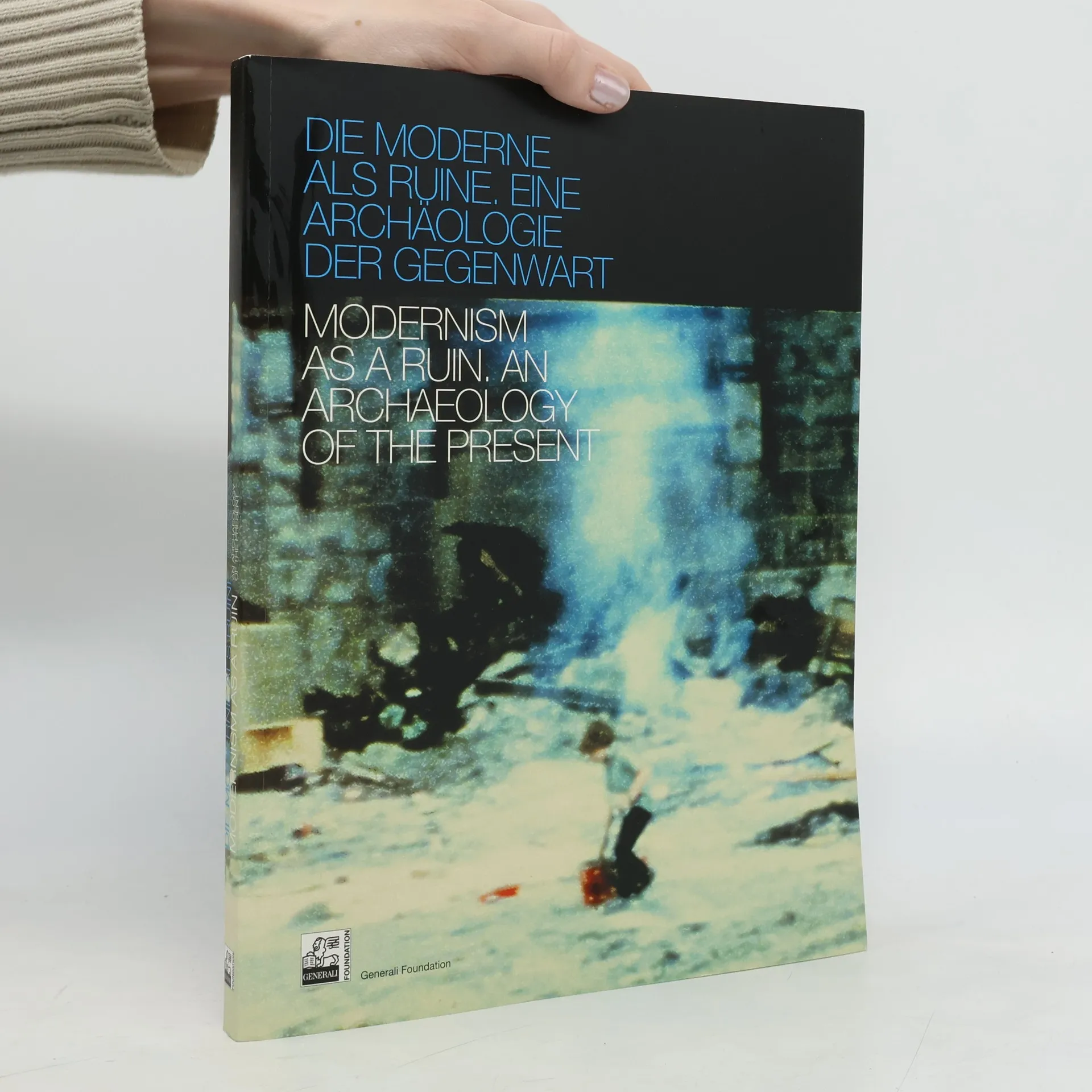
Die Moderne als Ruine
eine Archäologie der Gegenwart = Modernism as a ruin : an archaeology of the present
- 219 Seiten
- 8 Lesestunden
Summary: The exhibition sets its sights on modernity's design for a more humane and contemporary society since the early twentieth century: a design for new forms of living and new cityscapes. What happened to this utopia? The architecture and design concepts by the artists represented in the exhibition contemplate "models" of utopian, pure design in their state of deterioration. Sometimes preserving moments of the crystalline, they are riddled with decay, entropy, ruin, and "rust" (Smithson), yet find nourishment from the idea of the bricolage, the implementation "of that which is there", from the concept of recycling, so to speak. With that, they formulate final day stages, testing survival on the remnants of a demised civilization. These remnants are the final resources. On the other hand, these approaches thus take up a practically utopian thought of "sustainability", the idea of a better society, born of the spirit of dystopia. Exhibition: Generali Foundation, Vienna, 19 June - 20 September 2009.
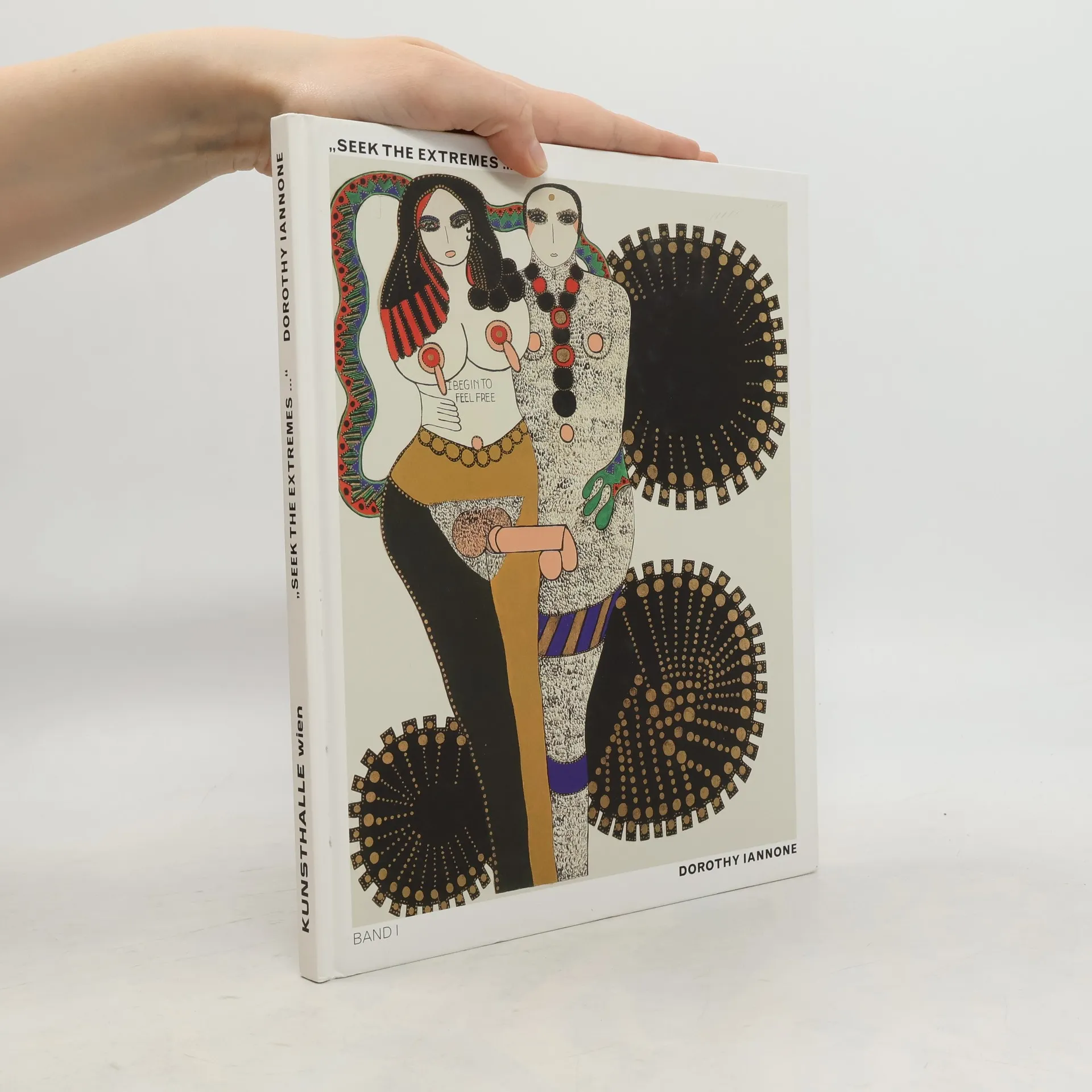
"Seek the extremes ..." - Lee Lozano
Dorothy Iannone (Volume / Band 1) ; Lee Lozano (Volume / Band 2)
- 112 Seiten
- 4 Lesestunden
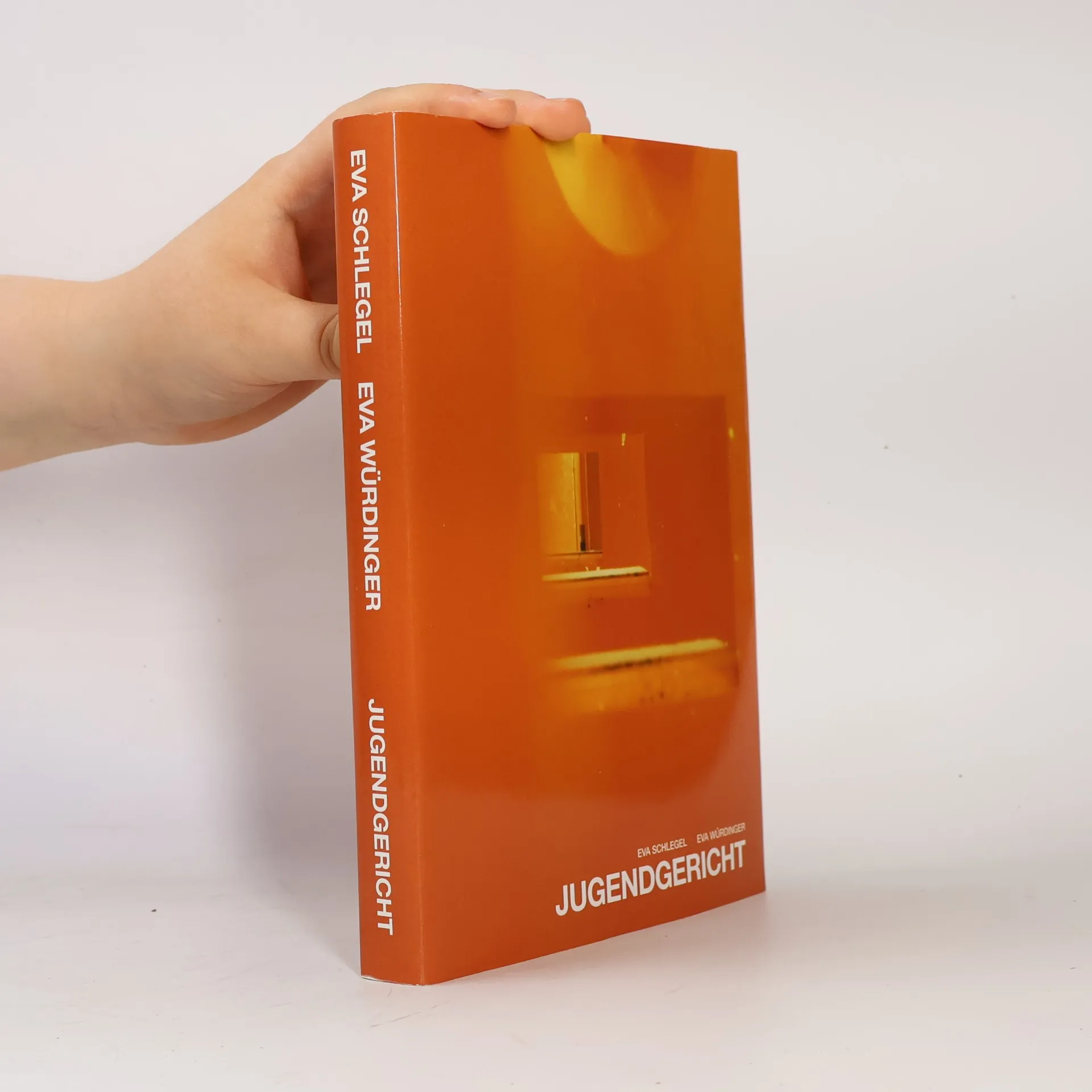
Jugendgericht
- 182 Seiten
- 7 Lesestunden
Im Jahr 2003 wurde der Wiener Jugendgerichtshof nach acht Jahrzehnten trotz heftiger Proteste geschlossen. Die Institution ging in anderen Institutionen der Justiz auf, die jugendlichen Häftlinge wurden übersiedelt, das Gebäude im Dritten Wiener Gemeindebezirk wurde ausgeräumt und stand drei Jahre leer. Dieses Haus, seine Verhandlungssäle, vor allem aber seine „Zellen“ und die darin unversehrt erhaltenen zahllosen Inschriften und Graffiti sind Thema dieses Buches: Eva Schlegel und Eva Würdinger dokumentieren mit ihren Fotografien das Haus, wie es heute noch steht, und vergegenwärtigen eine spezielle Jugendgefängniswelt, die aus dem Bewusstsein der Öffentlichkeit ausgeblendet bleibt.
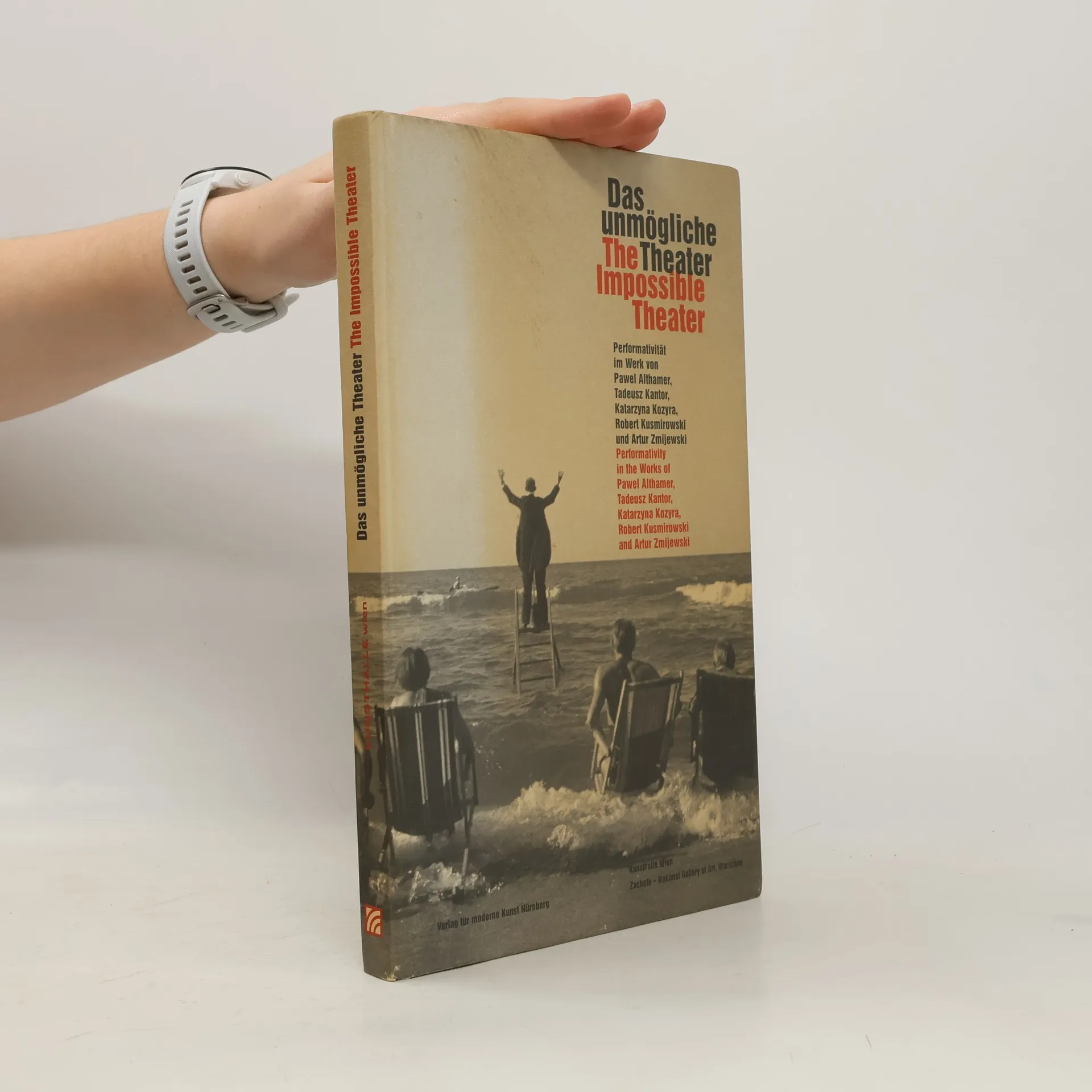
The Impossible Theater
Performativity in the Works of Pawel Althamer, Tadeusz Kantor, Katarzyna Kozyra, Robert Kusmirowski and Artur Zmijewski
- 152 Seiten
- 6 Lesestunden
Tadeusz Kantor, who lived from 1915 to1990, was one of Poland's most important he painted, created, directed, mounted happenings and founded a key independent theater in Krakow. Along with his own works on paper, objects, photographs and films, The Impossible Theater brings us his descendents, artists of the younger generation, represented by installations, performances and projects. Like Kantor, they cast themselves in roles that call for mediation in the social world.
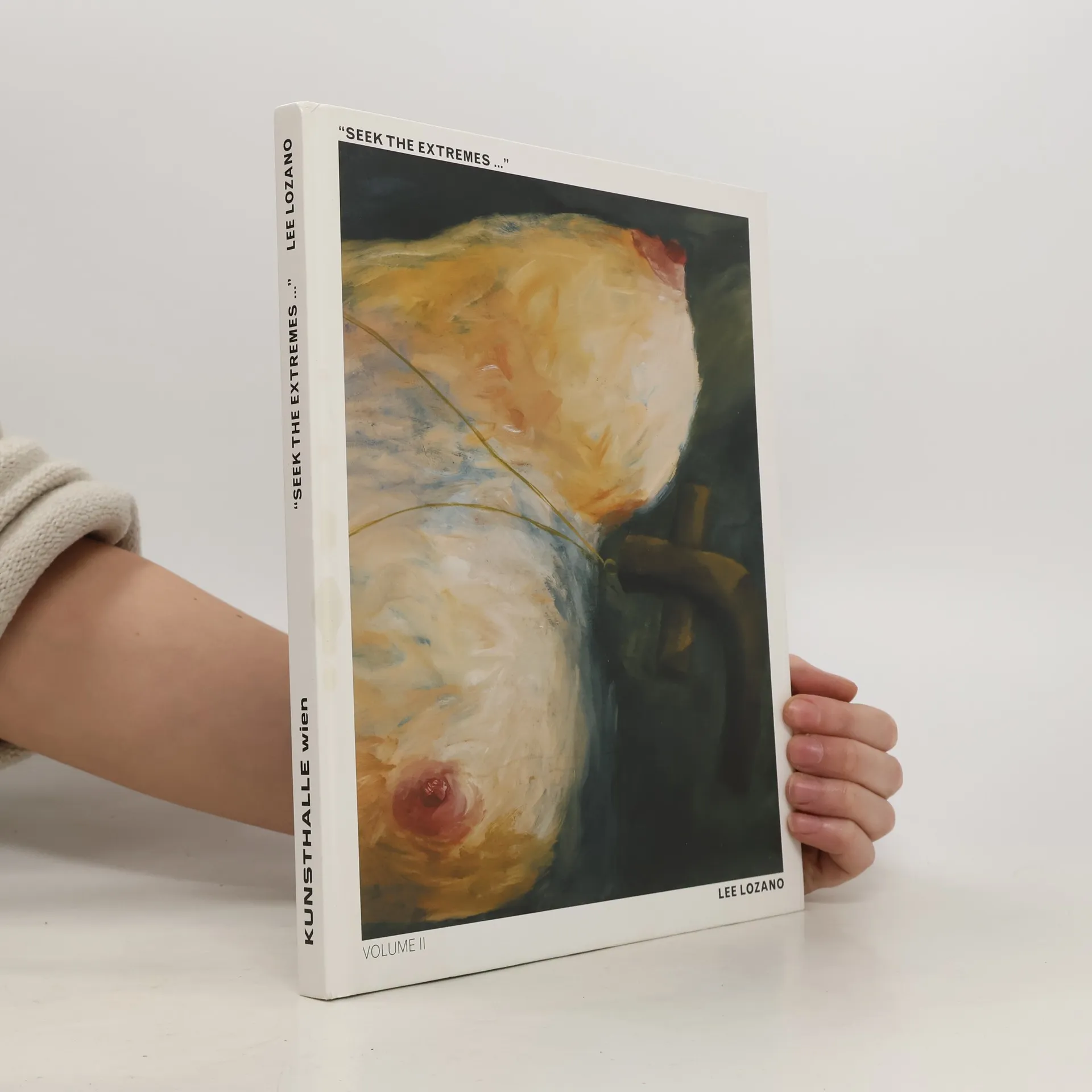
"Seek the extremes ..." - Lee Lozano
- 80 Seiten
- 3 Lesestunden
The exhibition at Kunsthalle Wien focuses on the work of two women who resisted all attempts at appropriation - even by feminist theory. Both artists, each using her own means, developed an aesthetic of vehement self-exposure, which occasionally offended their contemporaries.
"Seek the extremes ..." - Dorothy Iannone
- 80 Seiten
- 3 Lesestunden
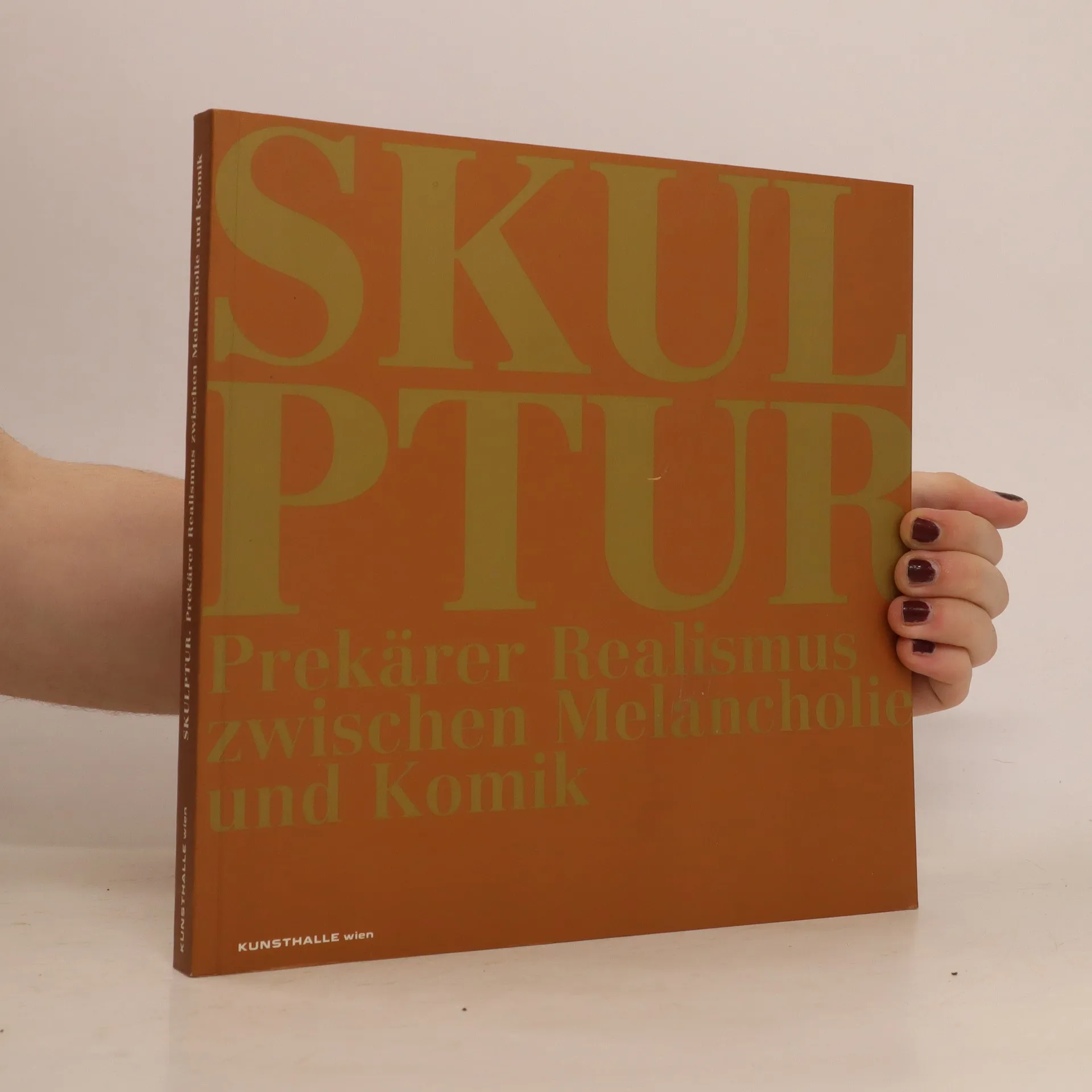
Skulptur
- 206 Seiten
- 8 Lesestunden
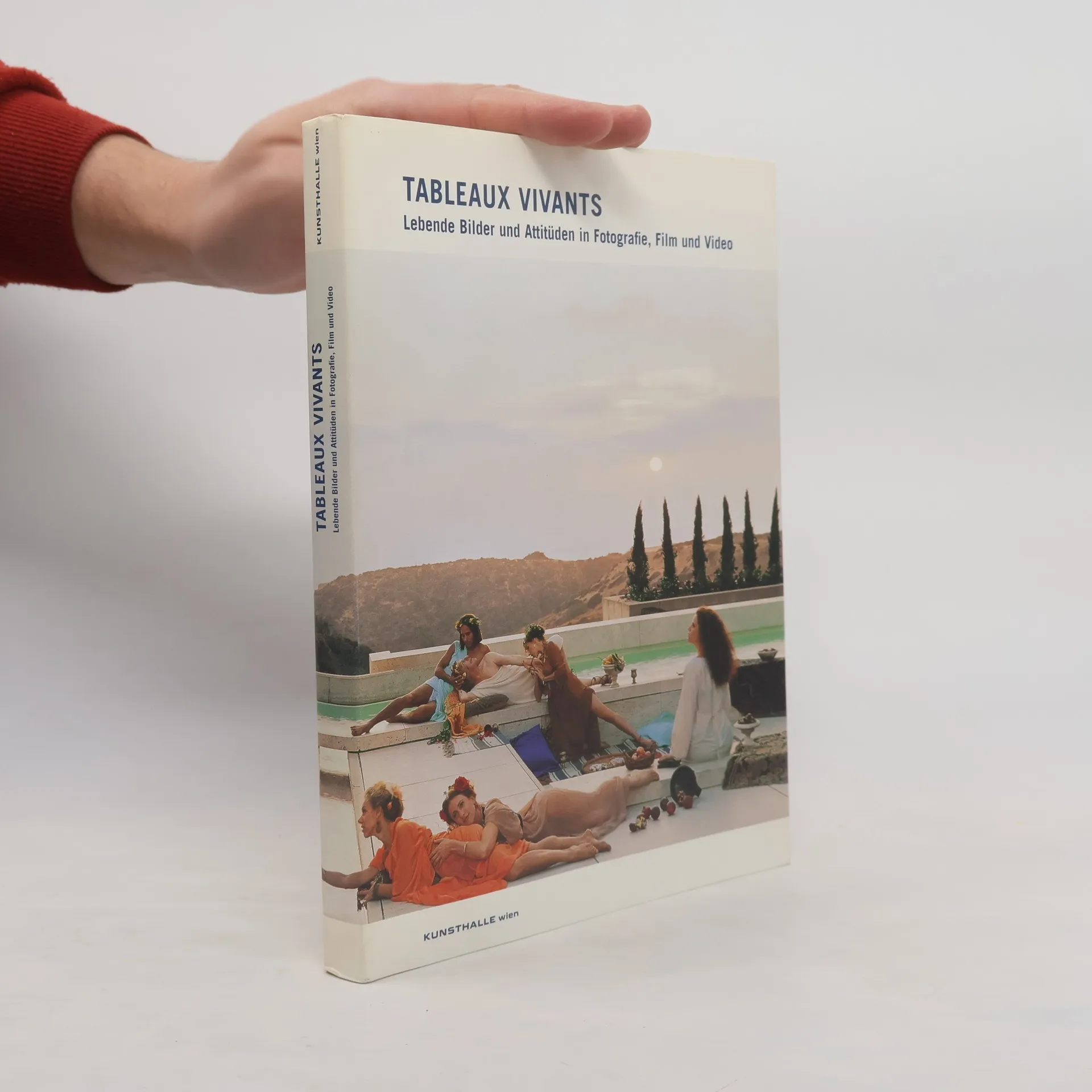
Tableaux vivants
- 239 Seiten
- 9 Lesestunden
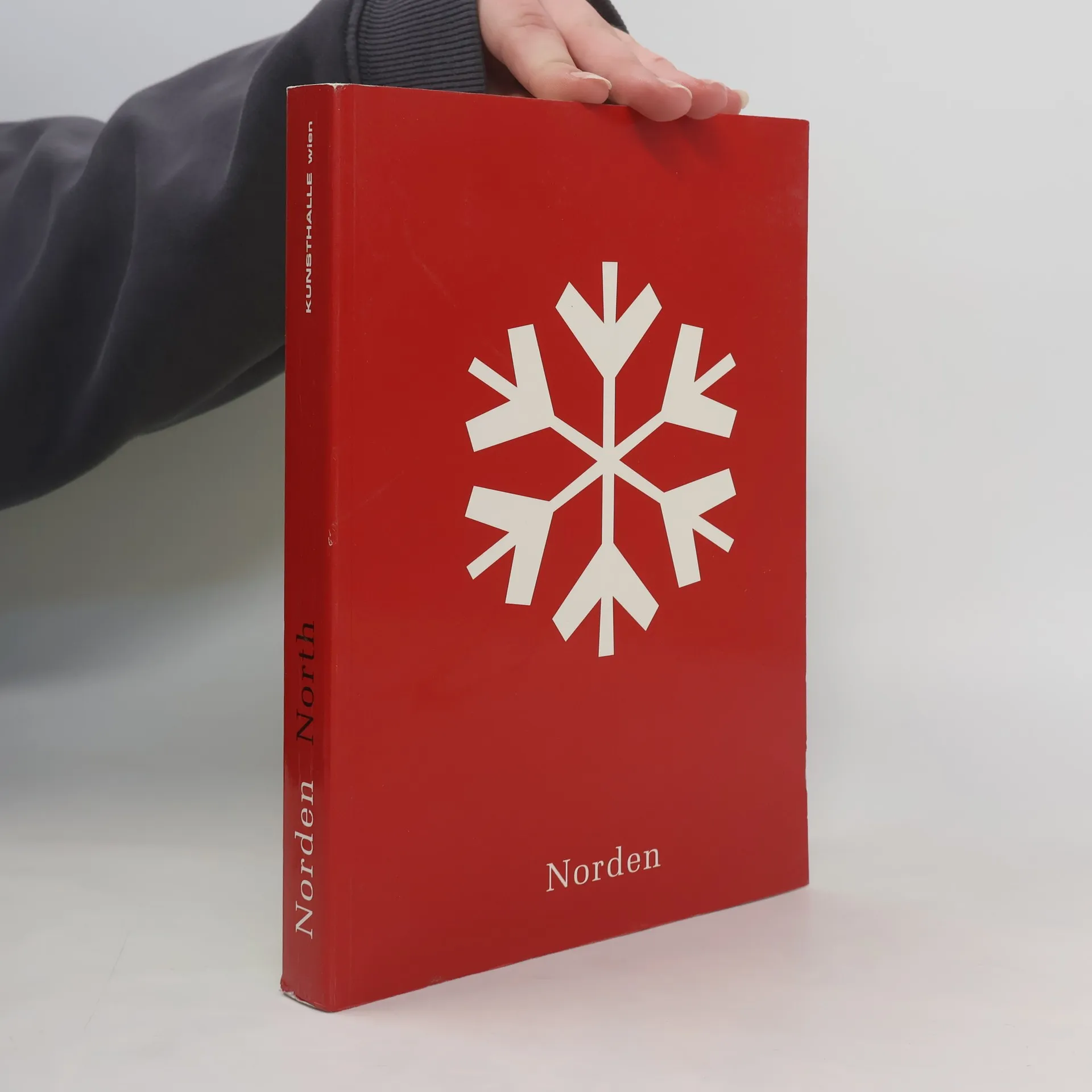
Norden
- 351 Seiten
- 13 Lesestunden
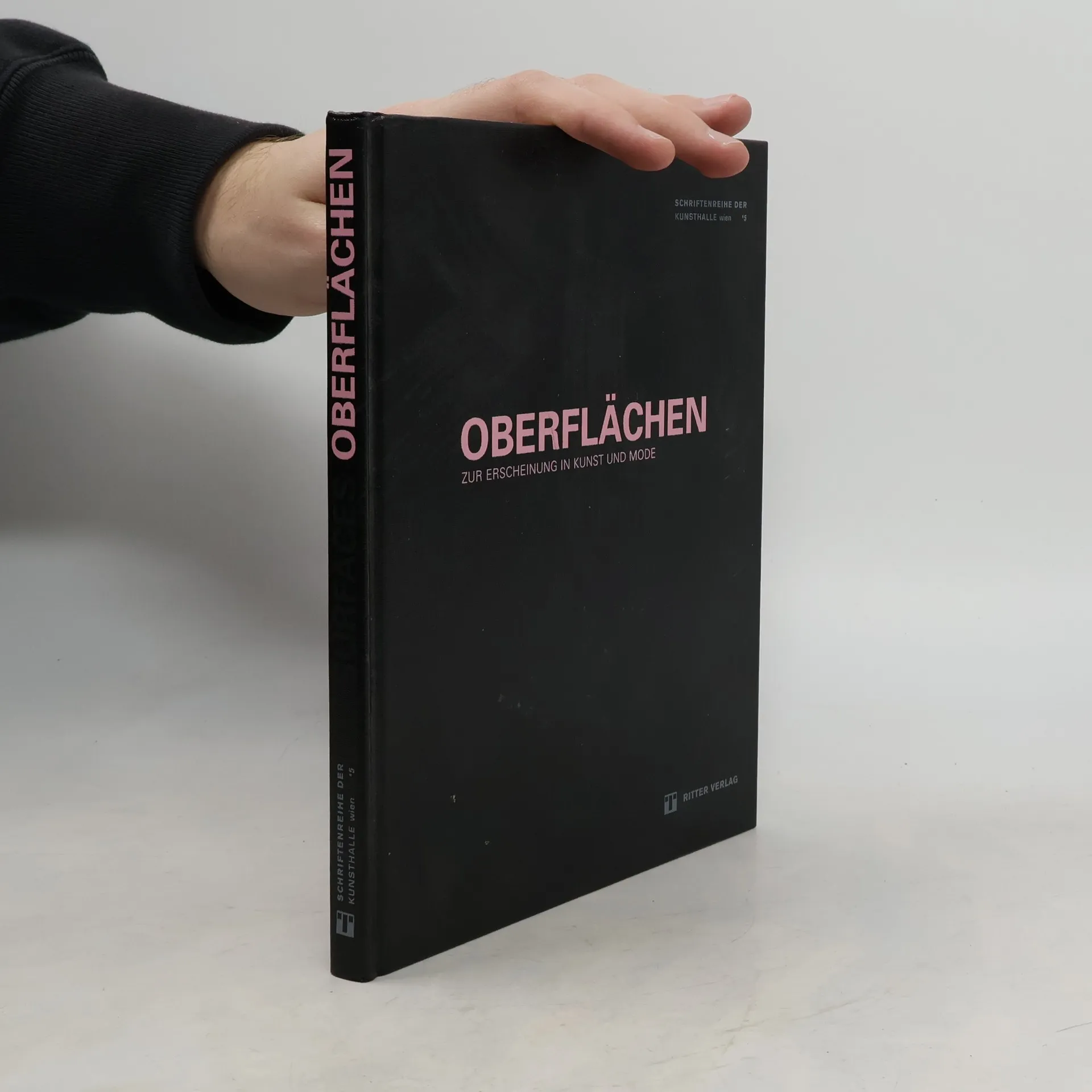
Oberflächen
zur Erscheinung in Kunst und Mode
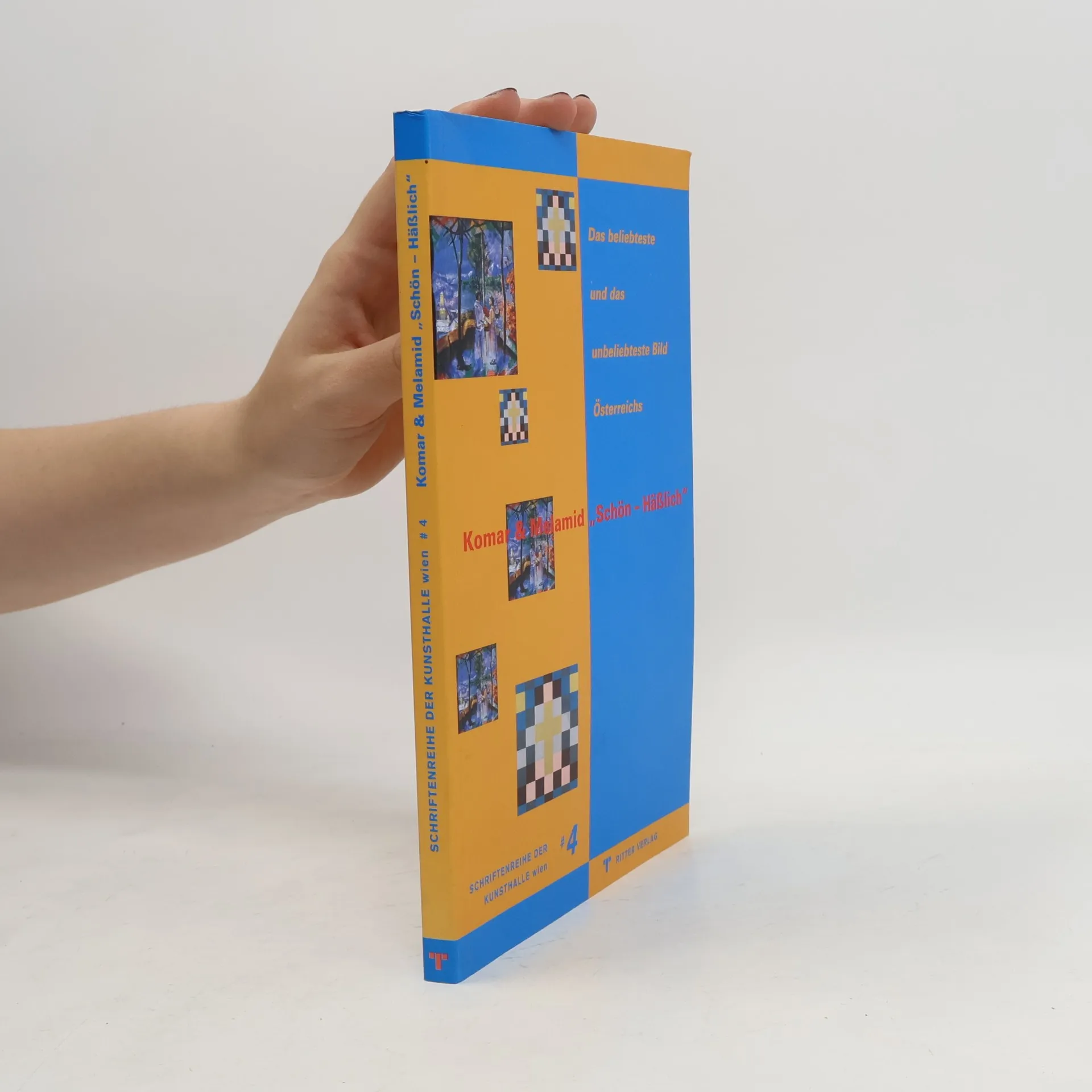
Komar & Melamid "Schön - häßlich"
das beliebteste und das unbeliebteste Bild Österreichs ; [Ausstellung, Kunsthalle Wien, 22. 9. - 1. 11. 1998]
- 119 Seiten
- 5 Lesestunden
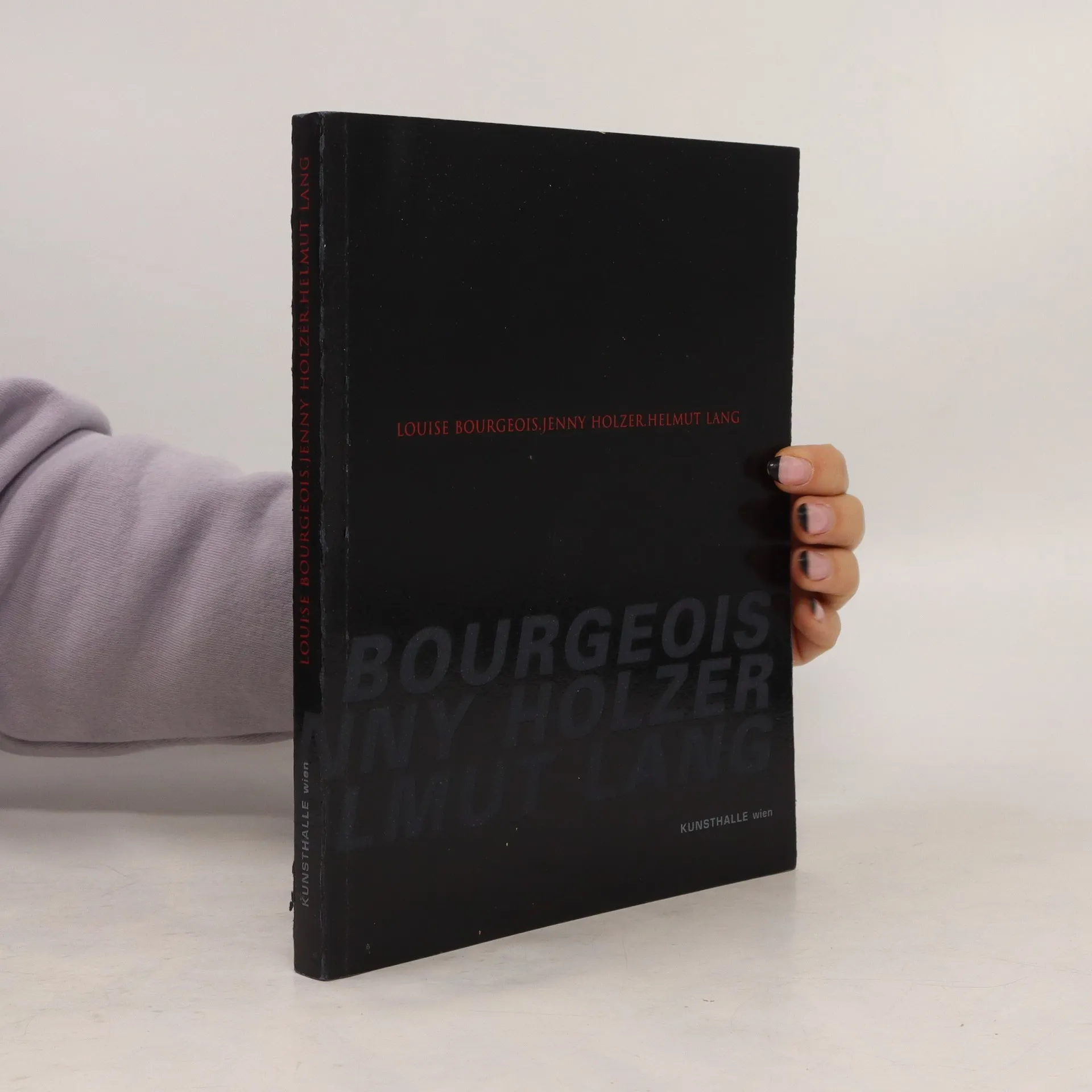
Louise Bourgeois, Jenny Holzer, Helmut Lang
- 124 Seiten
- 5 Lesestunden