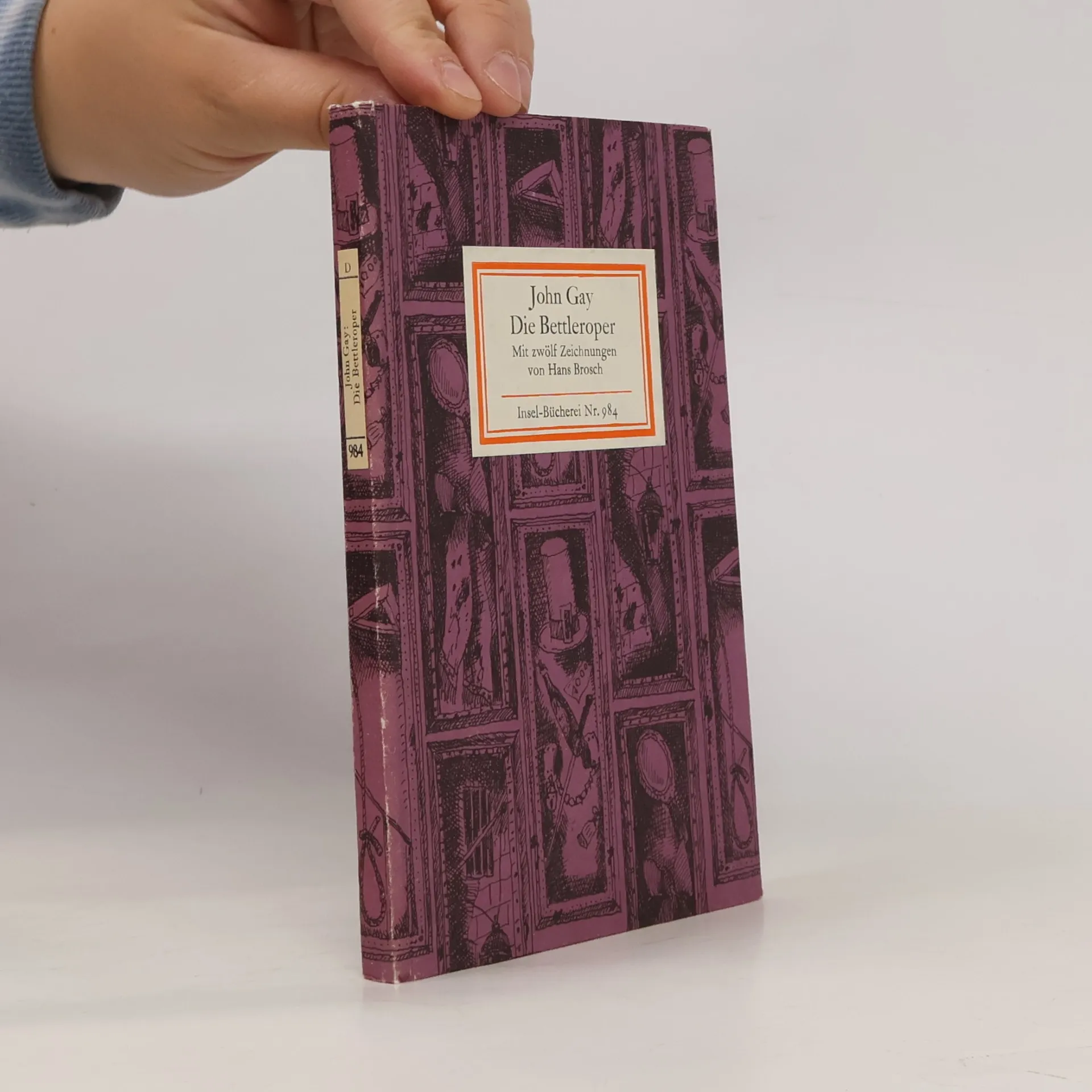
John Gay Bücher
John Gay war ein englischer Dichter und Dramatiker, dessen Werk für seinen unverwechselbaren Stil und seine aufschlussreichen Gesellschaftskommentare in Erinnerung bleibt. Er wird vor allem für seine satirischen Theaterstücke und Gedichte gefeiert, die das zeitgenössische englische Leben oft humorvoll und scharf ironisierten. Gay war darin meisterhaft, unvergessliche Charaktere und Situationen zu schaffen, die über Jahrhunderte hinweg bei den Lesern Anklang finden. Seine einzigartige literarische Stimme und seine Beherrschung der Balladenspielform machen ihn zu einer bedeutenden Figur der englischen Literatur.


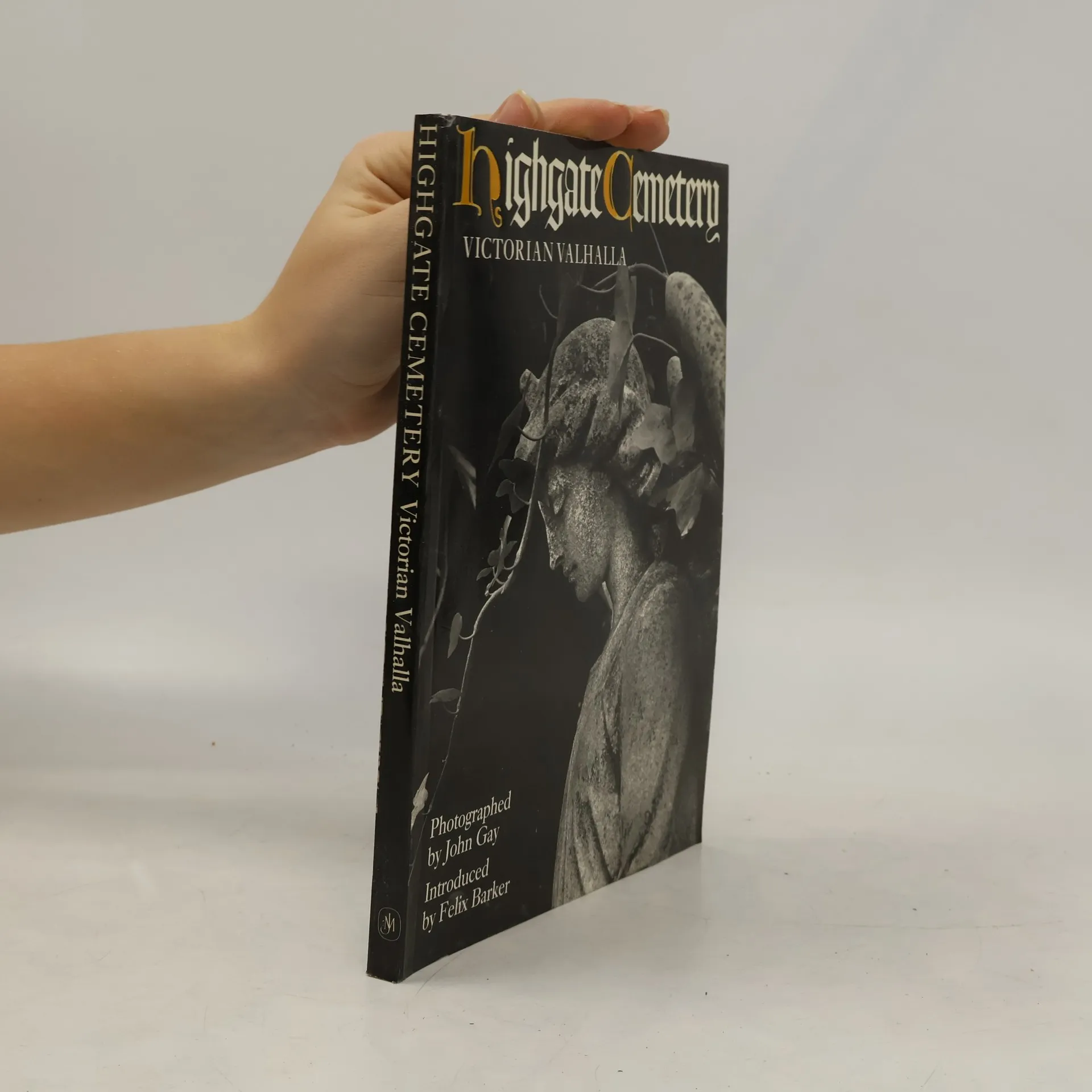
Highgate Cemetery
Victorian Valhalla
Highgate Cemetery, clinging to the southern slope of Highgate Hill, looks out across London to the Epsom Downs in the distance. It is one of the great cemeteries of the world (to those who know it, one of the Wonders) but in many ways it is also one of the most secret. A maze of rising terraces, winding paths, tombs and catacombs, it is a monument to the Victorian age and to the Victorian attitude to death. Containing some of the most celebrated -- and often most eccentric -- funerary architecture to be found anywhere, it has also, as nature has gradually taken it over, become a wild-life reserve near the centre of London. Now after many years of neglect, the cemetery is being lovingly restored, the dense foliage cut back, nature brought under control and its treasures revealed. In Highgate Victorian Valhalla the London historian Felix Barker tells fully and for the first time the story of this burial ground. But, above all, the book contains a unique pictorial record of its moods and its monuments caught over the last twenty years by John Gay whose photographs superbly and evocatively convey the spirit of the place.
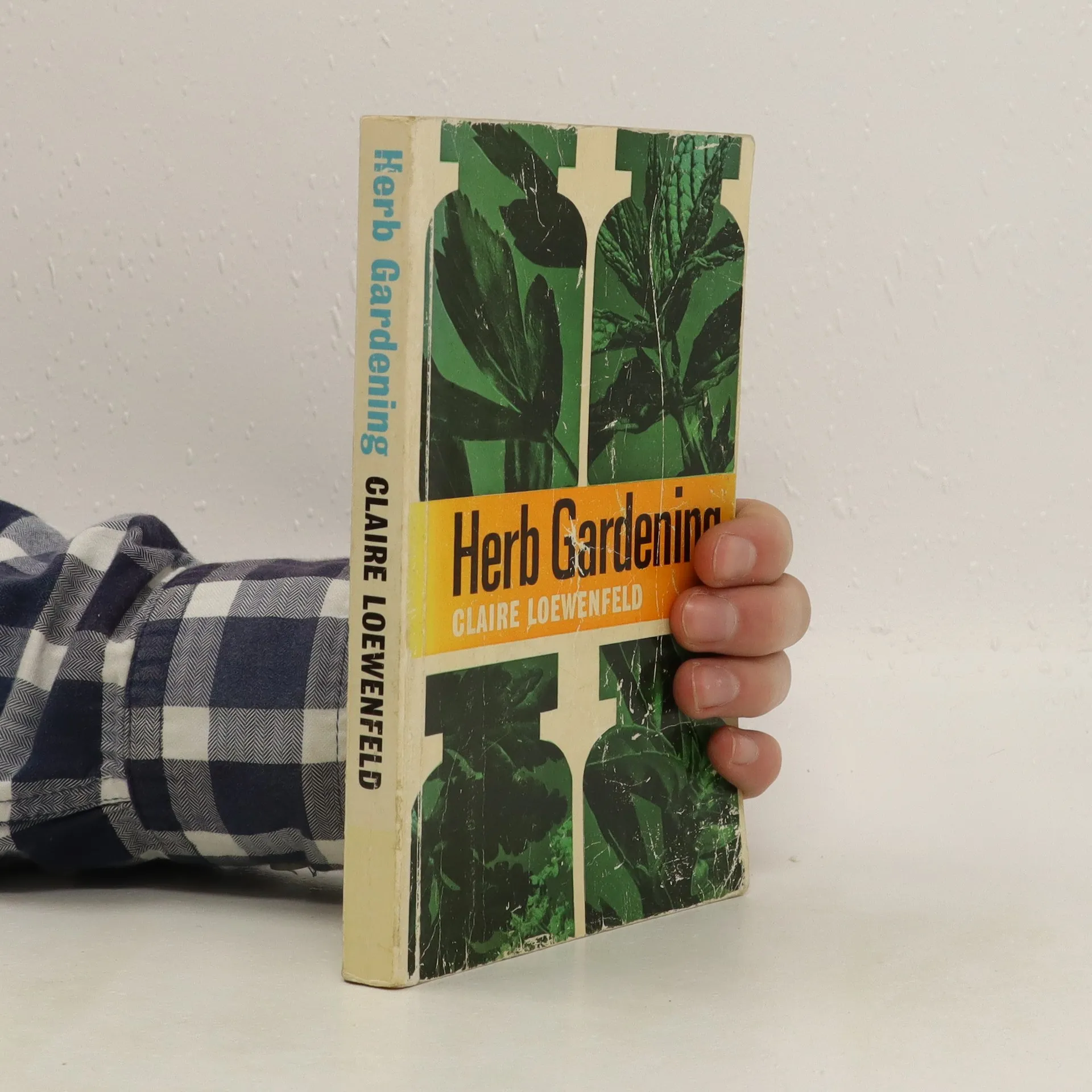
Herb gardening: why and how to grow herbs by Claire Loewenfeld; illustrated by John Gay
- 256 Seiten
- 9 Lesestunden
With clear instructions for using and growing herbs, indoors or out, Herb Gardening discusses 47 varieties in detail. Recipes, tables, charts and illustrations summarize Lowenfeld's practical information. 8 full-page photos.
BEGGARS OPERA
- 144 Seiten
- 6 Lesestunden
This scarce antiquarian book is a facsimile reprint of the original. Due to its age, it may contain imperfections such as marks, notations, marginalia and flawed pages. Because we believe this work is culturally important, we have made it available as part of our commitment for protecting, preserving, and promoting the world's literature in affordable, high quality, modern editions that are true to the original work.
The Fables of John Gay
- 292 Seiten
- 11 Lesestunden
The book offers a reprint of a classic work first published in 1857, preserving its original content and style. It provides readers with a glimpse into the historical context and literary significance of the era, making it a valuable addition for enthusiasts of classic literature. The reprint ensures that the themes and insights of the original text remain accessible to contemporary audiences, inviting reflection on its enduring relevance.
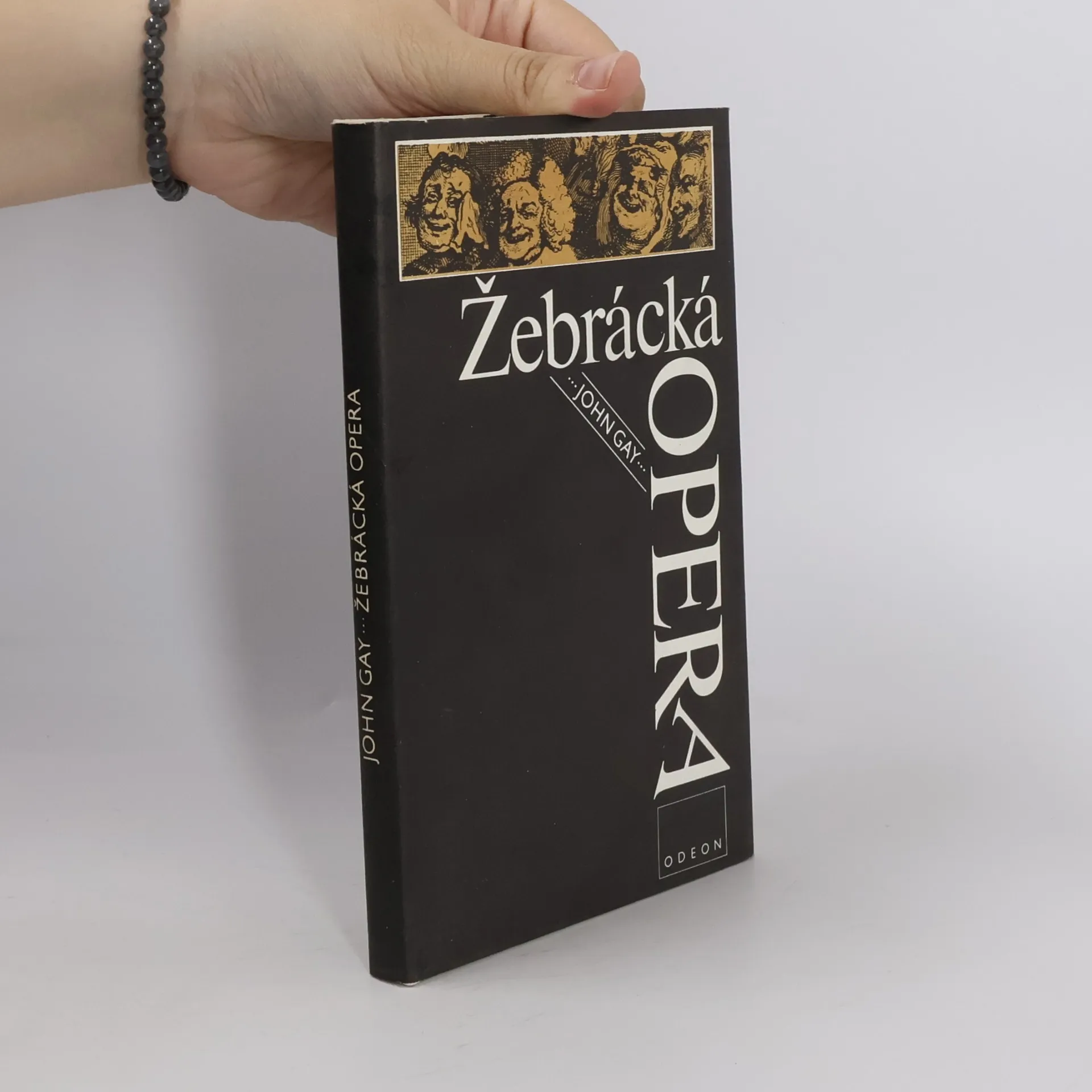
Divadelní hra anglického dramatika, parodisty, satirika a básníka. Doba, jež uplynula od jejího napsání, ničeho neubrala ani divadelní účinnosti, ani společenskému dosahu Žebrácké opery (1728), jedné z nejslavnějších parodií mravů a neřestí společnosti své doby, ať už je hrána v původní podobě nebo ve zpracování B. Brechta. Doslov Alois Bejblík, rytiny William Hogarth, přepis not Ladislav Fučík, hudební spolupráce Milan Svoboda.
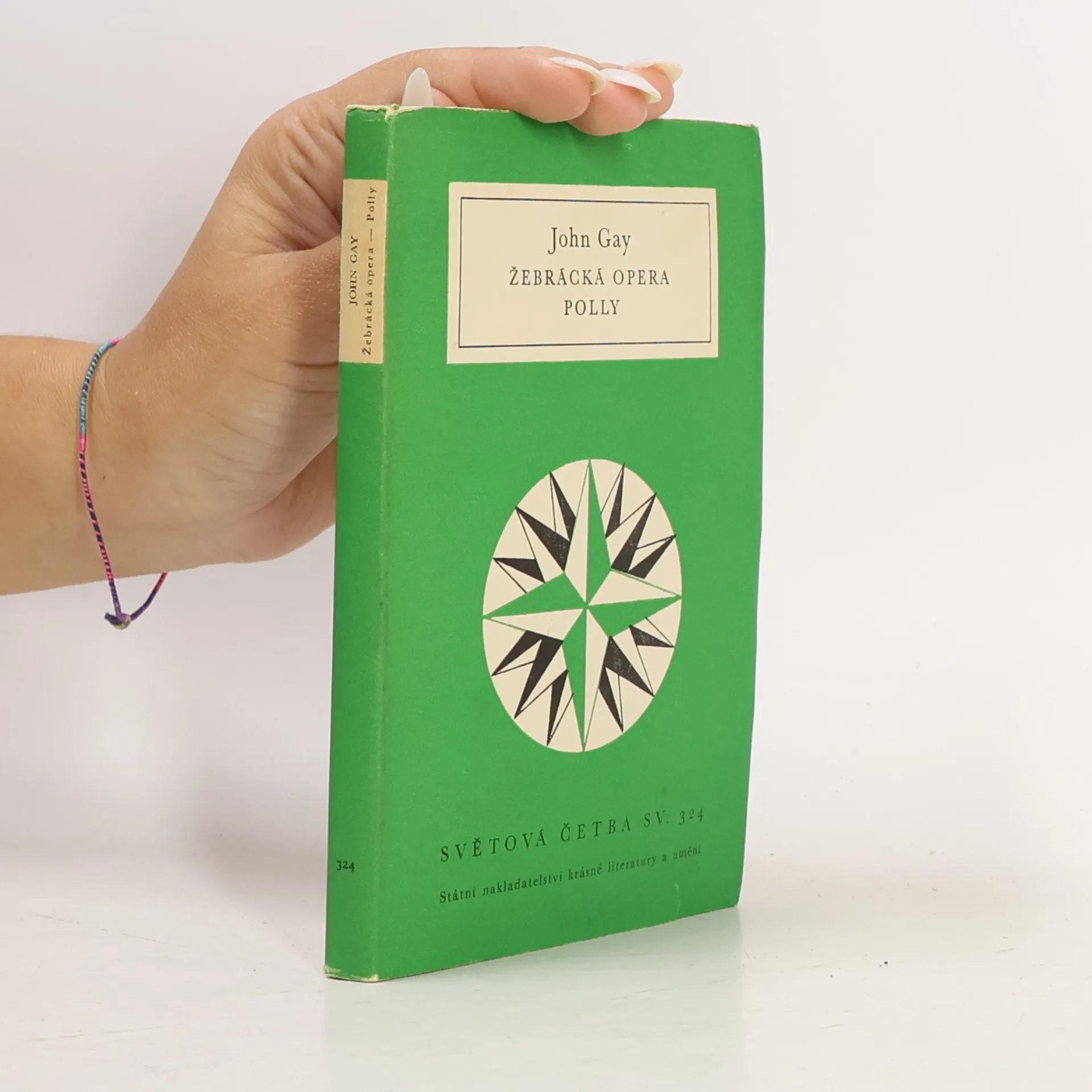
Dvě divadelní hry anglického dramatika, parodisty, satirika a básníka. Doba, jež uplynula od jejich napsání, ničeho neubrala ani divadelní účinnosti, ani společenskému dosahu jak Žebrácké opery (1728), jedné z nejslavnějších parodií mravů a neřestí společnosti své doby, ať už je hránav původní podobě nebo ve zpracování B. Brechta, tak jejímu pokračování Polly (1729), inscenované s úspěchem v posledních letech na divadelní scéně v Londýně. Předmluva Jiří Levý.