Gratisversand in ganz Deutschland!
Bookbot

John Hammond

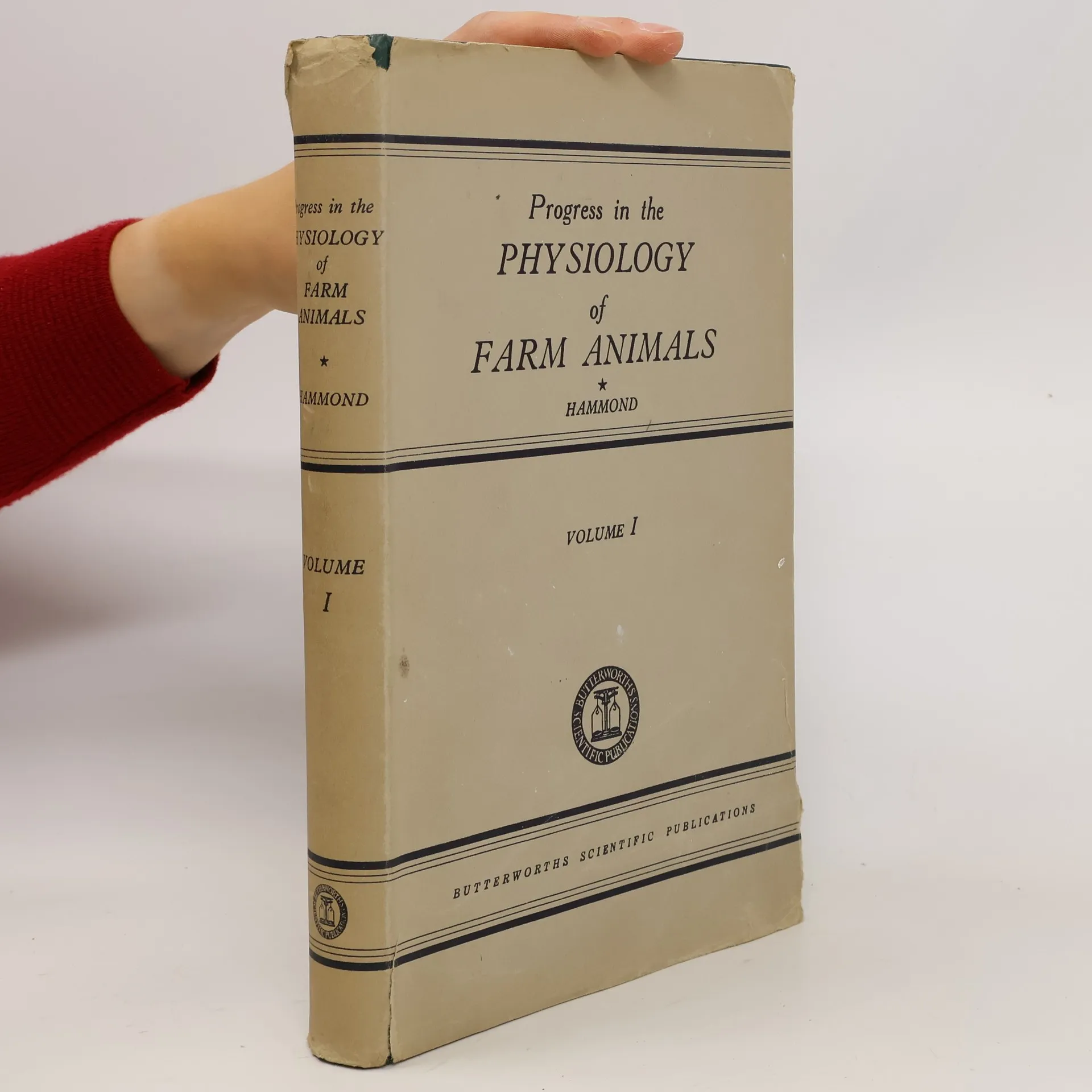
    Progress in the Physiology of Farm Animals 1
    Progress in the Physiology of Farm Animals, Volume 3
    Physiology of Farm Animals I.
    The Physiology of Reproduction in the Cow
    HOW TO GET MORE OF YOUR STUDENTS INTO TOP UNIVERSITIES - from a state school.
    John Hammond: Died May 29, 1889, At Home, Crown Point, N.y. Born August 17, 1827, At Crown Point, In The Old House, Now Standing Nex
    • 2018

      You work as a form teacher / tutor / mentor in years 12 or 13, or in a sixth form college. You want your hard-working students to have a better chance of getting great grades and into a top university. You know that private schools do this more easily than state institutions and you want to redress this balance. This book is for you. The author, privately educated himself, taught in a state school for his entire career and specialized in enabling his students to pass their A-levels with higher than usual grades. He also helped them to do all the preparatory work necessary to ensure a much more successful UCAS application, thus mirroring or bettering the private schools

      HOW TO GET MORE OF YOUR STUDENTS INTO TOP UNIVERSITIES - from a state school.
    • 2014

      Focusing on the reproductive processes of cows, this comprehensive study, first published in 1927, delves into the biological and physiological aspects of bovine reproduction. It serves as an essential resource for understanding the complexities of cow reproduction, making it valuable for both agricultural professionals and researchers in animal science. The book combines detailed observations with scientific analysis, reflecting the knowledge and practices of its time.

      The Physiology of Reproduction in the Cow
    • 1999

      Plant biotechnology

      • 180 Seiten
      • 7 Lesestunden

      The title of this volume, Plant Biotechnology: Nell' Products and Applications, may look a little out of place among previous vol umes of Current Topics in Microbiology and Immunology that have focused mostly on issues related to human health and ani mal biology, However, plant biology has always been of immense and has enjoyed an intimate relationship practical importance, with medicine and other biological sciences for centuries, In creasing scientific specialization and the dramatic advances in the medical and chemical sciences during this century have left many persons with the impression that plant biology and plant bio technology is important only in relation to the agricultural sci ences, This is no longer true. Within the past year a genetically engineered plant virus has been used to vaccinate and protect against an animal disease (see the chapter by Lomonossoff and Hamilton), the first human trials of a potential transgenic plant based oral vaccine against cholera have been conducted (see the chapter by Richter and Kipp), and the first human trial of an injectable transgenic plant-derived therapeutic protein is under way (discussed in the chapter by Russell et al. ). Today plant biotechnology is being used in new and creative ways to produce therapeutic products for medicine and plastics for industry as well as new disease-and stress-resistant crops for agriculture.

      Plant biotechnology