

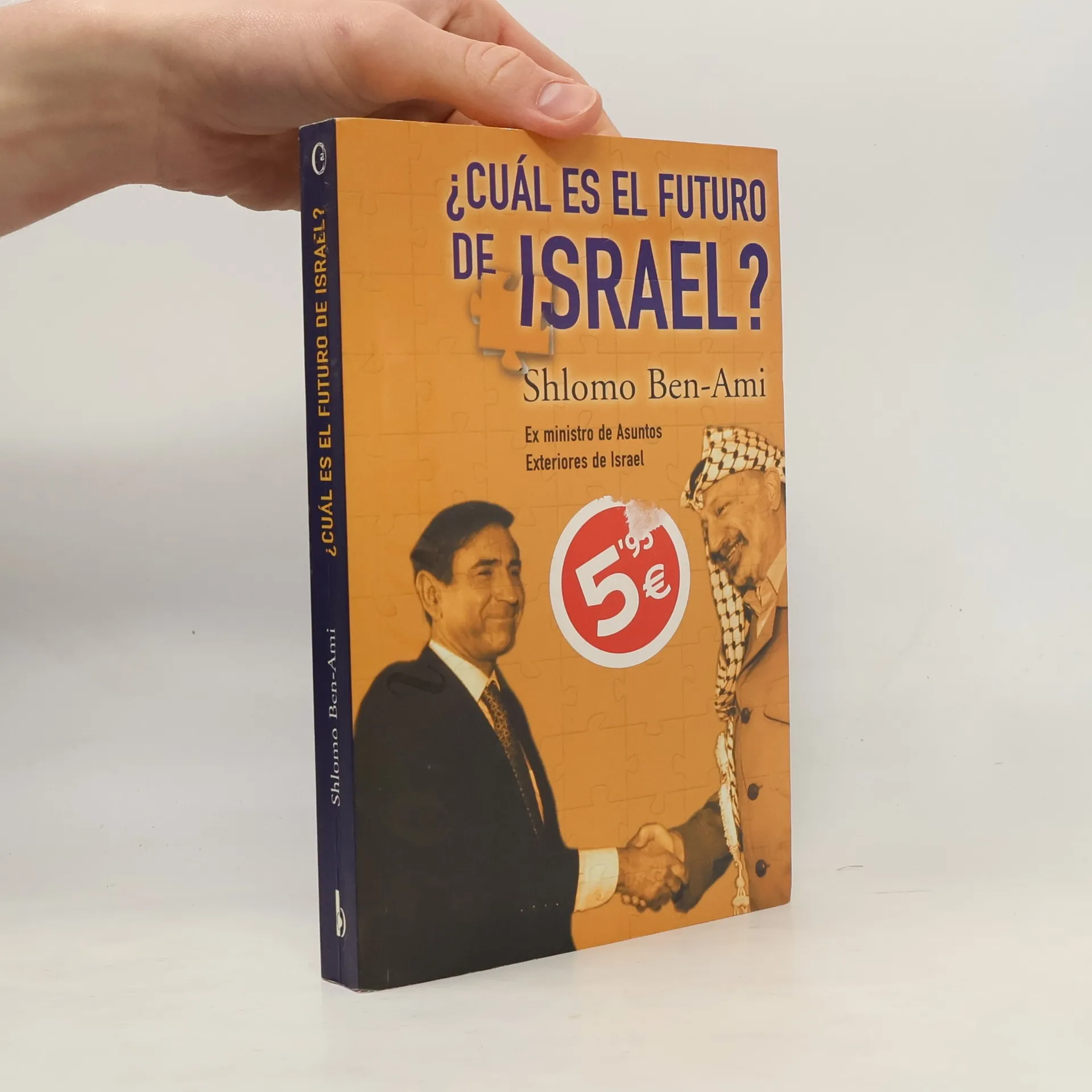
¿Cuál es el futuro de Israel?
- 288 Seiten
- 11 Lesestunden
¿Cómo salir de la guerra palestino-israelí? ¿Qué es necesario hacer para que un reconocimiento y una aceptación recíprocos abran de nuevo una vía hacia la paz? Sholomo Ben-Ami, ex ministro de Asuntos Exteriores de Israel y uno de los principales actores de las negociaciones con los palestinos, aporta en este documento excepcional una reflexión indispensable para comprender las razones del fracaso del proceso de paz, al tiempo que aclara de manera novedosa el lugar en que se encuentran las relaciones entre israelíes y palestinos y expone las razones por las que el conflicto se ha recrudecido. Estamos ante una obra de lectura urgente en la que Shlomo Ben -Ami define claramente los principios de una solución, que no puede ser más que política, y propone un apasionante análisis sobre la situación interna de Israel y la necesaria refundación política de un Estado que debe ser al mismo tiempo un Estado judío y un Estado de ciudadanos. ¿Cuál es el futuro de Israel? tiene por objeto proporcionar las claves para entender el presente momento del conflicto palestino-israelí en su dramática actualidad y mostar que todavía existe un rayo de esperanza para redescubrir el camino de la paz. (diálogos con tres entrevistadores)