


Alexander Wagner Bücher


Festschrift 75 Jahre
ARBEITER-SAMARITER-BUND ÖSTERREICHS GRUPPE ST. PÖLTEN
Hulk, Film Tie-In. Der Roman zum Film
- 320 Seiten
- 12 Lesestunden
From acclaimed filmmaker Ang Lee, a dark vision of the beast that lives inside the man . . . In a Berkeley lab, Bruce Banner, a young man haunted by his murky past and the parents he never knew, works intensely day and night. A bright scientist with repressed emotions and few social skills, Bruce and his colleague, the sharp and beautiful Betty Ross, experiment with the body’s ability to repair itself and fight disease. But their research draws unwanted attention. For the power of regeneration catches the eye of the military, which sees its potential on the battlefields of the future. But when Bruce is exposed to radiation in an accident that should have killed him, a ferocious truth about his past begins to emerge—along with something else, something deep inside his own body that is triggered when he is provoked . . . when he is pushed beyond reason . . . when anger takes over and he transforms into . . . THE HULK From the Paperback edition.
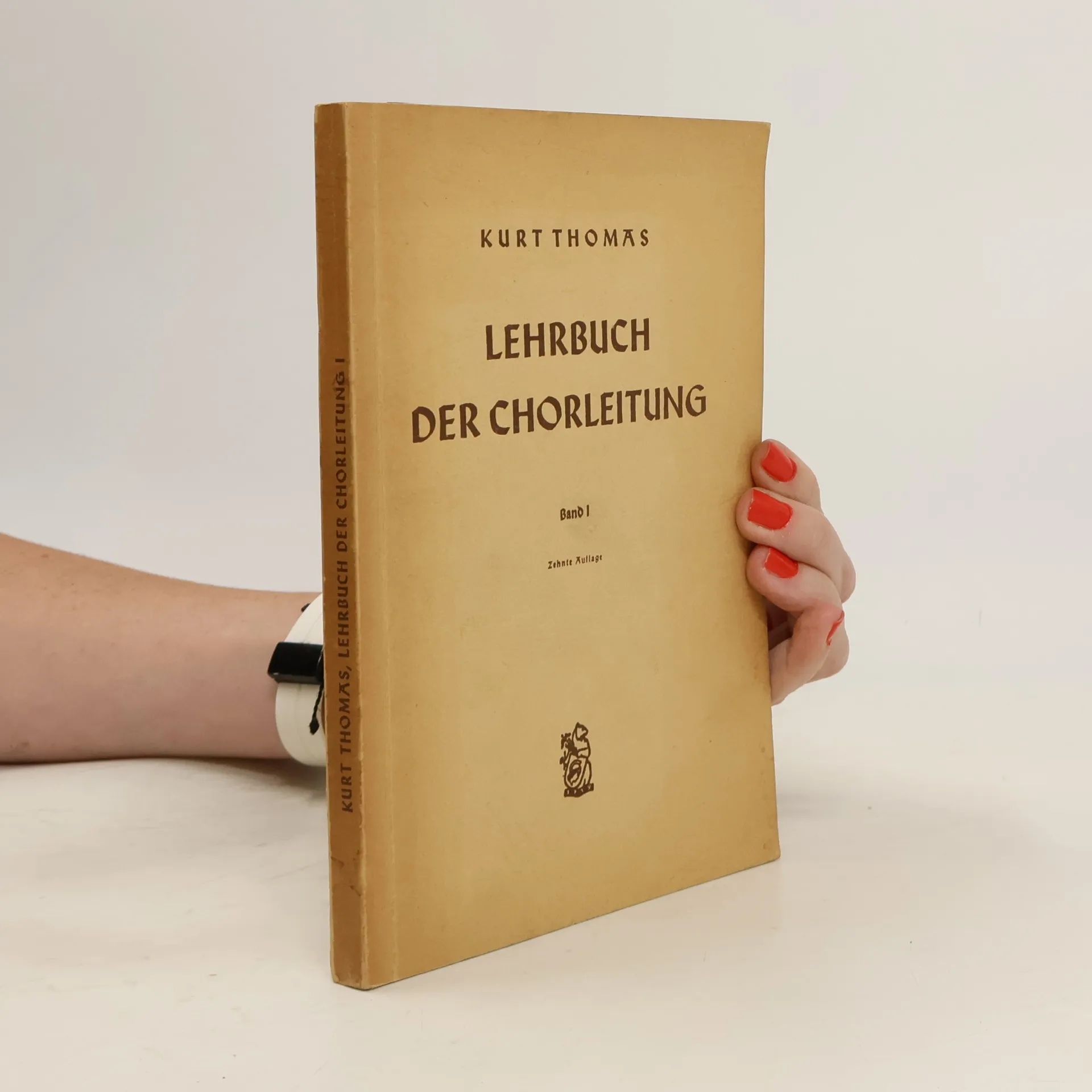
Lehrbuch der Chorleitung I
- 175 Seiten
- 7 Lesestunden
Alexander Wagner
- 80 Seiten
- 3 Lesestunden
(.) So faszinieren Alexander Wagners Zeichnungen mittels ihrer vorgetragenen Spannung aus geometrischer Abstraktion und einer immer auch darin enthaltenen Abweichung davon, die die Offenheit garantiert, mehr zu assozieren als ein Muster oder das Raster des Gesehen. Zugleich belegen diese Werke, das eine romantische Sicht auf die Welt nicht ohne Reflexion der Wahrnehmung darstellbar ist, gewissermaßen als eine rationale Romantik. (Friedrich Meschede) (.) In this way, Alexander Wagner? s drawings fascinate through their displayed tension of geometric abstraction as well as a permanently incorporated deviation from it, which together guarantee a freedom of association beyond the pattern or the grid of the perceived. Finally these works testify that a romantic view of the world cannot be represented without a reflection of the mode of perception, to a certain extent as rational Romanticism. (Friedrich Meschede)