

Bookbot

Stephan Sting

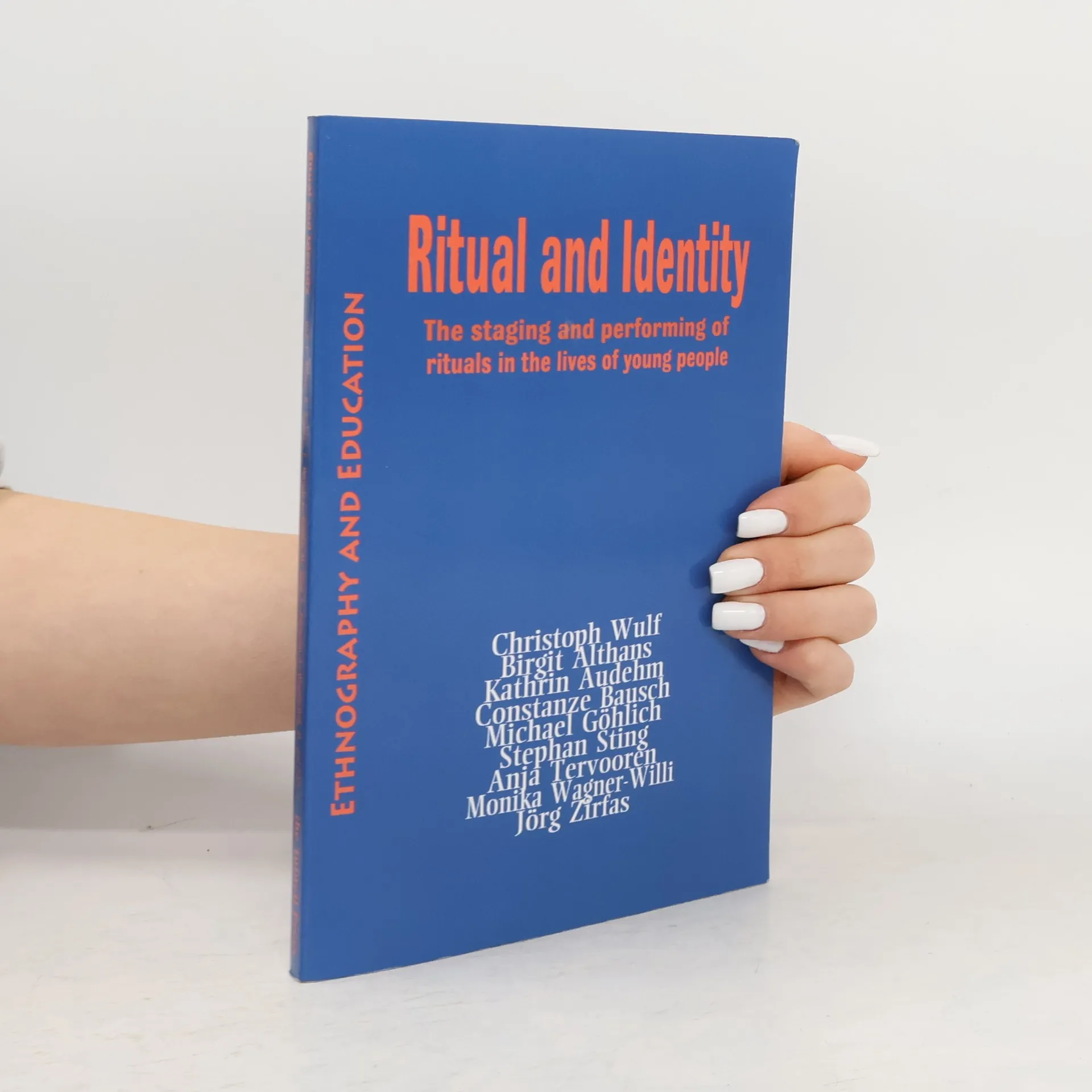
    Ritual and Identity
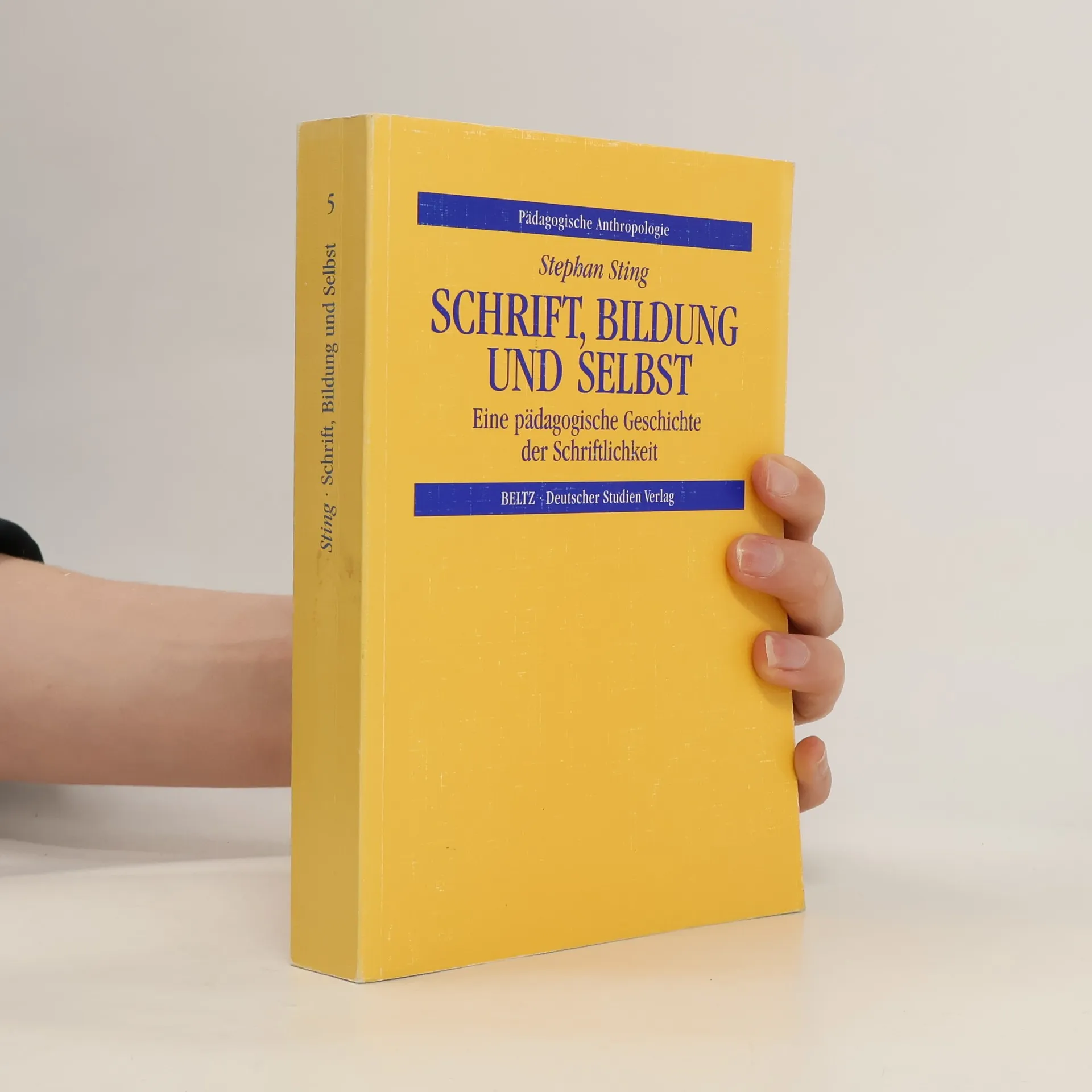
    Schrift, Bildung und Selbst
    • Eine Studie über den Zusammenhang von Schriftkultur, Bildungsvorstellungen und Selbstkonstitution in der Neuzeit beleuchtet, wie Schriftlichkeit und Bildung als wechselseitige Dimensionen unseres modernen Welt- und Selbstverhältnisses fungieren. In der aktuellen Diskussion werden dem Schriftgebrauch oft klare „Bildungswirkungen“ zugeschrieben, wie rationales Denken und historisches Bewusstsein. Das Buch hingegen untersucht den historischen Kontext von Schriftlichkeit und Bildungsvorstellungen aus einem bildungstheoretischen Blickwinkel. Es analysiert exemplarische pädagogische und literarische Texte vom Buchdruck bis zum frühen 19. Jahrhundert und zeigt das Wechselverhältnis von Schrift, Bildung und Selbst auf. Die Wirkungen der Schrift- und Buchdruckkultur führten zu vielfältigen Bildungsanstrengungen, die die Etablierung von Schriftlichkeit in historisch und sozial variierenden Formen ermöglichten. Gleichzeitig wird deutlich, dass die besondere Bildungsproblematik der neuzeitlichen europäischen Gesellschaften aus der Verschriftlichung des Welt- und Selbstverhältnisses resultiert. Diese Studie richtet sich an Erziehungswissenschaftler, Pädagogen, Bildungshistoriker sowie Medien- und Schrifthistoriker.

      Schrift, Bildung und Selbst
    • Ritual and Identity

      The Staging and Performing of Rituals in the Lives of Young People

      • 208 Seiten
      • 8 Lesestunden

      Rituals play a central role in the development of individual and collective identity. This is particularly true for young people, who are tractable to a great extent. Rituals are productive. While they were previously made a subject of discussion under the aspects of stereotyping, rigidity and violence, this examination concentrates on productive moments of rituals that contribute to making and forming the identity of communities and individuals. In ritual processes, the body, the senses and the performative actions of all parties involved play an important role. Rituals serve the community as a medium for generating and dealing with differences, for overcoming crises and for structuring transitions. Our ethnographic study shows how social relationships are formed in performative processes of rituals and ritualisations. In this sense, the focus is on the dramaturgy and organisation of ritual interactions and their effects, on scenic-mimetic expressivity, on the performance and staging character, and on the practical knowledge of social action. Four central socialisation fields of performative ritual action are the living environment of the family, transitions in everyday school life, games children play at recess and media stagings of peer groups. Ritual action is also defined as practical mimetic knowledge, and the city is characterised as performative space.

      Ritual and Identity