Das Buch bietet einen umfassenden Blick auf die U-Boot-Kampagnen des Zweiten Weltkriegs sowie auf die U-Boot- und Anti-U-Boot-Kriegsführung in verschiedenen Kriegsschauplätzen. Es hebt die unzureichende Effektivität japanischer U-Boote im Pazifik und das prekäre Überleben Großbritanniens gegen deutsche U-Boote während der Schlacht im Atlantik hervor. Darüber hinaus werden neue Erkenntnisse über die Erfassung der Enigma-Chiffriermaschine präsentiert und erschütternde Berichte von in Gefahr befindlichen Seeleuten geteilt.
Beschreibt die Niederlage der spanischen Armada im Jahr 1588, erörtert den Hintergrund des Konflikts und zeigt die typischen Schiffe und Ausrüstungen beider Streitkräfte.
Naval Campaigns that Shaped the Modern World, 1588-1782
340 Seiten
12 Lesestunden
A masterpiece of naval history, this book charts the growth of sea-fighting and trading and reveals the way in which supremacy at sea freed thought and society itself.
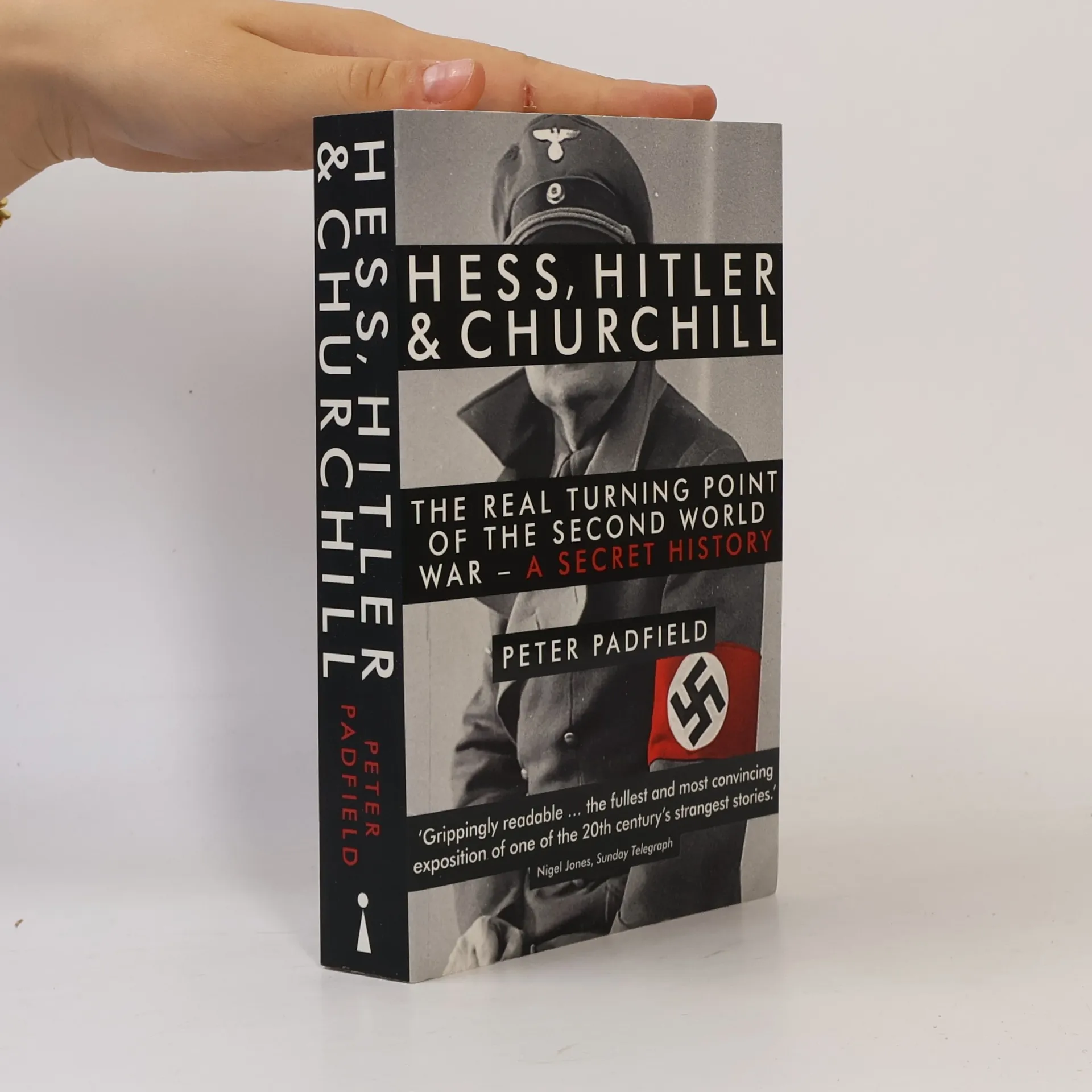
When Hitler’s deputy Rudolf Hess set off for Britain on a peace mission in May 1941, he launched one of the great mysteries of the Second World War. Had he really acted alone, without Hitler’s knowledge? Who were the British he had come to see? Was British intelligence involved?Award-winning historian Peter Padfield presents striking new evidence that demands the wholesale reappraisal of the episode. For, allied to a powerful argument that Hess must have had both Hitler’s backing and considerable encouragement from Britain, Padfield demonstrates that he also brought with him a draft peace treaty committing Hitler to the evacuation of occupied European countries. Made public, this would have destroyed Churchill’s campaign to bring the United States into the war.Expertly woven into a compelling narrative that touches on Lord (Victor) Rothschild and the Cambridge spy ring, possible British foreknowledge of Operation Barbarossa and the ‘final solution’, MI6’s use of Hess to prevent the bombing of London and the mysterious circumstances of his death in Spandau prison – including the previously unseen witness accounts from that day – Hess, Hitler and Churchill is among the most important history books of recent years.
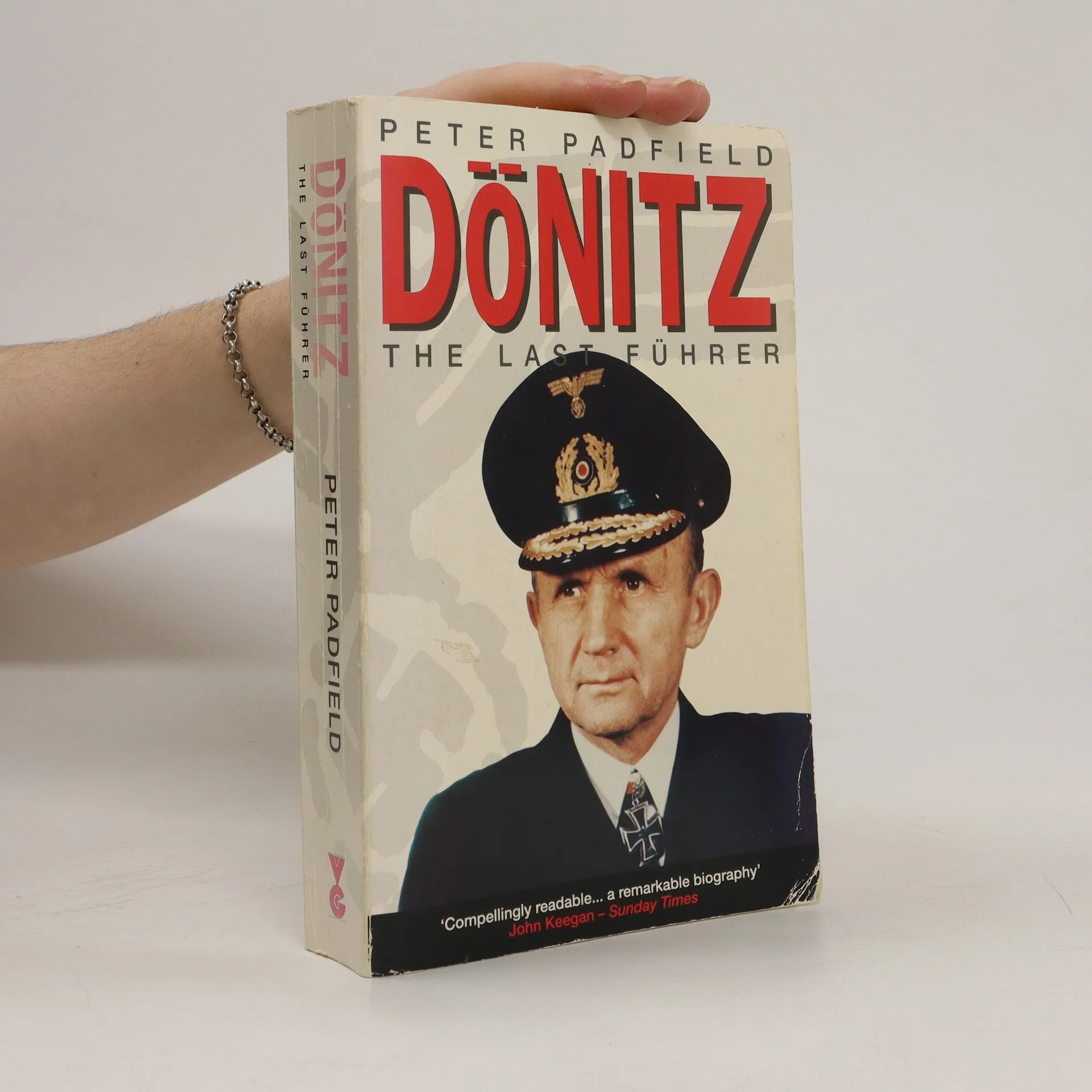
Charting the influences and pressures that moulded Doenitz and led him to put all his trust in Hitler, this biography then provides an account of the pressures and inner struggles he experienced as the U-boat admiral, Supreme Commander of the Navy, and Hitler's most trusted confidant.
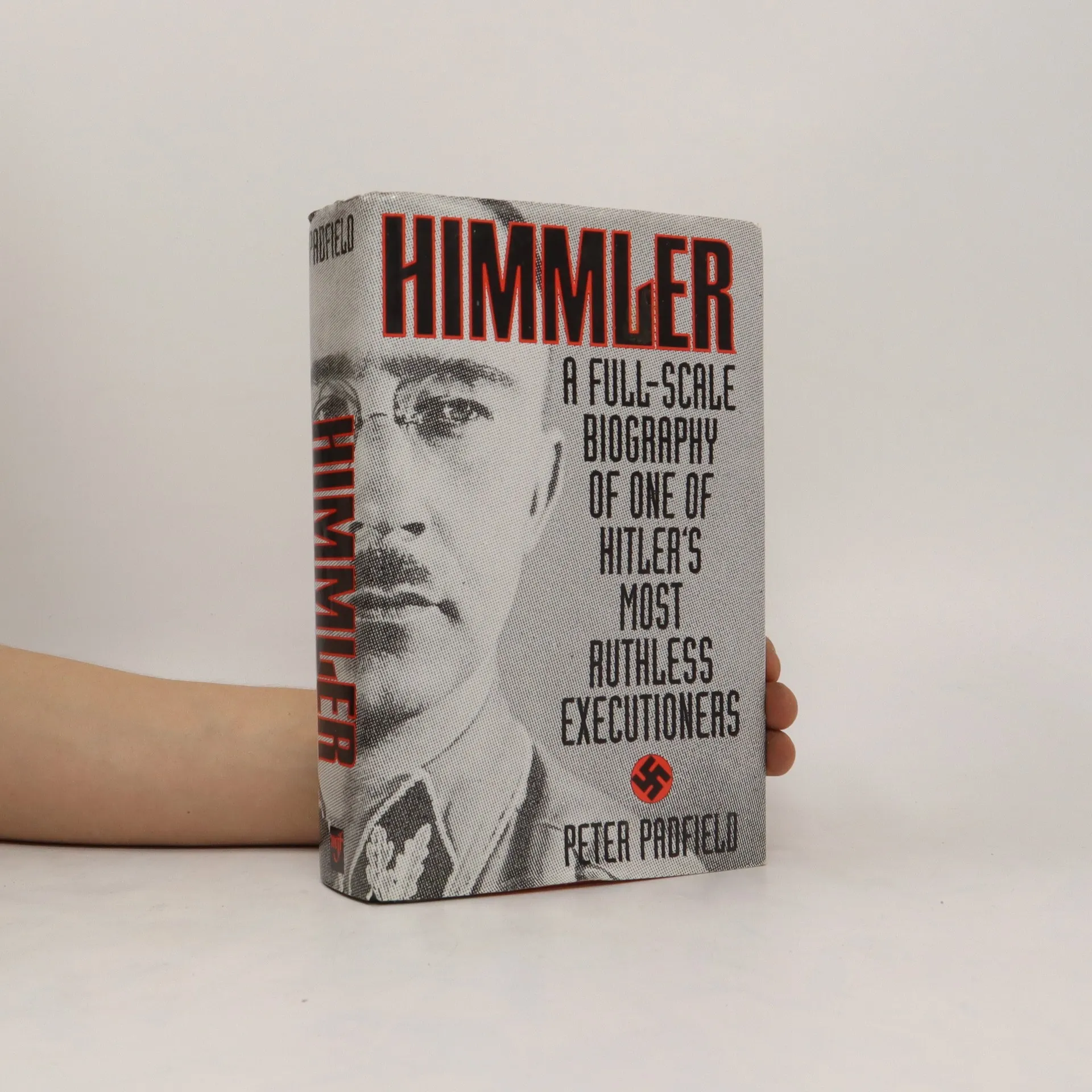
Remarkably, this is the first full-length biography of a man often seen as the very personification of evil. Heinrich Himmler was not only head of Hitler's SS police and Gestapo, but was also in charge of the death camps in the East. The account of Himmler's life and his impact on the rise and fall of the Nazi state make a gripping and horrifying story. But more than this, it is a profound moral and intellectual inquiry into the nature of evil in the human character.