

Reihen
Parameter
- 288 Seiten
- 11 Lesestunden
Mehr zum Buch
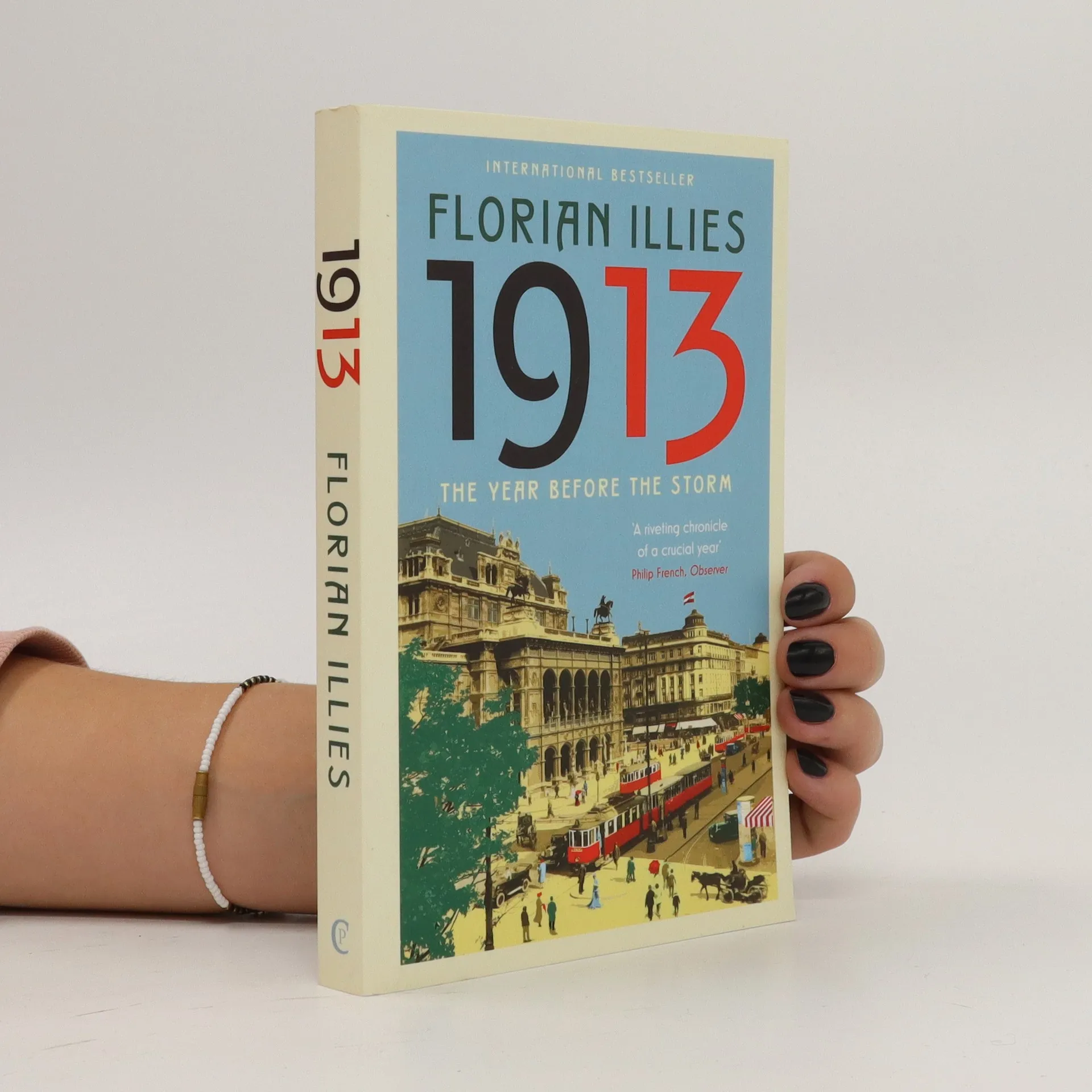
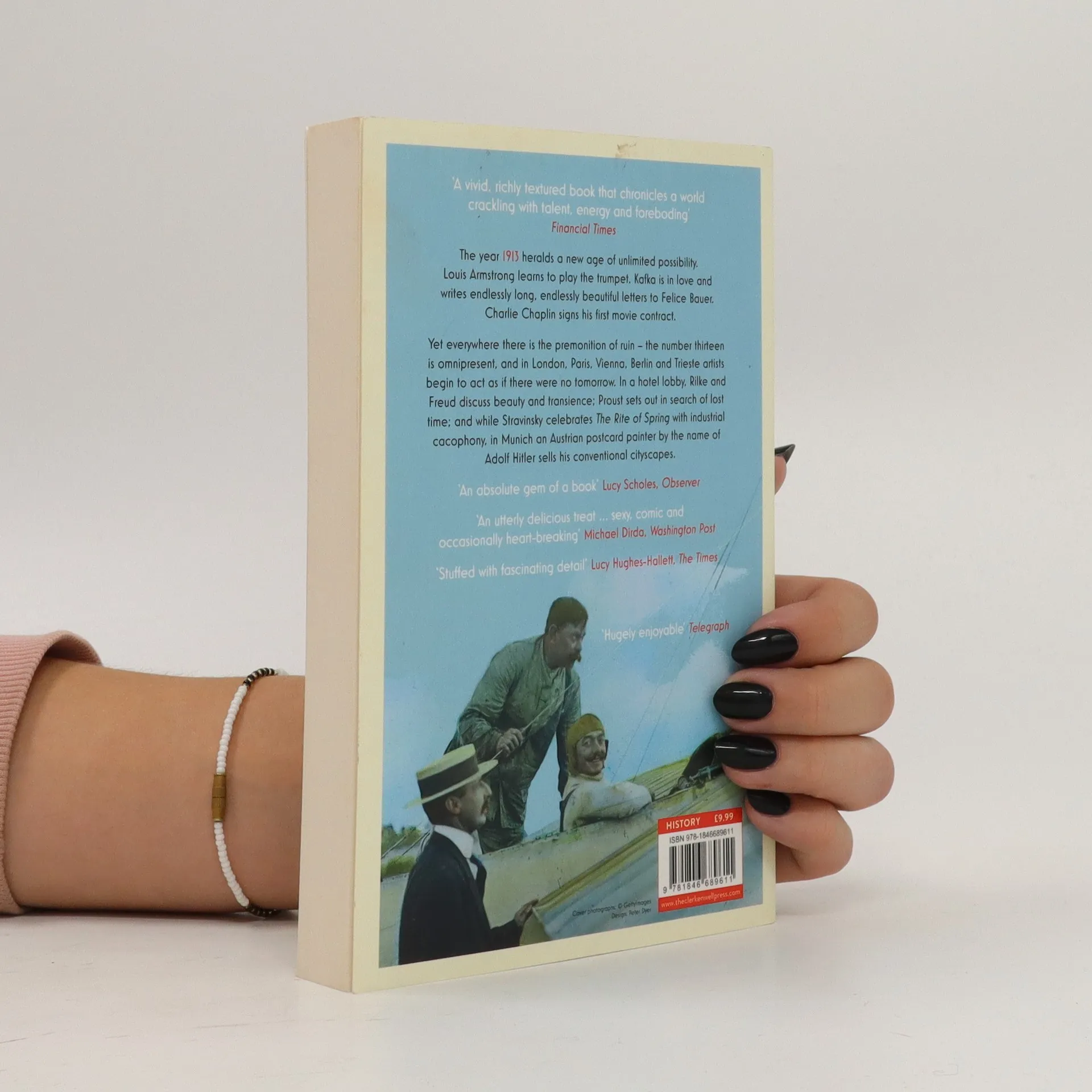
A witty yet moving narrative worked up from sketched biographical fragments, 1913 is an intimate vision of a world that is about to change forever.The stuffy conventions of the nineteenth century are receding into the past, and 1913 heralds a new age of unlimited possibility. Kafka falls in love; Louis Armstrong learns to play the trumpet; a young seamstress called Coco Chanel opens her first boutique; Charlie Chaplin signs his first movie contract; and new drugs like cocaine usher in an age of decadence.Yet everywhere there is the premonition of ruin - the number 13 is omnipresent, and in London, Paris and Vienna, artists take the omen and act as if there were no tomorrow. In a Munich hotel lobby, Rilke and Freud discuss beauty and transience; Proust sets out in search of lost time; and while Stravinsky celebrates the Rite of Spring with industrial cacophony, an Austrian postcard painter by the name of Adolf Hitler sells his conventional cityscapes.





Buchkauf
1913, Florian Illies
- Sprache

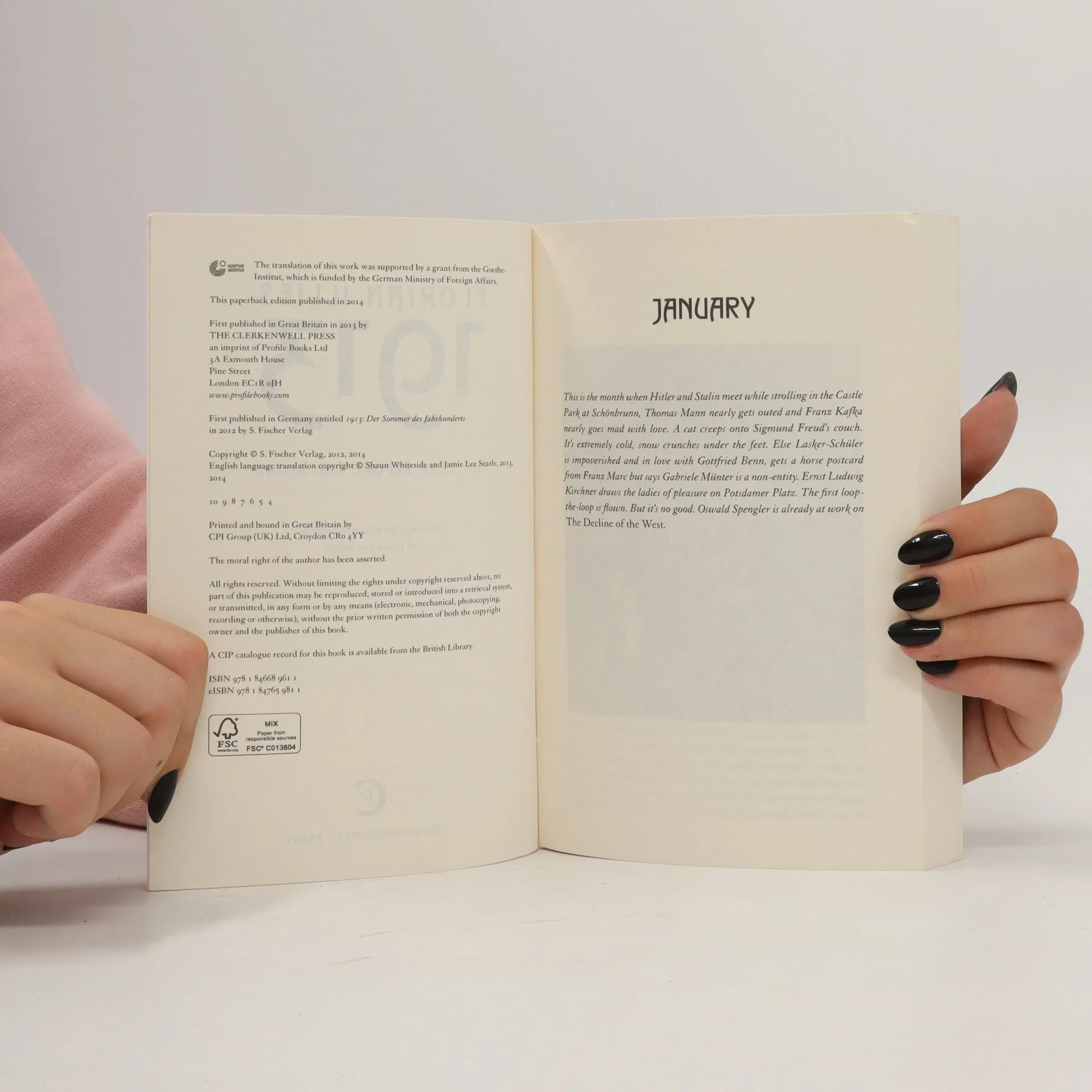
- Erscheinungsdatum
- 2014
- Einband
- (Paperback)
Hier könnte deine Bewertung stehen.
- Titel
- 1913
- Untertitel
- The Year Before the Storm
- Sprache
- Englisch
- Autor*innen
- Florian Illies
- Verlag
- The Clerkenwell Press
- Erscheinungsdatum
- 2014
- Einband
- Paperback
- Seitenzahl
- 288
- ISBN10
- 1846689619
- ISBN13
- 9781846689611
- Reihe
- 1913
- Kategorien
- Schlagwörter
- Historisches Thema, Kunst, Deutsche Literatur, Politik, Deutschland, Kriege, Geschenke für Opa, 19. Jahrhundert, Geschenke für Frauen, Berlin, Kultur, Kulturgeschichte, Paris, Wien, Künstler, Pablo Picasso, Mitteleuropäische Literatur, Das Jahr 1913
- Erstveröffentlichung
- 2012
- Originaltitel
- 1913: Der Sommer des Jahrhunderts
- Bewertung
- 3,95 von 5 Sternen
- Beschreibung
- A witty yet moving narrative worked up from sketched biographical fragments, 1913 is an intimate vision of a world that is about to change forever.The stuffy conventions of the nineteenth century are receding into the past, and 1913 heralds a new age of unlimited possibility. Kafka falls in love; Louis Armstrong learns to play the trumpet; a young seamstress called Coco Chanel opens her first boutique; Charlie Chaplin signs his first movie contract; and new drugs like cocaine usher in an age of decadence.Yet everywhere there is the premonition of ruin - the number 13 is omnipresent, and in London, Paris and Vienna, artists take the omen and act as if there were no tomorrow. In a Munich hotel lobby, Rilke and Freud discuss beauty and transience; Proust sets out in search of lost time; and while Stravinsky celebrates the Rite of Spring with industrial cacophony, an Austrian postcard painter by the name of Adolf Hitler sells his conventional cityscapes.