

Mehr zum Buch
Emotions, behaviors, thoughts, creations, planning, daily activities, and routines are all programmed within our brains, which take up to 20 years to fully develop. Disruptions in brain structure, including neurons, axons, dendrites, synapses, neurotransmitters, or overall infrastructure, can lead to significant changes in development and function. Understanding brain functions and development is challenging, and reversing trauma-related damage is even more complex. Addressing this requires collaboration across various disciplines. The International Association for the Study of Traumatic Brain Injury aimed to bridge this gap by bringing together international clinicians, researchers, and scientists from multiple fields. The insights and ideas generated during their meetings highlighted the need for a shared resource. This book serves as a collection of knowledge rather than merely documenting conference proceedings, focusing on acute and chronic recovery from head injuries. It emphasizes the importance of a multidisciplinary team approach for TBI patients. Contributors from diverse fields—basic science, neurosurgery, neurology, radiology, psychology, neuropsychology, and legal, consumer, and speech/language science—present the latest research and management strategies for various aspects of TBI.
Buchkauf
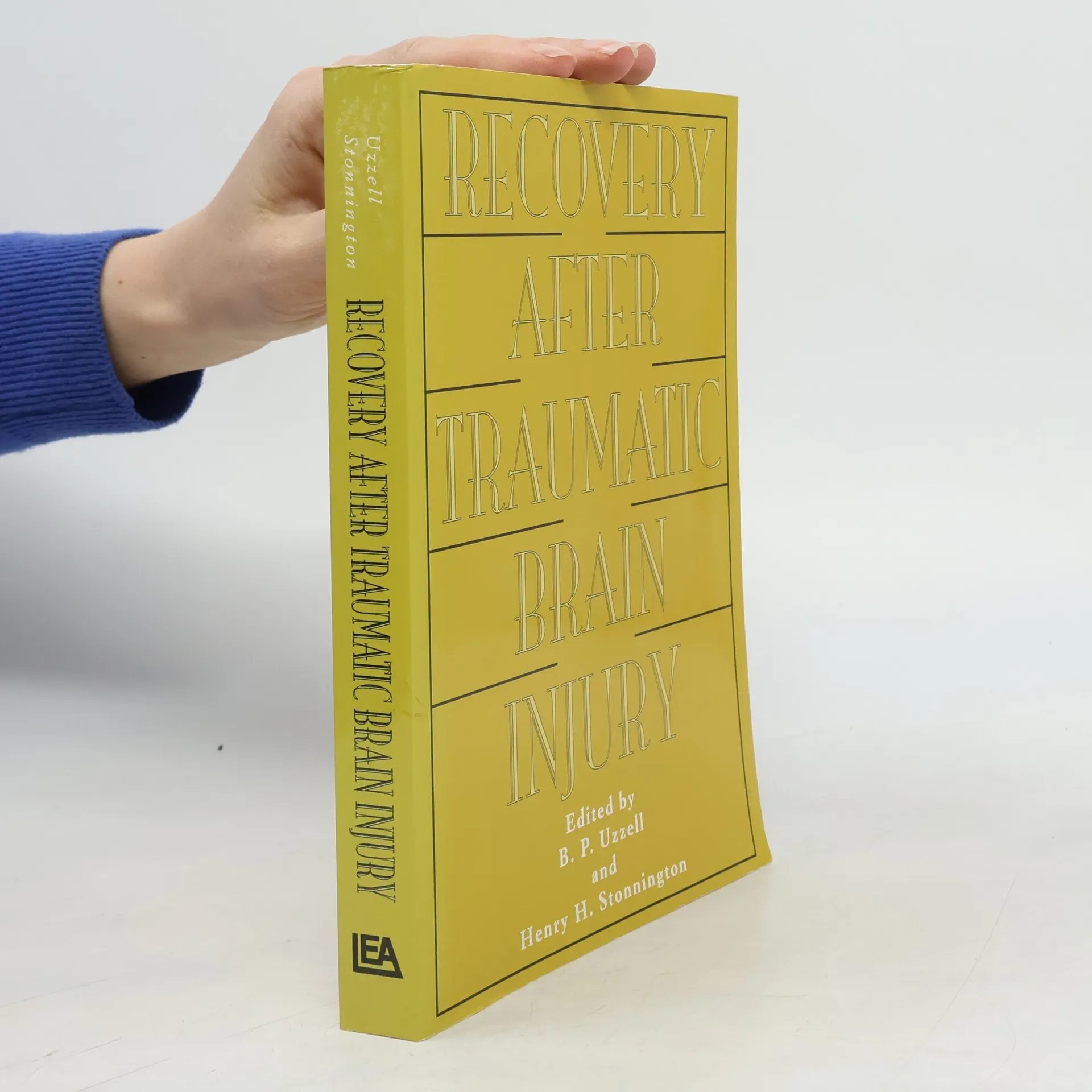
Recovery After Traumatic Brain Injury, Henry H. Stonnington, Barbara P. Uzzell
- Sprache

- Erscheinungsdatum
- 1996
- Einband
- (Paperback)
Keiner hat bisher bewertet.
- Titel
- Recovery After Traumatic Brain Injury
- Sprache
- Englisch
- Autor*innen
- Henry H. Stonnington, Barbara P. Uzzell
- Verlag
- Psychology Press
- Erscheinungsdatum
- 1996
- Einband
- Paperback
- Seitenzahl
- 362
- ISBN10
- 0805818243
- ISBN13
- 9780805818246
- Reihe
- Schlagwörter
- Medizin & Gesundheit, Psychologische Thematik, Gesundheit, Neurowissenschaft
- Beschreibung
- Emotions, behaviors, thoughts, creations, planning, daily activities, and routines are all programmed within our brains, which take up to 20 years to fully develop. Disruptions in brain structure, including neurons, axons, dendrites, synapses, neurotransmitters, or overall infrastructure, can lead to significant changes in development and function. Understanding brain functions and development is challenging, and reversing trauma-related damage is even more complex. Addressing this requires collaboration across various disciplines. The International Association for the Study of Traumatic Brain Injury aimed to bridge this gap by bringing together international clinicians, researchers, and scientists from multiple fields. The insights and ideas generated during their meetings highlighted the need for a shared resource. This book serves as a collection of knowledge rather than merely documenting conference proceedings, focusing on acute and chronic recovery from head injuries. It emphasizes the importance of a multidisciplinary team approach for TBI patients. Contributors from diverse fields—basic science, neurosurgery, neurology, radiology, psychology, neuropsychology, and legal, consumer, and speech/language science—present the latest research and management strategies for various aspects of TBI.