

Mehr zum Buch
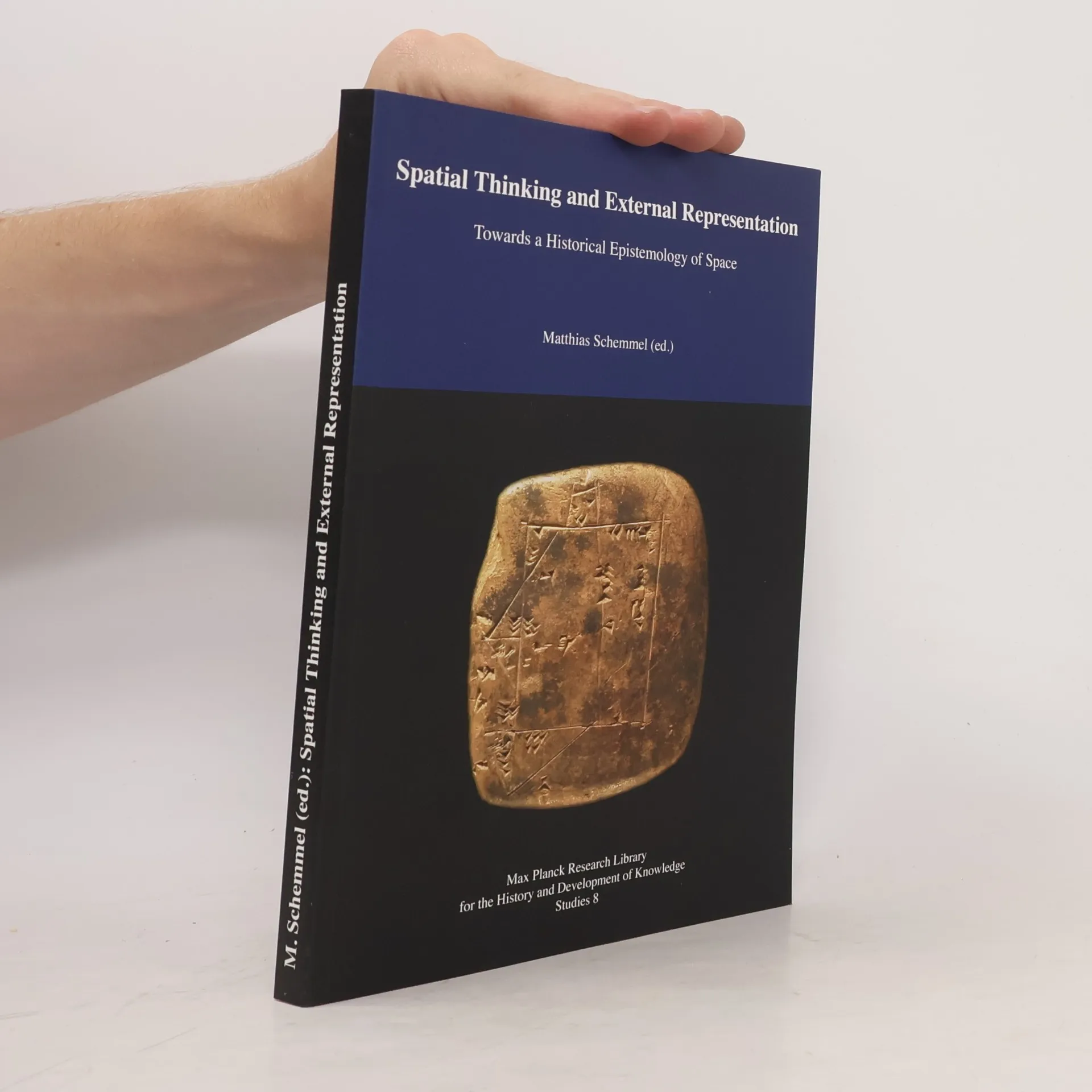
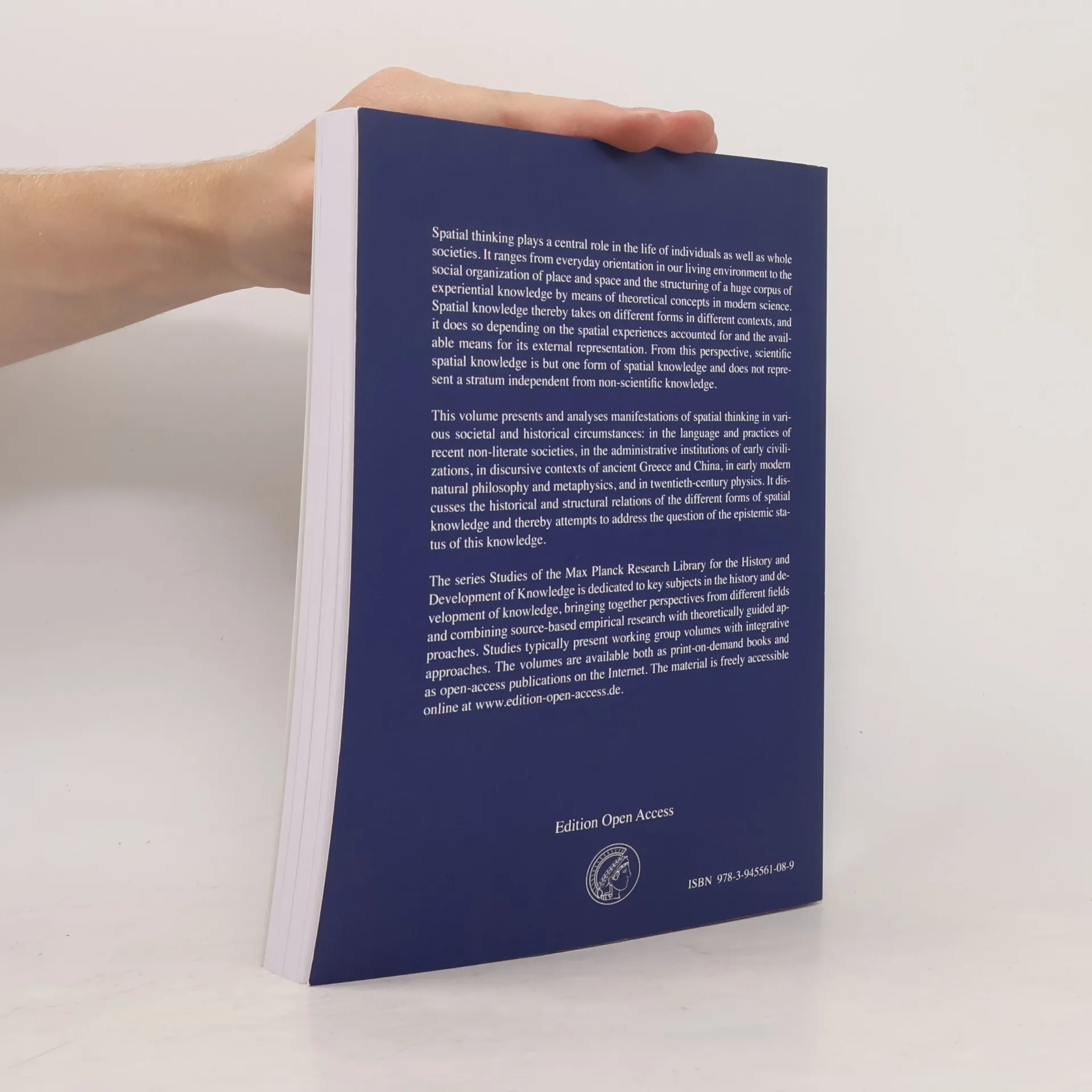
Spatial knowledge takes different forms in different societies and at different times in history depending on the spatial experiences accounted for and the available means for the external representation of knowledge. The volume presents and analyses manifestations of spatial thinking in the language and practices of recent non-literate societies, in the administrative institutions of early civilizations, in discursive contexts of ancient Greece and China, in early modern natural philosophy and metaphysics, and in twentieth-century physics, and discusses their historical and structural relations
Buchkauf
Max Planck Research Library for the History and Development of Knowledge - 8: Spatial Thinking and External Representation, Matthias Schemmel
- Sprache

- Erscheinungsdatum
- 2016
- Einband
- (Paperback),
- Buchzustand
- Gebraucht - Sehr gut
- Preis
- 8,99 €inkl. MwSt.
Keiner hat bisher bewertet.
- Titel
- Max Planck Research Library for the History and Development of Knowledge - 8: Spatial Thinking and External Representation
- Untertitel
- Towards a Historical Epistemology of Space
- Sprache
- Englisch
- Autor*innen
- Matthias Schemmel
- Erscheinungsdatum
- 2016
- Einband
- Paperback
- Seitenzahl
- 219
- ISBN10
- 3945561086
- ISBN13
- 9783945561089
- Reihe
- Kategorien
- Schlagwörter
- Historisches Thema
- Beschreibung
- Spatial knowledge takes different forms in different societies and at different times in history depending on the spatial experiences accounted for and the available means for the external representation of knowledge. The volume presents and analyses manifestations of spatial thinking in the language and practices of recent non-literate societies, in the administrative institutions of early civilizations, in discursive contexts of ancient Greece and China, in early modern natural philosophy and metaphysics, and in twentieth-century physics, and discusses their historical and structural relations