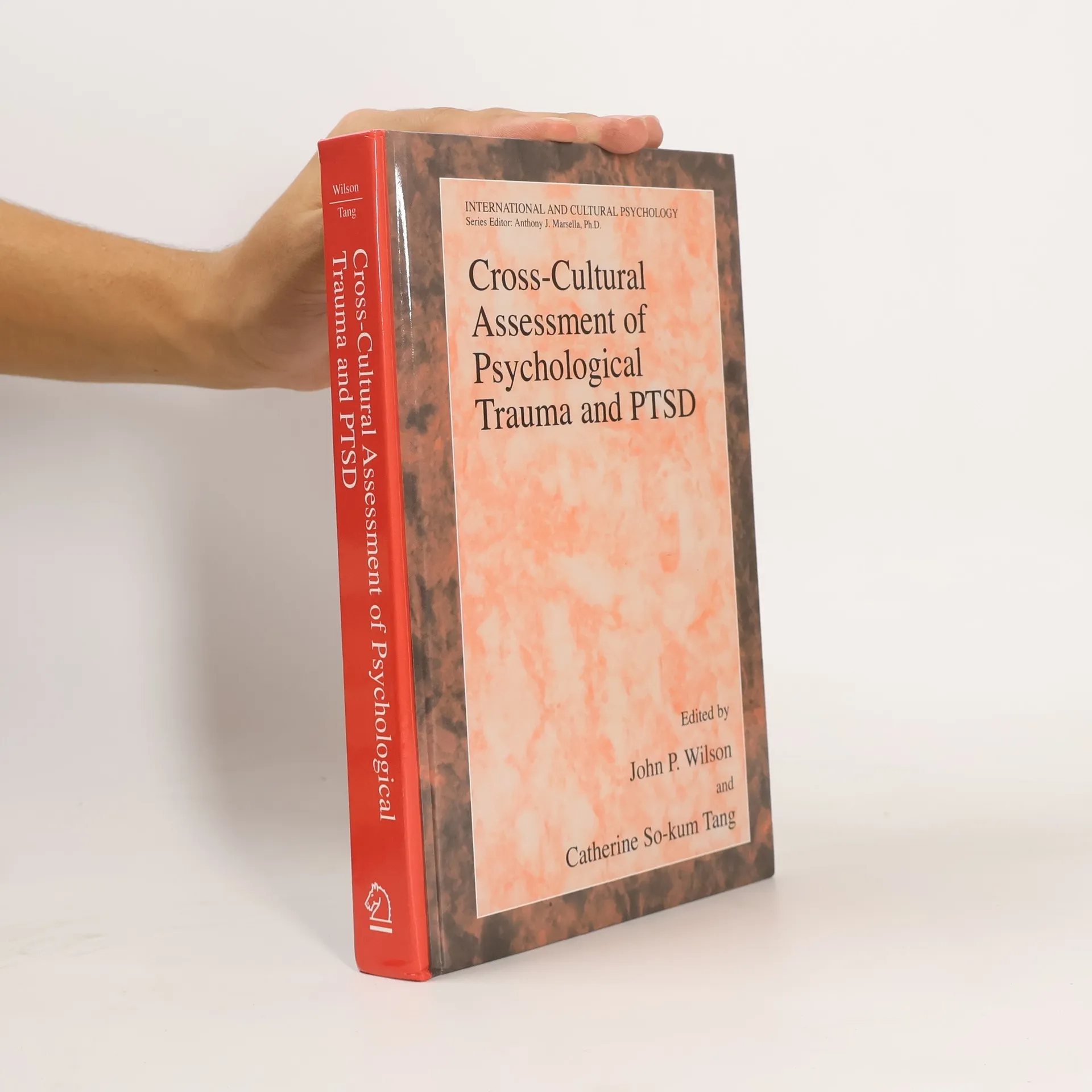
Recent advances in trauma treatment, coupled with ongoing traumatic world events, point to a critical need for global standards in assessment. But despite the best intentions of Western psychology, one model does not fit all cultures. Cross-Cultural Assessment of Psychological Trauma and PTSD addresses key issues in the field to help fill this knowledge gap. Focusing equally on theoretical concepts, culturally valid assessment methods, and cultural adaptation in trauma and resilience, 29 experts present the cutting edge of research and strategies. Extended case examples (including West Africans in Austria, Hmong in the U.S., and Aboriginal people in Australia) illustrate an informative range of symptom profiles, comorbid conditions, and coping skills, as well as secondary traumas that can occur in asylum seekers. Professional concerns are also highlighted, from training and competency issues to the challenges of translating assessment into treatment.
Internationale und kulturelle Psychologie Reihe
Diese Reihe taucht tief in die faszinierende Welt der internationalen und interkulturellen Psychologie ein. Sie untersucht, wie vielfältige kulturelle Kontexte menschliche Kognition, Verhalten und soziale Dynamiken weltweit prägen. Leser werden ein tiefgreifendes Verständnis für universelle und spezifische Aspekte psychologischer Phänomene gewinnen. Es ist eine unverzichtbare Ressource für jeden, der sich für die Schnittstelle von Kultur und menschlichem Geist interessiert.