Bookbot

Lingua Latina per se Illustrata

Diese Reihe bietet einen bahnbrechenden Ansatz zum Erlernen von Latein, bei dem die Sprache ausschließlich auf Lateinisch durch Illustrationen und natürlichen Kontext erklärt wird. Sie richtet sich sowohl an Selbstlerner als auch an Studenten, die Latein fließend beherrschen und ein tieferes Verständnis der klassischen Sprache erlangen möchten. Die Methode legt Wert auf visuelles Lernen und intuitives Verständnis von Grammatik und Wortschatz. Ziel ist es, Latein den Lesern als lebendige Sprache näherzubringen, nicht nur als totes Studienfach.

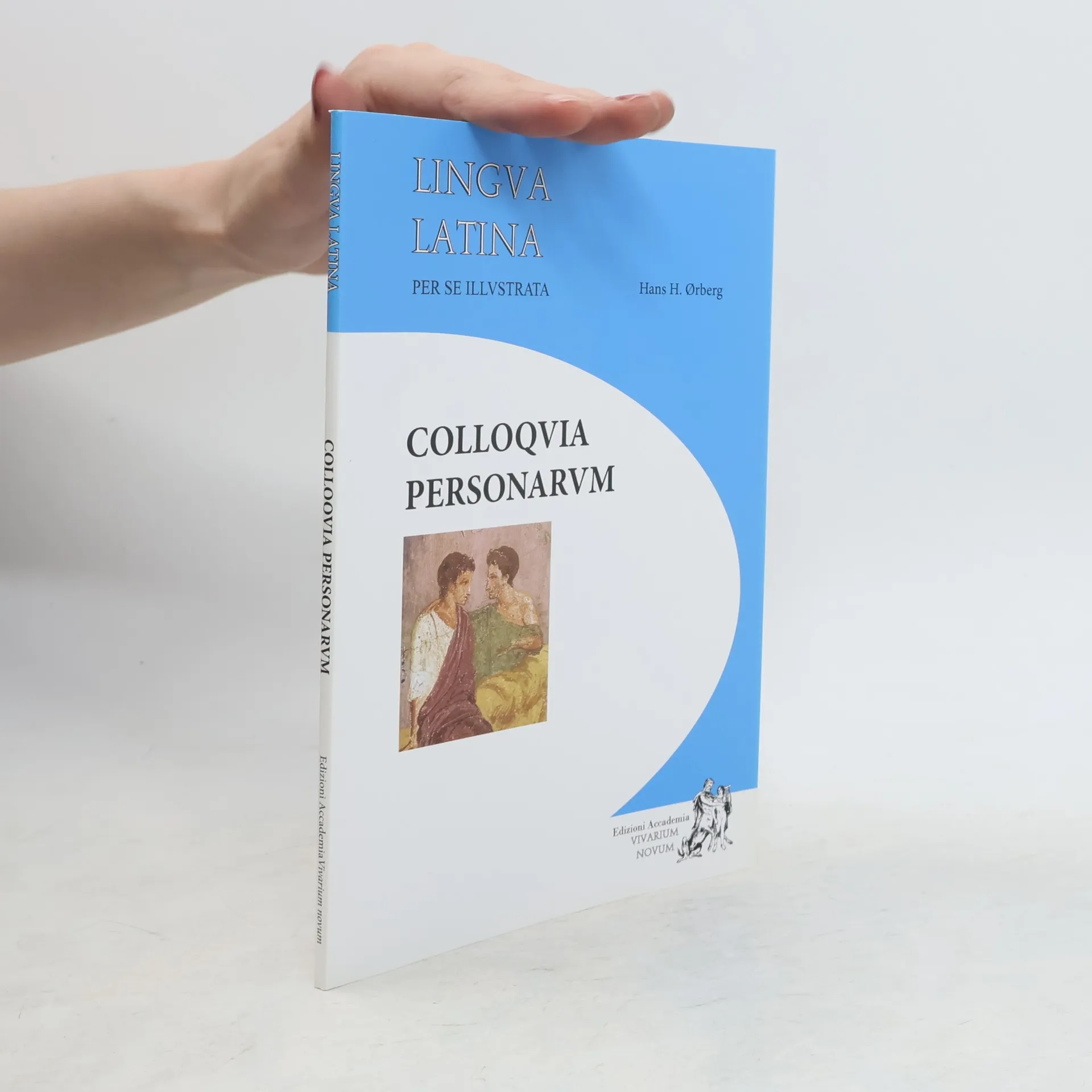
Lingue Latina per se illustrata. Colloquia personarum
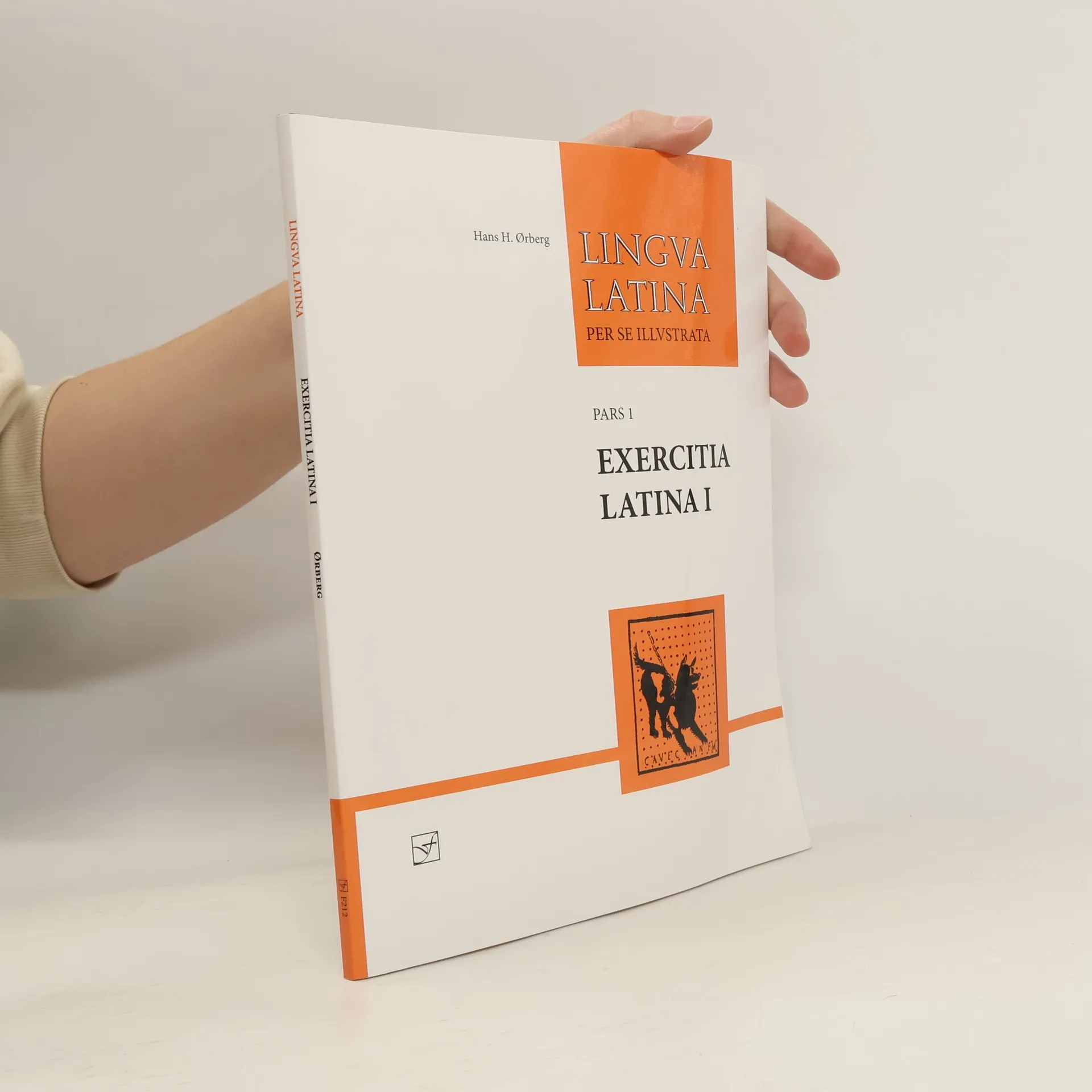
Lingua latina per se illustrata. Exercitia latina I
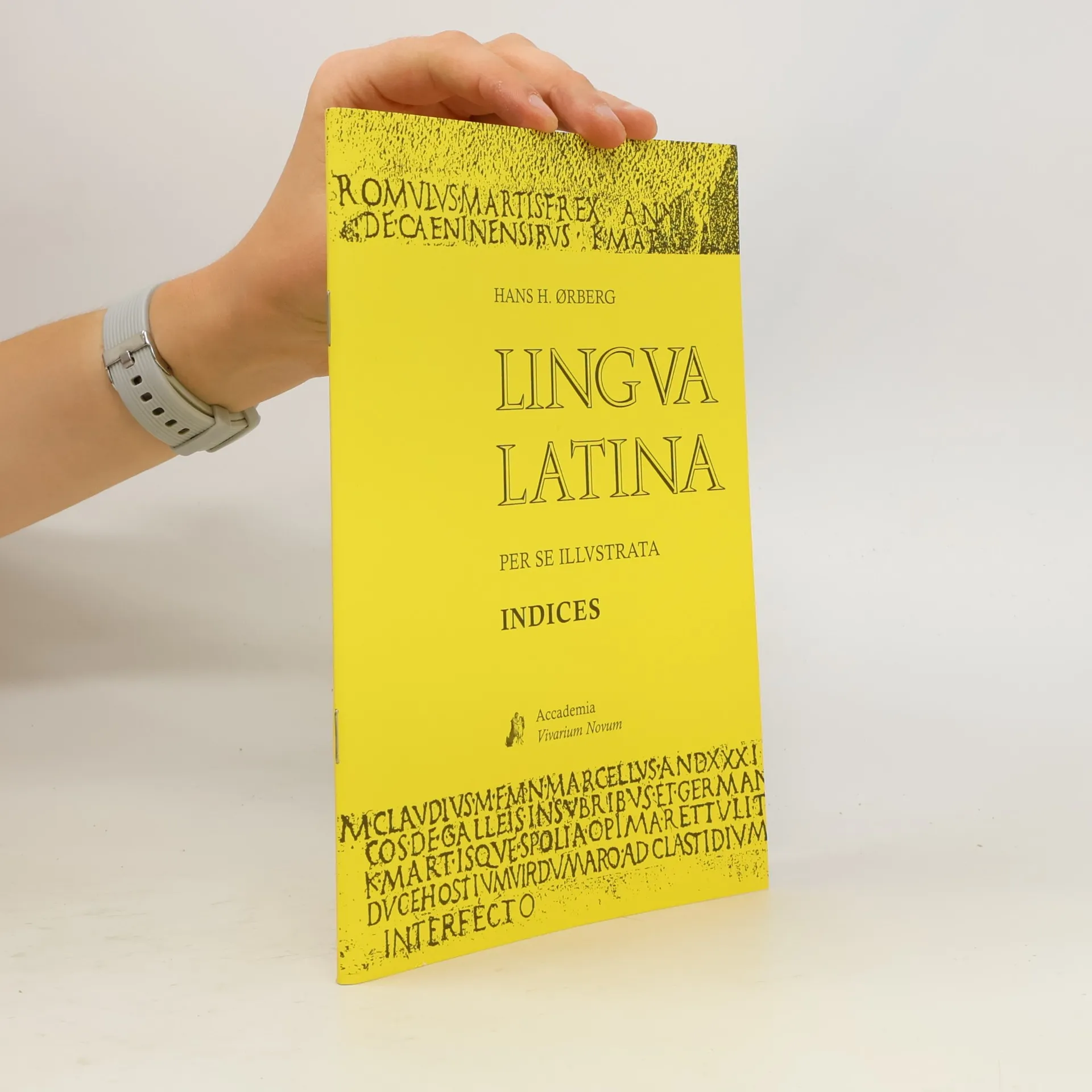
Lingua Latina per se illustrata - Indices
Lingua Latina - Epitome Historiae Sacrae
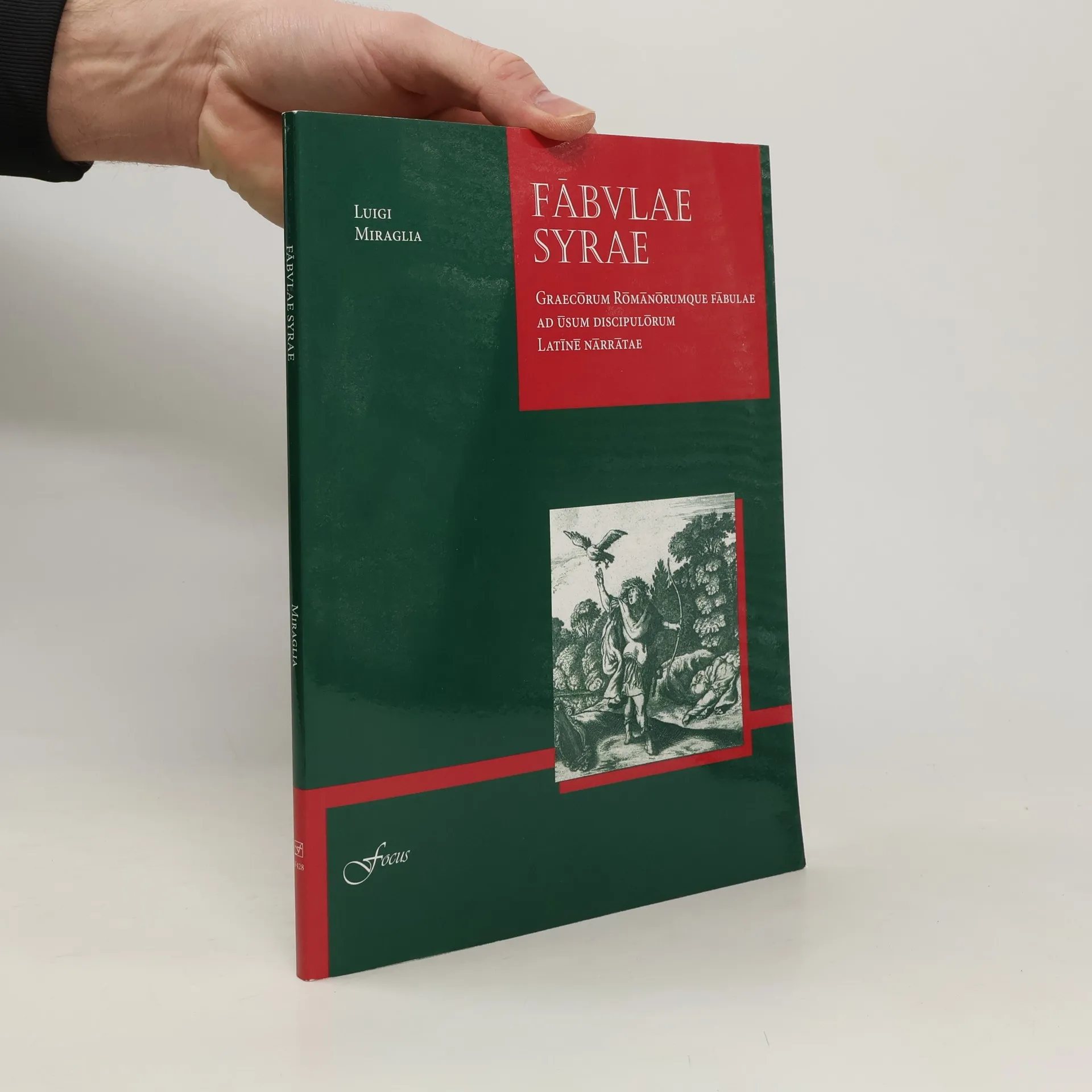
Fabulae Syrae. Graecorum Romanorumque fabulae ad usum discipulorum Latine narratae
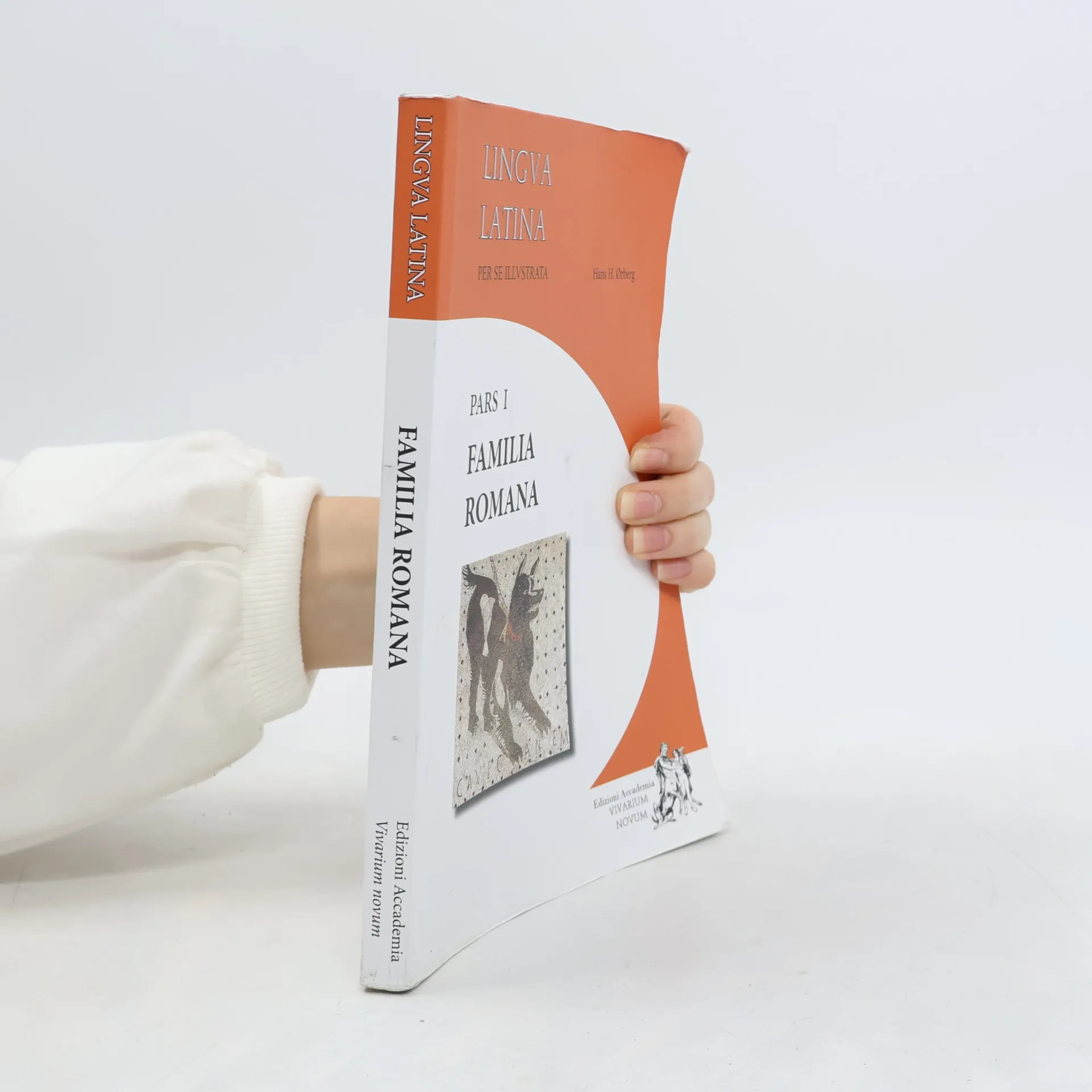
Lingua Latina per se illustrata. Pars I, Familia Romana
  • Fabulae Syrae, a delightful collection of mythological stories, may be used concurrently with Familia Romana for further enrichment or as a review text. It is also a stand-alone work and could be used as a reader in mythology separate from the Lingua Latina series. New vocabulary is kept to a minimum, so the reader can truly enjoy the readings while focusing on a mastery of the grammar and essential vocabulary.

    Fabulae Syrae. Graecorum Romanorumque fabulae ad usum discipulorum Latine narratae
  • A convenient, single-volume vocabulary reference for Pars I of the Lingua Latina per se illustrata series by Hans H. Ørberg. This Latin-to-English glossary includes all of the vocabulary which a first-year student can be expected to encounter, namely the vocabulary used in Familia Romana, Colloquia Personarum, Fabellae Latinae, and Fabulae Syrae. Includes 2,435 words with their English equivalents. Patrick Owens is on the faculty at Wyoming Catholic College.

    Lingua Latina - Glossarium
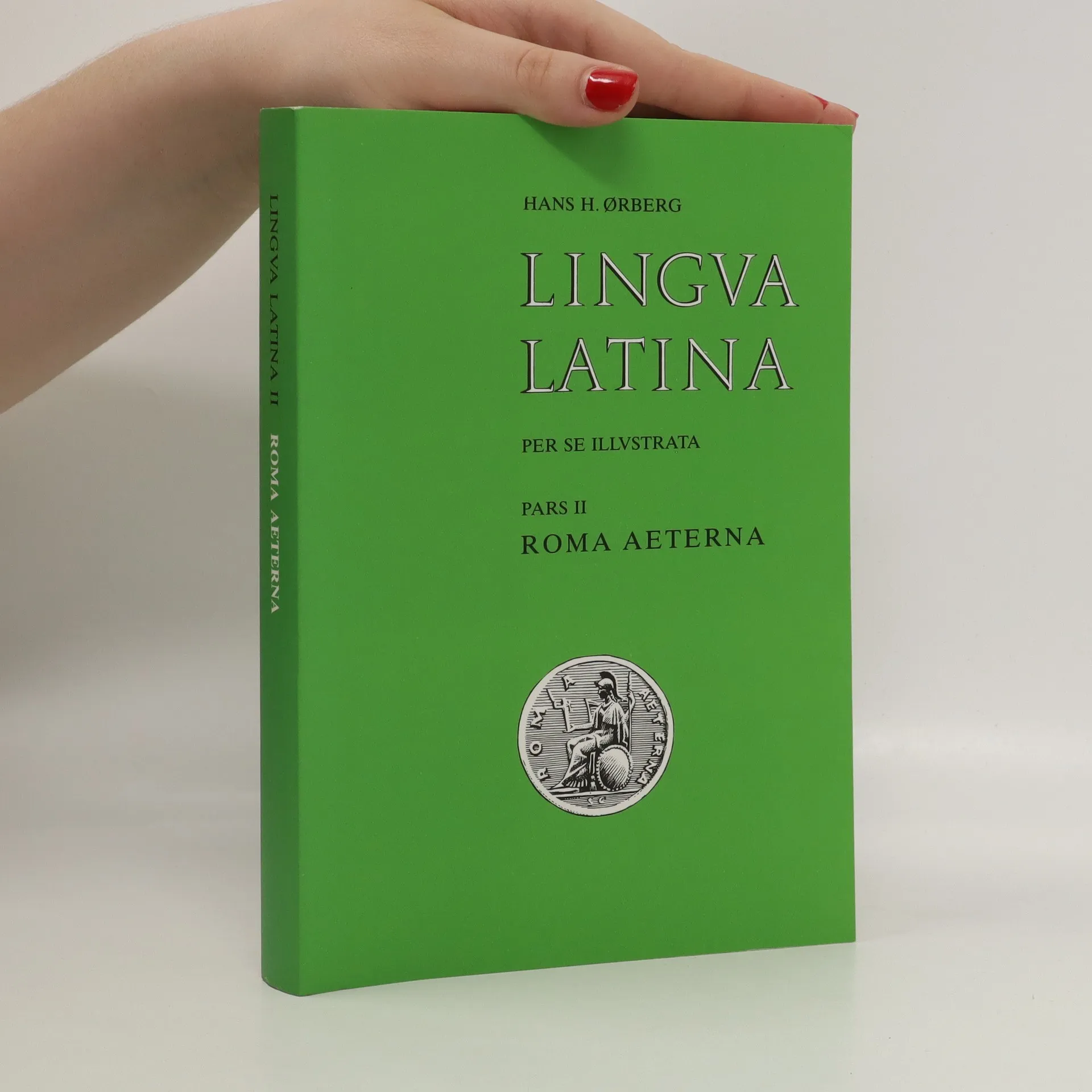
  • El curso de latín LINGVA LATINA PER SE ILLVSTRATA, (‘La lengua latina ilustrada por sí misma’) se compone de dos partes, pars i y ii , con un índice común, indices. La primera parte, FAMILIA ROMANA, es la base del curso inicial, que abarca las reglas esenciales de la gramática latina además de incluir un vocabulario básico de unas 1.500 palabras. Los 35 capítulos constituyen una serie de escenas y episodios de la vida de un familia romana del siglo II d.C. El libro está escrito totalmente en latín, pero desde el principio hasta el fin el texto está graduado de manera que cada frase sea inteligible por sí misma, per se, porque la significación de todas las palabras nuevas y la función de las formas gramaticales se deducen sin equívoco del contexto, o, si es necesario, de las ilustraciones o de las notas marginales usando el vocabulario ya aprendido. Así no se necesita consultar un léxico, analizar o traducir para entender el significado. Tanto el vocabulario como la gramática se aprenden por la observación de gran número de ejemplos ilustrativos que forman parte de la coherencia del texto. Cada capítulo está dividido en 3 ó 4 lecciones (lectiones) y consiste en algunas páginas de texto seguidas de una sección gramatical (Grammatica) y tres ejercicios (Pensa). Al final del volumen se recogen una tabla de paradigmas, un calendario romano y un léxico (Index vocabulorum).

    Lingua latina per se illustrata. Familia romana
  • Il volume è diviso in quattro sezioni: Enchīridion discipulōrum, Colloquia persōnārum, Exercitia Latīna e Grammatica di consultazione. Il primo contiene le spiegazioni necessarie per comprendere il testo di Familia Rōmāna, e tutte le nozioni, soprattutto grammaticali e linguistiche, che lo studente deve imparare, presentate discorsivamente, capitolo per capitolo con metodo induttivo e con grande chiarezza e gradualità. I Colloquia sono invece 28 vivaci dialoghi latini che integrano utilmente le letture di Familia Rōmāna. Gli Exercitia Latīna sono oltre 400 esercizi di vario tipo per Familia Rōmāna. La Grammatica di consultazione è un manualetto molto agile diviso in quattro sezioni: Phōnētica Latīna, Morphologia Latīna, Syntaxis Latīna e Lexicon Latīno-Italicum.

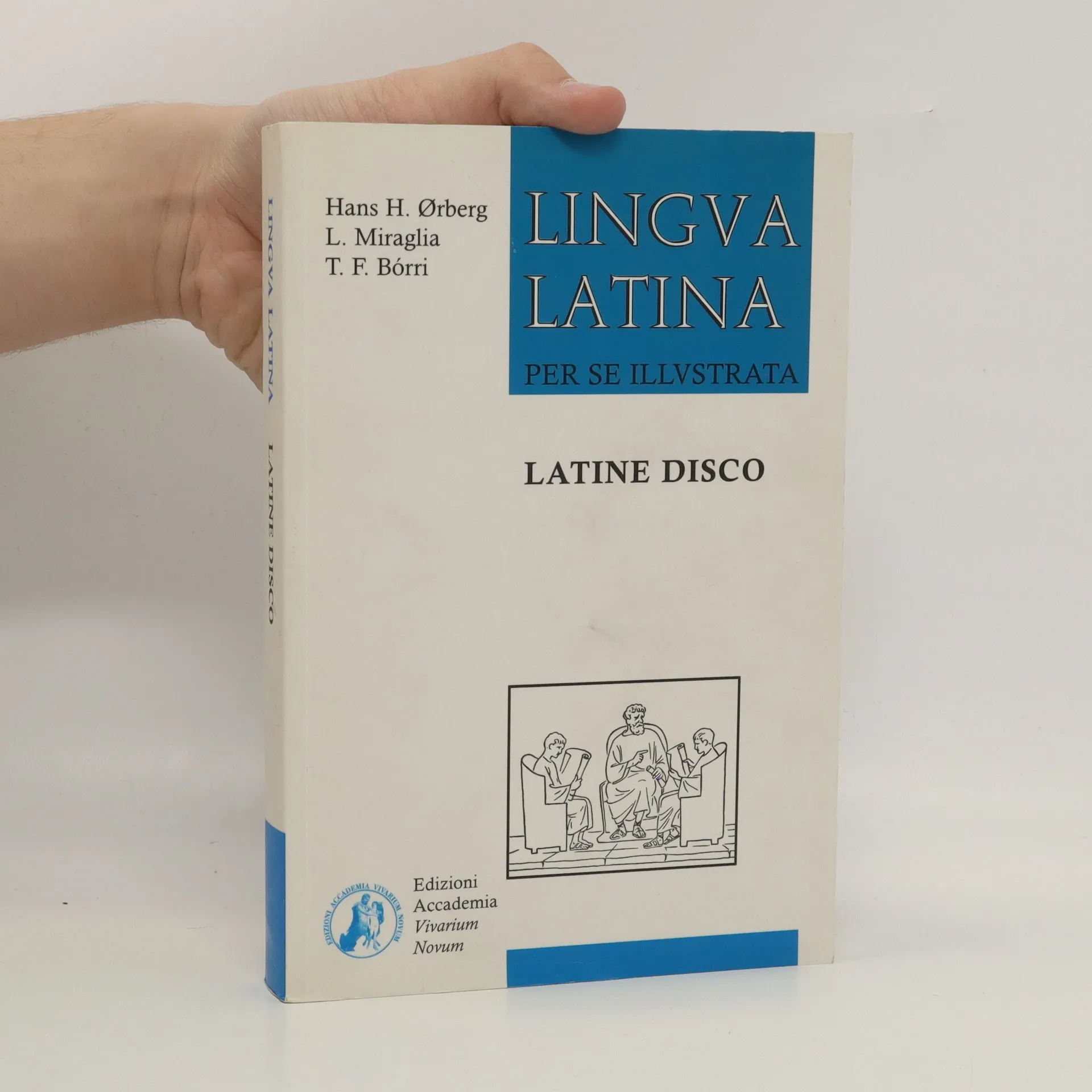
    Lingua Latina per se illustrata - Latine disco
  • Presented via the natural method by Hans Ørberg, Sermones Romani allows introductory students to read lightly altered Latin texts. Through his innovative system of marginal notes, Hans Ørberg introduces the reader to the language and thought of ancient Rome through short readings by Cicero, Tacitus, Martial and others. Sermones Romani can be read immediately following Ørberg’s first year elementary text, Familia Romana (Lingua Latina Pars I), also available from Focus.

    Lingua Latina - Sermones Romani
  • Epitome Historiae Sacrae

    Brevi Christi Vitae Narratione Addita - Integrum Opus Ad Vsvm Discipvlorvm Edidit Robertvs Carfagni Pavccissimis Verbis Mvtatis

    • 204 Seiten
    • 8 Lesestunden

    The history of a nation unfolds through the stories of figures like Abraham, Joseph, Moses, and Jesus, presented in perfect Latin. Understanding Western culture necessitates familiarity with the Bible, making it essential for students to engage with the Judeo-Christian narratives that are foundational to Western tradition. The Epitome Historiae Sacrae (Summary of Sacred History) by Charles François Lhomond, a classic utilized for over two centuries, is revitalized for today’s Latin learners. Its effectiveness has been proven globally, providing an overview of Biblical stories alongside exemplary Latin prose. This edition features a modern arrangement, beautiful historical engravings, and annotations based on the Ørberg method. It includes appendices of names and timelines, with lessons designed to encourage active Latin production and comprehension. The Epitome's accessible style suits early intermediate students, capturing their interest while inspiring deeper learning through its sublime Latinity. Edited according to the Lingua Latina per se Illustrata series, this edition is perfect for those who have completed Familia Romana, enhancing grammar skills and expanding vocabulary by over 1,300 words. Features include 246 readings, engaging exercises, and a preface detailing Lhomond's life and the text's history.

    Epitome Historiae Sacrae