

Im Jahr 1177 v. Chr. stehen die ersten großen Zivilisationen unserer Menschheit vor dem Untergang. Marodierende Seevölker bedrohen Ägypten unter König Ramses III. Wie Dominosteine fallen Mykene, Troja und Milet nach Jahrhunderten des Aufstiegs und des Glanzes. Konnte das allein das Werk der Seevölker sein? In seinem internationalen Bestseller erzählt Eric H. Cline die packende Geschichte vom »ersten Untergang der Zivilisation«: Erst durch die katastrophale Summe von Krieg, Revolten, Wirtschaftskollaps und Naturkatastrophen stürzte die erste große Zivilisation für Jahrhunderte in die Dunkelheit. Folgen Sie dem renommierten Archäologen Eric H. Cline in eines der spannendsten Kapitel der Menschheitsgeschichte!
Wendepunkte im antiken Geschichte Reihe
Diese Reihe erforscht entscheidende Ereignisse und Wendepunkte der antiken Welt durch zugängliche Bücher führender Gelehrter. Sie bietet neue Interpretationen berühmter sowie weniger bekannter Themen, die mehr Aufmerksamkeit verdienen. Jeder Band liefert eine erzählerische Synthese, die literarische und archäologische Beweise integriert, um die Vergangenheit für heutige Leser lebendig werden zu lassen.

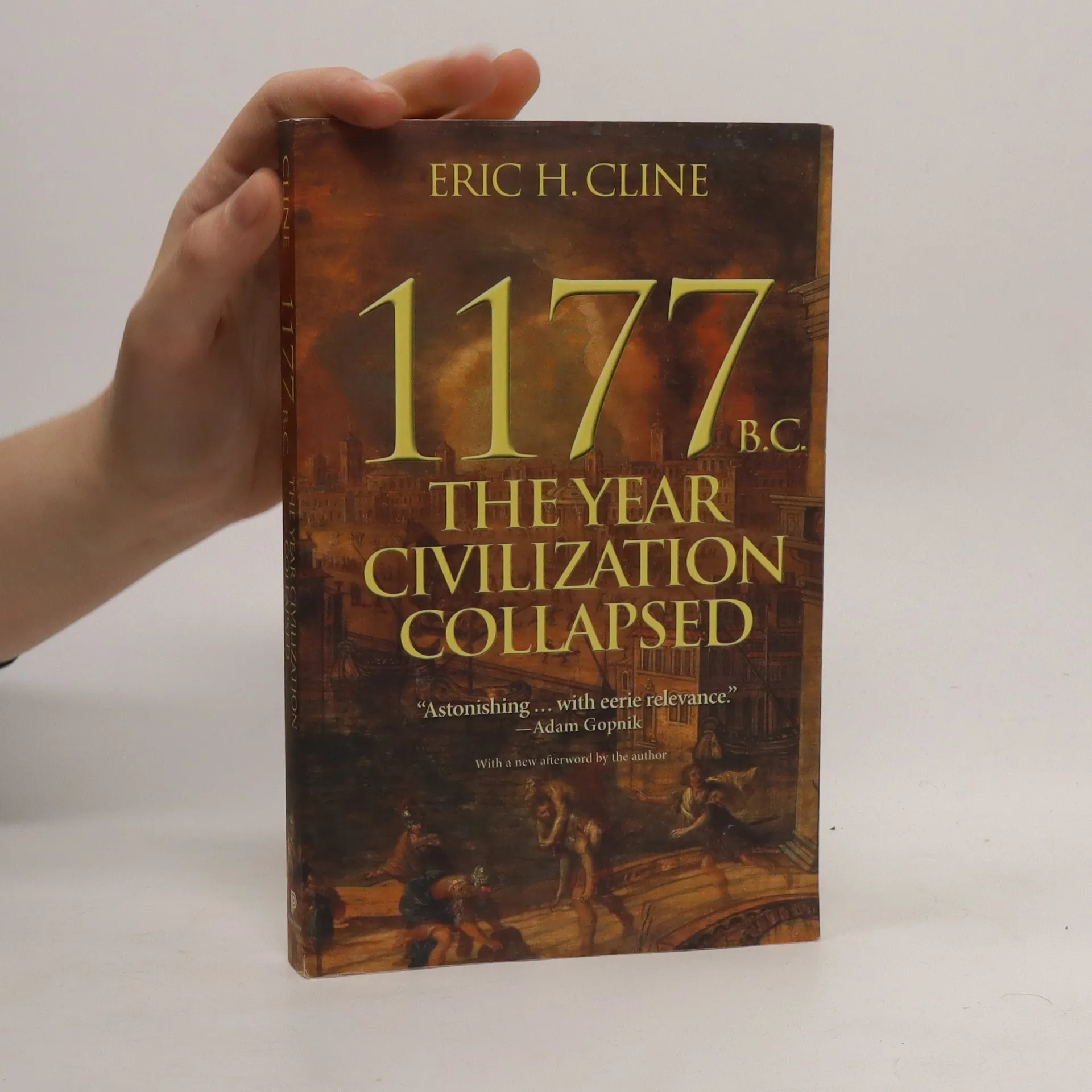

1177 B.C. : The Year Civilization Collapsed
- 264 Seiten
- 10 Lesestunden
In 1177 B.C., the invasion of Egypt by marauding groups known as the "Sea Peoples" marked the beginning of a significant decline for Egypt and surrounding civilizations. Although the pharaoh's forces managed to repel the invaders, the victory left Egypt weakened, leading to a rapid collapse of the Bronze Age world. Within a few decades, prominent kingdoms like the Minoans, Mycenaeans, Trojans, Hittites, and Babylonians vanished, along with their vibrant economies, cultures, writing systems, and monumental architecture. The Sea Peoples were not solely responsible for this widespread breakdown; it was the result of multiple interconnected failures, including invasions, revolts, natural disasters like earthquakes and droughts, and the disruption of international trade routes. This account brings to life the rich multicultural tapestry of the Late Bronze Age, illustrating how the very interdependence of these civilizations contributed to their downfall. By weaving together narrative and contemporary scholarship, the text reveals the complex relationships that fostered both the flourishing and the eventual destruction of these great civilizations, setting the stage for the emergence of classical Greece and a dark age that lasted for centuries.
Rom brennt!
- 400 Seiten
- 14 Lesestunden
Der römische Kaiser Nero gilt als verrückter und grausamer Herrscher, insbesondere wegen des Brandes von Rom am 19. Juli 64 n. Chr., den er angeblich selbst gelegt haben soll. In dieser Nacht soll er, begeistert von den Flammen, Verse über den Untergang Trojas rezitiert haben. Doch entspricht diese Darstellung den tatsächlichen Ereignissen? Der Althistoriker Anthony Barrett beleuchtet die Geschehnisse anhand antiker Quellen und archäologischer Funde und zeigt, dass der Brand das Ende der julisch-claudischen Dynastie einleitete. Er analysiert die historische Bedeutung des Brandes für das römische Weltreich, die Regierungszeit des letzten Kaisers dieser Dynastie und die wiederholten Brände im antiken Rom. Barrett hinterfragt die Beweislage der Vorwürfe gegen Nero und beleuchtet die Suche nach einem Sündenbock, die zur Christenverfolgung unter Nero führte. Um seine Beliebtheit zurückzugewinnen, führte Nero verbesserte Brandschutzmaßnahmen und Sühnerituale ein, doch das Gerücht, er sei für den Brand verantwortlich, blieb bestehen. Um die Anschuldigungen zu entkräften, ließ er brutale Maßnahmen gegen die Christen ergreifen, was als erstes großes Martyrium in die Kirchengeschichte einging. Diese Neu-Erzählung zeigt, wie der Brand von Rom zu einem entscheidenden Wendepunkt wurde.