A Series of Lessons in Raja Yoga
- 174 Seiten
- 7 Lesestunden
The Yogi Philosophy may be divided into several great branches, or fields. What is known as "Raja Yoga" deals with the Mind; its control; its development; its unfoldment, etc.


Diese Serie bietet eine tiefgreifende Auseinandersetzung mit den vielfältigen Wegen des Yoga, von der physischen Körperkontrolle über die Entwicklung des Geistes bis hin zur spirituellen Erkenntnis. Jeder Band liefert umfassende Lektionen, die sich einer spezifischen Disziplin widmen, sei es Hatha Yoga für den Körper, Raja Yoga für den Geist, Bhakti Yoga für das Herz oder Gnani Yoga für den Intellekt. Sie dient als Leitfaden zur Selbstfindung, inneren Balance und zum Verständnis der universellen Lebensprinzipien. Die Reihe richtet sich an Leser, die durch alte Weisheiten tiefere Einblicke in sich selbst und die Welt suchen.

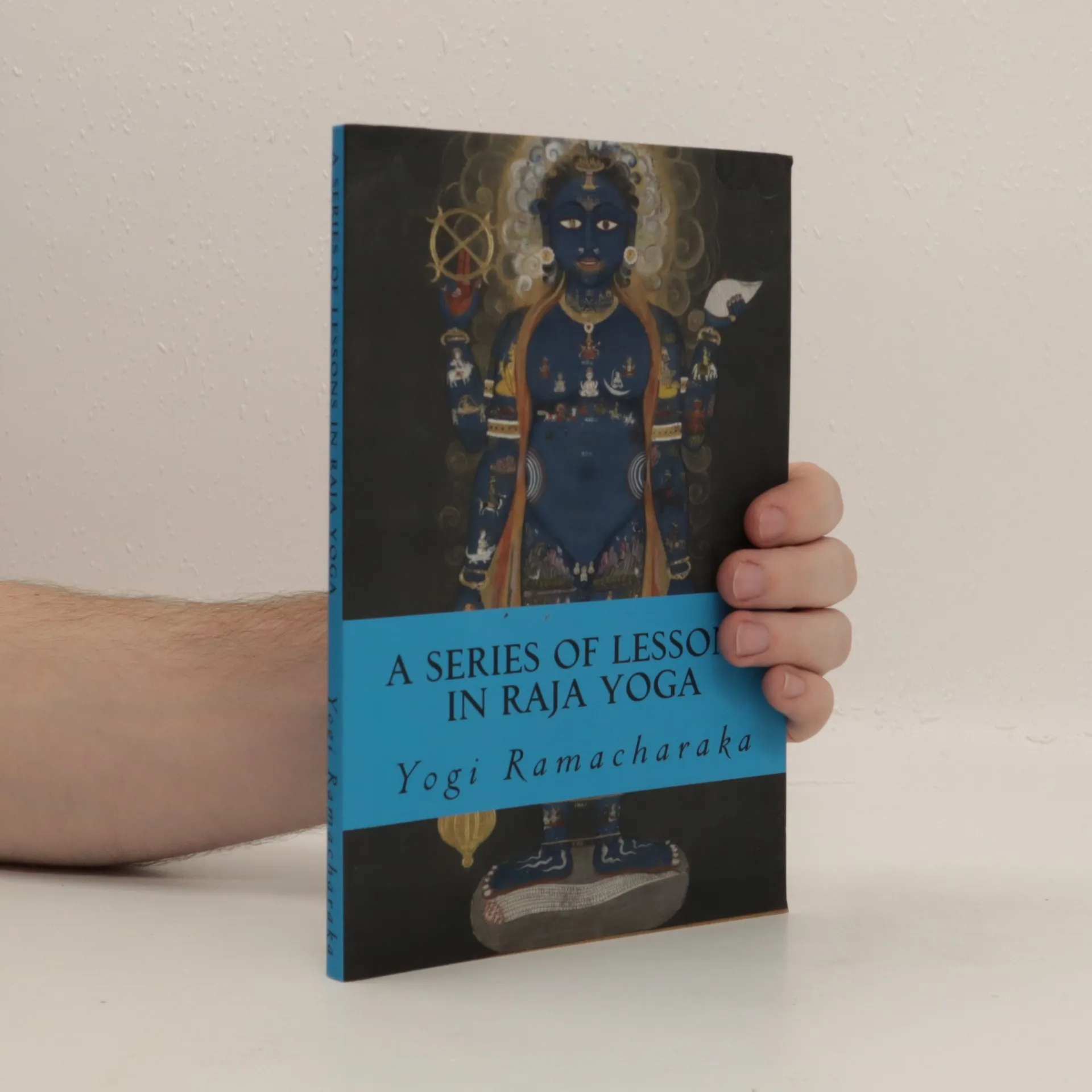
The Yogi Philosophy may be divided into several great branches, or fields. What is known as "Raja Yoga" deals with the Mind; its control; its development; its unfoldment, etc.
Die Anhänger der frühen Philosophie des "New Age" im frühen 20. Jahrhundert glaubten, die Geheimnisse des Geistes über Materie erlernen zu können. William Walker Atkinson, ein einflussreicher Lehrer und populärer Schriftsteller, enthüllt in diesem Werk von 1904 die Lehren des Hatha Yoga. Seine Lektionen behandeln: die vitale Kraft des Körpers, das Laboratorium des Körpers, wie unsere Ernährung die "Lebensflüssigkeit" des Blutes beeinflusst, die yogische Herangehensweise an Nahrung und Essen, die yogische Theorie der "Prana-Aufnahme" von Nährstoffen, das Beherrschen des "yogischen Atmens", die Nutzung von "pranischer Energie", Regeln für Entspannung und vieles mehr. Atkinson war von 1901 bis 1905 Herausgeber des beliebten Magazins New Thought und von 1916 bis 1919 Herausgeber der Zeitschrift Advanced Thought. Er verfasste zahlreiche Bücher über New Thought unter verschiedenen Pseudonymen, von denen einige bis heute wahrscheinlich unbekannt sind.
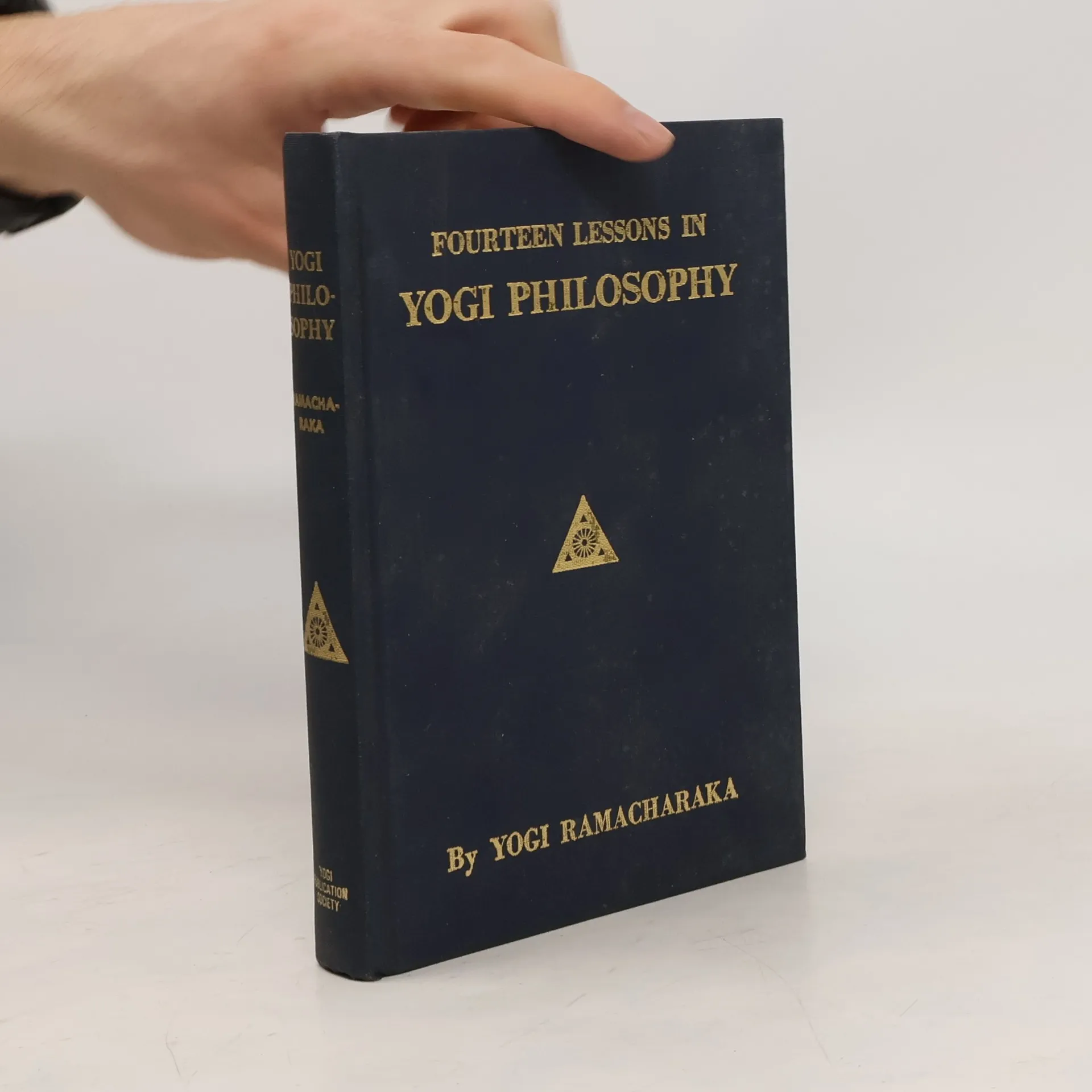
Fourteen Lessons in Yogi Philosophy and Oriental Occultism
Originally presented as monthly lessons from October 1904 to September 1905, this volume serves as a sequel to a prior series on Yogi Philosophy and Oriental Occultism. It comprises twelve lessons that delve deeper into the teachings and practices of yoga and Eastern mysticism, building on the foundational concepts introduced in the earlier work. This structured approach aims to enhance the reader's understanding and application of yogic principles.
Exploring the teachings of Gnani Yoga, this 1906 work by William Walker Atkinson delves into the philosophy of New Thought, emphasizing the power of mind over matter. Atkinson, a prominent figure in the New Age movement, shares insights on achieving wisdom and personal transformation through mental discipline. His lessons aim to guide readers in harnessing their mental potential, fostering a deeper understanding of self and the universe. The book serves as a practical manual for those seeking enlightenment and mastery over their thoughts.