
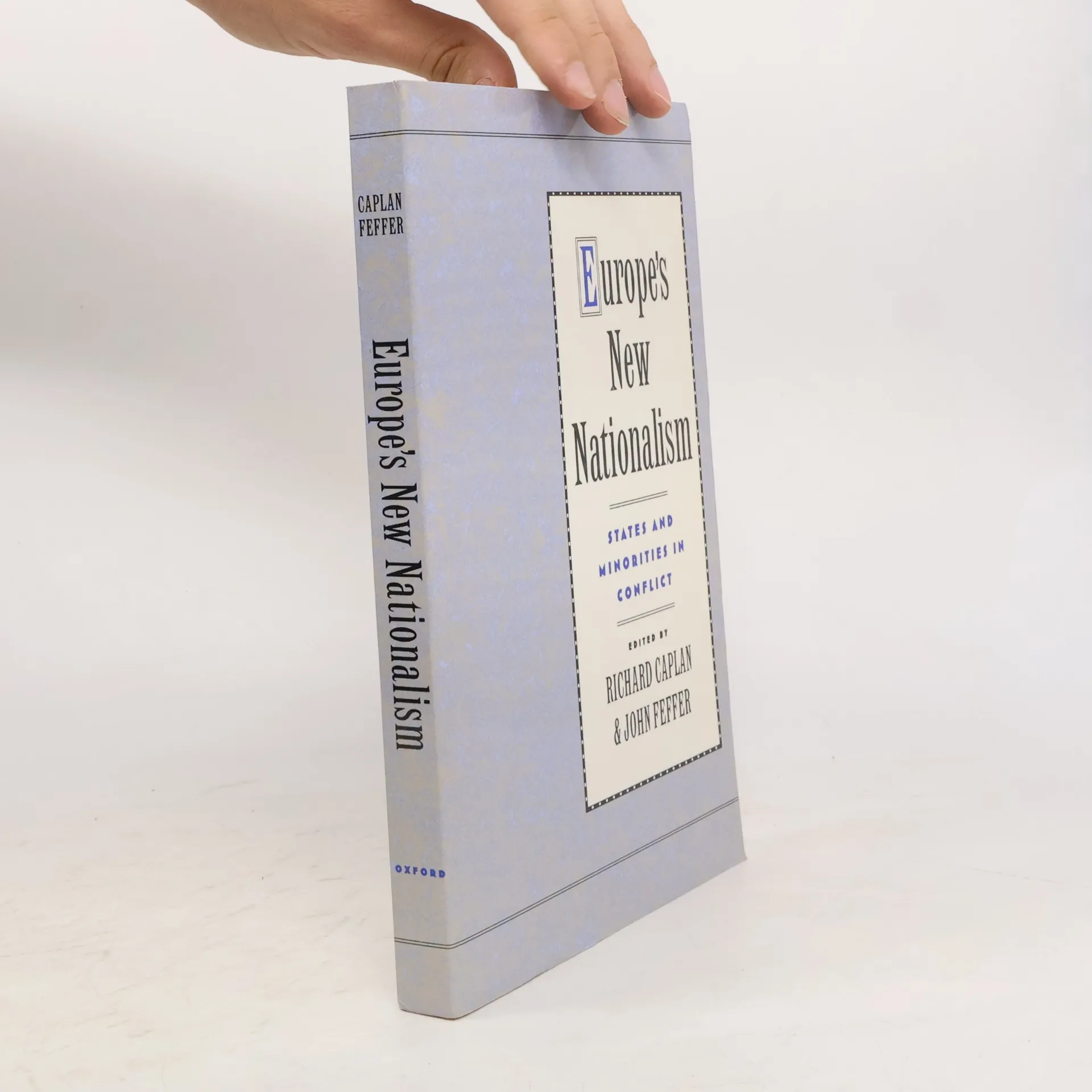

John Feffer ist ein Autor, dessen Werk sich mit politischen Kommentaren und internationalen Beziehungen beschäftigt. Seine Schriften untersuchen die komplexen Verbindungen zwischen Nationen und die inneren Kräfte, die ihre Interaktionen prägen. Durch seine Essays und Bücher bietet er scharfe Einblicke in globale Themen, wobei er sich oft auf bestimmte Regionen und ihre geopolitischen Landschaften konzentriert. Seine Beiträge regen die Leser an, über die zugrunde liegenden Ursachen und Folgen von internationalen Konflikten und politischen Entscheidungen nachzudenken.
In a world dominated by right-wing populism and authoritarianism, the book explores the unifying hatred of autocrats towards the liberal, globalized order. It emphasizes the need for the fragmented liberal left to unite and adopt a global perspective to effectively combat this rising tide. Through interviews with leading activists, it advocates for initiatives like a global Green New Deal and trans-European movements. This work serves as both a cautionary tale and a source of motivation for activists facing the challenges posed by far-right power.
Transformative change can emerge from the COVID-19 crisis, which has revealed the failures of governments prioritizing militarism, competition, and wealth. A return to humane governance is still achievable through a pandemic pivot. This work offers a sobering analysis of our current situation while advocating for a global, people-oriented response to the pandemic and its underlying societal issues. It presents an actionable framework for a "just transition to a regenerative, anti-racist, feminist economy," emphasizing that equity and cooperation are essential survival strategies.
In mid-2020, the Institute for Policy Studies convened 68 leading thinkers and activists for discussions on COVID-19's implications for global issues and the potential for transformative change. Topics included green recovery, the global economy, authoritarianism, migrants, budget priorities, global ceasefire, civil society, and multilateral cooperation. This report by John Feffer contrasts sharply with today's realities, offering a path toward sanity and humane governance. It highlights the urgent need for action to realize this vision. Participants included prominent figures from diverse fields, representing organizations and regions worldwide, underscoring the collaborative effort needed to address these challenges.
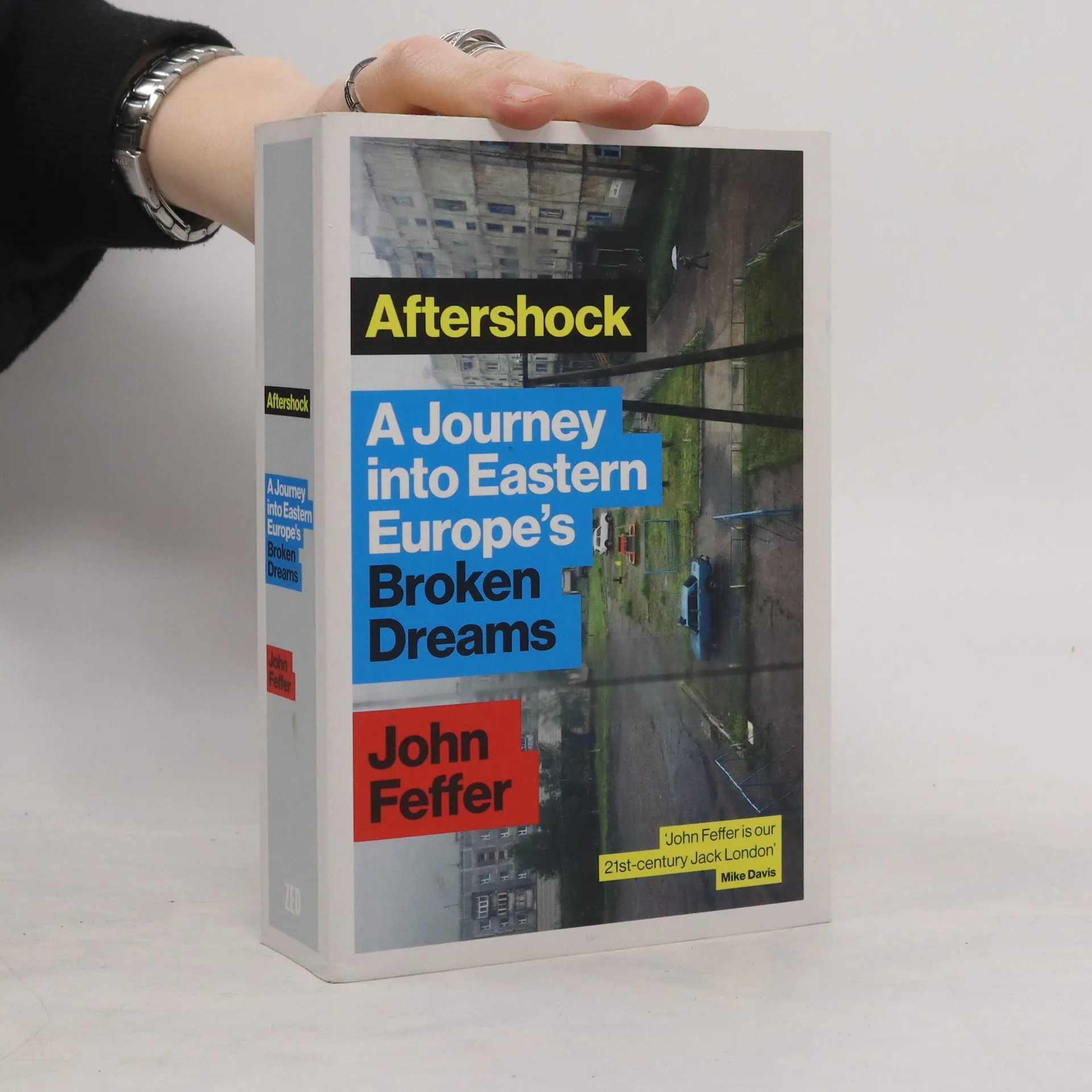
In this unique, panoramic account of faded dreams, journalist John Feffer returns to Eastern Europe a quarter of a century after the fall of communism, to track down hundreds of people he spoke to in the initial atmosphere of optimism as the Iron Curtain fell – from politicians and scholars to trade unionists and grass roots activists. What he discovers makes for fascinating, if sometimes disturbing, reading. From the Polish scholar who left academia to become head of personnel at Ikea to the Hungarian politician who turned his back on liberal politics to join the far-right Jobbik party, Feffer meets a remarkable cast of characters. He finds that years of free-market reforms have failed to deliver prosperity, corruption and organized crime are rampant, while optimism has given way to bitterness and a newly invigorated nationalism. Even so, through talking to the region's many extraordinary activists, Feffer shows that against stiff odds hope remains for the region's future.
Feffer provides an incisive historical background to the current political and economic conflicts that are dramatically reshaping daily life in Eastern Europe and offers critical and guardedly hopeful speculation about the future of the region. Feffer draws upon hundreds of interviews he has conducted with the region's policymakers, trade unionists, grassroots activists, and scholars.